Organic Farm Tourism: Exploring Sustainable Farming and Authentic Rural Experiences
Organic Farm Tourism: Experiencing Sustainable Farming and Rural Life
Introduction
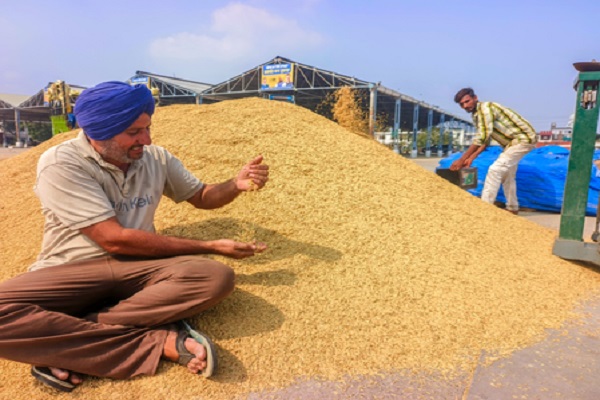
Organic Farm Tourism is an emerging form of sustainable travel that combines agriculture, nature, local food, rural culture, and hands-on experiences. It gives travelers an opportunity to visit working organic farms, understand environmentally friendly farming practices, taste fresh farm produce, and experience peaceful rural surroundings.
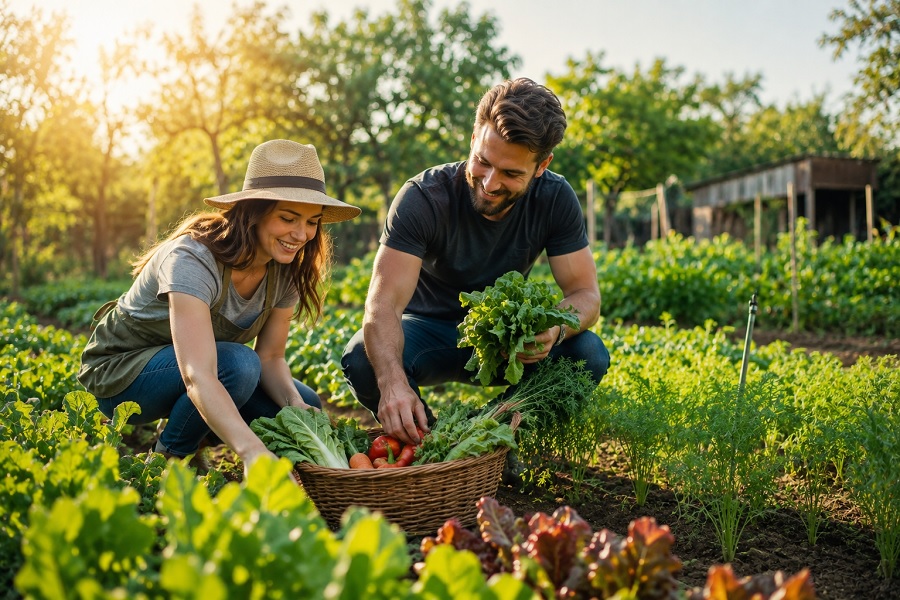
Unlike conventional sightseeing, organic farm tourism allows visitors to connect directly with the source of their food. Travelers can participate in activities such as harvesting vegetables, planting crops, feeding farm animals, learning traditional farming methods, and enjoying freshly prepared farm-to-table meals.
The growing interest in sustainable lifestyles, locally produced food, wellness travel, and authentic rural experiences is making organic farms increasingly attractive tourism destinations.
What Is Organic Farm Tourism?
Organic Farm Tourism refers to travel experiences centered around farms that use organic or environmentally responsible agricultural practices.
Visitors may stay on farms, take guided tours, participate in agricultural activities, learn about soil and biodiversity, and enjoy locally produced food.
Depending on the destination, activities can include:
Organic farming demonstrations
Vegetable and fruit harvesting
Seed planting
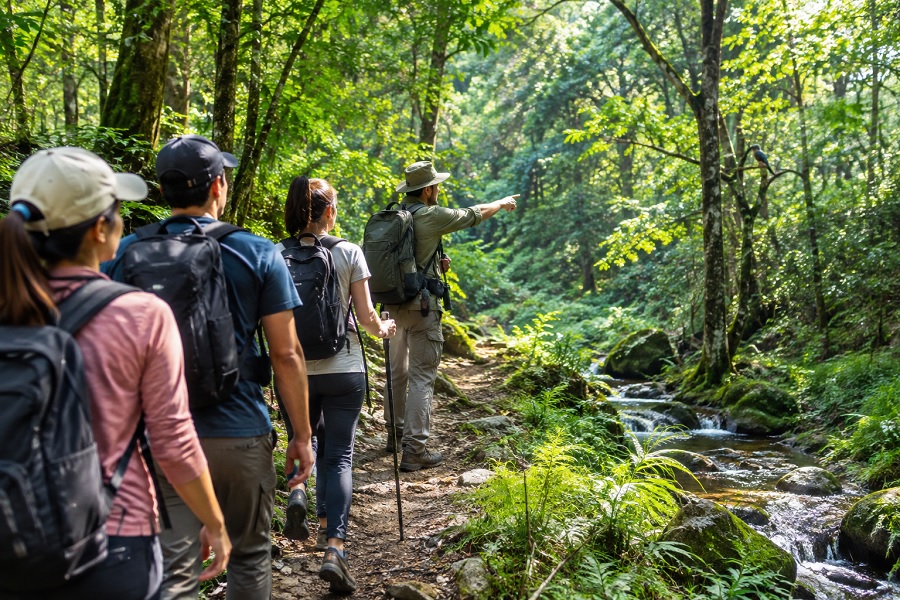
Farm walks
Animal care
Composting workshops
Traditional cooking classes
Farm-to-table dining
Nature photography
Rural cultural experiences
This type of tourism connects agriculture with recreation, education, food, and environmental awareness.
Why Organic Farm Tourism Is Becoming Popular
1. Growing Interest in Sustainable Travel
Travelers are increasingly looking for experiences that have a lower environmental impact and support local communities.
Organic farms can provide visitors with an opportunity to understand sustainable food production while enjoying nature.
2. Farm-to-Table Experiences
Fresh food is one of the biggest attractions of farm tourism.
Visitors can enjoy vegetables, fruits, herbs, dairy products, grains, and other products grown or produced locally.
The experience becomes more meaningful when travelers can see how the food is cultivated before eating it.
3. Connection With Nature
Urban lifestyles can make it difficult for people to spend time in natural surroundings.
Organic farms offer opportunities to walk through fields, observe birds and insects, enjoy open landscapes, and experience a slower pace of life.
4. Educational Experiences
Organic farm tourism can teach visitors about:
Soil health
Crop rotation
Natural fertilizers
Composting
Water conservation
Biodiversity
Sustainable agriculture
These experiences can be particularly valuable for families and students.
Popular Organic Farm Tourism Experiences
Organic Farm Stays
Farm stays allow visitors to spend one or more nights in rural surroundings.
Accommodation may include:
Farm cottages
Eco-lodges
Traditional homes
Homestays
Glamping tents
Converted farm buildings
Guests can combine comfortable accommodation with agricultural and nature-based activities.
Fruit and Vegetable Harvesting
Harvesting is an enjoyable way to understand where food comes from.
Depending on the season, visitors may pick:
Strawberries
Mangoes
Apples
Oranges
Tomatoes
Vegetables
Herbs
Flowers
Farmers can explain how crops are grown and harvested responsibly.
Farm-to-Table Dining
Farm-to-table dining is an important part of the organic farm tourism experience.
Meals can feature seasonal ingredients sourced directly from the farm or nearby producers.
Travelers can enjoy:
Fresh salads
Traditional vegetables
Homemade bread
Fresh dairy products
Regional dishes
Seasonal fruits
Farm-made beverages
The combination of fresh ingredients and local recipes creates a strong connection between food and place.
Organic Cooking Classes
Cooking workshops can introduce visitors to traditional recipes and local ingredients.
Participants may learn how to prepare regional dishes using vegetables, grains, herbs, spices, and other farm products.
These activities provide both culinary and cultural experiences.
Organic Farm Tourism for Families
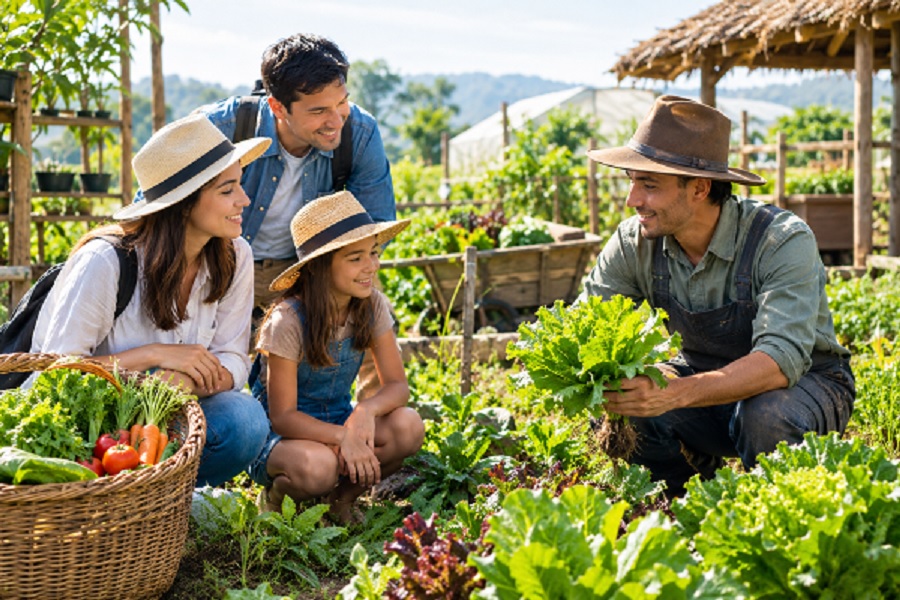
Organic farms are excellent destinations for family travel.
Children can learn about agriculture through hands-on activities rather than classroom lessons alone.
Family activities may include:
Planting seeds
Feeding animals
Picking fruits
Visiting vegetable gardens
Nature walks
Composting demonstrations
Cooking workshops
These experiences can encourage children to develop a better understanding of food, nature, and environmental responsibility.
Organic Farm Tourism for Couples
Couples can enjoy organic farm tourism as a peaceful alternative to crowded tourist destinations.
Romantic experiences may include:
Private farm dinners
Sunset walks
Countryside picnics
Farm cottage stays
Fruit-picking experiences
Outdoor breakfasts
Nature photography
Wellness activities
The quiet environment of a farm can provide couples with an opportunity to relax and spend quality time together.
Wellness Benefits of Organic Farm Tourism
Organic farm destinations can also complement wellness travel.
A farm holiday may encourage visitors to:
Spend more time outdoors
Walk in nature
Eat fresh local food
Reduce screen time
Relax away from busy cities
Participate in gentle physical activities
Enjoy peaceful rural surroundings
Combining agriculture, nature, food, and relaxation can make farm tourism a valuable wellness-oriented travel experience.
Environmental Benefits
When managed responsibly, organic farm tourism can support environmental awareness and conservation.
Potential benefits include:
Biodiversity Protection
Organic farming can support diverse ecosystems by encouraging healthier soil and reducing dependence on certain synthetic agricultural inputs.
Soil Conservation
Sustainable farming methods can focus on maintaining soil quality and reducing erosion.
Water Conservation
Responsible farms may use methods such as rainwater harvesting, efficient irrigation, and water recycling.
Waste Reduction
Composting organic farm waste can help reduce landfill waste while returning nutrients to agricultural systems.
Local Food Production
Buying locally produced food can strengthen regional food systems and reduce unnecessary transportation.
Benefits for Local Communities
Organic farm tourism can create additional income opportunities for rural communities.
Revenue can come from:
Farm stays
Guided tours
Farm restaurants
Agricultural workshops
Local food sales
Handicrafts
Farm products
Cultural activities
Tourism can also create employment for local guides, cooks, hospitality workers, artisans, and agricultural workers.
When tourism revenue remains within the community, it can contribute to rural economic development.
Best Activities to Include in an Organic Farm Tour
A well-designed organic farm tour can include a combination of education, recreation, food, and cultural experiences.
Morning
Farm walk
Sunrise photography
Vegetable harvesting
Afternoon
Organic farming demonstration
Cooking workshop
Traditional lunch
Evening
Countryside walk
Sunset experience
Farm-to-table dinner
This combination gives travelers a complete understanding of rural life.
How to Plan an Organic Farm Tourism Trip
Choose the Right Season
Agricultural activities depend heavily on seasons.
Research the farm's crop calendar before visiting if you want to participate in harvesting or planting.
Check the Farm's Practices
Travelers interested in organic tourism should learn about the farm's agricultural methods and understand what sustainability practices it follows.
Choose Suitable Accommodation
Consider whether you prefer a basic farm stay, comfortable cottage, eco-lodge, or luxury rural retreat.
Plan Activities in Advance
Popular farms may require advance reservations for:
Farm tours
Cooking classes
Harvesting experiences
Farm dinners
Accommodation
Support Local Producers
Buying farm products and locally made goods can help ensure tourism benefits the farming community.
Organic Farm Tourism in India
India has significant potential for organic farm tourism because of its diverse agricultural landscapes, regional cuisines, traditional farming knowledge, and rural communities.
Potential farm tourism experiences can be found across regions known for:
Fruit cultivation
Spice farming
Tea production
Coffee plantations
Organic vegetables
Dairy farming
Traditional agriculture
Floriculture
Destinations in the Western Ghats, Himalayan regions, Northeast India, Kerala, Karnataka, Maharashtra, Sikkim, Himachal Pradesh, Uttarakhand, and other agricultural areas can offer distinctive rural experiences.
Challenges of Organic Farm Tourism
Despite its potential, organic farm tourism also has challenges.
These include:
Limited rural infrastructure
Seasonal income
Transportation difficulties
Lack of professional tourism training
Maintaining farm productivity alongside tourism
Managing visitor numbers
Waste management
Protecting local ecosystems
Farm operators need to balance tourism activities with agricultural responsibilities.
Future of Organic Farm Tourism
The future of organic farm tourism is closely connected with the growing demand for sustainable, experiential, and locally focused travel.
Future experiences may increasingly combine:
Smart farm technology
Digital farm tours
Sustainable accommodation
Farm-to-table restaurants
Wellness retreats
Educational tourism
Community-based tourism
Organic food experiences
Conservation activities
Nature-based recreation
Technology can improve visitor education, booking systems, farm interpretation, and destination management while keeping the core experience focused on nature and agriculture.
Conclusion
Organic Farm Tourism provides travelers with an opportunity to experience agriculture, nature, food, and rural culture in an authentic setting. From harvesting fresh produce and learning sustainable farming techniques to enjoying farm-to-table meals and peaceful countryside stays, the experience offers something for families, couples, students, food lovers, and nature enthusiasts.
As travelers increasingly look for meaningful and responsible experiences, organic farms can become valuable tourism destinations. When developed carefully, organic farm tourism can benefit visitors, farmers, local communities, and the environment.
Organic Farm Tourism: Experiencing Sustainable Farming and Rural Life
Introduction
Organic Farm Tourism is an emerging form of sustainable travel that combines agriculture, nature, local food, rural culture, and hands-on experiences. It gives travelers an opportunity to visit working organic farms, understand environmentally friendly farming practices, taste fresh farm produce, and experience peaceful rural surroundings.
Unlike conventional sightseeing, organic farm tourism allows visitors to connect directly with the source of their food. Travelers can participate in activities such as harvesting vegetables, planting crops, feeding farm animals, learning traditional farming methods, and enjoying freshly prepared farm-to-table meals.
The growing interest in sustainable lifestyles, locally produced food, wellness travel, and authentic rural experiences is making organic farms increasingly attractive tourism destinations.
What Is Organic Farm Tourism?
Organic Farm Tourism refers to travel experiences centered around farms that use organic or environmentally responsible agricultural practices.
Visitors may stay on farms, take guided tours, participate in agricultural activities, learn about soil and biodiversity, and enjoy locally produced food.
Depending on the destination, activities can include:
Organic farming demonstrations
Vegetable and fruit harvesting
Seed planting
Farm walks
Animal care
Composting workshops
Traditional cooking classes
Farm-to-table dining
Nature photography
Rural cultural experiences
This type of tourism connects agriculture with recreation, education, food, and environmental awareness.
Why Organic Farm Tourism Is Becoming Popular
1. Growing Interest in Sustainable Travel
Travelers are increasingly looking for experiences that have a lower environmental impact and support local communities.
Organic farms can provide visitors with an opportunity to understand sustainable food production while enjoying nature.
2. Farm-to-Table Experiences
Fresh food is one of the biggest attractions of farm tourism.
Visitors can enjoy vegetables, fruits, herbs, dairy products, grains, and other products grown or produced locally.
The experience becomes more meaningful when travelers can see how the food is cultivated before eating it.
3. Connection With Nature
Urban lifestyles can make it difficult for people to spend time in natural surroundings.
Organic farms offer opportunities to walk through fields, observe birds and insects, enjoy open landscapes, and experience a slower pace of life.
4. Educational Experiences
Organic farm tourism can teach visitors about:
Soil health
Crop rotation
Natural fertilizers
Composting
Water conservation
Biodiversity
Sustainable agriculture
These experiences can be particularly valuable for families and students.
Popular Organic Farm Tourism Experiences
Organic Farm Stays
Farm stays allow visitors to spend one or more nights in rural surroundings.
Accommodation may include:
Farm cottages
Eco-lodges
Traditional homes
Homestays
Glamping tents
Converted farm buildings
Guests can combine comfortable accommodation with agricultural and nature-based activities.
Fruit and Vegetable Harvesting
Harvesting is an enjoyable way to understand where food comes from.
Depending on the season, visitors may pick:
Strawberries
Mangoes
Apples
Oranges
Tomatoes
Vegetables
Herbs
Flowers
Farmers can explain how crops are grown and harvested responsibly.
Farm-to-Table Dining
Farm-to-table dining is an important part of the organic farm tourism experience.
Meals can feature seasonal ingredients sourced directly from the farm or nearby producers.
Travelers can enjoy:
Fresh salads
Traditional vegetables
Homemade bread
Fresh dairy products
Regional dishes
Seasonal fruits
Farm-made beverages
The combination of fresh ingredients and local recipes creates a strong connection between food and place.
Organic Cooking Classes
Cooking workshops can introduce visitors to traditional recipes and local ingredients.
Participants may learn how to prepare regional dishes using vegetables, grains, herbs, spices, and other farm products.
These activities provide both culinary and cultural experiences.
Organic Farm Tourism for Families
Organic farms are excellent destinations for family travel.
Children can learn about agriculture through hands-on activities rather than classroom lessons alone.
Family activities may include:
Planting seeds
Feeding animals
Picking fruits
Visiting vegetable gardens
Nature walks
Composting demonstrations
Cooking workshops
These experiences can encourage children to develop a better understanding of food, nature, and environmental responsibility.
Organic Farm Tourism for Couples
Couples can enjoy organic farm tourism as a peaceful alternative to crowded tourist destinations.
Romantic experiences may include:
Private farm dinners
Sunset walks
Countryside picnics
Farm cottage stays
Fruit-picking experiences
Outdoor breakfasts
Nature photography
Wellness activities
The quiet environment of a farm can provide couples with an opportunity to relax and spend quality time together.
Wellness Benefits of Organic Farm Tourism
Organic farm destinations can also complement wellness travel.
A farm holiday may encourage visitors to:
Spend more time outdoors
Walk in nature
Eat fresh local food
Reduce screen time
Relax away from busy cities
Participate in gentle physical activities
Enjoy peaceful rural surroundings
Combining agriculture, nature, food, and relaxation can make farm tourism a valuable wellness-oriented travel experience.
Environmental Benefits
When managed responsibly, organic farm tourism can support environmental awareness and conservation.
Potential benefits include:
Biodiversity Protection
Organic farming can support diverse ecosystems by encouraging healthier soil and reducing dependence on certain synthetic agricultural inputs.
Soil Conservation
Sustainable farming methods can focus on maintaining soil quality and reducing erosion.
Water Conservation
Responsible farms may use methods such as rainwater harvesting, efficient irrigation, and water recycling.
Waste Reduction
Composting organic farm waste can help reduce landfill waste while returning nutrients to agricultural systems.
Local Food Production
Buying locally produced food can strengthen regional food systems and reduce unnecessary transportation.
Benefits for Local Communities
Organic farm tourism can create additional income opportunities for rural communities.
Revenue can come from:
Farm stays
Guided tours
Farm restaurants
Agricultural workshops
Local food sales
Handicrafts
Farm products
Cultural activities
Tourism can also create employment for local guides, cooks, hospitality workers, artisans, and agricultural workers.
When tourism revenue remains within the community, it can contribute to rural economic development.
Best Activities to Include in an Organic Farm Tour
A well-designed organic farm tour can include a combination of education, recreation, food, and cultural experiences.
Morning
Farm walk
Sunrise photography
Vegetable harvesting
Afternoon
Organic farming demonstration
Cooking workshop
Traditional lunch
Evening
Countryside walk
Sunset experience
Farm-to-table dinner
This combination gives travelers a complete understanding of rural life.
How to Plan an Organic Farm Tourism Trip
Choose the Right Season
Agricultural activities depend heavily on seasons.
Research the farm's crop calendar before visiting if you want to participate in harvesting or planting.
Check the Farm's Practices
Travelers interested in organic tourism should learn about the farm's agricultural methods and understand what sustainability practices it follows.
Choose Suitable Accommodation
Consider whether you prefer a basic farm stay, comfortable cottage, eco-lodge, or luxury rural retreat.
Plan Activities in Advance
Popular farms may require advance reservations for:
Farm tours
Cooking classes
Harvesting experiences
Farm dinners
Accommodation
Support Local Producers
Buying farm products and locally made goods can help ensure tourism benefits the farming community.
Organic Farm Tourism in India
India has significant potential for organic farm tourism because of its diverse agricultural landscapes, regional cuisines, traditional farming knowledge, and rural communities.
Potential farm tourism experiences can be found across regions known for:
Fruit cultivation
Spice farming
Tea production
Coffee plantations
Organic vegetables
Dairy farming
Traditional agriculture
Floriculture
Destinations in the Western Ghats, Himalayan regions, Northeast India, Kerala, Karnataka, Maharashtra, Sikkim, Himachal Pradesh, Uttarakhand, and other agricultural areas can offer distinctive rural experiences.
Challenges of Organic Farm Tourism
Despite its potential, organic farm tourism also has challenges.
These include:
Limited rural infrastructure
Seasonal income
Transportation difficulties
Lack of professional tourism training
Maintaining farm productivity alongside tourism
Managing visitor numbers
Waste management
Protecting local ecosystems
Farm operators need to balance tourism activities with agricultural responsibilities.
Future of Organic Farm Tourism
The future of organic farm tourism is closely connected with the growing demand for sustainable, experiential, and locally focused travel.
Future experiences may increasingly combine:
Smart farm technology
Digital farm tours
Sustainable accommodation
Farm-to-table restaurants
Wellness retreats
Educational tourism
Community-based tourism
Organic food experiences
Conservation activities
Nature-based recreation
Technology can improve visitor education, booking systems, farm interpretation, and destination management while keeping the core experience focused on nature and agriculture.
Conclusion
Organic Farm Tourism provides travelers with an opportunity to experience agriculture, nature, food, and rural culture in an authentic setting. From harvesting fresh produce and learning sustainable farming techniques to enjoying farm-to-table meals and peaceful countryside stays, the experience offers something for families, couples, students, food lovers, and nature enthusiasts.
As travelers increasingly look for meaningful and responsible experiences, organic farms can become valuable tourism destinations. When developed carefully, organic farm tourism can benefit visitors, farmers, local communities, and the environment.
The future of farm tourism is not simply about visiting a farm. It is about understanding where food comes from, connecting with rural communities, appreciating nature, and experiencing a more sustainable way of travel.