Eco-Friendly Travel in 2026: Smart Ways to Enjoy Greener and More Responsible Holidays

Climate-Friendly Travel Choices for Sustainable Holidays in 2026
Introduction
Climate-friendly travel is becoming an important part of sustainable tourism as travellers look for ways to explore the world while reducing their environmental impact. From choosing trains and public transport to staying in energy-efficient accommodation and supporting local businesses, small travel decisions can help make holidays more responsible.
In 2026, sustainable holidays are about more than visiting beautiful destinations. They also involve conserving natural resources, reducing unnecessary waste, respecting local communities, and preparing for changing weather conditions.
India offers many opportunities for responsible travel, including mountain retreats, forest destinations, rural homestays, coastal communities, and heritage cities. With thoughtful planning, travellers can enjoy memorable experiences while helping protect the places they visit.
What Is Climate-Friendly Travel?
Climate-friendly travel means making travel choices that aim to reduce greenhouse gas emissions and limit environmental harm. It considers the entire journey, including transportation, accommodation, food, shopping, and tourist activities.
Transportation can be a significant source of travel-related emissions. Accommodation and activities also contribute through their use of electricity, fuel, water, and other resources. India's Ministry of Tourism promotes sustainable travel through its Travel for LiFE initiative, which encourages responsible habits among tourists and tourism businesses.
1. Choose Lower-Emission Transportation
One of the most useful ways to make a holiday more climate-friendly is to consider how you travel to and around your destination.
For suitable routes, trains and buses can be alternatives to travelling alone by car or taking a flight. At the destination, public transport, walking, cycling, and shared taxis can help reduce fuel consumption and traffic congestion.
For example, travellers visiting nearby destinations in Maharashtra can compare train and bus services with private vehicle travel before booking. For longer journeys, compare available options based on distance, time, accessibility, and likely emissions.
Travel tip: Choose direct routes when practical, avoid unnecessary transfers, and combine nearby attractions into one itinerary.
2. Select Sustainable Accommodation
Hotels, resorts, homestays, and campsites differ in how they use energy, water, and other resources. Choosing accommodation with credible sustainability practices can support more responsible tourism.
Look for properties that use renewable energy where available, manage waste responsibly, reduce food waste, conserve water, and support local employment.
Travellers can also check recognised environmental certifications or India's Travel for LiFE certification information when choosing accommodation.
Travel tip: Do not rely on labels such as "eco-friendly" or "green" alone. Look for specific, verifiable practices.
3. Explore Nature-Based Destinations Responsibly
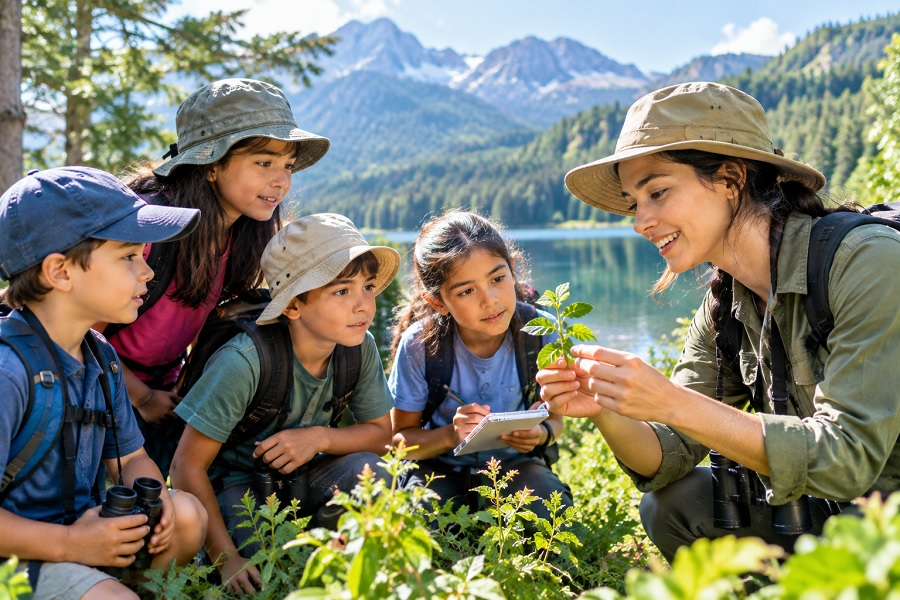
Nature-based holidays provide opportunities to enjoy forests, mountains, wetlands, beaches, and wildlife while learning about local ecosystems.
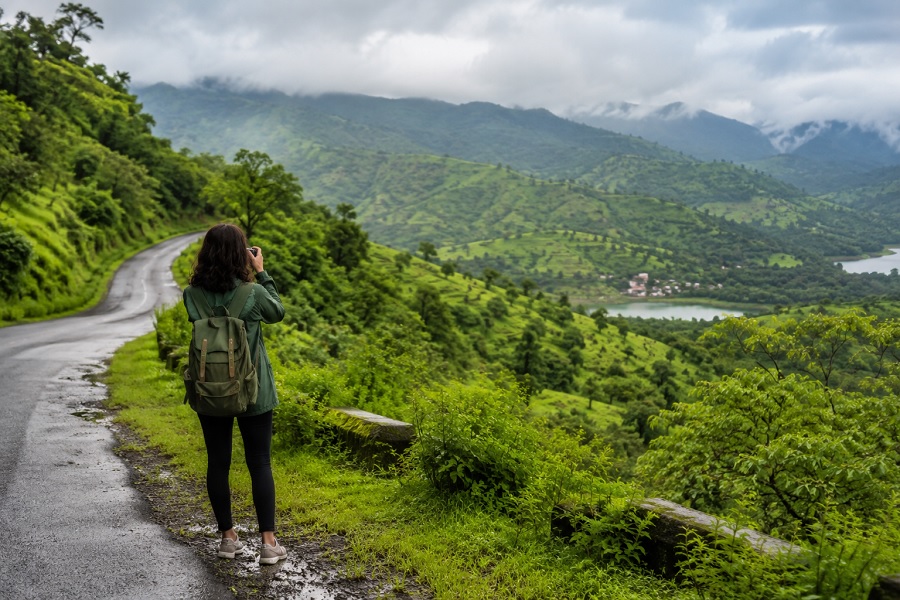
Destinations such as Munnar in Kerala, parts of the Western Ghats, and selected areas of Uttarakhand and Sikkim offer opportunities for nature-oriented travel. Visitors should follow local conservation rules and choose activities appropriate to the location.
Responsible nature travel means staying on marked trails, avoiding disturbance to wildlife, carrying waste back when necessary, and respecting protected areas.
Travel tip: Visit sensitive natural areas only through authorised routes and operators, especially where access is restricted for conservation reasons.
4. Support Local Communities and Businesses
Climate-friendly tourism can also benefit the communities that welcome visitors. Buying locally made products, eating seasonal regional food, and booking community-run experiences can help tourism income remain in the destination.
Local guides can introduce travellers to regional history, nature, traditional crafts, and everyday life. Homestays and locally owned businesses may also offer more meaningful cultural experiences than standard sightseeing alone.
Before buying souvenirs, ask about their origin and choose responsibly made products rather than items made from protected wildlife or threatened natural materials.
Travel tip: Plan part of your holiday around local markets, community experiences, and regional cuisine.
5. Reduce Single-Use Plastic During Travel
Plastic bottles, disposable cutlery, food packaging, and shopping bags can create waste at popular tourist destinations, particularly where waste collection and recycling facilities are limited.
Travellers can reduce unnecessary waste by carrying a reusable water bottle, cloth shopping bag, refillable toiletries, and reusable cutlery where appropriate.
Use refill stations when safe drinking water is available, separate waste according to local rules, and avoid leaving rubbish on beaches, trails, or in natural areas.
Travel tip: Carry a small reusable travel kit so you do not need to purchase disposable items throughout your journey.
6. Save Energy and Water at Your Accommodation
Responsible travel includes using energy and water thoughtfully, even when staying in a hotel.
Switch off lights, televisions, and air conditioning when they are not needed. Use towels and linens for more than one day when appropriate, take reasonably short showers, and close taps properly.
Choose accommodation that provides information about its energy and water conservation measures. In water-stressed destinations, be especially mindful of water-intensive activities.
Travel tip: Simple habits can reduce unnecessary resource consumption throughout a holiday.
7. Choose Seasonal and Locally Produced Food
Food is an important part of the travel experience. Trying local dishes made with seasonal ingredients can connect travellers with regional culture and food traditions.
Eating at local restaurants, choosing vegetarian meals when suitable, and avoiding unnecessary food waste are practical ways to support a more responsible holiday.
Travellers can also explore traditional food markets, regional cooking demonstrations, and farm-to-table experiences that explain where ingredients come from.
Travel tip: Order portions you can comfortably finish and take leftovers away when local food-safety practices permit.
8. Travel During Less Crowded Periods
Visiting popular destinations outside their busiest periods can help spread tourism demand and give travellers more time to appreciate local attractions.
Shoulder-season travel may provide quieter experiences and more flexible accommodation choices. However, the best dates depend on local climate, transport availability, seasonal closures, and community needs.
Avoid visiting destinations during periods when heavy rain, heatwaves, flooding, or other hazards make travel unsafe.
Travel tip: Check seasonal conditions and local advisories before booking, rather than choosing dates based only on lower prices.
9. Prefer Responsible Wildlife and Adventure Activities
Wildlife safaris, birdwatching, trekking, kayaking, and guided nature walks can help visitors appreciate biodiversity when managed responsibly.
Choose authorised operators that follow conservation rules and maintain appropriate distances from animals. Avoid activities that involve harassing wildlife, handling wild animals for photographs, or feeding animals inappropriately.
For outdoor adventures, follow local safety instructions and use trained guides where necessary. Leave natural habitats undisturbed and respect restrictions on entry.
Travel tip: Ask operators how they protect wildlife, manage waste, and contribute to conservation before booking.
10. Plan a Lower-Impact Holiday in India
India's geographical and cultural diversity makes it possible to plan different types of sustainable holidays.
Munnar, Kerala: Explore tea-growing landscapes and nearby natural attractions while respecting local conservation guidelines.
Western Ghats, Maharashtra: Choose permitted nature trails, local guides, and responsible stays.
Sikkim: Discover mountain scenery and local culture while following environmental rules and waste-management practices.
Uttarakhand: Plan suitable mountain walks and village visits, paying attention to weather and road conditions.
Rural destinations: Consider community-run stays, regional food, and locally guided experiences.
These destinations are examples of places where travellers can plan nature-oriented or community-focused trips. Their actual environmental impact depends on transport choices, accommodation practices, visitor behaviour, and local management.
11. Prepare for Climate and Weather Risks
Climate change and extreme weather can affect travel conditions, including heat, rainfall, mountain access, coastal activities, and transport reliability.
Before departure, check weather forecasts, official travel advisories, road conditions, and cancellation policies. Carry suitable clothing, drinking water, and necessary travel supplies.
Choose flexible plans when visiting destinations that may be affected by seasonal storms, heavy rainfall, or high temperatures. Travel insurance may be useful, but review its coverage carefully because not every disruption is covered.
Travel tip: Responsible travel includes protecting both the environment and your own safety.
12. Avoid Greenwashing and Make Informed Choices
Some travel businesses describe themselves as sustainable without providing clear evidence of their environmental practices.
Look for transparent information about renewable energy, water conservation, waste reduction, local employment, wildlife protection, and environmental certification. Compare actual practices instead of relying only on promotional claims.
Climate-friendly travel does not require every holiday to be perfect. The goal is to make informed decisions, reduce avoidable impacts, and support businesses that take sustainability seriously.
Benefits of Climate-Friendly Travel
Climate-friendly travel can provide several benefits:
Reduced environmental impact: Thoughtful choices can help lower emissions and unnecessary resource consumption.
Support for local communities: Spending with local businesses can help distribute tourism income more widely.
Better nature experiences: Responsible activities can encourage greater appreciation of landscapes and biodiversity.
Less waste: Reusable items and careful purchasing can reduce disposable packaging.
Greater resilience: Flexible travel planning can help travellers respond to changing weather and other disruptions.
The size of these benefits depends on the destination and the choices made during the trip. Climate-friendly travel works best when tourists, tourism businesses, and destination authorities all contribute.
Conclusion
Climate-friendly travel choices can make sustainable holidays more practical and meaningful in 2026. Choosing suitable public transport, staying in accommodation with credible environmental practices, supporting local businesses, reducing plastic waste, and respecting natural habitats are useful steps for travellers.
India offers many opportunities to combine memorable holidays with responsible travel, from mountain destinations and rural homestays to coastal communities and heritage cities.
Every trip has a different environmental footprint, so the most useful approach is to plan carefully, avoid unnecessary impacts, and make choices that benefit both the destination and the people who live there.