How AI Is Transforming Ecotourism in 2026: Smart Technology for Sustainable Travel
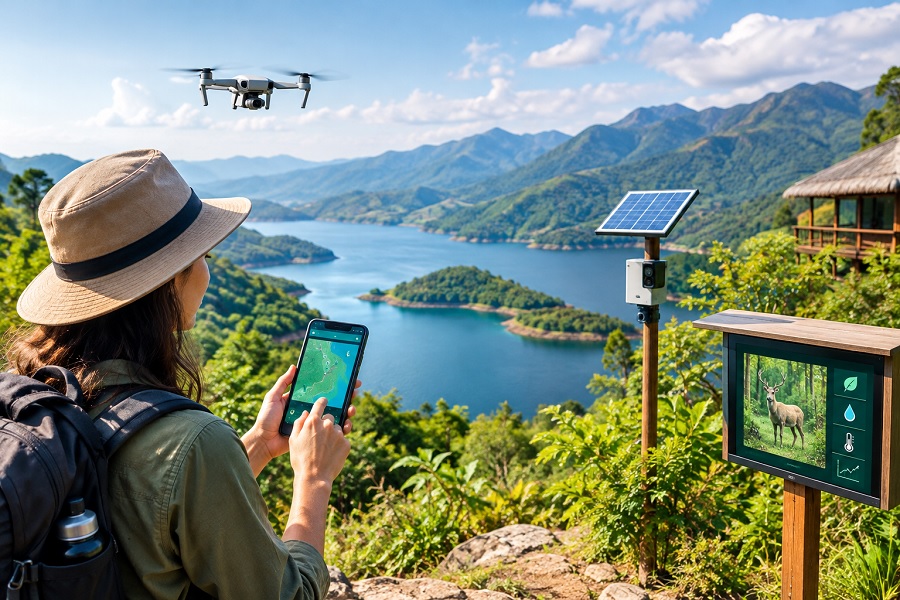
How AI and Smart Technology Are Supporting Ecotourism in 2026
Introduction
Ecotourism is becoming an important part of the travel industry as more travelers seek nature-based experiences that support environmental protection and local communities. In 2026, artificial intelligence (AI) and smart technology are helping tourism businesses, wildlife researchers, park authorities, and travelers make more informed and sustainable decisions.
From AI-powered wildlife monitoring to smart energy management in eco-resorts, modern technology offers new ways to protect natural habitats and improve visitor experiences. Digital maps, environmental sensors, smart booking platforms, and virtual nature education can help reduce pressure on sensitive destinations and encourage responsible travel.
However, technology alone cannot guarantee sustainable tourism. Its success depends on responsible planning, reliable information, wildlife protection, and meaningful participation from local communities.
1. Understanding AI and Smart Technology in Ecotourism
Ecotourism focuses on visiting natural areas responsibly, conserving biodiversity, and supporting local communities. AI and smart technology can help achieve these goals by improving environmental monitoring, managing resources, and supporting conservation decisions.
Artificial intelligence can analyze large amounts of information, identify patterns, and assist with planning. Smart technology includes connected sensors, GPS navigation, digital booking systems, satellite monitoring, and automated energy-management tools.
Together, these technologies can help tourism operators monitor visitor activity, reduce resource waste, improve environmental awareness, and manage nature-based travel more responsibly.
2. AI-Powered Wildlife Monitoring and Conservation
AI is creating new opportunities for wildlife research and conservation. Protected areas often cover large landscapes where animals are difficult to observe directly.
AI-assisted systems can analyze photographs from camera traps, help identify animal species, and examine wildlife activity patterns. Acoustic monitoring tools can also assist researchers in studying bird calls and other animal sounds.
These technologies can support conservation by helping teams monitor biodiversity, identify changes in animal activity, and prioritize field inspections. They can also assist researchers in understanding habitat conditions over time.
Sensitive wildlife data must be protected. Publicly revealing the locations of endangered animals could increase disturbance or poaching risks, so conservation information should be shared carefully.
3. Smart Visitor Management in National Parks
Popular national parks, forests, and nature reserves may experience overcrowding during holidays and peak travel seasons. Too many visitors can increase traffic, litter, noise, and pressure on fragile habitats.
Smart booking platforms and digital visitor-management systems can help authorities manage reservations, organize entry time slots, and communicate important updates. Where appropriate, these systems can also provide information about trail closures, weather conditions, and restricted areas.
Better visitor management can reduce congestion, improve the visitor experience, and help park authorities enforce limits based on environmental conditions.
Technology should support scientifically established visitor limits rather than encourage unlimited tourism in protected areas.
4. AI-Powered Eco-Friendly Travel Planning
AI-powered travel-planning tools can help travelers organize nature-based holidays more efficiently. These systems may suggest itineraries, compare transportation options, identify local experiences, and provide information about sustainable accommodation.
For example, someone planning a forest holiday may use digital tools to discover authorized hiking routes, find locally operated homestays, and compare public transportation options.
Such tools can also help travelers understand local conservation rules and prepare for seasonal conditions.
However, travelers should verify environmental claims before booking. A business should not automatically be considered sustainable simply because its website or travel application describes it as eco-friendly.
5. Smart Sensors for Environmental Protection
Environmental monitoring is essential for protecting ecosystems. Smart sensors can collect information about water quality, temperature, humidity, air quality, and soil moisture.
In ecotourism destinations, this information can help researchers and tourism managers identify environmental changes and make informed decisions.
For example, water-monitoring systems can help detect changes in lakes and rivers, while soil-moisture sensors can support efficient irrigation in restoration projects.
Smart environmental monitoring is most effective when combined with regular field inspections, reliable equipment, and scientific interpretation of the collected data.
6. Smart Energy Management in Eco-Resorts
Eco-resorts and nature lodges can use smart technology to manage electricity consumption more efficiently. Smart thermostats, automated lighting, occupancy sensors, and energy-monitoring systems can help reduce unnecessary energy use.
AI-based energy systems may analyze consumption patterns and adjust lighting, cooling, and other equipment according to occupancy and environmental conditions.
Important benefits include:
- Reducing unnecessary electricity consumption.
- Supporting renewable energy integration.
- Improving the efficiency of heating and cooling systems.
- Identifying equipment that uses excessive energy.
- Helping businesses monitor their environmental performance.
These systems are most effective when combined with energy-efficient buildings, renewable power, and responsible resource management. AI applications in tourism are increasingly being explored for improving operational efficiency and reducing waste.
7. Digital Waste Management and Plastic Reduction
Waste management is a major challenge in forests, mountains, coastal destinations, and remote tourist locations. Smart waste-management systems can help tourism operators monitor waste collection and reduce unnecessary transportation.
Sensors installed in waste bins can indicate when containers need to be emptied. Digital dashboards can help businesses track waste production and identify opportunities to reduce disposable packaging.
Ecotourism destinations can combine smart technology with practical environmental measures, including:
- Providing separate bins for recyclable and organic waste.
- Reducing single-use plastic products.
- Encouraging reusable water bottles.
- Composting suitable food waste.
- Working with local recycling services.
The objective should be to prevent waste at its source rather than depend entirely on collection and recycling.
8. GPS Navigation and Smart Nature Trails
GPS-enabled maps and mobile applications help travelers locate authorized walking trails, visitor centres, viewpoints, and nearby facilities.
Digital nature trails can also provide information about native plants, bird species, geological features, and local conservation programmes. QR codes at designated visitor points can deliver educational information without requiring extensive printed materials.
These tools can improve navigation while encouraging visitors to remain on permitted routes.
Travelers should follow official trail markers, download offline maps where necessary, and respect restricted areas. Digital navigation should support conservation rules rather than override them.
9. Virtual Reality and Augmented Reality for Nature Education
Virtual reality (VR) and augmented reality (AR) are making environmental education more interactive. VR can introduce visitors to distant ecosystems, while AR can display digital information about plants, wildlife, and natural landmarks.
These technologies can be useful for:
- Teaching students about biodiversity.
- Explaining the importance of endangered species.
- Supporting nature interpretation centres.
- Demonstrating changes in ecosystems.
- Providing educational alternatives to visiting sensitive habitats.
AR and other immersive technologies can improve engagement with tourism experiences, although their environmental benefits depend on how they are designed and used.
10. AI for Weather Forecasting and Climate Awareness
Weather conditions can affect the safety and sustainability of ecotourism activities. Heavy rainfall, heatwaves, forest fires, floods, and landslides can disrupt travel and threaten natural environments.
AI-assisted analysis and environmental monitoring can help support forecasting, risk assessment, and emergency planning. Tourism operators can use official weather alerts and local authority guidance to adjust itineraries, inform visitors, and suspend activities when necessary.
Responsible preparation includes checking weather forecasts, carrying suitable equipment, following safety instructions, and avoiding dangerous trails during severe conditions.
AI tools should complement established forecasting services and expert decisions rather than replace them.
11. Supporting Local Communities Through Digital Platforms
Ecotourism should generate economic opportunities for people who live near natural destinations. Digital platforms can help travelers discover local guides, community-run homestays, traditional crafts, and locally prepared food.
AI-powered translation tools can also help visitors communicate with residents and understand regional traditions.
Community-focused platforms can support:
- Direct bookings with local accommodation providers.
- Promotion of locally guided nature walks.
- Greater visibility for traditional artisans.
- Digital payments and reservation management.
- Promotion of community-led conservation activities.
Fair commissions, transparent business practices, data privacy, and local participation are essential to ensure that technology benefits communities rather than simply increasing outside commercial profits. Research on smart ecotourism also emphasizes cooperation among governments, tourism operators, and local stakeholders.
12. Smart Water Conservation
Water is a valuable resource in many ecotourism destinations, particularly islands, mountain settlements, dry regions, and areas affected by seasonal drought.
Smart water meters and leak-detection systems can help hotels and eco-resorts identify excessive consumption. Soil-moisture sensors can improve irrigation efficiency, while monitoring systems can help operators track water usage.
Other useful measures include rainwater harvesting where suitable, water-efficient fixtures, and responsible wastewater treatment.
These practices can reduce pressure on local water supplies and help protect the needs of residents and surrounding ecosystems.
13. Electric Mobility and Smart Transportation
Transportation can contribute significantly to the environmental impact of tourism. Digital mobility platforms can help travelers find public transport, shared shuttles, cycling routes, and other lower-impact travel options.
In appropriate destinations, smart booking systems can coordinate shuttle services and reduce unnecessary vehicle movements near protected areas.
Potential benefits include:
- Reduced traffic congestion.
- Better coordination of visitor transfers.
- Easier access to public transport information.
- Lower local air pollution when cleaner vehicles replace conventional vehicles.
- Improved planning for walking and cycling activities.
Electric vehicles are not impact-free. Their overall environmental performance depends on electricity generation, manufacturing, vehicle use, and local conditions.
14. Data Analytics for Sustainable Tourism Management
Tourism authorities need reliable information to understand how visitor activities affect natural areas. Data analytics can help organize information from bookings, visitor counters, environmental sensors, and visitor surveys.
AI-assisted analysis may identify seasonal travel patterns, periods of overcrowding, and changes in resource consumption. Managers can use these findings to assess whether adjustments to visitor schedules, transportation, staffing, or conservation programmes are necessary.
However, visitor data must be collected responsibly. Personal information should be protected, and environmental decisions should be based on scientific evidence rather than automated recommendations alone.
15. Challenges of AI in Ecotourism
Despite its potential benefits, using AI and smart technology in ecotourism presents several challenges.
High implementation costs: Sensors, software, connectivity, and maintenance can be expensive for small tourism businesses.
Limited internet connectivity: Remote forests, mountains, and rural destinations may have unreliable network coverage.
Privacy concerns: Location tracking and personal travel data can create risks if not properly managed.
Energy and resource consumption: Digital infrastructure requires electricity, equipment, and materials.
Inaccurate information: Faulty sensors, incomplete data, and unreliable AI recommendations can lead to poor decisions.
Unequal access: Small community-based businesses may lack the funds or training required to adopt advanced technology.
Greenwashing: Businesses may promote themselves as environmentally friendly without credible evidence.
Addressing these challenges requires staff training, transparent sustainability claims, appropriate technology, reliable maintenance, and strong privacy safeguards.
16. Best Practices for Responsible AI-Powered Ecotourism
Tourism businesses and destination managers can follow these practices to ensure technology supports genuine environmental improvements.
1. Select technologies that address specific conservation or operational needs.
2. Measure environmental performance before and after implementation.
3. Protect sensitive wildlife locations and personal information.
4. Involve local communities in planning and decision-making.
5. Use energy-efficient equipment and renewable power where practical.
6. Keep conservation specialists involved in important decisions.
7. Verify environmental claims with credible evidence.
8. Make digital tools accessible to travelers with different needs.
9. Follow protected-area regulations and local environmental guidelines.
10. Review technology regularly to confirm that its benefits justify its costs.
17. The Future of AI and Smart Ecotourism in India
India's diverse natural landscapes, including the Himalayas, Western Ghats, forests, wetlands, deserts, and coastal ecosystems, offer many opportunities for responsible nature-based tourism.
AI and smart technology could support wildlife monitoring, improve visitor management, strengthen environmental education, and help local businesses reach travelers. Digital platforms may also make it easier for visitors to discover community-based tourism and understand conservation requirements.
Successful implementation will require cooperation among tourism businesses, government agencies, researchers, conservation organizations, and local communities.
The future of ecotourism should not be measured only by visitor numbers or technological sophistication. Important indicators include biodiversity protection, efficient resource use, local economic benefits, wildlife welfare, and reduced pressure on natural habitats.
Conclusion
AI and smart technology are creating new opportunities to support ecotourism in 2026. Wildlife monitoring, smart visitor management, energy efficiency, digital navigation, and environmental education are examples of how technology can contribute to more responsible travel.
Nevertheless, technology must remain a tool for supporting conservation rather than an end in itself. Reliable data, responsible planning, community participation, and protection of natural habitats are essential for lasting results.
By combining innovation with practical environmental action, ecotourism destinations can offer meaningful travel experiences while helping preserve nature for future generations.