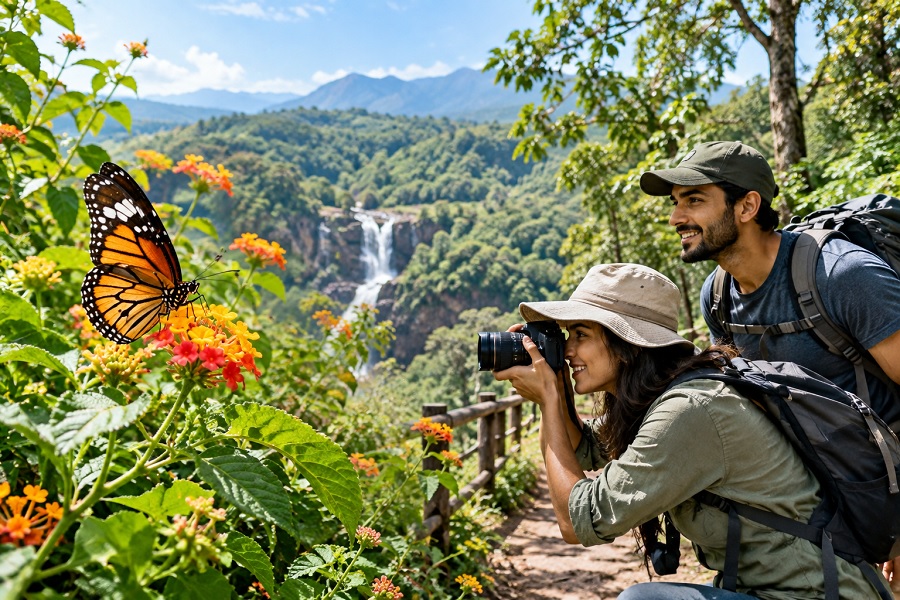
Smart Ecotourism in India: How Digital Technology Is Transforming Wildlife Conservation
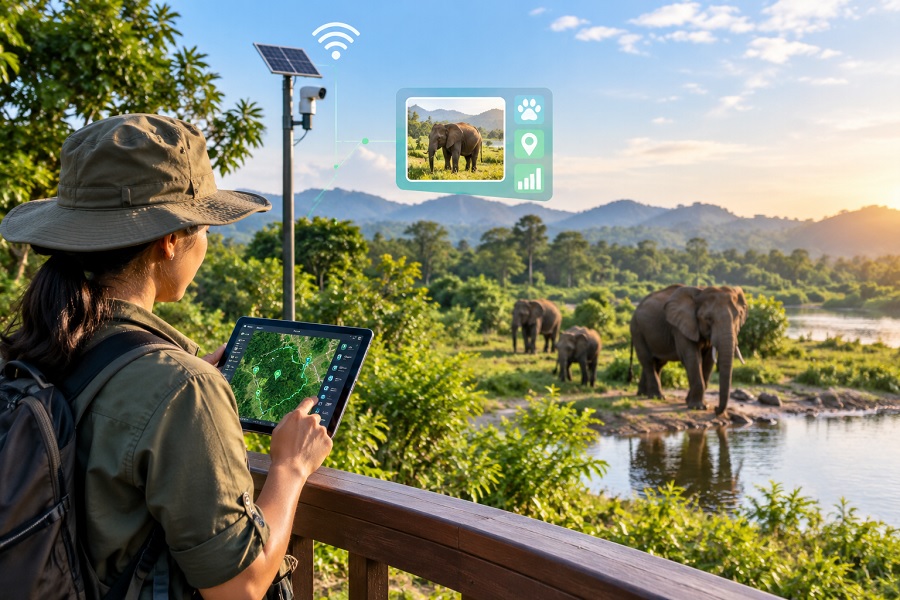
Smart Ecotourism Destinations: Digital Tools for Wildlife and Visitor Management
Introduction
Ecotourism is evolving as technology creates new ways to protect wildlife, conserve natural habitats, and improve visitor experiences. Smart ecotourism destinations combine environmental conservation with digital tools to help national parks, wildlife sanctuaries, nature reserves, and eco-friendly tourism sites manage visitors more responsibly.
From digital entry permits and online booking systems to wildlife monitoring sensors and interactive nature maps, modern technology can help tourism authorities understand visitor movement, reduce overcrowding, and protect sensitive ecosystems. When implemented carefully, these tools can support sustainable tourism while allowing travellers to explore natural destinations with greater awareness and convenience.
Smart ecotourism is not simply about introducing technology into nature. Its main purpose is to use digital solutions in ways that support conservation, respect local communities, and minimise environmental damage.
What Are Smart Ecotourism Destinations?
Smart ecotourism destinations are natural tourism areas that use digital systems, data, and connected technologies to manage tourism activities and environmental resources more effectively.
These destinations may include national parks, forest reserves, wetlands, coastal ecosystems, mountain trails, and community-managed conservation areas.
Technology can help destination managers monitor visitor numbers, provide real-time travel information, identify environmental risks, and communicate conservation guidelines. For example, an online booking platform can limit the number of daily visitors to a sensitive nature trail, while a digital map can guide tourists along designated walking routes.
The goal is to create a balance between tourism development and the long-term protection of biodiversity.
Digital Tools Used in Smart Ecotourism
1. Smart Visitor Management Systems
Digital visitor management systems help tourism authorities monitor bookings, entry permits, visitor numbers, and time slots. These platforms can distribute visitors across different areas or time periods to reduce congestion at popular attractions.
For example, a wildlife reserve may use advance online reservations to control safari capacity and prevent excessive traffic on sensitive routes. Visitor data can also help managers plan staffing, transport, sanitation, and maintenance.
2. GPS-Based Nature Maps and Digital Trails
GPS-enabled maps help travellers navigate forests, nature parks, trekking routes, and wildlife viewing areas. Digital trails can provide information about nearby plants, animals, geological features, and conservation rules.
These maps can also highlight restricted zones, designated paths, emergency contacts, and areas where visitors should avoid making noise.
To protect sensitive habitats, public maps should not reveal precise locations of endangered animals or vulnerable nesting sites.
3. Wildlife Monitoring Sensors and Camera Traps
Camera traps, acoustic sensors, GPS tracking devices, and other monitoring technologies can help trained researchers study wildlife movement and habitat use.
For example, camera traps can record animal activity without requiring researchers to remain physically present throughout the day. Acoustic monitoring can help identify certain bird species or detect changes in wildlife activity.
These tools can support conservation planning, but they should be used under appropriate scientific, ethical, and wildlife-protection guidelines.
4. Artificial Intelligence for Environmental Monitoring
Artificial intelligence can analyse large amounts of information from camera traps, environmental sensors, satellite imagery, and visitor management systems.
It may help researchers classify wildlife images, identify unusual patterns, monitor habitat changes, and detect potential environmental risks. Predictive systems can also assist managers in anticipating visitor pressure during busy periods.
AI outputs should be checked by qualified professionals, particularly when decisions could affect wildlife protection or visitor safety.
5. Real-Time Visitor Information Platforms
Mobile applications and official websites can provide information about weather conditions, trail closures, safari schedules, visitor limits, and conservation guidelines.
Timely updates help travellers make informed decisions and reduce unnecessary journeys to unavailable or overcrowded areas.
Destinations with limited mobile connectivity should also provide offline maps, printed information, and clear physical signboards.
6. Drones and Satellite Monitoring
Where legally permitted, drones can help trained conservation teams survey large areas, assess habitat damage, or monitor certain environmental changes. Satellite imagery can support forest-cover assessment, land-use monitoring, and the identification of changes in natural landscapes.
Drone use around wildlife requires particular caution because noise and close approaches may cause disturbance. Protected-area regulations and relevant aviation rules must always be followed.
Benefits of Digital Wildlife and Visitor Management
Better Wildlife Conservation
Digital monitoring can help researchers understand animal movement, identify habitat changes, and gather information needed for conservation programmes. This information can support better-informed management decisions.
Reduced Overcrowding
Online permits, visitor counters, and timed entry systems can help manage visitor numbers at sensitive destinations. Better distribution of visitors may reduce pressure on trails, water resources, and wildlife habitats.
Improved Visitor Safety
Digital alerts, weather updates, emergency contact systems, and route information can help visitors prepare for changing conditions. These systems are especially valuable in remote forests, mountain parks, and coastal nature reserves.
More Efficient Destination Operations
Digital records can help managers understand peak visiting periods, plan staff requirements, schedule maintenance, and manage facilities more efficiently.
Greater Environmental Awareness
Interactive guides, digital interpretation boards, and educational applications can explain local biodiversity, responsible behaviour, and the importance of protecting natural ecosystems.
Examples of Smart Ecotourism Applications in India
India's diverse landscapes provide many opportunities to apply digital tools to nature tourism and conservation management.
National parks and tiger reserves: Digital booking systems, route monitoring, and camera traps can support visitor regulation and wildlife research, subject to the rules of each protected area.
Bird sanctuaries and wetlands: Digital bird guides, acoustic monitoring, and visitor counters can support birdwatching experiences while helping managers understand visitor pressure.
Coastal and marine destinations: Digital information platforms can explain reef protection, responsible boating, turtle conservation, and restrictions around sensitive coastal habitats.
Mountain and forest trails: GPS maps, weather alerts, trail information, and emergency communication systems can help visitors follow designated routes and prepare for changing conditions.
Community-managed nature destinations: Online booking, digital payments, local guide directories, and interpretation tools can help community enterprises reach visitors while retaining local control over tourism activities.
These are practical applications of smart ecotourism technology, rather than a claim that every destination currently uses all these systems.
Challenges of Smart Ecotourism Technology
Despite its advantages, digital tourism management has several challenges.
High implementation costs: Sensors, software, connectivity, and equipment maintenance can be expensive.
Limited connectivity: Remote forests and mountain regions may not have reliable mobile networks or electricity.
Wildlife disturbance: Poorly managed drones, lighting, tracking devices, and human activity can disturb animals.
Data privacy: Visitor information and location records should be collected only when necessary and protected appropriately.
Technology dependence: Systems can fail because of power outages, network problems, equipment damage, or software errors.
Digital accessibility: Not all travellers have smartphones, reliable internet access, or the skills needed to use digital services.
Staff training: Park managers, guides, and local communities need appropriate training to use and maintain digital systems.
A balanced approach combines technology with trained staff, local knowledge, clear rules, and traditional conservation practices.
Future Trends in Smart Ecotourism
The future of smart ecotourism may involve more advanced environmental monitoring, AI-assisted wildlife research, digital visitor permits, and improved forecasting of tourism pressure.
Offline-first travel applications could make digital information more accessible in remote destinations. Better integration of visitor data and conservation monitoring may help authorities identify areas that require restoration or stricter visitor limits.
Virtual reality and interactive digital guides could also help people learn about fragile ecosystems without increasing physical pressure on sensitive sites.
However, technology should remain a supporting tool. Conservation outcomes depend on sound environmental policies, responsible tourism operators, scientific evidence, adequate funding, and meaningful participation by local communities.
Tips for Travellers Visiting Smart Ecotourism Destinations
Book entry permits through official destination websites whenever required.
Follow designated trails and respect restricted wildlife zones.
Use digital maps responsibly and carry offline information where connectivity is limited.
Follow instructions from park officials and authorised guides.
Avoid disturbing animals with drones, flash photography, loud sounds, or close approaches.
Do not share sensitive wildlife location information publicly.
Carry reusable water bottles and dispose of waste responsibly.
Support local guides, community businesses, and conservation initiatives.
Respect privacy notices and rules governing photography and visitor data.
Check weather alerts, travel advisories, and local regulations before departure.
Conclusion
Smart ecotourism destinations demonstrate how digital technology can contribute to responsible wildlife protection and visitor management. From online permits and GPS-based trails to camera traps, environmental sensors, and AI-assisted monitoring, these tools can help destination managers make better-informed decisions.
Successful implementation requires more than advanced equipment. Technology must be reliable, accessible, ethically managed, and appropriate for the natural environment in which it operates.
By combining digital innovation with scientific conservation, responsible travel practices, and community participation, smart ecotourism can help protect India's natural heritage while creating more informative and sustainable experiences for visitors.