Butterfly Tourism: Best Destinations to Explore Colourful Butterfly Habitats
Butterfly Tourism: Discovering Colourful Butterfly Habitats
Introduction
Butterfly tourism is an emerging form of nature-based tourism that allows travellers to explore colourful butterfly habitats, observe different butterfly species, and learn about biodiversity and environmental conservation. From tropical forests and botanical gardens to butterfly parks and nature reserves, these destinations offer memorable experiences for nature lovers, photographers, families, students, and wildlife enthusiasts.
Butterflies play an important role in ecosystems by supporting pollination and serving as indicators of environmental health. Butterfly tourism encourages people to appreciate these delicate creatures while understanding the importance of protecting their natural habitats.
What Is Butterfly Tourism?
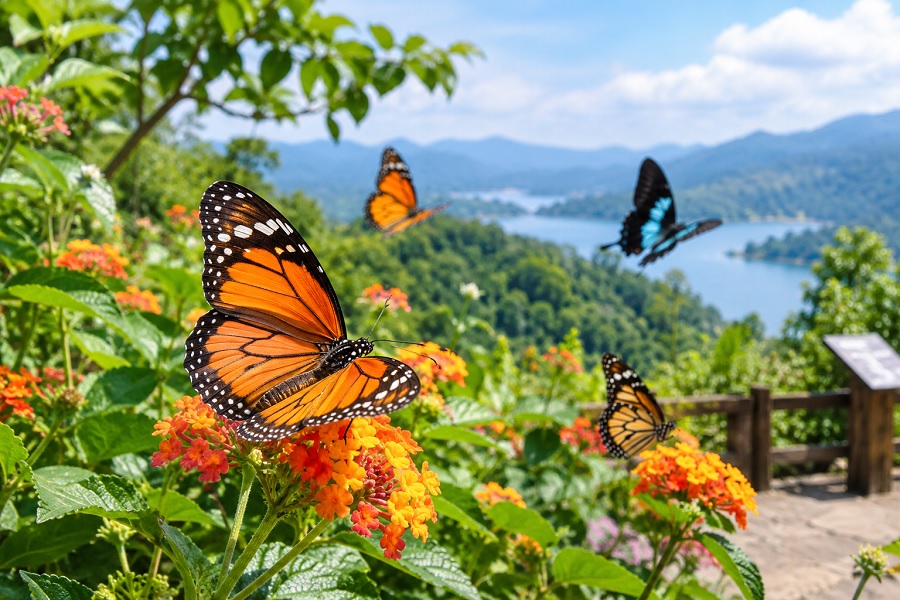
Butterfly tourism involves visiting destinations where butterflies can be observed in their natural surroundings or carefully managed conservation environments. Activities may include guided nature walks, butterfly watching, wildlife photography, educational tours, and visits to butterfly gardens.
Unlike traditional sightseeing, this type of tourism focuses on discovering small details of nature and understanding the relationships between butterflies, plants, forests, and the wider ecosystem.
Best Destinations for Butterfly Tourism
1. Butterfly Gardens and Parks
Butterfly gardens provide opportunities to observe different species in environments containing nectar-producing flowers and suitable host plants. These gardens are excellent destinations for families, students, and beginners who want to learn about butterfly life cycles and behaviour.
2. Tropical Rainforests
Tropical rainforests support a wide variety of butterfly species because of their warm climate, diverse vegetation, and abundant food sources. Guided rainforest walks allow visitors to explore butterfly habitats while learning about the importance of forest conservation.
3. Western Ghats, India
The Western Ghats are known for their rich biodiversity and diverse natural habitats. Forests, grasslands, and flowering plants in this region provide suitable environments for many butterfly species. Nature enthusiasts can explore selected trails and protected areas with responsible local guides.
4. Sikkim and the Eastern Himalayas
The Eastern Himalayan region offers varied landscapes, from forests to mountain valleys, that support diverse insect life. Seasonal nature walks can provide opportunities to observe butterflies alongside other wildlife and appreciate the region's ecological richness.
5. Butterfly Conservation Centres
Specialised butterfly parks and conservation centres can help visitors understand butterfly breeding, habitat restoration, and the importance of native plants. Visitors should choose facilities that prioritise animal welfare, conservation, and education.
Popular Activities in Butterfly Tourism
Butterfly watching: Observe butterflies in gardens, forests, meadows, and nature reserves.
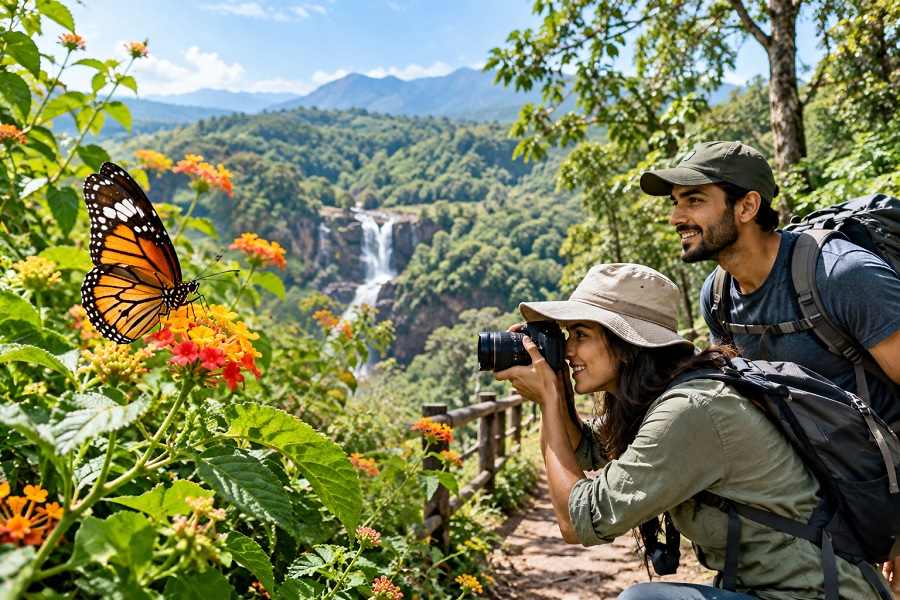
Nature photography: Capture butterfly colours, wing patterns, and natural behaviour without disturbing them.
Guided eco-tours: Learn about local butterfly species, host plants, and habitats from trained guides.
Educational workshops: Understand the butterfly life cycle, including egg, caterpillar, chrysalis, and adult stages.
Nature walks: Explore flowering landscapes and learn how plants support butterflies and other pollinators.
Conservation activities: Participate in suitable habitat restoration and native-plant gardening projects organised by conservation groups.
Best Time for Butterfly Tourism
The best time for butterfly watching depends on the destination, local climate, rainfall, and seasonal flowering patterns. Butterflies are often easier to spot during warm, relatively calm conditions when they are active and feeding.
In many parts of India, the post-monsoon and spring seasons can offer rewarding opportunities, although the ideal period varies by region and species. Travellers should check local butterfly activity reports before planning a visit.
Early mornings can be productive for nature walks, especially when weather conditions are favourable. Visitors should avoid assuming that every destination will have large numbers of butterflies throughout the year.
Benefits of Butterfly Tourism
1. Environmental Awareness
Butterfly tourism helps visitors understand the value of biodiversity and the importance of protecting forests, grasslands, wetlands, and flowering plants.
2. Support for Local Communities
Responsible butterfly tours can create opportunities for local guides, homestays, transport providers, nature educators, and small businesses.
3. Educational Experiences
Students and families can learn about insect biology, pollination, food chains, and the effects of habitat loss through practical observation.
4. Nature Photography Opportunities
Butterflies offer opportunities for close-up photography, helping visitors appreciate their colours, patterns, and behaviour while developing an interest in wildlife conservation.
5. Sustainable Travel
When organised responsibly, butterfly tourism can encourage low-impact outdoor recreation and generate support for protecting natural areas.
How to Practise Responsible Butterfly Tourism
Butterflies are delicate insects, and their habitats can be easily damaged by careless tourism. Visitors should follow these responsible travel practices:
Observe butterflies without touching, catching, or chasing them.
Stay on designated trails and follow the instructions of local guides.
Avoid picking flowers or damaging plants that provide food and shelter.
Never use flash photography if it disturbs wildlife or violates site rules.
Do not leave plastic, food waste, or other litter in natural areas.
Avoid using pesticides or introducing non-native plants into butterfly habitats.
Choose ethical tour operators that support conservation and local communities.
Follow the rules of national parks, sanctuaries, and other protected areas.
Butterfly Tourism and Conservation
Habitat destruction, pesticide use, pollution, and climate change can threaten butterfly populations. Butterfly tourism can contribute to conservation when tourism income supports habitat protection, environmental education, scientific research, and community-led initiatives.
Planting native flowering plants and caterpillar host plants is one practical way to create more suitable habitats. Local conservation organisations may also conduct butterfly surveys and citizen-science activities that help improve knowledge of butterfly distribution and seasonal behaviour.
However, tourism alone cannot protect butterfly populations. Long-term conservation also requires scientific monitoring, responsible land management, reduced pollution, and the preservation of connected natural habitats.
Tips for Planning a Butterfly-Watching Trip
Before travelling, research the destination's butterfly species, seasonal conditions, entry requirements, and available guided tours. Carry binoculars or a camera with a suitable lens, wear comfortable clothing, and bring drinking water and sun protection.
Choose accommodation and tour providers that respect local ecosystems. If visiting a protected area, check its official visitor guidelines and avoid disturbing wildlife for photographs.
Travellers should also keep realistic expectations. Butterfly sightings depend on weather, season, habitat quality, and natural population changes.
Future of Butterfly Tourism
Butterfly tourism has potential to grow alongside ecotourism, wildlife photography, educational travel, and community-based conservation. Digital field guides, biodiversity apps, and citizen-science platforms may make it easier for travellers to identify species and contribute observations to research projects.
The future of this tourism segment will depend on balancing visitor experiences with habitat protection. Destinations that invest in native vegetation, environmental education, responsible guiding, and local participation can offer meaningful nature experiences while helping safeguard biodiversity.
Conclusion
Butterfly tourism offers a colourful and educational way to discover nature. From butterfly gardens and tropical forests to the biodiverse landscapes of the Western Ghats and the Eastern Himalayas, these experiences help travellers appreciate the beauty and ecological importance of butterflies.
By choosing responsible tours, respecting wildlife, and supporting habitat conservation, visitors can enjoy butterfly watching while contributing to a more sustainable tourism industry. Protecting butterfly habitats today helps preserve these remarkable species and the ecosystems on which they depend.










Top News
India?s economic catch-up over past decade worth celebrating: Top Economist