Agro-Ecotourism: Discovering Organic Farming, Rural Life and Sustainable Agricultural Experiences
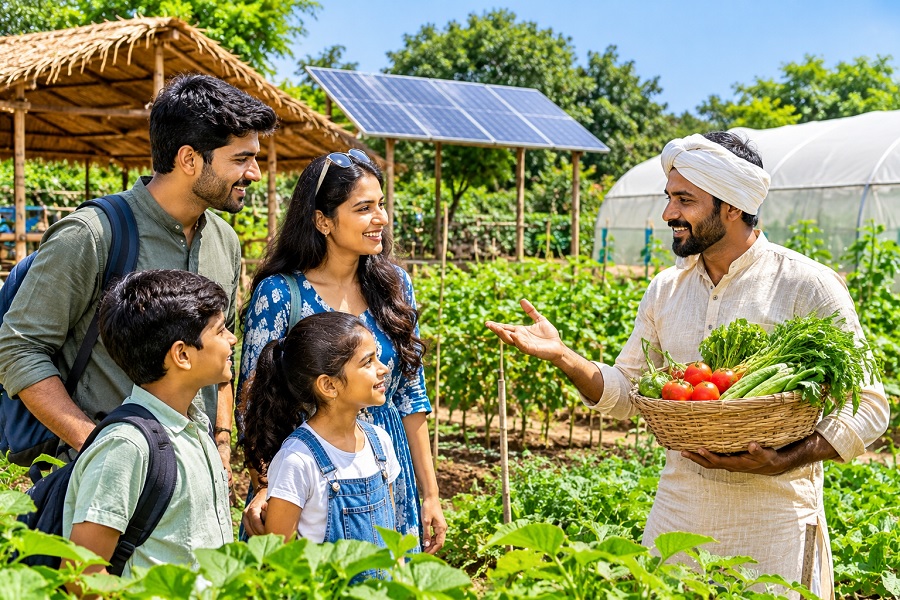
Agro-Ecotourism: Exploring Organic Farms and Sustainable Agriculture
Agro-Ecotourism is an emerging form of sustainable tourism that combines agricultural activities, nature conservation and rural travel experiences. It allows visitors to explore organic farms, understand traditional farming methods, participate in agricultural activities and experience the lifestyle of rural communities. This type of tourism creates opportunities for travellers to connect with nature while learning about sustainable food production and environmentally responsible agriculture.
With increasing awareness of organic food, environmental protection and sustainable living, agro-ecotourism is gaining attention among travellers. It provides an opportunity to experience farm life, discover local agricultural traditions and understand the importance of protecting natural resources.
1. Exploring Organic Farms
Organic farms are important attractions in agro-ecotourism. These farms follow agricultural practices that minimise the use of synthetic chemical fertilisers and pesticides while promoting soil health and biodiversity.
Visitors can explore organic vegetable gardens, fruit plantations, herb farms and traditional agricultural fields. They can also learn how farmers produce healthy crops using environmentally responsible techniques.
2. Experiencing Sustainable Agriculture
Sustainable agriculture focuses on producing food while protecting soil, water, biodiversity and natural ecosystems. Agro-ecotourism introduces visitors to agricultural practices that support long-term environmental health.
Tourists can learn about crop rotation, composting, natural pest management, water conservation and responsible land management. These experiences help travellers understand how agriculture can contribute to environmental sustainability.
3. Farm Stay Tourism
Farm stays offer visitors an opportunity to experience rural accommodation surrounded by agricultural landscapes. Guests can stay in farmhouses, eco-friendly cottages and traditional village homes.
These stays provide opportunities to enjoy peaceful surroundings, fresh farm produce, traditional meals and local hospitality. Farm stays are particularly attractive to families, couples, nature lovers and travellers looking for peaceful holidays.
4. Organic Fruit and Vegetable Harvesting
Fruit and vegetable harvesting is an interesting activity offered by many agricultural tourism destinations. Visitors can participate in seasonal harvesting activities under the guidance of farmers.
Depending on the farm and season, tourists may experience:
Fruit picking from orchards
Vegetable harvesting
Herb collection
Traditional crop harvesting
Learning about seasonal farming
These activities provide practical knowledge about food production and agricultural traditions.
5. Traditional Farming Experiences
Traditional farming methods represent an important part of rural cultural heritage. Agro-ecotourism allows visitors to understand how farming communities have developed agricultural practices over generations.
Tourists can observe traditional tools, seed preservation methods, irrigation techniques and indigenous crop varieties. Such experiences help preserve agricultural knowledge and promote appreciation for rural lifestyles.
6. Farm-to-Table Food Experiences
Farm-to-table tourism connects agricultural production with local food experiences. Visitors can enjoy meals prepared using fresh vegetables, fruits, grains and other ingredients sourced directly from farms.
Some farm tourism destinations organise cooking demonstrations and traditional food preparation activities. These experiences introduce travellers to regional cuisines while supporting local farmers and food producers.
7. Dairy Farming and Animal Care Tourism
Some agro-ecotourism destinations offer educational experiences related to dairy farming and responsible animal care.
Visitors can learn about cattle management, milk production, animal feeding, farm hygiene and traditional dairy products. Farms should ensure that animal welfare remains a priority and that visitor activities do not disturb livestock.
8. Beekeeping and Honey Production Experiences
Beekeeping is an interesting activity connected with sustainable agriculture and biodiversity conservation. Bees play an important role in pollination and maintaining healthy ecosystems.
Visitors can learn about beekeeping, honey production, pollinator protection and the importance of maintaining flowering plants. Guided demonstrations can also explain how responsible beekeeping supports agricultural productivity.
9. Rural Village and Community-Based Tourism
Agro-ecotourism supports rural communities by encouraging visitors to explore village life and local traditions.
Travellers can interact with farmers, visit traditional houses, discover regional handicrafts and understand local agricultural customs. Community-based tourism also creates opportunities for local employment and additional income for rural households.
10. Water Conservation and Rainwater Harvesting
Water conservation is an essential part of sustainable agriculture. Farms can introduce visitors to rainwater harvesting, drip irrigation, farm ponds and other water-efficient practices.
These activities demonstrate how farmers can manage limited water resources and improve agricultural productivity while reducing unnecessary water consumption.
11. Composting and Natural Fertiliser Production
Composting is an important sustainable farming practice that converts organic waste into nutrient-rich material for soil improvement.
Visitors can observe how agricultural residues, dry leaves and kitchen waste are converted into compost. Farms may also demonstrate vermicomposting and other natural soil enrichment techniques.
These educational activities encourage responsible waste management and environmentally friendly gardening practices.
12. Educational Farm Tourism for Students
Agro-ecotourism provides valuable learning opportunities for students and educational groups. Farm visits help children understand agriculture, food production, biodiversity and environmental conservation.
Educational activities may include:
Understanding seed germination
Learning about soil health
Exploring vegetable gardens
Observing pollinators
Understanding organic farming
Participating in supervised plantation activities
These experiences connect classroom learning with practical knowledge.
13. Biodiversity Conservation on Farms
Sustainable farms can support biodiversity by protecting native plants, pollinators, birds and beneficial insects. Agro-ecotourism introduces visitors to the relationship between agricultural landscapes and natural ecosystems.
Farmers can encourage biodiversity through native vegetation, mixed cropping, hedgerows, water conservation and reduced chemical use. These practices help maintain healthier agricultural environments.
14. Seasonal Agricultural Tourism
Seasonal agricultural activities create different experiences throughout the year. Visitors can plan farm holidays according to harvesting seasons, flowering periods and regional agricultural festivals.
Examples include:
Mango harvesting experiences
Strawberry farm visits
Tea and coffee plantation tourism
Rice cultivation experiences
Grape harvesting activities
Seasonal vegetable farming
These experiences allow travellers to discover the agricultural identity of different destinations.
15. Agro-Ecotourism Opportunities in India
India offers excellent opportunities for agro-ecotourism because of its diverse agricultural landscapes, traditional farming communities and regional food cultures.
Popular destinations and regions for agricultural experiences include:
Maharashtra: Grape farms, sugarcane farms and rural agricultural experiences.
Kerala: Spice plantations, coconut farms and organic farming experiences.
Karnataka: Coffee plantations, horticulture farms and rural tourism.
Himachal Pradesh: Apple orchards and mountain farming experiences.
Sikkim: Organic farming and sustainable agricultural landscapes.
Punjab: Traditional agricultural experiences and farm stays.
Rajasthan: Desert agriculture and traditional water conservation practices.
Tamil Nadu: Tea plantations, vegetable farms and traditional farming experiences.
16. Economic Benefits for Rural Communities
Agro-ecotourism can create additional income opportunities for farmers and rural households. Farm accommodation, guided tours, local food services, agricultural workshops and handicraft sales can support rural entrepreneurship.
It also encourages visitors to purchase locally produced goods and agricultural products. This helps strengthen connections between tourism, farming and local economic development.
17. Sustainable Practices in Agro-Ecotourism
Environmental responsibility is essential for the long-term success of agro-ecotourism. Farms and tourism operators can adopt sustainable practices such as:
Promoting organic and low-impact farming methods.
Conserving water and protecting soil.
Reducing single-use plastic.
Using renewable energy where practical.
Supporting local farmers and artisans.
Protecting native plants and wildlife.
Managing visitor numbers responsibly.
Reducing food waste and encouraging composting.
These measures help maintain the natural and agricultural environment while improving visitor experiences.
18. Future of Agro-Ecotourism
The future of agro-ecotourism is closely connected with growing interest in sustainable travel, organic food, rural experiences and environmental education.
Digital farm tours, agricultural workshops, eco-friendly accommodation and community-based travel programmes may create new opportunities for tourism development. Partnerships between farmers, local authorities and tourism businesses can also help improve infrastructure and promote rural destinations.
Conclusion
Agro-Ecotourism: Exploring Organic Farms and Sustainable Agriculture represents an important opportunity to connect tourism with farming, nature conservation and rural development. From organic farm visits and fruit harvesting to farm stays, traditional food experiences and biodiversity education, it offers meaningful activities for visitors of different age groups.
By supporting local farmers, encouraging sustainable agricultural practices and promoting responsible travel, agro-ecotourism can contribute to rural economic development and environmental protection. As interest in nature-based and experiential holidays continues to grow, agro-ecotourism has strong potential to become an important part of India's sustainable tourism sector.