Birdwatching Tourism: Discovering Rare Migratory Birds and Sustainable Nature Experiences
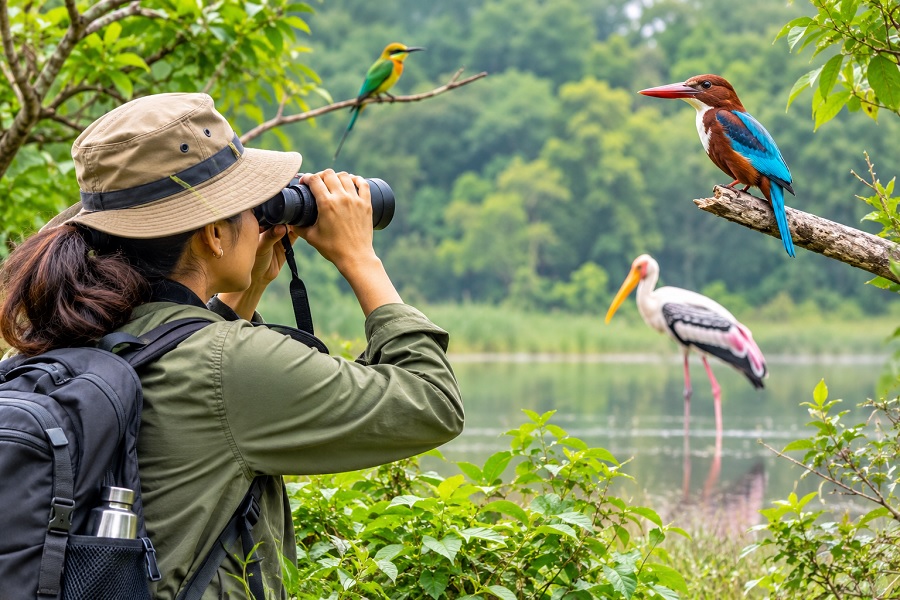
Birdwatching Ecotourism: Discovering Rare Birds and Natural Habitats
Focus Keyword: Birdwatching Ecotourism
Target Audience: Birdwatchers, nature lovers, wildlife photographers, environmental enthusiasts, families, and eco-conscious travellers.
Related Keywords: Birdwatching Tourism, Rare Bird Species, Bird Conservation, Wildlife Tourism, Natural Habitats, Bird Photography, Sustainable Nature Travel.
Introduction
Birdwatching Ecotourism is a nature-based tourism activity that allows travellers to discover different bird species while exploring forests, wetlands, grasslands, mountains, lakes, and other natural habitats. It combines wildlife observation, environmental education, photography, and responsible travel.
Birds play an important role in maintaining ecological balance. They contribute to seed dispersal, pollination, insect population control, and the overall health of ecosystems. Through birdwatching tourism, visitors can understand the importance of bird conservation and the protection of natural environments.
As interest in wildlife experiences and sustainable travel grows, birdwatching is becoming an attractive activity for travellers seeking peaceful outdoor experiences and opportunities to connect with nature.
1. Understanding Birdwatching Ecotourism
Birdwatching Ecotourism focuses on observing birds in their natural surroundings without disturbing their behaviour or habitats.
Travellers visit protected forests, national parks, wetlands, bird sanctuaries, and biodiversity-rich destinations to observe resident and migratory bird species.
These experiences are often organised with the help of trained naturalists, local guides, and wildlife experts.
Birdwatching tourism encourages environmental awareness while supporting the conservation of natural habitats.
2. Exploring Different Bird Species
One of the main attractions of birdwatching tourism is the opportunity to observe different bird species.
Depending on the destination and season, visitors may discover:
- Eagles and other birds of prey
- Kingfishers
- Flamingos
- Hornbills
- Owls
- Woodpeckers
- Parrots
- Peacocks
- Herons and egrets
- Migratory waterbirds
Every bird species has unique physical characteristics, feeding habits, calls, and behaviours.
Observing these differences makes birdwatching an interesting educational experience.
3. Discovering Natural Bird Habitats
Different bird species depend on different habitats for food, shelter, nesting, and breeding.
Birdwatching ecotourism introduces visitors to several important natural environments.
Forests: Provide shelter, nesting locations, and food sources for many woodland bird species.
Wetlands: Support waterbirds such as ducks, herons, storks, and migratory species.
Grasslands: Provide habitats for ground-nesting birds and birds of prey.
Coastal Areas: Attract seabirds, shorebirds, and migratory species.
Mountain Regions: Support specialised bird species adapted to higher elevations.
Understanding these habitats helps travellers appreciate the importance of ecosystem conservation.
4. Popular Birdwatching Destinations in India
India offers diverse birdwatching opportunities because of its varied geography, climate, and ecosystems.
Some well-known birdwatching destinations include:
- Keoladeo National Park, Rajasthan: Famous for its rich bird diversity and migratory waterbirds.
- Thattekad Bird Sanctuary, Kerala: Known for its forest birdlife and diverse species.
- Chilika Lake, Odisha: An important wetland destination for migratory and resident birds.
- Sultanpur National Park, Haryana: Popular for observing resident and seasonal migratory birds.
- Ranganathittu Bird Sanctuary, Karnataka: Known for waterbirds and nesting colonies.
- Bharatpur Bird Sanctuary, Rajasthan: Another commonly used name for Keoladeo National Park.
- Nalsarovar Bird Sanctuary, Gujarat: Recognised for wetland bird diversity.
- Dibru-Saikhowa National Park, Assam: Offers opportunities to explore birds in riverine and grassland habitats.
These destinations attract birdwatchers, researchers, photographers, and nature enthusiasts.
5. Migratory Birdwatching Tourism
Migratory birds travel between different geographical regions during particular seasons in search of suitable breeding grounds, food, and favourable climatic conditions.
Their seasonal movements create exciting birdwatching opportunities.
Wetlands, lakes, coastal areas, and protected reserves often attract large numbers of migratory birds.
Travellers can learn about migration routes, seasonal patterns, and the environmental factors influencing bird movement.
Migratory birdwatching also highlights the importance of protecting habitats across international borders.
6. Bird Photography Tourism
Bird photography is an important part of modern birdwatching experiences.
Wildlife photographers travel to different destinations to capture images of birds in their natural habitats.
Popular photography subjects include:
- Birds in flight
- Feeding and hunting behaviour
- Nesting activities
- Colourful plumage
- Birds near wetlands
- Seasonal migratory species
- Natural bird interactions
Photographers should maintain appropriate distances and avoid using flash or disturbing nesting areas.
Responsible photography helps protect birds while allowing visitors to document their natural behaviour.
7. Guided Birdwatching Tours
Guided birdwatching tours provide educational and organised wildlife experiences.
Professional naturalists and local bird guides help visitors identify species, understand bird calls, and recognise different habitats.
These tours may include:
- Early morning birdwatching walks
- Wetland observation tours
- Forest birdwatching trails
- Migratory bird tours
- Bird identification sessions
- Nature interpretation programmes
Guided tours can also provide employment opportunities for local communities.
8. Birdwatching Equipment and Technology
The right equipment can make birdwatching more comfortable and productive.
Commonly used equipment includes:
- Binoculars for observing distant birds
- Cameras with telephoto lenses
- Field guides for bird identification
- Notebooks for recording observations
- Mobile applications for identifying bird calls
- GPS devices for navigation
- Comfortable clothing suitable for outdoor environments
Technology can support bird identification and educational experiences, but visitors should always follow local wildlife regulations.
9. Role of Wetlands in Bird Conservation
Wetlands are among the most important ecosystems for birdwatching tourism.
They provide food, nesting locations, breeding grounds, and resting places for many resident and migratory birds.
Lakes, marshes, rivers, lagoons, and coastal wetlands support a wide variety of waterbirds.
Protecting wetlands from pollution, habitat destruction, and excessive human activity is essential for maintaining bird populations.
Birdwatching tourism can help increase public awareness of wetland conservation.
10. Community-Based Birdwatching Tourism
Local communities play an important role in developing sustainable birdwatching destinations.
Community members can work as bird guides, accommodation providers, transport operators, and local food suppliers.
They can also participate in habitat restoration, conservation awareness programmes, and biodiversity monitoring.
Community-based birdwatching tourism creates economic opportunities while encouraging local participation in environmental protection.
11. Educational Benefits of Birdwatching
Birdwatching is not only a recreational activity but also an educational experience.
Visitors can learn about biodiversity, food chains, bird migration, nesting behaviour, and ecosystem relationships.
Schools, colleges, research organisations, and environmental groups can organise educational birdwatching trips.
These activities encourage students and travellers to develop an interest in wildlife conservation and environmental responsibility.
12. Responsible Birdwatching Practices
Responsible behaviour is essential for protecting birds and their natural habitats.
Travellers should follow these practices:
- Maintain a safe distance from birds.
- Avoid disturbing nests and breeding areas.
- Never feed wild birds without expert guidance.
- Avoid loud noises and sudden movements.
- Do not leave plastic or other waste behind.
- Follow instructions provided by local guides.
- Stay on designated trails.
- Avoid using playback calls excessively.
- Respect protected areas and wildlife regulations.
- Choose responsible birdwatching tour operators.
These practices help ensure that birdwatching activities do not negatively affect wildlife.
13. Environmental Benefits of Birdwatching Ecotourism
Birdwatching tourism can contribute to environmental protection in several ways.
Habitat Conservation: Encourages the protection of forests, wetlands, grasslands, and coastal ecosystems.
Biodiversity Awareness: Helps visitors understand the importance of different bird species.
Conservation Funding: Responsible tourism can support protected areas and local conservation initiatives.
Environmental Education: Encourages travellers to learn about ecological challenges.
Community Participation: Creates opportunities for local residents to become involved in conservation activities.
14. Challenges in Birdwatching Ecotourism
Despite its benefits, birdwatching ecotourism faces several challenges.
Habitat destruction, climate change, pollution, deforestation, and wetland degradation can affect bird populations.
Uncontrolled tourism may also disturb breeding areas and natural feeding patterns.
Other challenges include limited visitor facilities, a shortage of trained guides, and insufficient awareness of responsible birdwatching practices.
Sustainable tourism planning, habitat protection, and visitor education are important for addressing these concerns.
15. Future of Birdwatching Ecotourism
The future of birdwatching ecotourism is closely connected to growing interest in wildlife conservation, nature photography, educational travel, and sustainable tourism.
Digital bird identification applications, online birding communities, citizen science programmes, and guided biodiversity tours are creating new opportunities for birdwatchers.
Destinations may increasingly develop specialised birdwatching trails, observation platforms, nature interpretation centres, and community-led conservation experiences.
With responsible planning, birdwatching ecotourism can support biodiversity conservation while creating meaningful travel experiences.
Conclusion
Birdwatching Ecotourism provides an opportunity to explore the natural world while understanding the importance of bird conservation. From observing migratory birds in wetlands to discovering rare species in forests and grasslands, this tourism activity offers educational, recreational, and environmental benefits.
It also supports local communities, encourages responsible travel, and promotes awareness of biodiversity.
By protecting natural habitats and following responsible birdwatching practices, travellers can enjoy meaningful wildlife experiences while contributing to the long-term conservation of bird species.