Tropical Rainforest Tourism: Protecting Endangered Species Through Sustainable Travel
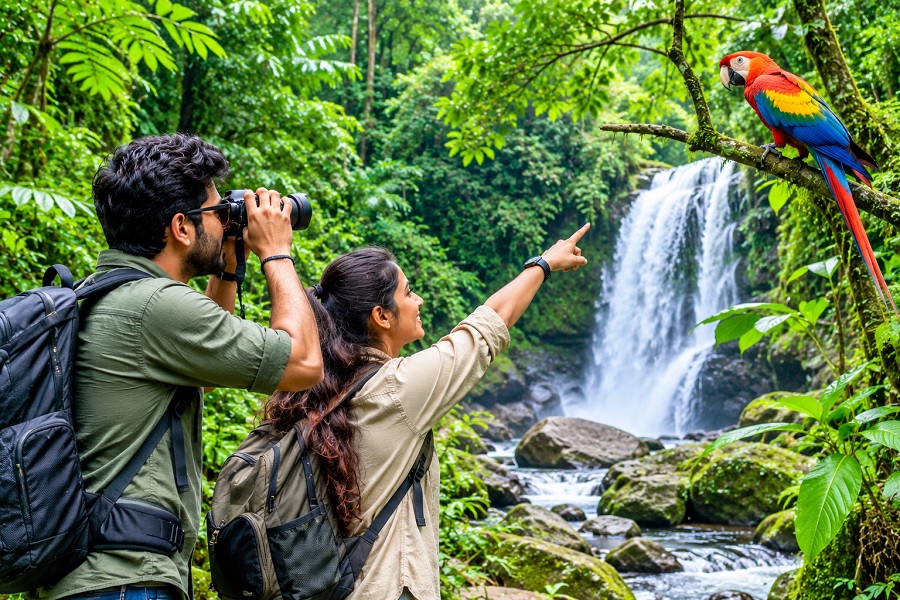
Rainforest Ecotourism: Discovering Tropical Forests and Endangered Species
1. Introduction
Rainforest ecotourism is a growing segment of sustainable tourism that allows travellers to explore tropical forests, discover rare wildlife, and experience the natural beauty of some of the world's richest ecosystems. Tropical rainforests are home to thousands of plant and animal species, including endangered mammals, colourful birds, reptiles, insects, and unique vegetation.
From the Amazon rainforest in South America to the Western Ghats in India, rainforest destinations offer memorable experiences through guided forest walks, wildlife observation, birdwatching, nature photography, and environmental education.
Rainforest ecotourism focuses on responsible travel, biodiversity protection, and supporting local communities. It encourages visitors to appreciate nature while contributing to the conservation of endangered species and their natural habitats.
2. What Is Rainforest Ecotourism?
Rainforest ecotourism refers to responsible tourism activities conducted in tropical forest environments with a focus on environmental conservation, wildlife protection, and sustainable development.
It provides travellers with opportunities to explore natural forests, learn about different ecosystems, observe wildlife, and understand the importance of biodiversity.
Unlike conventional tourism, ecotourism encourages environmentally responsible practices that minimise pollution, protect natural habitats, and support local communities.
Its primary objective is to balance tourism activities with long-term environmental protection.
3. Importance of Tropical Rainforests
Tropical rainforests are among the most valuable ecosystems on Earth. They perform several important environmental functions.
- Biodiversity Protection: Rainforests provide habitats for numerous plant and animal species.
- Climate Regulation: Forests absorb and store carbon, contributing to climate regulation.
- Water Cycle Maintenance: Rainforests influence rainfall patterns and help maintain freshwater systems.
- Soil Conservation: Forest vegetation protects soil from erosion.
- Medicinal Resources: Many rainforest plants are important sources of traditional and scientific medicinal research.
- Indigenous Livelihoods: Forest ecosystems support the livelihoods and cultural traditions of many indigenous communities.
Protecting tropical rainforests is essential for maintaining ecological balance and supporting global biodiversity.
4. Top Rainforest Ecotourism Destinations Around the World
1. Amazon Rainforest, South America
The Amazon rainforest is one of the world's largest tropical forest ecosystems. It is famous for its extraordinary biodiversity, extensive river networks, exotic birds, monkeys, jaguars, and diverse plant species.
2. Daintree Rainforest, Australia
The Daintree Rainforest is known for its ancient vegetation, tropical landscapes, unique wildlife, and nature-based tourism experiences.
3. Borneo Rainforest, Southeast Asia
Borneo offers opportunities to discover orangutans, pygmy elephants, tropical birds, and rare forest wildlife. Its conservation areas attract nature lovers and wildlife enthusiasts.
4. Congo Basin, Central Africa
The Congo Basin is an important rainforest ecosystem that supports gorillas, forest elephants, chimpanzees, and many other wildlife species.
5. Western Ghats, India
The Western Ghats are recognised for their evergreen forests, endemic wildlife, waterfalls, and exceptional biodiversity. The region provides excellent opportunities for sustainable nature tourism.
5. Endangered Species Found in Tropical Rainforests
Rainforests provide essential habitats for several threatened and endangered species.
- Bengal Tiger: A threatened big cat that depends on healthy forest ecosystems and protected habitats.
- Orangutan: An endangered great ape found in the rainforests of Borneo and Sumatra.
- Asian Elephant: An endangered species that requires large connected habitats and wildlife corridors.
- Gorilla: Several gorilla populations face threats from habitat destruction, disease, and illegal hunting.
- Forest Elephants: These animals play an important role in maintaining the ecological balance of African rainforests.
- Tropical Birds: Rainforests support numerous rare bird species, including hornbills, parrots, and other colourful birds.
Wildlife observation through responsible tourism can increase awareness about endangered species and the importance of protecting their natural habitats.
6. Popular Activities in Rainforest Ecotourism
Rainforest destinations offer various activities for travellers interested in nature and wildlife.
1. Guided rainforest trekking.
2. Wildlife observation and photography.
3. Tropical birdwatching.
4. Nature walks and educational tours.
5. Exploring forest rivers and waterfalls.
6. Butterfly and insect observation.
7. Visiting wildlife conservation centres.
8. Learning about medicinal plants.
9. Staying in eco-friendly forest lodges.
10. Participating in approved forest restoration activities.
These experiences help visitors understand rainforest ecosystems and appreciate the importance of environmental conservation.
7. Benefits of Rainforest Ecotourism
Rainforest ecotourism offers environmental, economic, and social benefits.
Environmental Benefits: Encourages forest conservation, habitat protection, and biodiversity awareness.
Economic Benefits: Generates income through tourism activities, accommodation, transportation, and local services.
Employment Opportunities: Creates jobs for local guides, hospitality workers, drivers, and community members.
Cultural Preservation: Promotes awareness of indigenous traditions, local knowledge, and cultural heritage.
Educational Benefits: Helps travellers understand environmental challenges such as deforestation, climate change, and wildlife trafficking.
Sustainable Development: Encourages responsible tourism businesses and environmentally friendly infrastructure.
8. Best Time to Visit Rainforest Destinations
The ideal time to visit tropical rainforests depends on the destination, geographical location, and seasonal weather conditions.
- Dry Season: Often suitable for forest trekking, wildlife observation, and outdoor activities.
- Rainy Season: Provides lush green landscapes, flowing waterfalls, and opportunities to experience seasonal forest environments.
- Early Morning: Often suitable for birdwatching and observing certain wildlife species.
- Late Afternoon: Provides opportunities for guided nature walks and forest photography.
Travellers should check local weather forecasts, park entry regulations, and seasonal wildlife guidelines before planning their trips.
9. Sustainable Practices for Responsible Rainforest Tourism
Responsible tourism is essential for protecting fragile rainforest ecosystems.
Important sustainable practices include:
1. Avoid throwing plastic and other waste into forests.
2. Follow designated trekking routes and forest guidelines.
3. Never feed, touch, or disturb wild animals.
4. Choose licensed local guides and responsible tour operators.
5. Avoid purchasing products made from endangered wildlife.
6. Respect indigenous communities and their cultural traditions.
7. Select environmentally responsible accommodation.
8. Reduce water and energy consumption.
9. Maintain safe distances while observing wildlife.
10. Support genuine forest conservation initiatives.
Following these practices helps reduce tourism-related environmental damage and protects natural habitats.
10. Challenges Facing Rainforest Ecotourism
Despite its environmental and economic benefits, rainforest ecotourism faces several challenges.
- Deforestation and habitat destruction.
- Climate change and rising temperatures.
- Illegal hunting and wildlife trafficking.
- Forest fires and environmental pollution.
- Excessive tourist activities in sensitive habitats.
- Limited infrastructure in remote forest regions.
- Lack of environmental awareness among visitors.
- Conflicts between tourism development and wildlife protection.
Effective forest management, sustainable tourism policies, community participation, and conservation programmes are necessary to address these challenges.
11. Rainforest Ecotourism in India
India has several important rainforest and tropical forest destinations that attract nature lovers and wildlife enthusiasts.
Western Ghats: Known for evergreen forests, rare wildlife, endemic species, and beautiful natural landscapes.
Agumbe, Karnataka: Famous for its tropical rainforest environment, biodiversity, and nature research activities.
Periyar, Kerala: Offers forest exploration, wildlife observation, and guided nature experiences.
Namdapha National Park, Arunachal Pradesh: Known for extensive forest ecosystems and diverse wildlife.
Silent Valley National Park, Kerala: An important tropical evergreen forest area recognised for its rich biodiversity and conservation significance.
These destinations provide opportunities to experience India's natural heritage while understanding the importance of rainforest conservation.
12. Role of Local Communities in Rainforest Ecotourism
Local and indigenous communities play an important role in sustainable rainforest tourism.
Their traditional knowledge, cultural practices, and understanding of forest ecosystems can improve visitor experiences and support conservation activities.
Community-based tourism creates employment opportunities through local guiding services, traditional food, handicrafts, homestays, and cultural experiences.
Involving local communities in tourism planning also helps ensure that tourism benefits are shared fairly while protecting natural resources.
13. Future of Rainforest Ecotourism
The future of rainforest ecotourism is closely connected with sustainable tourism development, biodiversity conservation, and increasing environmental awareness.
Several trends are expected to influence this tourism segment:
- Growth in responsible wildlife tourism.
- Increasing demand for eco-friendly accommodation.
- Development of community-based tourism.
- Greater use of digital environmental education.
- Improved wildlife monitoring technologies.
- Increased investment in forest conservation.
- Growing interest in nature-based travel experiences.
These developments can create new opportunities for tourism businesses while encouraging visitors to protect natural ecosystems.
14. Conclusion
Rainforest ecotourism offers travellers an opportunity to discover tropical forests, observe endangered species, and experience some of the world's most valuable natural ecosystems. From the Amazon rainforest to India's Western Ghats, these destinations provide memorable experiences through wildlife observation, forest exploration, and environmental education.
By encouraging responsible travel, supporting local communities, and promoting biodiversity conservation, rainforest ecotourism can contribute to sustainable tourism development.
Protecting tropical forests and endangered species is not only important for the tourism industry but also essential for maintaining ecological balance and preserving natural heritage for future generations.