Grassland Tourism in India: Discovering Unique Wildlife, Biodiversity, and Natural Landscapes
Grassland Tourism: Exploring India's Natural Grassland Ecosystems
Introduction
India is known for its diverse natural landscapes, including mountains, forests, deserts, wetlands, and grasslands. Grassland ecosystems are among the country's most valuable natural environments, providing habitats for numerous wildlife species, birds, insects, and native plants.
Grassland tourism is attracting nature lovers, wildlife enthusiasts, photographers, and eco-conscious travellers interested in exploring India's open natural landscapes. These destinations offer opportunities for wildlife observation, birdwatching, nature photography, and learning about biodiversity and environmental conservation.
Understanding Grassland Tourism
Grassland tourism involves visiting natural grassland regions to experience their wildlife, vegetation, landscapes, and ecological importance. It focuses on responsible travel activities such as wildlife watching, guided nature walks, birdwatching, photography, and environmental education.
Grasslands are dominated by different varieties of grasses, herbs, and small shrubs. They provide essential food and shelter for grazing animals and several endangered wildlife species. Exploring these ecosystems helps visitors understand their importance in maintaining ecological balance.
Popular Grassland Tourism Destinations in India
1. Velavadar Blackbuck National Park, Gujarat
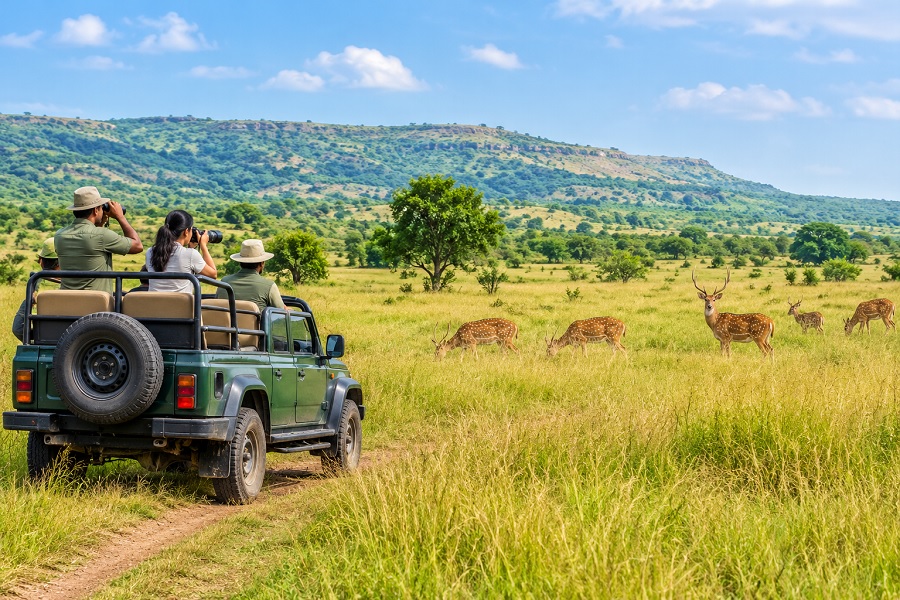
Velavadar Blackbuck National Park is one of India's most recognised grassland wildlife destinations. Located in Gujarat, the park is famous for its open grasslands and large blackbuck population. Visitors can enjoy wildlife observation, nature photography, and birdwatching while exploring its natural surroundings.
2. Banni Grasslands, Gujarat
The Banni Grasslands in the Kutch region of Gujarat are among India's largest grassland landscapes. The region supports diverse native vegetation, wildlife, and traditional pastoral communities. Visitors can explore its natural beauty and experience the cultural heritage of local communities.
3. Tal Chhapar Wildlife Sanctuary, Rajasthan
Tal Chhapar Wildlife Sanctuary is famous for its open grassland ecosystem and blackbuck population. It is also an attractive destination for birdwatchers, particularly during the migratory bird season. Its peaceful surroundings provide excellent opportunities for wildlife observation and photography.
4. Rollapadu Wildlife Sanctuary, Andhra Pradesh
Rollapadu Wildlife Sanctuary is an important grassland ecosystem in Andhra Pradesh. It is known for its conservation efforts for the endangered Great Indian Bustard. The sanctuary attracts nature enthusiasts interested in grassland biodiversity and wildlife conservation.
5. Desert National Park, Rajasthan
Desert National Park features a unique combination of arid grasslands, sand dunes, and desert habitats. It provides shelter to several desert-adapted species and is an important conservation area for the Great Indian Bustard. Visitors can experience Rajasthan's distinctive natural landscapes and wildlife.
Wildlife and Biodiversity in Grassland Ecosystems
Indian grasslands support a wide range of wildlife species. Blackbucks, Indian wolves, foxes, nilgai, and several smaller mammals depend on these habitats for food and shelter.
Grasslands are also important for birdlife. Species such as the Great Indian Bustard, harriers, larks, and other grassland birds can be found in different regions. Seasonal changes also attract migratory birds, making these destinations interesting for birdwatching.
Native grasses, flowering plants, insects, reptiles, and small mammals contribute to the ecological richness of these environments.
Popular Activities in Grassland Tourism
Grassland destinations offer several nature-based activities for tourists.
- Wildlife Photography: Photograph blackbucks, antelopes, birds, and other animals in their natural surroundings.
- Birdwatching: Observe resident and migratory birds across open grassland habitats.
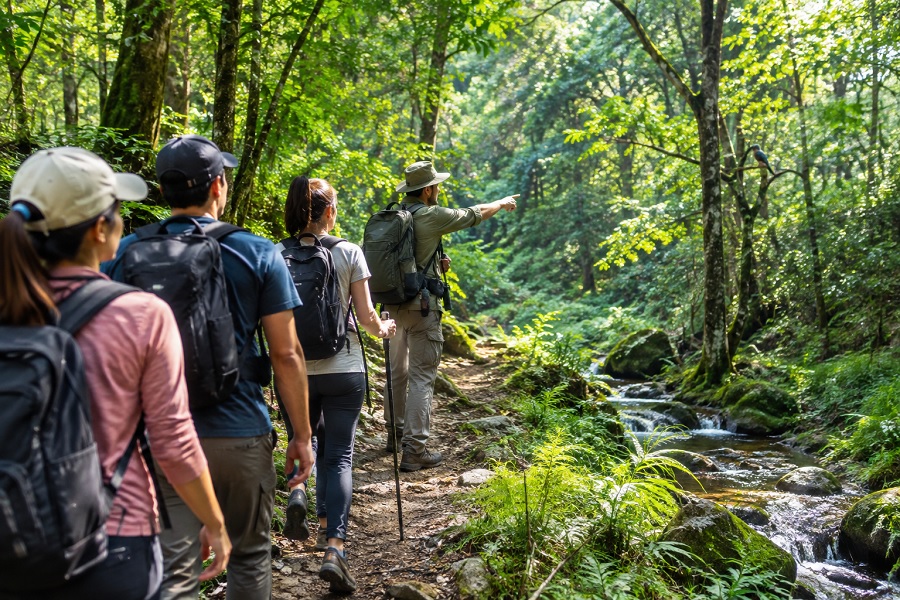
- Nature Walks: Discover native grasses, plants, and local biodiversity with authorised guides.
- Wildlife Safaris: Participate in permitted guided excursions to observe animals.
- Nature Education: Learn about grassland ecosystems and wildlife conservation.
- Cultural Tourism: Explore the traditions and lifestyles of pastoral communities living near grassland regions.
Best Time to Visit Indian Grasslands
The ideal time to explore many Indian grassland destinations is generally between October and March. During these months, relatively pleasant weather makes outdoor activities and wildlife observation more comfortable.
Winter is particularly suitable for birdwatching because several migratory bird species visit different parts of India. However, the best visiting period varies according to the location, rainfall, and local wildlife conditions.
Tourists should check destination-specific weather conditions, entry timings, and safari availability before planning their journeys.
Importance of Grassland Conservation
Grasslands play an important role in maintaining environmental balance. They support biodiversity, prevent soil erosion, store carbon, and provide habitats for threatened wildlife species.
However, these ecosystems face several challenges, including agricultural expansion, urbanisation, invasive plant species, excessive grazing, and habitat degradation.
Responsible grassland tourism can support conservation by creating environmental awareness and encouraging visitors to protect natural habitats. Tourism activities can also generate employment opportunities for local communities through accommodation, transportation, guiding services, and traditional handicrafts.
Visitors should avoid littering, disturbing wildlife, damaging vegetation, and entering restricted areas.
Future of Grassland Tourism in India
Grassland tourism has promising opportunities for growth in India's eco-tourism sector. Increasing interest in sustainable travel, wildlife photography, birdwatching, and nature-based experiences is encouraging travellers to explore lesser-known destinations.
Improved visitor facilities, community participation, environmental education, and wildlife conservation initiatives can help develop grassland tourism responsibly.
Promoting these destinations can also provide economic opportunities for rural communities while encouraging the protection of India's natural heritage.
Conclusion
Grassland tourism offers travellers an opportunity to discover India's beautiful open landscapes, unique wildlife, and valuable natural ecosystems. Destinations such as Velavadar, Banni Grasslands, Tal Chhapar, Rollapadu, and Desert National Park provide memorable experiences for nature lovers and wildlife enthusiasts.
By encouraging responsible tourism, supporting local communities, and protecting biodiversity, India can promote grassland tourism while preserving these important ecosystems for future generations.