Exploring Educational Ecotourism: Discovering Nature, Wildlife and Conservation Learning Experiences
Educational Ecotourism: Nature Learning, Conservation and Environmental Awareness
Educational ecotourism is an emerging segment of sustainable tourism that combines travel, environmental education, wildlife exploration, and nature conservation. It provides travellers with opportunities to understand natural ecosystems, discover biodiversity, learn about environmental challenges, and participate in responsible tourism activities.
Unlike conventional tourism, educational ecotourism focuses on learning experiences that encourage visitors to appreciate nature and understand the importance of protecting the environment. Through guided nature walks, wildlife observation, forest visits, birdwatching, botanical garden tours, and conservation programmes, travellers can gain practical knowledge about the natural world.
India, with its diverse forests, mountains, wetlands, national parks, wildlife sanctuaries, and coastal ecosystems, offers significant opportunities for educational ecotourism. These destinations attract students, researchers, families, nature enthusiasts, and international visitors interested in environmental learning.
Importance of Educational Ecotourism
Educational ecotourism plays an important role in creating environmental awareness and encouraging responsible travel practices. It helps visitors understand the relationship between human activities and natural ecosystems.
Through educational travel experiences, tourists can learn about biodiversity, climate change, wildlife conservation, forest protection, water management, and sustainable resource use.
Schools, colleges, universities, and educational organisations can also use ecotourism programmes to provide practical learning opportunities outside traditional classrooms. These experiences help students connect theoretical knowledge with real environmental conditions.
Nature Learning Experiences and Outdoor Education
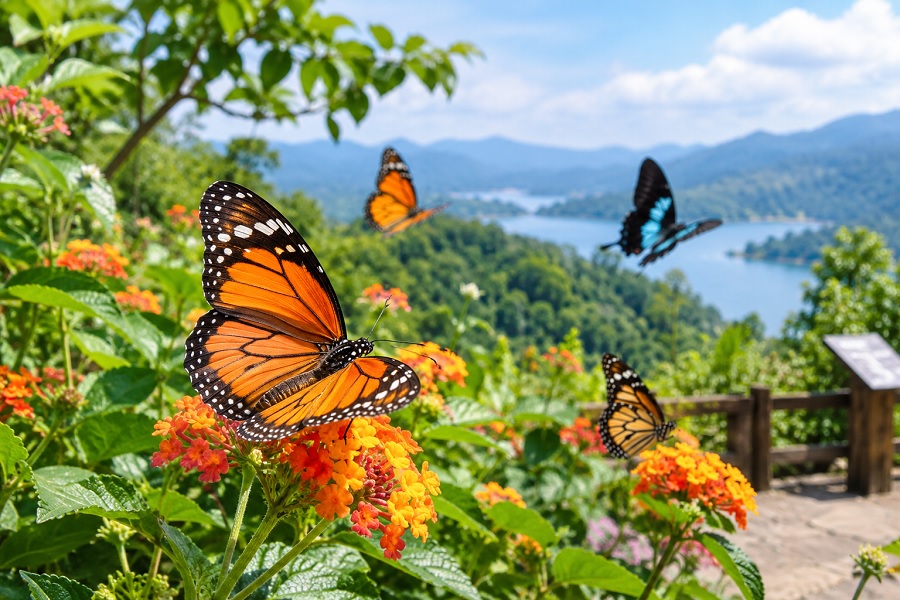
Nature-based learning is one of the main attractions of educational ecotourism. Visitors can explore natural environments while learning about plants, animals, geographical features, and ecological relationships.
Popular educational activities include:
Guided nature walks through forests and protected areas.
Birdwatching tours to understand different bird species.
Botanical garden visits to explore plant diversity.
Nature photography workshops.
Wildlife observation with trained naturalists.
Environmental interpretation programmes.
River and wetland ecosystem exploration.
Nature camps and outdoor educational activities.
These experiences encourage curiosity, observation skills, and greater appreciation of the environment.
Wildlife Conservation and Biodiversity Education
Wildlife conservation is an essential component of educational ecotourism. India's national parks and wildlife sanctuaries provide opportunities to learn about endangered species, natural habitats, and conservation initiatives.
Visitors can explore wildlife destinations such as Jim Corbett National Park, Kaziranga National Park, Ranthambore National Park, Periyar Tiger Reserve, and Gir National Park.
Guided educational tours can explain animal behaviour, food chains, habitat protection, biodiversity conservation, and the importance of maintaining ecological balance.
Responsible wildlife tourism also encourages visitors to respect animal habitats, maintain safe distances, avoid feeding wildlife, and follow park regulations.
Forest Ecotourism and Environmental Awareness
Forests play a vital role in maintaining ecological balance, regulating climate, protecting soil, and supporting biodiversity. Forest-based educational tourism allows visitors to understand these environmental benefits through practical experiences.
Nature trails, forest interpretation centres, guided trekking, and tree identification activities help tourists learn about different forest ecosystems.
Visitors can also understand the importance of afforestation, reforestation, forest fire prevention, and sustainable forest management.
Destinations such as the Western Ghats, Himalayan forests, and central Indian forest regions provide opportunities for forest-based educational travel.
Birdwatching and Wetland Education
Birdwatching tourism offers valuable opportunities to understand bird diversity, migration patterns, feeding behaviour, and wetland conservation.
India has several important birdwatching destinations, including Bharatpur's Keoladeo National Park, Chilika Lake, Ranganathittu Bird Sanctuary, and Sultanpur National Park.
Educational birdwatching programmes introduce visitors to different bird species and explain the importance of wetlands as habitats for resident and migratory birds.
Such experiences can also highlight environmental issues such as water pollution, habitat destruction, and climate-related changes affecting bird populations.
Marine and Coastal Environmental Education
Coastal and marine ecotourism provides educational opportunities related to oceans, coral reefs, mangroves, marine biodiversity, and coastal ecosystems.
Destinations such as the Andaman and Nicobar Islands, Lakshadweep, and selected coastal regions of India offer opportunities to explore marine environments.
Educational programmes can introduce travellers to coral reef ecosystems, marine wildlife, coastal vegetation, and responsible water activities.
Visitors can also learn about marine pollution, plastic waste management, coral conservation, and the importance of protecting fragile coastal habitats.
Community-Based Educational Ecotourism
Local communities play an important role in preserving natural environments and sharing traditional ecological knowledge.
Community-based ecotourism allows visitors to learn about local lifestyles, indigenous conservation practices, traditional agriculture, forest resources, and sustainable living.
Village visits, local nature walks, traditional farming demonstrations, and community-led environmental programmes provide meaningful learning experiences.
These initiatives can also generate income for local communities while encouraging the preservation of cultural and environmental heritage.
Educational Ecotourism for Students and Families
Educational ecotourism is particularly useful for students and families looking for meaningful travel experiences.
Schools and colleges can organise educational visits to national parks, wildlife sanctuaries, botanical gardens, agricultural farms, and environmental research centres.
Students can participate in biodiversity surveys, tree identification activities, waste management workshops, nature photography, and guided environmental studies.
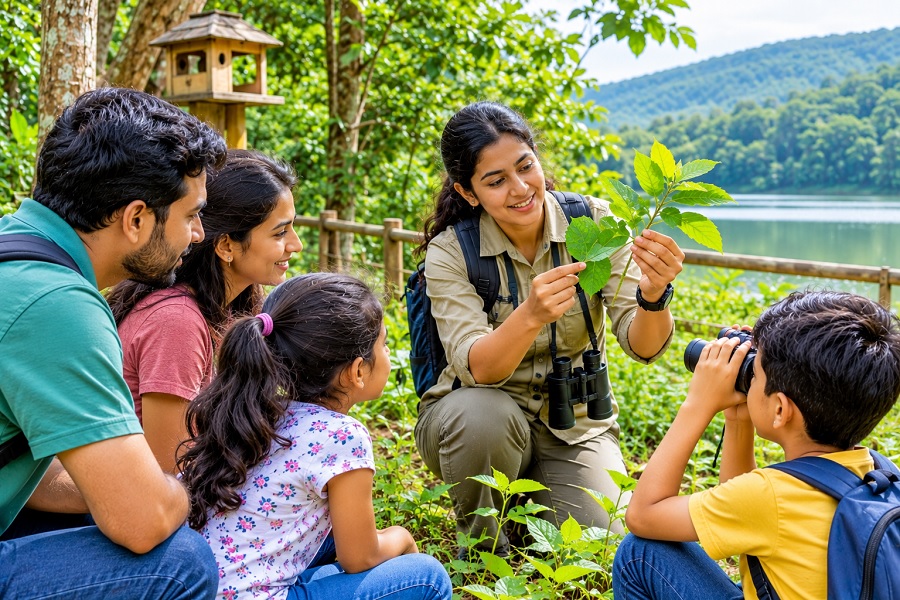
Families can also enjoy educational nature trails, outdoor learning camps, birdwatching, and conservation awareness activities.
These experiences encourage children and young travellers to develop responsible attitudes towards nature and environmental protection.
Sustainable Tourism Practices and Responsible Travel
Environmental responsibility is a major principle of educational ecotourism. Tourism activities should minimise negative impacts on natural ecosystems while supporting conservation and local livelihoods.
Important sustainable tourism practices include:
Avoiding single-use plastic during travel.
Using reusable water bottles and eco-friendly products.
Following designated nature trails.
Avoiding disturbance to wildlife and natural habitats.
Supporting locally owned tourism businesses.
Respecting protected areas and conservation guidelines.
Reducing unnecessary waste and resource consumption.
Choosing environmentally responsible accommodation.
These practices help protect natural destinations and improve the long-term sustainability of tourism activities.
Technology and Innovation in Educational Ecotourism
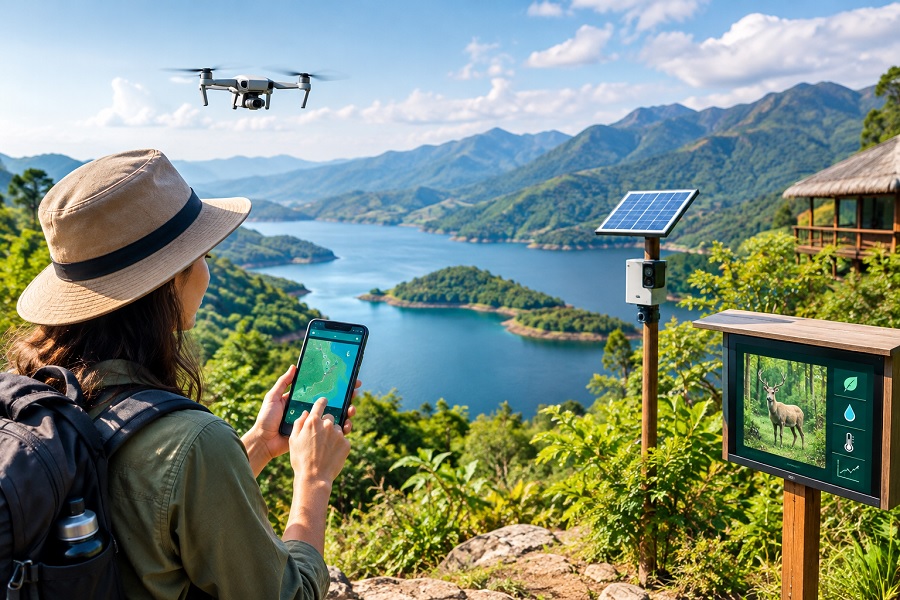
Technology is creating new opportunities for environmental learning and nature-based tourism. Digital nature guides, interactive educational applications, biodiversity databases, virtual learning platforms, and digital interpretation centres can improve visitor experiences.
QR-code information boards, wildlife identification applications, interactive maps, and educational videos can help travellers understand the ecosystems they visit.
Universities, research organisations, tourism departments, and conservation groups can also use digital platforms to share environmental information and promote awareness programmes.
Economic Opportunities for the Tourism Industry
Educational ecotourism creates opportunities for several sectors, including tour operators, eco-lodges, wildlife guides, educational institutions, local communities, conservation organisations, and rural tourism businesses.
Specialised nature-learning packages, student educational tours, guided biodiversity walks, environmental workshops, and conservation-focused travel programmes can attract different categories of visitors.
Local naturalists, trained guides, community organisations, and small hospitality businesses can benefit from increased demand for educational nature experiences.
When managed responsibly, these activities can support local employment while contributing to environmental protection.
Future Scope of Educational Ecotourism in India
The future of educational ecotourism in India offers significant potential as travellers increasingly seek meaningful experiences beyond conventional sightseeing.
Growing interest in environmental education, wildlife conservation, biodiversity, sustainable travel, and outdoor learning can encourage the development of specialised educational tourism programmes.
Collaboration between tourism departments, schools, universities, conservation organisations, and local communities can help create structured nature-learning experiences.
Investment in trained guides, interpretation centres, visitor education, and sustainable tourism infrastructure can further strengthen this segment.
Conclusion
Educational Ecotourism combines nature exploration, environmental learning, biodiversity awareness, and responsible travel. It provides visitors with opportunities to understand ecosystems, discover wildlife, explore forests, and learn about conservation through practical experiences.
India's diverse natural landscapes offer excellent opportunities to develop educational ecotourism for students, families, researchers, and nature enthusiasts. By promoting responsible tourism practices, supporting local communities, and encouraging environmental awareness, educational ecotourism can contribute to both nature conservation and sustainable tourism development.