Learning Through Nature: Discovering Ecosystems and Conservation Experiences with Educational Ecotourism
Educational Ecotourism: Learning About Ecosystems and Environmental Conservation
Introduction
Educational Ecotourism is an emerging segment of sustainable tourism that combines nature-based travel with environmental education and conservation awareness. It provides travellers with opportunities to explore natural landscapes, understand biodiversity, learn about ecosystems and discover the importance of protecting the environment.
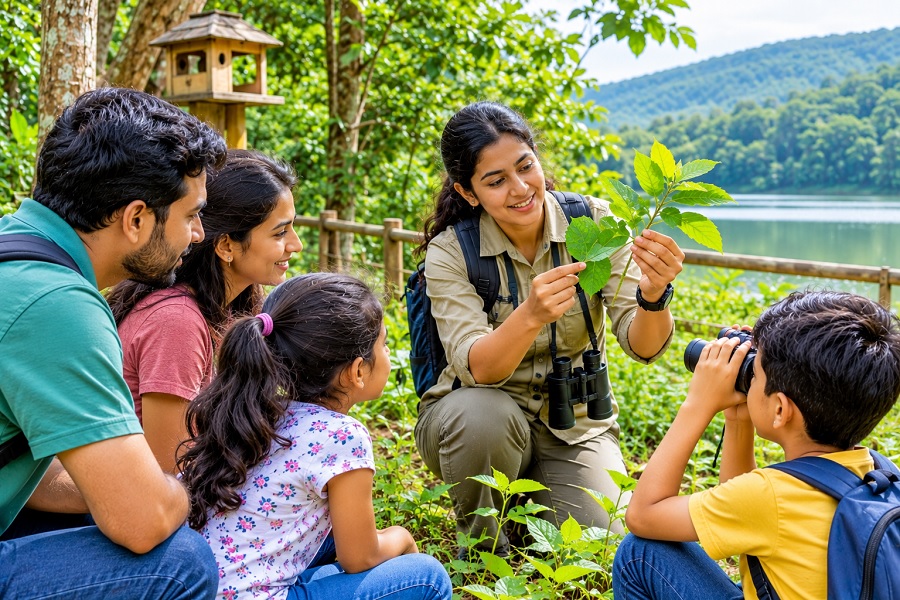
Unlike conventional tourism, educational ecotourism focuses on learning through direct experiences in natural surroundings. Visitors can participate in guided nature walks, wildlife observation, birdwatching, forest exploration, environmental workshops and conservation activities.
This form of tourism is suitable for students, families, researchers, nature enthusiasts and travellers interested in understanding the relationship between humans and the natural world. It also supports environmental awareness and encourages responsible travel practices.
What Is Educational Ecotourism?
Educational ecotourism refers to responsible travel experiences designed to educate visitors about natural environments, biodiversity, wildlife habitats and environmental conservation.
It combines tourism, outdoor learning and ecological awareness. Visitors gain practical knowledge about forests, rivers, wetlands, mountains, marine ecosystems and other natural environments.
Educational activities are often conducted by environmental experts, naturalists, local guides, conservation organisations and educational institutions.
Importance of Educational Ecotourism
Educational ecotourism plays an important role in promoting environmental understanding and responsible tourism.
Its major benefits include:
Increasing awareness about environmental protection.
Educating visitors about biodiversity and ecosystems.
Encouraging wildlife and habitat conservation.
Supporting environmental education outside classrooms.
Promoting responsible interaction with nature.
Creating opportunities for local communities.
Supporting sustainable tourism development.
Encouraging future generations to protect natural resources.
Through meaningful learning experiences, visitors can develop a stronger understanding of environmental challenges and conservation responsibilities.
Popular Educational Ecotourism Experiences
1. Forest Education Tourism
Forest education tourism allows visitors to explore forest ecosystems and understand the importance of trees, plants, wildlife and natural habitats.
Guided forest walks can introduce travellers to native species, forest biodiversity, ecological relationships and the role of forests in maintaining environmental balance.
2. Wildlife Education Tourism
Wildlife education tourism focuses on understanding animal behaviour, habitats, food chains and conservation challenges.
Visitors can participate in responsible wildlife observation activities under the guidance of trained naturalists. These experiences can help explain the importance of protecting endangered species and maintaining healthy ecosystems.
3. Birdwatching Education Tourism
Birdwatching provides an excellent opportunity to learn about bird species, migration patterns, nesting behaviour and natural habitats.
Wetlands, forests, grasslands and nature reserves offer valuable environments for birdwatching activities.
4. Marine Ecosystem Education Tourism
Marine educational tourism introduces visitors to ocean ecosystems, coral reefs, coastal biodiversity and marine conservation.
Activities may include guided coastal walks, responsible snorkelling, educational aquarium visits and marine conservation workshops.
5. Wetland Education Tourism
Wetlands support many plant and animal species and play an important role in maintaining ecological balance.
Visitors can learn about wetland biodiversity, water filtration, flood management, aquatic habitats and migratory birds through guided educational tours.
6. Botanical Garden Education Tourism
Botanical gardens provide opportunities to explore plant diversity, medicinal plants, rare species and conservation programmes.
Educational tours can introduce visitors to plant identification, horticulture, native vegetation and the importance of protecting endangered plant species.
Role of Educational Ecotourism in Environmental Conservation
Environmental conservation is one of the main objectives of educational ecotourism. By providing practical learning opportunities, it helps visitors understand environmental problems and the importance of protecting natural resources.
Important conservation areas include:
Forest protection and reforestation.
Wildlife habitat conservation.
Protection of endangered species.
Marine and coastal ecosystem preservation.
Water resource management.
Biodiversity conservation.
Sustainable land management.
Reduction of environmental pollution.
When visitors understand the value of ecosystems, they are more likely to support responsible environmental practices.
Educational Ecotourism for Students
Educational ecotourism provides students with practical learning experiences beyond traditional classroom environments.
Schools, colleges and universities can organise educational trips to national parks, wildlife sanctuaries, botanical gardens, wetlands, conservation centres and environmental research institutions.
Students can learn about:
Food chains and food webs.
Natural habitats and ecosystems.
Plant and animal identification.
Climate change and its environmental effects.
Water conservation techniques.
Biodiversity and endangered species.
Waste management and recycling.
Sustainable agriculture.
These experiences encourage curiosity, observation skills and environmental responsibility among young learners.
Educational Activities in Ecotourism Destinations
Many ecotourism destinations provide interactive activities that help visitors understand nature and environmental protection.
Popular activities include:
Guided nature trails and forest walks.
Birdwatching and wildlife observation.
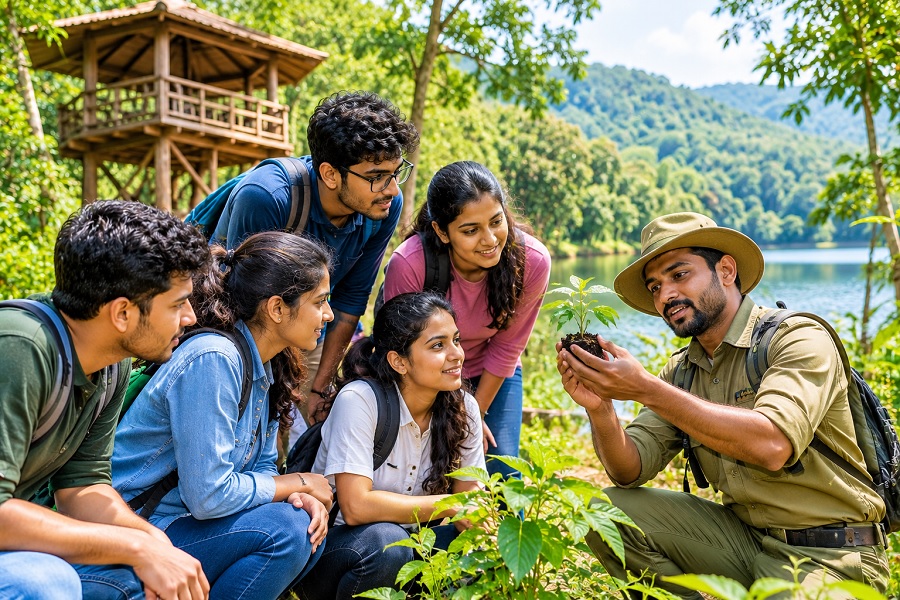
Tree plantation and native plant identification.
Environmental awareness workshops.
Nature photography and biodiversity documentation.
Water quality observation and educational demonstrations.
Sustainable farming experiences.
Waste segregation and recycling demonstrations.
Wildlife habitat education sessions.
Guided visits to conservation and research centres.
These activities make environmental education more engaging and practical.
Popular Educational Ecotourism Destinations in India
India offers diverse natural environments suitable for educational ecotourism.
1. Jim Corbett National Park, Uttarakhand
Jim Corbett is known for its wildlife habitats, forest ecosystems and biodiversity. Visitors can learn about wildlife conservation and the importance of protected natural areas.
2. Kaziranga National Park, Assam
Kaziranga is famous for its one-horned rhinoceros and diverse wetland and grassland ecosystems. It offers opportunities to understand wildlife conservation and habitat protection.
3. Sundarbans, West Bengal
The Sundarbans provide educational opportunities related to mangrove forests, coastal biodiversity and the ecological importance of wetlands.
4. Periyar Wildlife Sanctuary, Kerala
Periyar offers opportunities to explore forest ecosystems, wildlife habitats and nature-based conservation experiences.
5. Ranganathittu Bird Sanctuary, Karnataka
This destination is known for its birdlife and wetland ecosystem, making it suitable for birdwatching and environmental learning.
6. Keoladeo National Park, Rajasthan
Keoladeo is an important bird habitat where visitors can learn about migratory birds, wetlands and biodiversity conservation.
Benefits for Local Communities
Educational ecotourism can generate economic and social opportunities for communities living near natural destinations.
Local residents can participate as nature guides, homestay operators, environmental educators, transport providers and local product suppliers.
Community involvement can also support traditional ecological knowledge and encourage residents to participate in conservation programmes.
When tourism revenue supports local livelihoods and environmental protection, it can contribute to more sustainable destination development.
Technology in Educational Ecotourism
Modern technology is creating new opportunities for environmental learning and nature exploration.
Some important technological developments include:
Mobile Learning Applications: Help visitors identify plants, birds and wildlife species.
Augmented Reality: Provides interactive information about ecosystems and natural habitats.
Virtual Reality: Allows users to explore forests, oceans and wildlife environments digitally.
GPS-Based Nature Trails: Help visitors navigate designated educational routes.
Digital Biodiversity Platforms: Support the recording and sharing of wildlife observations.
AI-Powered Learning Tools: Provide personalised environmental information and educational recommendations.
Technology can make nature-based education more interactive while helping visitors understand complex ecological concepts.
Sustainable Practices in Educational Ecotourism
Responsible management is essential for ensuring that educational tourism does not damage the natural environments it aims to protect.
Important sustainable practices include:
Avoiding disturbance to wildlife and natural habitats.
Following designated walking and trekking routes.
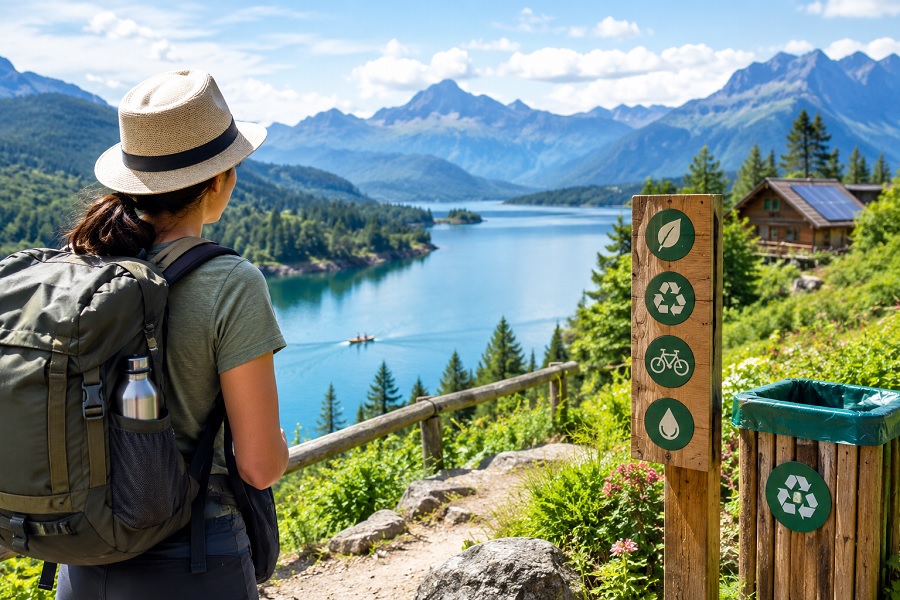
Reducing plastic waste during nature trips.
Supporting local conservation organisations.
Using environmentally responsible accommodation.
Conserving water and electricity.
Avoiding littering in natural areas.
Respecting local communities and their traditions.
Following instructions provided by trained nature guides.
Supporting biodiversity protection initiatives.
These practices help maintain ecological balance and improve the long-term sustainability of tourism destinations.
Challenges Facing Educational Ecotourism
Although educational ecotourism offers several advantages, its development can face certain challenges.
Limited Infrastructure: Some natural destinations lack suitable educational facilities, transport and visitor management systems.
Environmental Pressure: Excessive visitor numbers can disturb wildlife and damage sensitive habitats.
Lack of Awareness: Some travellers may not understand responsible tourism practices.
Funding Limitations: Conservation programmes and environmental education activities may require significant financial support.
Shortage of Trained Guides: Educational tours require knowledgeable guides with an understanding of local ecosystems.
Climate Change: Changing weather patterns and environmental conditions can affect biodiversity and natural attractions.
Addressing these challenges requires cooperation between tourism authorities, environmental organisations, local communities and educational institutions.
Future of Educational Ecotourism
The future of educational ecotourism is expected to benefit from growing environmental awareness, experiential learning and interest in sustainable travel.
Schools and universities may increasingly incorporate nature-based educational trips into learning programmes. Tourism operators may develop specialised packages focused on biodiversity, wildlife conservation, climate education and ecological restoration.
Digital technologies, citizen science activities and community-led conservation experiences can further improve visitor participation.
Emerging opportunities may include specialised biodiversity tours, climate education retreats, environmental research visits, sustainable agriculture experiences and interactive nature learning programmes.
Conclusion
Educational Ecotourism creates a meaningful connection between travel, environmental education and conservation. It allows visitors to explore natural ecosystems while understanding biodiversity, wildlife habitats and the importance of protecting environmental resources.
From forest exploration and birdwatching to marine conservation and educational nature trails, these experiences provide valuable learning opportunities for students, families and nature enthusiasts.
By supporting local communities, encouraging responsible visitor behaviour and promoting environmental awareness, educational ecotourism can contribute to sustainable tourism development. As interest in environmental protection continues to grow,