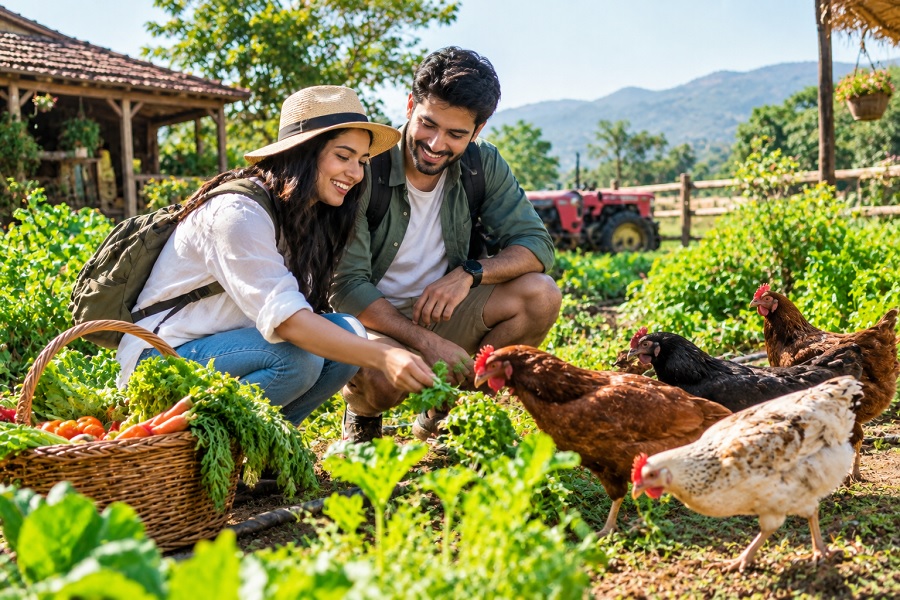
Farm-Based Ecotourism: Discovering Sustainable Farming and Authentic Rural Experiences
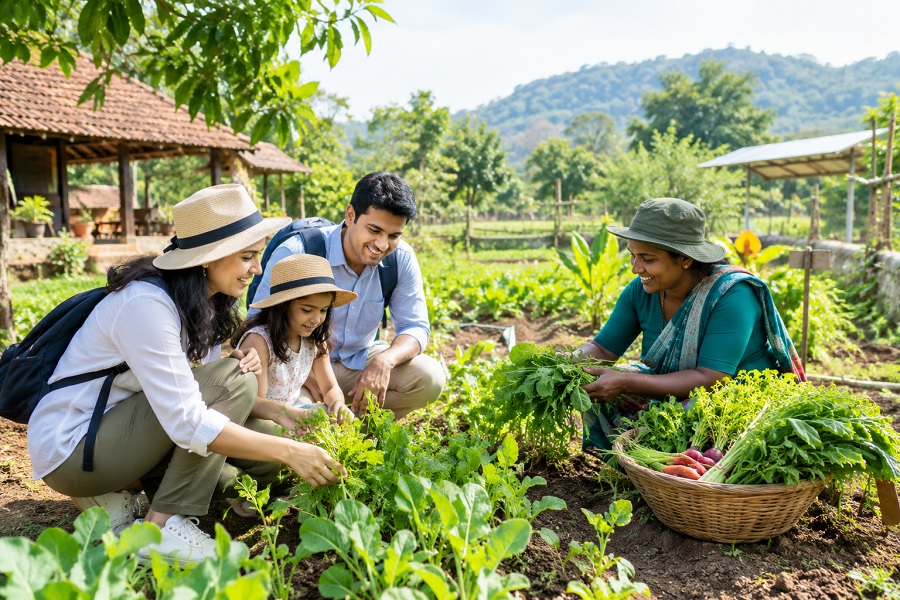
Farm-Based Ecotourism: Experiencing Sustainable Agriculture
Introduction
Farm-based ecotourism is a growing form of responsible travel that allows visitors to experience agricultural life while learning about sustainable farming, environmental conservation, and rural traditions. It connects tourism with agriculture by offering travelers opportunities to explore farms, understand food production, participate in farming activities, and enjoy the natural beauty of the countryside.
Unlike conventional sightseeing, farm-based ecotourism focuses on meaningful experiences that benefit local communities and encourage responsible use of natural resources. Visitors can discover organic farming, traditional cultivation methods, composting, rainwater harvesting, and biodiversity conservation while enjoying a peaceful break from busy city life.
What Is Farm-Based Ecotourism?
Farm-based ecotourism combines agricultural experiences with environmental education and responsible tourism. Farms may welcome visitors for guided tours, seasonal harvesting, educational workshops, farm-to-table meals, and rural accommodation.
Depending on the farm, tourists may observe vegetable cultivation, fruit orchards, dairy farming, beekeeping, seed preservation, or traditional irrigation systems. Some destinations also provide opportunities to stay in farm cottages and experience everyday rural activities.
The main objective is to create an enjoyable visitor experience while supporting sustainable agriculture, protecting the surrounding environment, and generating additional income for farmers.
Exploring Sustainable Farming Practices
One of the main attractions of farm-based ecotourism is the opportunity to understand sustainable agricultural practices. Visitors can learn how farmers maintain soil fertility, conserve water, reduce chemical inputs, and protect beneficial insects.
Common sustainable farming practices include:
Organic farming: Using approved organic methods to manage soil fertility and agricultural pests.
Crop rotation: Growing different crops in sequence to support soil health and manage pests.
Composting: Turning suitable organic waste into nutrient-rich material for the soil.
Rainwater harvesting: Collecting rainwater for appropriate farm uses.
Drip irrigation: Delivering water efficiently to plant roots.
Agroforestry: Combining trees with crops or livestock where appropriate.
Biodiversity conservation: Protecting native plants, pollinators, birds, and other wildlife.
Through demonstrations and guided explanations, tourists can gain a better understanding of how farming decisions affect ecosystems and food production.
Popular Activities in Farm-Based Ecotourism
Farm-based ecotourism offers activities for families, students, nature enthusiasts, and travelers interested in local culture.
1. Farm Tours and Harvesting
Visitors can walk through fields and orchards, observe crop growth, and learn how seasonal produce is harvested. Depending on the season and farm arrangements, they may be able to pick fruits or vegetables under the guidance of farmers.
2. Organic Gardening Workshops
Practical workshops can introduce visitors to seed planting, compost preparation, natural pest management, and home gardening. These activities are especially useful for people who want to adopt sustainable practices in their own homes.
3. Farm-to-Table Experiences
Farm-to-table tourism introduces visitors to locally grown ingredients and regional food traditions. Meals may feature seasonal vegetables, fruits, grains, and other products sourced directly from the farm or nearby producers.
4. Traditional Farming Demonstrations
Visitors can learn about traditional agricultural tools, local seeds, crop cultivation, and harvesting methods. Such experiences help preserve knowledge passed down through farming communities.
5. Animal Care Experiences
Some farms offer supervised opportunities to observe livestock and learn about animal welfare, feeding practices, and responsible farm management. Activities should be designed to protect both animals and visitors.
6. Rural Accommodation
Farm stays and countryside cottages allow travelers to enjoy rural surroundings, observe daily agricultural activities, and experience local hospitality. Environmentally responsible accommodation can include water-saving measures, renewable energy, and waste reduction.
Benefits for Local Farmers and Communities
Farm-based ecotourism can provide farmers with an additional source of income beyond the sale of agricultural products. Guided tours, workshops, farm stays, and local food experiences may help diversify rural livelihoods.
Tourism can also create opportunities for local guides, food producers, artisans, transport providers, and small businesses. When managed responsibly, it encourages visitors to purchase locally produced goods and appreciate the knowledge and effort involved in farming.
Community participation is important. Farmers should have a meaningful role in designing experiences, setting prices, managing visitor access, and deciding how tourism revenue is used.
Environmental Benefits of Farm-Based Ecotourism
Well-planned farm tourism can support environmental awareness and conservation. Visitors learn about soil health, water conservation, responsible food production, and the importance of protecting natural habitats.
Farms that incorporate native vegetation, pollinator gardens, hedgerows, and wildlife-friendly practices can also provide educational opportunities related to biodiversity.
However, tourism does not automatically make a farm sustainable. Poorly managed visitor activities can increase water consumption, generate waste, disturb wildlife, or damage crops. Responsible planning, visitor limits where necessary, and ongoing environmental monitoring are essential.
Farm-Based Ecotourism in India
India offers many opportunities for farm-based ecotourism because of its diverse agricultural landscapes, regional cuisines, traditional farming knowledge, and rural cultural heritage.
In Maharashtra, visitors can explore agricultural experiences associated with fruit orchards, vineyards, vegetable farms, and traditional village life. In Kerala, plantation and spice-growing regions offer opportunities to learn about crops and local agricultural practices. Punjab provides insights into grain cultivation and agricultural traditions, while Himachal Pradesh is known for its apple-growing regions and mountain farms.
Other regions offer experiences involving tea gardens, coffee plantations, rice cultivation, organic vegetable farms, and community-managed agricultural initiatives.
Travelers should check whether individual farms welcome tourists, what activities are available, and whether advance booking is required.
Best Time to Experience Farm-Based Ecotourism
The best time to visit a farm depends on its location, climate, crops, and harvest schedule. Many farms offer particularly interesting experiences during planting, flowering, fruiting, or harvesting periods.
In India, winter can be comfortable for visiting many farms in the plains, while hill farms may be best explored during suitable local growing seasons. Monsoon visits can reveal the importance of rainfall and water management, although heavy rain may affect access and outdoor activities.
Before planning a trip, visitors should confirm seasonal activities, weather conditions, road access, and accommodation availability with the farm.
Tips for Responsible Farm Tourism
Choose farms that explain their environmental practices clearly.
Follow instructions when entering fields, orchards, or animal enclosures.
Avoid wasting food, water, and other farm resources.
Purchase local produce and handmade products when possible.
Respect farmers' working hours and ask permission before taking photographs.
Use reusable bottles and bags to reduce single-use waste.
Avoid disturbing wildlife or damaging crops for photographs.
Ask about animal welfare and hygiene practices before participating in animal-related activities.
Respect local customs and the privacy of farming families.
Book directly with reputable farms when possible to support local livelihoods.
The Future of Farm-Based Ecotourism
Farm-based ecotourism has the potential to connect sustainable agriculture with education, recreation, and rural economic development. Growing interest in local food, outdoor experiences, and responsible travel creates opportunities for farms to develop educational visits and authentic countryside experiences.
Digital booking platforms, farm websites, guided learning programs, and partnerships with local tourism businesses can help farms reach new visitors. At the same time, tourism development should remain appropriate to the farm's capacity and environmental needs.
The most successful farm tourism initiatives will be those that balance visitor enjoyment with agricultural productivity, conservation, and fair benefits for local communities.
Conclusion
Farm-Based Ecotourism: Experiencing Sustainable Agriculture offers travelers a meaningful way to discover rural life, understand food production, and appreciate the connection between farming and the environment. From organic gardening and seasonal harvesting to farm-to-table meals and traditional agricultural demonstrations, these experiences provide both recreation and education.
By choosing responsible farms, respecting local communities, and supporting sustainable practices, tourists can contribute to rural livelihoods while gaining a deeper understanding of agriculture and nature. Farm-based ecotourism is an opportunity to make travel more educational, environmentally conscious, and beneficial to the people who care for the land.