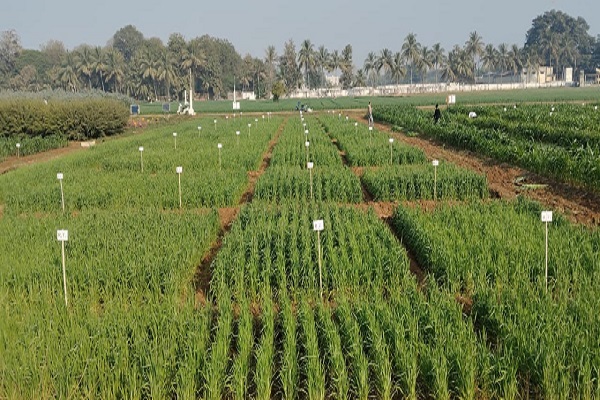
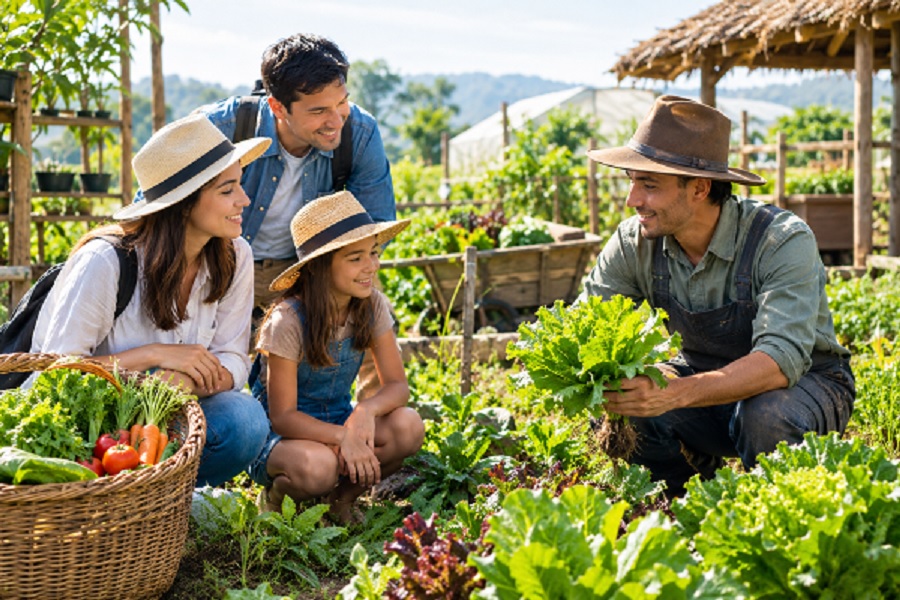
Farm Tourism Experiences: Discover Nature, Agriculture and Village Culture
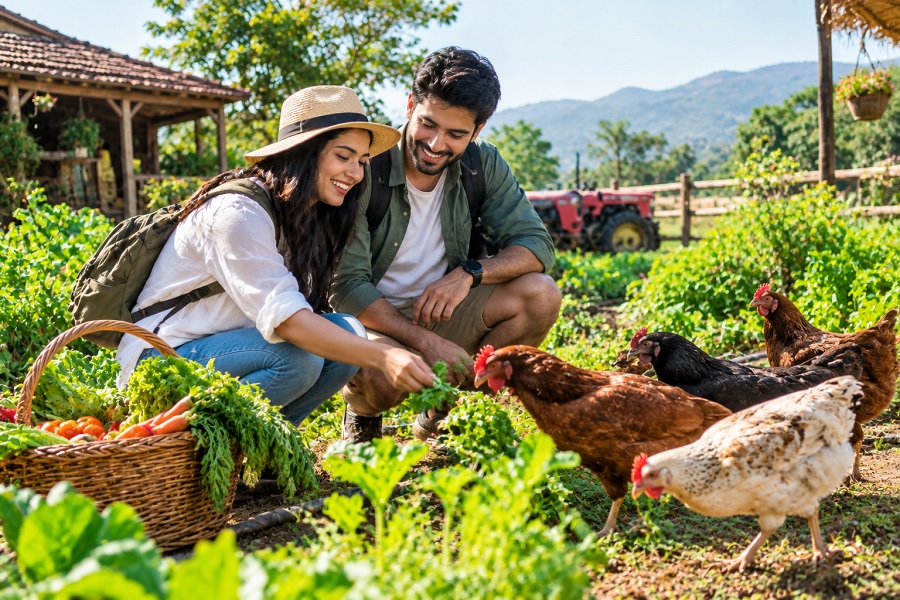
Farm-Based Ecotourism: A Sustainable Way to Experience Rural Life
Farm-Based Ecotourism combines agriculture, nature, local culture, and responsible travel. It gives visitors an opportunity to experience life on a working farm while learning about farming practices, local food, traditional skills, biodiversity, and rural communities.
As travelers increasingly look for meaningful experiences beyond conventional sightseeing, farm-based tourism can offer a peaceful alternative. Visitors can spend time in natural surroundings, participate in selected farm activities, taste locally produced food, and understand how agricultural communities contribute to sustainable tourism.
What Is Farm-Based Ecotourism?
Farm-based ecotourism is a form of rural tourism where visitors stay at or visit agricultural properties and experience farming and nature-related activities.
Depending on the destination and farm, experiences may include:
Organic farming demonstrations
Vegetable and fruit harvesting
Plantation walks
Farm-to-table meals
Dairy and livestock experiences
Traditional farming activities
Nature walks
Birdwatching
Village tours
Local handicraft demonstrations
Educational activities for children
The focus is on connecting visitors with agriculture while encouraging responsible use of natural resources.
Why Farm-Based Ecotourism Is Becoming Popular
Modern travelers are increasingly interested in experiences that connect them with local communities and nature. Farm tourism provides an opportunity to take a break from busy urban environments and experience a slower pace of life.
For families, couples, students, and solo travelers, farm visits can combine recreation with learning.
Major Benefits of Farm-Based Ecotourism
1. Supports Rural Communities
Farm-based tourism can create an additional source of income for farming families and rural businesses. Visitors may also spend money on locally produced food, handicrafts, transportation, and other community services.
2. Promotes Sustainable Agriculture
Farms can use tourism experiences to demonstrate sustainable practices such as composting, rainwater harvesting, crop diversification, organic cultivation, and responsible resource management.
3. Encourages Local Food
Farm-to-table experiences allow visitors to understand where their food comes from. Fresh seasonal produce can become an important part of the tourism experience.
4. Connects Travelers With Nature
Farm landscapes often include crops, trees, water bodies, gardens, and surrounding natural habitats. These environments can provide opportunities for nature walks, photography, and birdwatching.
5. Provides Educational Experiences
Farm tourism can teach children and adults about agriculture, food production, soil, plants, animals, and rural traditions.
Popular Farm-Based Ecotourism Experiences
Organic Farm Visits: Visitors can learn about chemical-free or low-input agricultural practices and seasonal crops.
Fruit-Picking Experiences: Seasonal fruit harvesting can be an enjoyable activity for families and couples.
Farm-to-Table Dining: Meals prepared using locally grown ingredients provide a direct connection between agriculture and food tourism.
Plantation Walks: Tea, coffee, spice, fruit, and other plantations can offer guided nature and agricultural tours.
Village Experiences: Visitors can explore nearby villages and learn about traditional lifestyles, crafts, food, and farming practices.
Farm Stays: Overnight stays allow travelers to experience rural surroundings for a longer period.
Farm-Based Ecotourism for Families
Farm tourism can be especially useful for families because children can learn outside the classroom. Activities such as planting seeds, identifying crops, feeding animals where appropriate, harvesting vegetables, and observing insects and birds can make agriculture easier to understand.
Parents can combine these activities with nature walks and locally prepared meals.
Farm-Based Ecotourism for Couples
Couples can enjoy peaceful farm stays, countryside walks, seasonal harvest activities, outdoor meals, photography, and nature experiences.
A farm getaway can also be combined with nearby attractions such as waterfalls, forests, heritage villages, lakes, or cultural sites.
Sustainable Practices on Eco-Farms
A responsible farm-based tourism property can incorporate several environmentally friendly practices:
Rainwater harvesting
Solar energy
Composting
Waste segregation
Reduction of single-use plastics
Natural or low-impact farming methods
Water-efficient irrigation
Native plants and biodiversity areas
Local and seasonal food
Responsible wastewater management
Not every farm will use all of these methods, so visitors should check the property's actual practices before booking.
Best Time for Farm Tourism
The ideal time depends on the destination, climate, and agricultural calendar. Harvest seasons can provide particularly interesting experiences because visitors may be able to observe or participate in seasonal farm activities.
Monsoon, winter, spring, and harvest periods can each offer different landscapes and experiences.
Tips for Planning a Farm-Based Ecotourism Trip
Before visiting a farm, travelers should check:
Available activities
Farm operating hours
Accommodation facilities
Food options
Weather conditions
Seasonal farming activities
Accessibility
Child-friendly facilities
Safety guidelines
Environmental practices
Visitors should also follow farm rules, avoid damaging crops, minimize waste, and respect local communities.
The Future of Farm-Based Ecotourism
Farm-based ecotourism has potential to connect agriculture with sustainable travel, rural development, education, and local food systems. Technology can also make farm tourism easier to discover and organize through digital bookings, virtual farm tours, online farm shops, and smart tourism platforms.
The future of this tourism segment is likely to focus increasingly on authentic experiences, local participation, environmental responsibility, and meaningful connections between travelers and rural communities.
Conclusion
Farm-Based Ecotourism offers travelers a chance to experience agriculture, nature, local food, and rural culture in one journey. From farm stays and plantation walks to harvesting activities and farm-to-table meals, these experiences can make rural travel more interactive and educational.
With responsible planning and genuine community participation, farm tourism can support rural livelihoods while encouraging travelers to appreciate agriculture and natural environments.