Climate-Friendly Tourism: Best Sustainable Travel Practices to Protect Our Planet
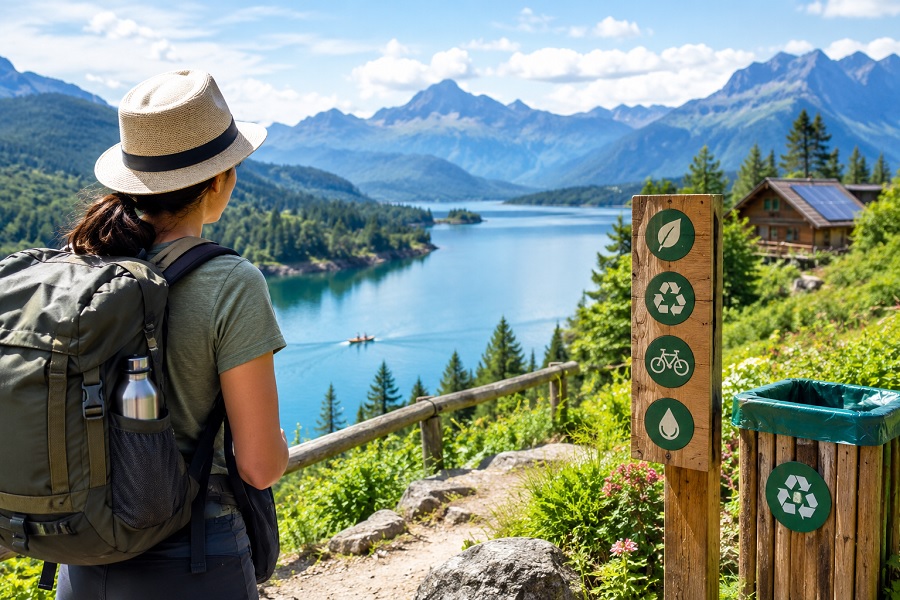
Climate-Friendly Tourism: Reducing the Environmental Impact of Travel
Introduction
Climate-friendly tourism is becoming an important part of the global travel industry as travellers, tourism businesses, and destinations look for ways to reduce the environmental impact of travel. Tourism allows people to explore natural landscapes, discover different cultures, and experience new destinations. However, transportation emissions, excessive energy consumption, waste generation, and pressure on natural resources can contribute to environmental problems.
Climate-friendly tourism encourages travellers to make responsible choices that help reduce greenhouse gas emissions, protect ecosystems, conserve resources, and support local communities. From choosing trains instead of short-haul flights where practical to staying in energy-efficient accommodation and supporting local businesses, small decisions can contribute to more sustainable travel.
As awareness of climate change increases, climate-friendly tourism offers an opportunity to enjoy meaningful travel experiences while helping protect the planet for future generations.
What Is Climate-Friendly Tourism?
Climate-friendly tourism refers to travel practices that aim to reduce greenhouse gas emissions, limit environmental damage, and improve the resilience of tourism destinations to climate change.
It includes efforts by travellers, hotels, transport operators, tour companies, and local authorities to make tourism more environmentally responsible.
The main objectives include:
Reducing carbon emissions associated with transportation and accommodation.
Conserving water and electricity.
Minimising single-use plastics and other waste.
Protecting forests, wildlife, coastlines, and other ecosystems.
Supporting local communities and environmentally responsible businesses.
Preparing tourism destinations for climate-related risks such as heatwaves, floods, and coastal erosion.
Climate-friendly tourism does not mean avoiding travel altogether. It means making informed choices that can reduce the environmental footprint of a trip.
Why Is Climate-Friendly Tourism Important?
1. Reducing Greenhouse Gas Emissions
Transportation is a major source of tourism-related emissions. Flights, private cars, cruise ships, and other transport options have different environmental impacts.
Travellers can consider trains, buses, shared vehicles, walking, and cycling when suitable. Choosing fewer flight connections and staying longer at a destination can also reduce emissions per day of travel.
2. Protecting Natural Environments
Popular destinations can experience pressure from overcrowding, construction, pollution, and excessive resource consumption.
Responsible tourism helps protect forests, mountains, beaches, coral reefs, wetlands, and wildlife habitats by encouraging visitors to follow local rules and choose operators that prioritise conservation.
3. Conserving Water and Energy
Hotels and resorts require water and energy for lighting, air conditioning, laundry, swimming pools, and other services.
Accommodation providers can reduce consumption through efficient appliances, renewable electricity, water-saving systems, and responsible housekeeping practices. Travellers can contribute by avoiding unnecessary laundry, turning off unused lights, and using water thoughtfully.
4. Supporting Local Communities
Climate-friendly tourism can benefit local communities when visitors choose locally owned accommodation, restaurants, guides, and craft businesses.
Keeping more tourism spending within the destination can support livelihoods while encouraging local participation in conservation and sustainable development.
5. Improving Destination Resilience
Climate change can affect tourism through extreme temperatures, changing rainfall patterns, wildfires, floods, storms, and coastal erosion.
Tourism destinations that protect natural ecosystems, improve infrastructure, conserve water, and prepare for emergencies may be better equipped to manage these challenges.
Best Climate-Friendly Tourism Practices
Choose Lower-Emission Transportation
Transportation choices can significantly influence the environmental footprint of a holiday. For suitable journeys, consider trains, buses, shared transfers, cycling, or walking.
For longer distances, compare available transport options and consider the total journey, including transfers and connections. Avoid unnecessary flights when a practical alternative exists.
Stay in Environmentally Responsible Accommodation
Choose hotels, guesthouses, homestays, or eco-lodges that can demonstrate responsible environmental practices.
Look for transparent information about energy efficiency, renewable electricity, waste management, water conservation, and community engagement. Do not rely on the word “eco-friendly” alone, as environmental claims are not always independently verified.
Reduce Plastic Waste
Single-use packaging can create significant waste in destinations with limited recycling infrastructure.
Travellers can carry reusable water bottles where safe drinking water is available, reusable shopping bags, and refillable toiletries. Follow local waste-disposal guidance and avoid leaving litter in natural areas.
Support Local and Seasonal Food
Eating locally sourced and seasonal food, where available, can support regional producers and help visitors experience the destination's culinary culture.
The environmental impact of food depends on production methods, storage, transportation, and the type of food. Choosing more plant-based meals can often reduce the food-related footprint of a trip.
Respect Wildlife and Natural Habitats
Wildlife tourism should prioritise animal welfare and habitat protection. Choose reputable operators that follow appropriate wildlife-viewing distances and conservation guidelines.
Avoid activities that involve disturbing animals, feeding wildlife without authorisation, or purchasing products made from protected species.
Reduce Energy Consumption
Simple actions can help reduce unnecessary energy use during a trip.
Switch off lights and air conditioning when not needed.
Use natural ventilation when comfortable and appropriate.
Avoid excessive heating or cooling.
Choose accommodation with efficient energy systems where possible.
Reuse towels and bedding when practical.
Climate-Friendly Tourism Destinations in India
India offers a wide range of destinations where travellers can explore nature, culture, and local communities while seeking lower-impact experiences. No destination is automatically climate-friendly, so the transport used, accommodation selected, and activities undertaken all matter.
1. Sikkim
Sikkim offers mountain scenery, trekking routes, monasteries, and community-based travel experiences. Visitors can support local guides and accommodation providers while following waste-management rules and respecting fragile Himalayan ecosystems.
2. Kerala
Kerala offers backwaters, forests, wildlife areas, beaches, and village experiences. Travellers can explore local communities, choose responsible accommodation, and look for activities that protect wetlands and other sensitive environments.
3. Himachal Pradesh
Himachal Pradesh attracts visitors with mountain landscapes, forests, and walking trails. Travelling by shared transport where practical, avoiding litter, and respecting local water resources can help reduce pressure on mountain destinations.
4. Meghalaya
Meghalaya is known for its green hills, waterfalls, forests, and living root bridges. Responsible visits can support local guides and communities while helping protect natural sites from pollution and overcrowding.
5. Uttarakhand
Uttarakhand offers opportunities for nature walks, wildlife experiences, village stays, and mountain tourism. Visitors should follow trail rules, avoid disturbing wildlife, and consider local environmental conditions before planning outdoor activities.
6. Goa
Goa's beaches, coastal villages, and natural areas offer opportunities for lower-impact travel. Visitors can reduce waste, use shared transport where available, respect coastal ecosystems, and support local businesses.
How Hotels and Tourism Businesses Can Become More Climate-Friendly
Tourism businesses play an important role in reducing the industry's environmental footprint.
Energy efficiency: Install efficient lighting, improve insulation, and use energy-efficient heating and cooling systems.
Renewable energy: Where practical, use renewable electricity or solar water-heating systems.
Water management: Install water-efficient fixtures, repair leaks, and use responsible landscaping practices.
Waste reduction: Reduce unnecessary packaging, separate waste where collection systems exist, and compost suitable organic waste.
Responsible sourcing: Purchase locally produced goods when practical and use suppliers with credible environmental practices.
Staff training: Educate employees about resource conservation, responsible tourism, and environmental protection.
Transparent reporting: Measure energy use, water consumption, waste generation, and greenhouse gas emissions instead of making vague sustainability claims.
Climate-Friendly Tourism for Families
Families can make holidays more environmentally responsible while helping children learn about nature and conservation.
Useful ideas include choosing nature-based activities, visiting conservation centres with educational programmes, travelling by train where practical, carrying reusable items, and supporting local businesses.
Parents can encourage children to respect wildlife, conserve water, avoid littering, and understand why natural habitats need protection.
Educational farm visits, guided nature walks, and community-led experiences can make sustainability an engaging part of a family holiday.
Challenges of Climate-Friendly Tourism
Although climate-friendly tourism has many benefits, travellers and tourism businesses face several challenges.
Limited transport alternatives: Some remote destinations depend heavily on flights or private vehicles.
Higher initial costs: Energy-efficient equipment, renewable energy installations, and sustainable infrastructure may require significant investment.
Greenwashing: Some businesses advertise environmental benefits without providing evidence or meaningful action.
Insufficient waste infrastructure: Remote and island destinations may lack effective recycling or wastewater treatment systems.
Seasonal pressure: Tourism demand can place excessive pressure on water, energy, and natural habitats during busy periods.
Climate-related disruption: Extreme weather events can damage tourism infrastructure and affect travel safety.
Addressing these challenges requires cooperation between governments, local communities, tourism businesses, and travellers.
Practical Tips for Planning a Climate-Friendly Holiday
Plan an itinerary that avoids unnecessary journeys between destinations.
Compare train, bus, shared transport, and flight options where available.
Stay longer in one location rather than taking multiple short trips.
Select accommodation with clear and credible environmental practices.
Carry reusable items and avoid unnecessary disposable packaging.
Support local guides, restaurants, artisans, and community enterprises.
Follow local wildlife-viewing and conservation guidelines.
Check weather alerts and environmental restrictions before outdoor activities.
Choose activities that have limited impacts on sensitive habitats.
Treat carbon-offset schemes as a supplementary measure, not a substitute for reducing emissions.
Future of Climate-Friendly Tourism
The future of climate-friendly tourism is likely to involve more efficient transport, improved energy systems, better environmental reporting, and stronger collaboration between destinations and local communities.
Digital travel tools can help visitors compare transport routes, plan efficient itineraries, and identify accommodation with documented sustainability practices. Tourism businesses may also increasingly measure their emissions and invest in climate adaptation.
However, technology alone cannot solve tourism's environmental challenges. Meaningful progress depends on reducing unnecessary emissions, protecting ecosystems, using resources responsibly, and ensuring that local communities benefit from tourism.
Conclusion
Climate-friendly tourism offers a practical way to explore the world while reducing the environmental impact of travel. Through thoughtful transportation choices, responsible accommodation, waste reduction, resource conservation, and support for local communities, travellers can make more sustainable decisions.
Destinations such as Sikkim, Kerala, Meghalaya, Himachal Pradesh, Uttarakhand, and Goa offer opportunities to combine nature and cultural experiences with responsible travel practices.
Ultimately, climate-friendly tourism is a shared responsibility. Travellers, businesses, communities, and governments all have a role in protecting natural environments and making tourism more resilient to climate change. By choosing more responsible travel practices today, we can help preserve destinations for future generations.










Top News
India?s economic catch-up over past decade worth celebrating: Top Economist