Best Eco-Friendly Himalayan Destinations for Nature Lovers: Discover Sustainable Mountain Tourism
Eco-Friendly Himalayan Destinations for Nature Lovers
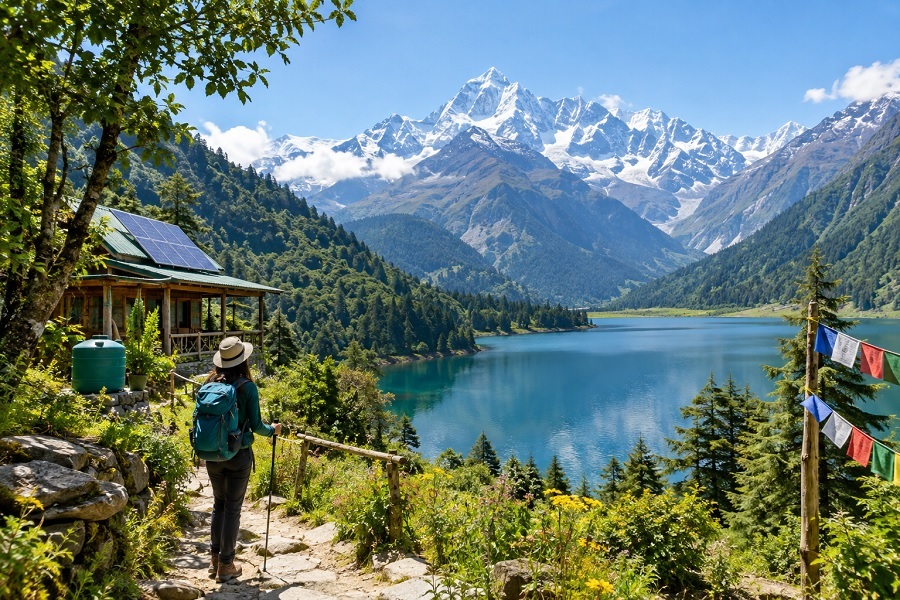
The Himalayas are among the most spectacular natural landscapes in India, offering snow-covered peaks, alpine meadows, dense forests, rivers, lakes and diverse wildlife. For nature lovers, the region provides opportunities for trekking, birdwatching, wildlife experiences, village stays and peaceful escapes.
However, travelling through the Himalayas also comes with a responsibility to protect fragile mountain ecosystems. Eco-friendly tourism focuses on reducing waste, conserving water, supporting local communities and choosing travel experiences that have a lower environmental impact.
In 2026, destinations such as Sikkim, Himachal Pradesh and Uttarakhand are increasingly emphasizing sustainable and community-oriented tourism. Sikkim, for example, has continued to promote rural and sustainable tourism and received an award for its efforts in 2026.
1. Sikkim: A Leading Choice for Sustainable Himalayan Travel
Sikkim is one of the strongest choices for travellers interested in nature and responsible tourism. Located in the Eastern Himalayas, the state combines mountain landscapes, forests, lakes, monasteries and local communities.
Destinations such as Yumthang Valley, Tsomgo Lake, Pelling, Ravangla and Zuluk offer opportunities to experience Himalayan scenery while exploring local culture.
Sikkim Tourism actively promotes responsible travel practices such as keeping destinations clean, respecting nature and reducing environmental impact.
The state has also proposed an integrated permit and eco-management framework for protected and restricted areas, showing an increasing focus on regulated and sustainable visitor management.
2. Great Himalayan National Park, Himachal Pradesh
For wildlife enthusiasts and trekkers, the Great Himalayan National Park in Himachal Pradesh is an important nature destination.
The UNESCO World Heritage Site covers approximately 1,171 square kilometres and protects diverse Himalayan ecosystems. Its wildlife includes the Himalayan tahr, brown bear, snow leopard, blue sheep, western tragopan and Himalayan monal.
Visitors can explore designated trails and eco-zone areas while learning about Himalayan biodiversity and conservation.
A responsible visit should include following park regulations, avoiding litter and staying on permitted trails.
3. Tirthan Valley, Himachal Pradesh
Tirthan Valley is known for its rivers, forests, villages and mountain scenery. It is particularly attractive to travellers looking for a quieter alternative to heavily visited Himalayan towns.
Nature walks, trekking, fishing experiences, birdwatching and village stays can make a Tirthan Valley trip more environmentally and culturally meaningful.
Choosing locally operated accommodation and guides can also help tourism benefits reach the surrounding communities.
4. Rakchham and Chitkul, Himachal Pradesh
Rakchham and Chitkul offer dramatic mountain landscapes and traditional village environments in Himachal Pradesh.
These destinations are increasingly relevant to sustainable tourism planning. The Government of India has identified Rakchham and Chhitkul among destinations for development under the Vibrant Village category of Challenge Based Destination Development.
Travellers should respect local customs, avoid unnecessary plastic and minimize their impact on village environments.
5. Mana Village, Uttarakhand
Mana near the Indo-Tibetan border is known for its Himalayan landscape and cultural significance. It provides travellers with an opportunity to experience a high-altitude village environment.
The Government of India has identified Mana Village under the Vibrant Village category, including a tourism project focused on Mana Haat.
Visitors can combine the trip with nature walks, cultural exploration and responsible local shopping.
6. Valley of Flowers Region, Uttarakhand
The Valley of Flowers is famous for its seasonal alpine flowers, mountain landscapes and biodiversity.
The area is particularly attractive to trekkers and photographers during the flowering season. Because alpine ecosystems are delicate, visitors should avoid picking flowers, leaving waste behind or moving outside designated areas.
The best eco-friendly approach is simple: observe the landscape without disturbing it.
7. Munsiyari, Uttarakhand
Munsiyari offers panoramic Himalayan views, forest landscapes and access to trekking routes. It is suitable for travellers who prefer mountain villages and nature-based experiences over large tourist centres.
Local homestays, regional food and community-guided experiences can make a visit more sustainable while creating direct economic benefits for residents.
8. Khirsu, Uttarakhand
Khirsu is a peaceful Himalayan destination surrounded by forests and mountain scenery. Its relatively quiet atmosphere makes it suitable for travellers interested in slow travel and nature experiences.
Instead of planning a packed sightseeing itinerary, visitors can spend time walking through the surrounding landscape, enjoying local food and interacting respectfully with residents.
9. Zuluk, Sikkim
Zuluk is located in East Sikkim and is known for its dramatic mountain roads and Himalayan views. The hairpin bends near Zuluk received the “Most Instagrammable Landscape” recognition at the India Today Tourism Survey & Awards 2026.
Beyond photography, travellers can explore the surrounding landscape responsibly and follow local access and permit requirements.
10. Ravangla, Sikkim
Ravangla combines mountain scenery, forests, Buddhist heritage and peaceful surroundings. It can be a good base for travellers interested in combining nature, wellness and culture.
Sikkim's current tourism approach increasingly connects nature experiences with local communities, cuisine, wellness and culture. The EKAYA initiative launched in 2026 is one example of this experience-based tourism direction.
Why Eco-Friendly Himalayan Tourism Matters
The Himalayan region is environmentally sensitive. High visitor numbers can create pressure on water resources, waste-management systems, forests and wildlife.
Research and policy discussions around Himalayan tourism have highlighted issues including water scarcity, plastic waste, pollution and pressure on wildlife corridors.
Eco-tourism can help address some of these challenges when it is properly planned and responsibly practiced.
How Nature Lovers Can Travel Responsibly
Travellers can make their Himalayan holidays more sustainable by following a few simple principles:
Carry reusable water bottles and bags.
Avoid single-use plastic wherever possible.
Do not litter on trekking routes.
Stay on designated trails.
Avoid disturbing wildlife.
Do not pick flowers or plants.
Use local guides and homestays.
Purchase locally produced handicrafts.
Respect local traditions and communities.
Conserve water and electricity at accommodation.
Prefer shared or public transportation when practical.
Avoid unnecessary vehicle trips.
Carry waste back when disposal facilities are unavailable.
Follow local permits and protected-area rules.
Eco-Friendly Accommodation in the Himalayas
Homestays, small locally operated guesthouses and eco-conscious properties can provide a more community-oriented travel experience.
Before booking, travellers can look for accommodation that demonstrates responsible practices such as waste segregation, water conservation, renewable energy use, local employment and reduced single-use plastic.
The goal is not simply to find a property labelled “eco-friendly”, but to understand how it actually operates.
Best Experiences for Eco-Conscious Nature Lovers
Himalayan destinations offer many low-impact experiences, including:
Nature walks: Explore forests and mountain villages with minimal environmental impact.
Birdwatching: Observe Himalayan bird species without disturbing their habitat.
Trekking: Use established routes and follow local regulations.
Village tourism: Stay with local families and experience traditional lifestyles.
Photography: Capture landscapes and wildlife without physically disturbing them.
Local food experiences: Try regional dishes prepared with locally sourced ingredients.
Wellness retreats: Combine nature, meditation, yoga and quiet surroundings.
Cultural experiences: Learn about local traditions, crafts and architecture.
The Future of Himalayan Ecotourism
The future of Himalayan tourism is likely to focus increasingly on sustainability, community participation and better visitor management.
Sikkim's current tourism initiatives demonstrate this direction through rural tourism, experience-based travel, eco-management and community participation.
Himachal Pradesh is also pursuing sustainable and inclusive tourism development, with projects designed to improve destination sustainability and spread tourism's economic benefits more widely.
For travellers, this means the best Himalayan experience may increasingly be one that combines beautiful landscapes with responsible choices.
Conclusion
Eco-friendly Himalayan destinations offer much more than beautiful mountain views. They provide opportunities to experience forests, wildlife, villages, local cultures and some of India's most remarkable natural landscapes.
From Sikkim's sustainable tourism initiatives and Zuluk's mountain scenery to the biodiversity of Great Himalayan National Park and the village landscapes of Uttarakhand and Himachal Pradesh, nature lovers have many options for responsible travel.
The most important part of an eco-friendly Himalayan holiday is leaving the mountains as beautiful as they were found. By reducing waste, conserving resources, respecting communities and supporting local businesses, travellers can enjoy the Himalayas while helping protect them for future generations.