Jyotirlinga Tourism India
Jyotirlinga Tourism India: A Sacred Spiritual Journey in 2026
Introduction
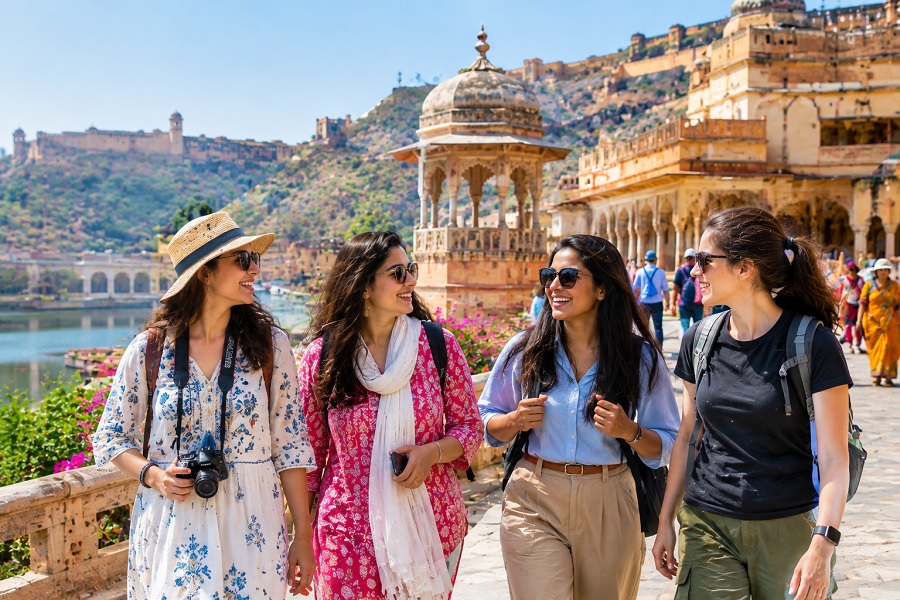
Jyotirlinga tourism in India has become one of the fastest-growing spiritual travel experiences in recent years. Dedicated to Lord Shiva, the twelve sacred Jyotirlingas are among the most important pilgrimage destinations for Hindu devotees. Every year, millions of travelers visit these holy temples seeking peace, blessings, spiritual connection, and cultural experiences.
In 2026, Jyotirlinga tourism is not only attracting pilgrims but also history lovers, architecture enthusiasts, photographers, and international spiritual travelers. Improved travel infrastructure, digital tourism services, luxury pilgrimage accommodations, and better connectivity are making these sacred destinations more accessible than ever before.
What Are Jyotirlingas?
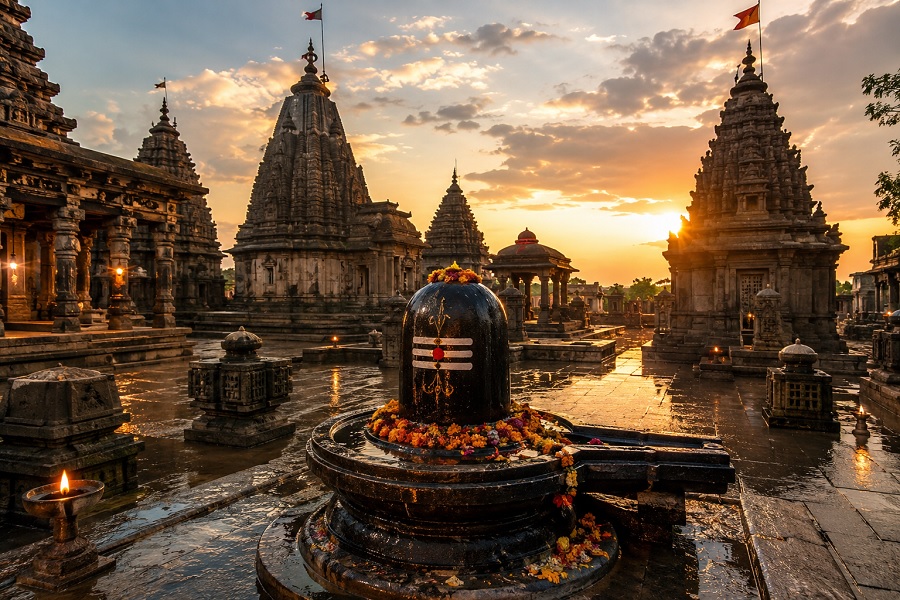
Jyotirlingas are sacred shrines where Lord Shiva is believed to have appeared as a divine pillar of light. The word “Jyoti” means light, and “Lingam” represents Lord Shiva. According to Hindu mythology, these temples hold immense spiritual power and religious significance.
The twelve Jyotirlingas are spread across different parts of India, each with unique legends, architecture, rituals, and cultural traditions.
The 12 Sacred Jyotirlingas of India
Somnath Jyotirlinga – Gujarat
Mallikarjuna Jyotirlinga – Andhra Pradesh
Mahakaleshwar Jyotirlinga – Madhya Pradesh
Omkareshwar Jyotirlinga – Madhya Pradesh
Kedarnath Jyotirlinga – Uttarakhand
Bhimashankar Jyotirlinga – Maharashtra
Kashi Vishwanath Jyotirlinga – Uttar Pradesh
Trimbakeshwar Jyotirlinga – Maharashtra
Vaidyanath Jyotirlinga – Jharkhand
Nageshwar Jyotirlinga – Gujarat
Rameshwaram Jyotirlinga – Tamil Nadu
Grishneshwar Jyotirlinga – Maharashtra
Each temple offers a unique spiritual atmosphere and showcases India’s rich religious heritage.
Why Jyotirlinga Tourism Is Growing
Spiritual Awakening
Travelers are increasingly seeking meaningful and peaceful travel experiences. Jyotirlinga pilgrimages provide spiritual fulfillment, meditation opportunities, and emotional healing.
Cultural Heritage
These temples are architectural masterpieces with centuries of history, attracting cultural and heritage tourism enthusiasts.
Improved Infrastructure
Modern transportation, luxury pilgrimage hotels, online darshan booking systems, and improved road connectivity have boosted tourism significantly.
Religious Festivals
Festivals like Mahashivratri and Shravan month celebrations attract millions of visitors to Jyotirlinga temples every year.
Most Popular Jyotirlinga Destinations
Kashi Vishwanath
Located in Varanasi, this temple is one of India’s most visited spiritual destinations. The Ganga riverfront and evening Ganga Aarti create an unforgettable experience.
Kedarnath
Situated in the Himalayas, Kedarnath offers breathtaking mountain views combined with deep spiritual significance. Trekking routes and helicopter services have increased tourism accessibility.
Mahakaleshwar
Known for the famous Bhasma Aarti ritual, Mahakaleshwar in Ujjain attracts pilgrims throughout the year.
Somnath
Located near the Arabian Sea, Somnath Temple combines coastal beauty with spiritual importance.
Travel Experience Around Jyotirlingas
Travelers visiting Jyotirlingas often explore nearby attractions including:
River ghats
Ancient temples
Heritage towns
Local food markets
Cultural festivals
Traditional handicrafts
Spiritual meditation centers
Many pilgrims now combine spiritual tourism with wellness retreats, yoga sessions, and cultural tours.
Best Time for Jyotirlinga Tourism
The ideal travel season depends on the location. Winter months are generally comfortable for most destinations, while Himalayan Jyotirlingas are best visited during summer. Mahashivratri is one of the most vibrant periods for spiritual tourism across all Jyotirlinga sites.
Future of Jyotirlinga Tourism in India
The future of Jyotirlinga tourism looks highly promising. India is investing heavily in spiritual tourism infrastructure, digital temple services, eco-friendly pilgrim facilities, and smart tourism projects.
Luxury spiritual tourism packages, guided pilgrimage tours, wellness tourism integration, and cultural tourism experiences are expected to further increase visitor numbers in the coming years.
Conclusion
Jyotirlinga tourism in India represents much more than a religious journey. It is a spiritual, cultural, and emotional experience that connects travelers with India’s ancient traditions and sacred heritage.
From Himalayan temples to coastal shrines, the twelve Jyotirlingas continue to inspire millions of devotees and travelers from around the world. In 2026, these sacred destinations remain among the most powerful symbols of Indian spirituality and tourism.