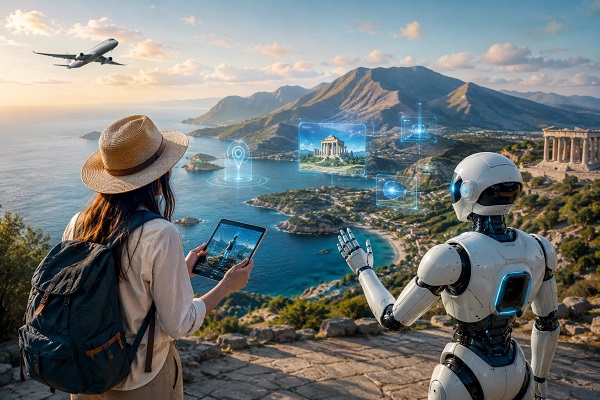
Smart Tourism in India: How Digital Platforms, e-Visa and Contactless Services Are Transforming Travel
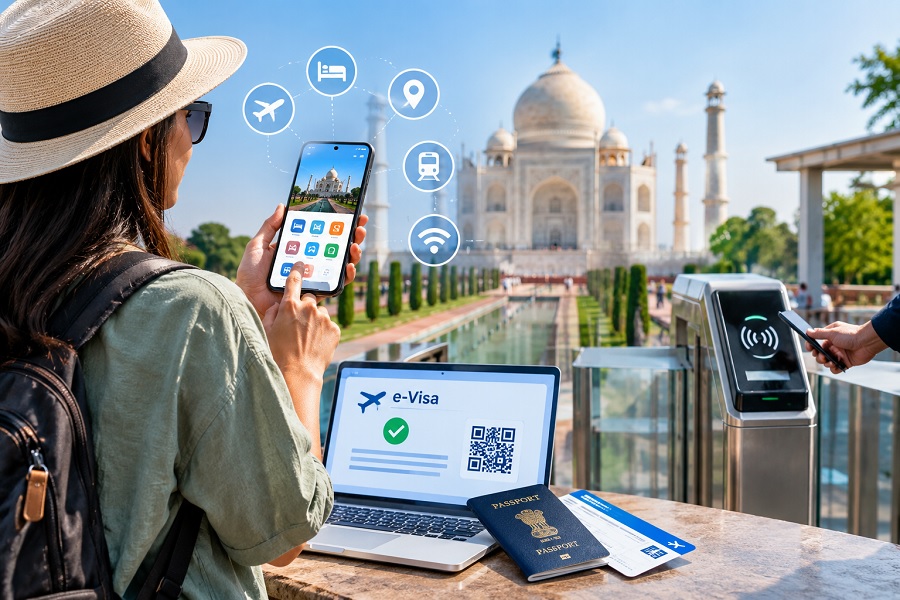
Smart Tourism in India: Digital Platforms, e-Visa and Contactless Travel
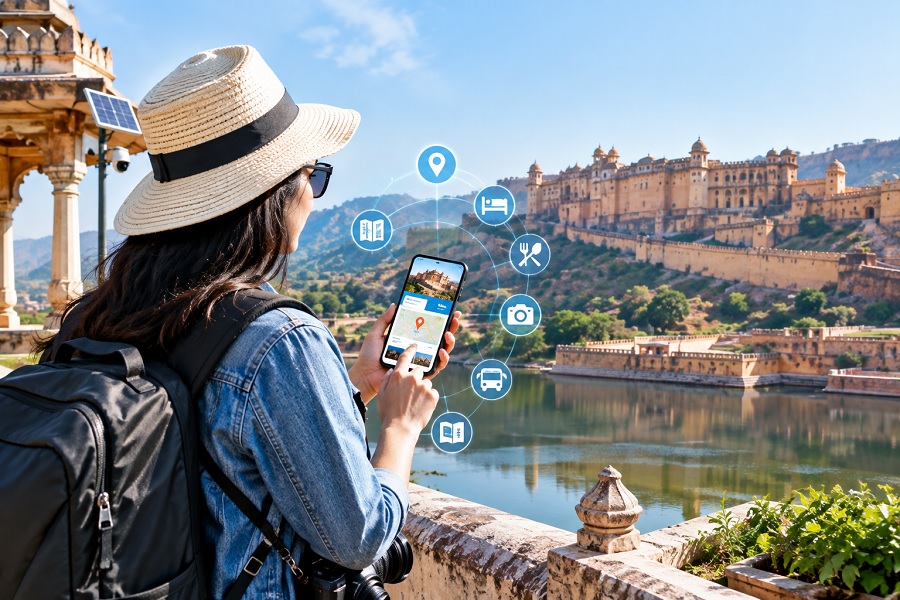
Smart tourism in India is changing how travellers discover destinations, plan holidays, make bookings and access travel services. Digital platforms, mobile applications, online visa services, AI-based travel assistance and digital payments are becoming increasingly important parts of the modern tourism experience.
The idea of smart tourism goes beyond simply using a website to book a hotel. It involves connecting information, technology and travel services so visitors can access useful information and services before, during and after their journey.
What Is Smart Tourism?
Smart tourism refers to the use of digital technologies to improve the travel experience and support destinations, businesses and visitors.
In India, this includes online travel information, digital booking services, mobile tourism applications, electronic visa processing, digital payments, AI-powered recommendations and other technology-enabled services.
The Ministry of Tourism has been encouraging the use of technology and digital components in tourism projects, including tools designed to improve visitor experiences.
Incredible India Digital Platform
The revamped Incredible India Digital Platform is designed as a comprehensive digital resource for travellers and tourism stakeholders. According to the Ministry of Tourism, the platform includes an AI-powered tool that can personalise visitor experiences and provide services such as real-time weather information, city exploration and travel-related services.
The platform has also been connected with online travel agents and tourism stakeholders for services including flight, hotel, cab and bus bookings, as well as tickets for ASI monuments. It also connects with the NIDHI system to provide information about registered tourism service providers.
The official Incredible India website also provides destination information across categories such as heritage, wildlife, adventure, gastronomy, wellness, rural tourism, festivals and nature. It offers a mobile application for travellers as well.
e-Visa Services for International Travellers
Electronic visa services have made the initial visa application process more convenient for eligible international visitors. India's official e-Visa system allows eligible travellers to apply online, upload required documents, pay the applicable fee electronically and receive an Electronic Travel Authorization by email.
The current official system includes categories such as e-Tourist, e-Business, e-Medical, e-Medical Attendant, e-Student, e-Transit and other eligible categories. The exact eligibility and conditions depend on nationality and visa category.
The official Incredible India visa portal also provides country-specific information about whether travellers may use e-Visa or need another visa route.
e-Arrival Information
Digital travel processes also extend beyond visa applications. India's official e-Visa portal states that foreign visitors and OCI cardholders can complete an e-Arrival card online within 72 hours before arriving in India through the designated government websites or the official Indian Visa Su-Swagatam mobile application.
The e-Arrival card is arrival information and should not be confused with a visa.
Contactless and Digital Travel
Contactless travel is becoming an important part of modern tourism because travellers increasingly expect digital options for information, reservations and payments.
Online hotel and transport booking, digital tickets, mobile travel information and QR-based payments can reduce the need for physical paperwork and cash transactions. These services can be particularly useful for international visitors who want to manage more of their journey through a smartphone.
India's digital payments ecosystem is also being extended to international visitors in selected contexts. In February 2026, NPCI announced the extension of its UPI One World wallet service to international delegates from more than 40 countries attending the India AI Impact Summit. The pilot allowed visitors to make merchant UPI payments without an Indian mobile number or bank account.
AI and Personalised Travel
Artificial intelligence is becoming another important element of smart tourism. AI can help organise travel information, personalise destination discovery and support visitors in finding relevant experiences.
India's Ministry of Tourism has identified the use of AI, augmented reality, virtual reality and data-driven personalisation as part of the planned development direction for the Incredible India Digital Platform.
For travellers, this can mean more personalised suggestions based on interests such as heritage, food, wellness, adventure, wildlife or cultural experiences.
Digital Travel Planning
Modern travellers can complete much of their trip planning online. Destination research, accommodation searches, transportation reservations, attraction information and itinerary planning can all be handled digitally.
The Incredible India platform provides information across a wide range of tourism themes, including cultural and spiritual destinations, adventure, gastronomy, wellness, rural tourism, sustainable tourism and nature experiences.
Smart Tourism for International Visitors
International tourists benefit from digital tourism because it can reduce some of the complexity associated with planning an overseas trip.
Online visa applications, digital arrival processes, destination information and electronic payments can make important stages of the journey more accessible. However, visitors should always use official government websites for visa and immigration information and verify current requirements before travel.
Benefits for Tourism Businesses
Smart tourism is not only useful for travellers. Hotels, tour operators, travel agents and destination managers can also benefit from digital platforms.
Online visibility can help tourism businesses reach new visitors, while integrated booking systems can make reservations easier to manage. Digital information can also help destinations promote lesser-known attractions and distribute tourism activity beyond major hotspots.
The Incredible India platform includes a directory of registered tourism service providers through its connection with NIDHI, supporting traveller access to tourism-related information.
Smart Tourism and Sustainable Travel
Technology can also support more responsible tourism. Better digital information can help travellers discover alternative destinations, plan journeys more efficiently and explore experiences outside heavily visited tourist centres.
When combined with responsible destination planning, digital tools can contribute to better visitor management, promotion of local experiences and more efficient use of tourism infrastructure.
Safety and Digital Security
While digital tourism offers convenience, travellers should remain careful when sharing personal and payment information.
Tourists should use official websites and verified applications when applying for visas or making important travel-related payments. India’s official e-Visa website specifically warns travellers about unofficial or fraudulent offers and directs applicants to the authorised system.
Travellers should also use secure internet connections, keep important travel documents backed up and avoid sharing sensitive information through unverified websites or messages.
The Future of Smart Tourism in India
The future of Indian tourism is likely to involve greater integration of digital information, AI, online services, electronic payments and personalised travel tools.
As technology develops, travellers may increasingly be able to discover destinations, organise itineraries, make bookings and access local experiences through interconnected digital platforms.
The development of smart tourism can also support India's wider goal of creating a more convenient and technology-enabled tourism ecosystem while showcasing the country's cultural heritage, natural landscapes and diverse travel experiences.
Conclusion
Smart Tourism in India is transforming the way people plan and experience travel. Digital tourism platforms, e-Visa services, online arrival processes, AI-powered travel tools and electronic payment systems are making many parts of the journey more accessible and connected.
For domestic and international visitors, these technologies can simplify travel planning while opening access to a wider range of destinations and experiences. As India's digital tourism infrastructure continues to develop, technology is becoming an increasingly important part of the country's modern tourism landscape.