Discover India on Two Wheels: A Complete Guide to Cycling Tourism
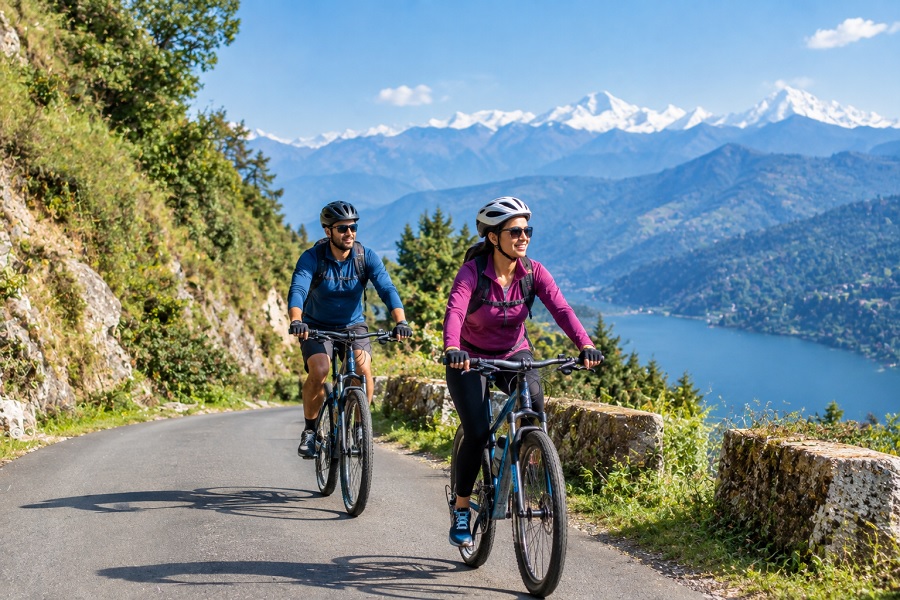
Cycling Tourism in India: Exploring the Country on Two Wheels
Cycling Tourism in India is becoming an increasingly interesting way to explore the country's landscapes, heritage, villages, cities and natural attractions. Travelling by bicycle offers a slower style of sightseeing that allows visitors to experience destinations more closely than conventional road travel.
From Himalayan mountain routes and Rajasthan's historic landscapes to Kerala's backwaters and coastal roads, India offers a wide variety of cycling experiences. The Ministry of Tourism has previously highlighted bicycle travel as a way to experience India's geographical diversity and cultural richness at a slower pace.
What Is Cycling Tourism?
Cycling tourism refers to travelling by bicycle primarily for leisure, recreation, sightseeing, adventure or cultural exploration.
It can include:
Short city cycling tours
Heritage cycling trails
Multi-day cycling holidays
Mountain cycling
Rural cycling
Coastal cycling
Adventure cycling
Cycling festivals and sporting events
Bicycle-based village tours
E-bike tourism
Cycling can be organised as a guided group tour, a self-guided journey or an independent trip.
Why Cycling Tourism Is Growing in India
Cycling provides travellers with an opportunity to experience destinations at a more relaxed pace. Instead of simply passing through a location, cyclists can stop at villages, markets, viewpoints, monuments, farms and local food establishments.
A 2026 report on bicycle tourism in India describes growing interest in slower and more immersive journeys that connect travellers with landscapes, local communities and cultural experiences.
Cycling also connects naturally with health, fitness and responsible tourism.
Major Types of Cycling Tourism in India
1. Heritage Cycling Tourism
Heritage cycling combines bicycle travel with historical and cultural exploration.
Chennai, for example, has hosted theme-based heritage cycling trails covering Portuguese, Armenian, American and George Town heritage, as well as other historical themes. The Tamil Nadu Tourism Development Corporation developed these trails with a local cycling group.
2. Mountain Cycling
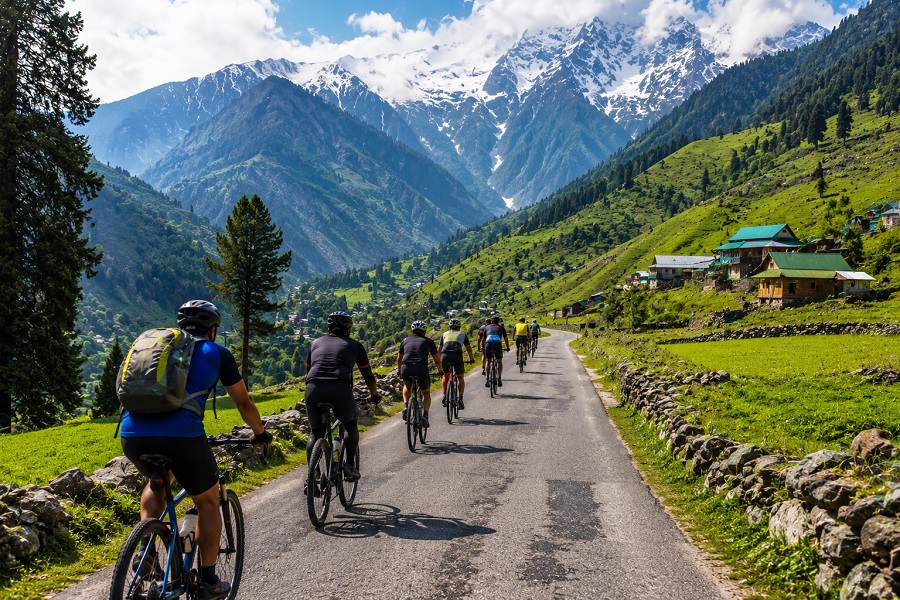
Mountain cycling attracts travellers interested in challenging terrain and spectacular scenery.
The Himalayas provide opportunities for experienced cyclists to explore high-altitude landscapes, mountain villages and scenic roads.
Popular concepts include:
Himalayan cycling
Manali-Leh cycling
Sikkim cycling
Arunachal Pradesh cycling
Uttarakhand mountain cycling
Himachal Pradesh cycling
3. Coastal Cycling
Coastal routes offer a combination of cycling, beaches, fishing villages and local cuisine.
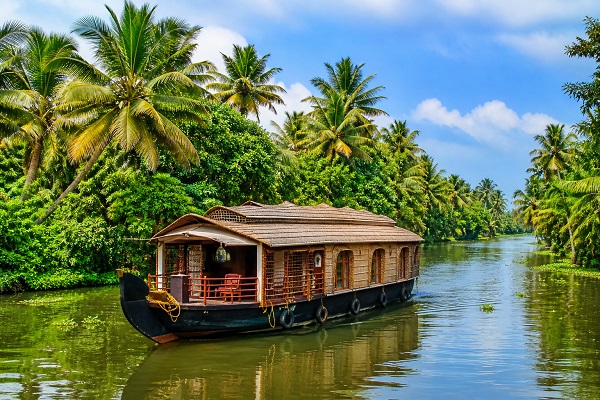
Kerala and the Konkan region are particularly suitable for travellers interested in combining cycling with coastal and cultural experiences. Current cycling-tour offerings include routes through Kerala's coast, backwaters and plantation landscapes as well as Konkan routes toward Goa.
4. Rural Cycling Tourism
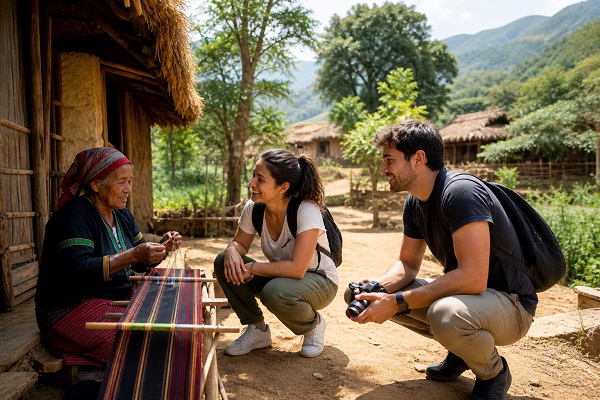
Rural cycling allows visitors to travel through villages, agricultural areas and smaller communities.
Travellers can experience:
Village landscapes
Farms
Local markets
Traditional homes
Rural food
Handicrafts
Local festivals
This form of tourism can create opportunities for local communities to participate in tourism-related activities.
5. Wildlife and Nature Cycling
Cycling can also be combined with nature-focused travel.
Certain cycling itineraries can connect forests, rural landscapes and wildlife destinations, although cyclists must follow the specific access, safety and conservation rules of protected areas.
6. City Cycling Tourism
Urban cycling tours provide an alternative way to discover major Indian cities.
Cyclists can explore:
Heritage neighbourhoods
Markets
Historic streets
Waterfronts
Parks
Cultural landmarks
Local food areas
City cycling can be particularly useful for short tourism experiences.
Popular Cycling Destinations in India
Kerala
Kerala offers a combination of backwaters, beaches, plantations, villages and hill landscapes.
Cycling itineraries can combine coastal roads with rural areas and plantation regions.
Rajasthan
Rajasthan provides opportunities to cycle through historic towns, rural landscapes and areas surrounding forts and palaces.
The state's relatively flat routes in some areas can also support moderate cycling itineraries.
Ladakh
Ladakh is associated with high-altitude cycling and challenging mountain terrain. It is more suitable for experienced cyclists who are properly prepared for altitude, weather and road conditions.
Sikkim
Sikkim combines mountain roads, forests, villages and Himalayan scenery, making it an option for adventure-oriented cycling travellers.
Tamil Nadu
Tamil Nadu offers heritage, temple-town, coastal and cultural cycling possibilities. Chennai's heritage cycling programme demonstrates how cycling can be used to explore the historical identity of a city.
Kerala's Kottayam-Thekkady Route
The Tour of Thekkady, held in March 2026, connected Kottayam with Thekkady through landscapes featuring lakes, rubber and tea plantations and cardamom estates. Kerala Tourism describes the event as a major cycling experience combining challenging terrain with cultural and natural exploration.
Andaman and Nicobar Islands
The Tour of Andaman offers a long-distance cycling experience across parts of the islands, combining beaches, mangroves, forests and coastal scenery. The tourism initiative describes a route spanning more than 300 km.
Cycling and Heritage Tourism
One of the biggest strengths of cycling tourism is its ability to connect transportation with heritage exploration.
Cyclists can stop at monuments, old neighbourhoods, temples, forts, museums and local markets without following the fixed schedule of a conventional sightseeing bus.
This makes cycling particularly suitable for destinations where the journey between attractions is itself part of the experience.
Cycling and Food Tourism
Cycling trips can also be combined with local food experiences.
A route may include stops at:
Traditional breakfast restaurants
Village food stalls
Farmers' markets
Local bakeries
Regional sweet shops
Tea plantations
Coffee estates
Local farms
This combination allows travellers to experience both the landscape and culinary identity of a destination.
Cycling and Wellness Tourism
Cycling is naturally connected with active and wellness travel.
The Government's Fit India cycling initiatives have expanded cycling activities across the country. In August 2026, the 88th edition of Fit India Sundays on Cycle was organised at more than 25,000 locations, demonstrating the scale of organised cycling participation in India.
Cycling tourism can therefore combine sightseeing with physical activity and outdoor recreation.
Cycling Events and Sports Tourism
Cycling events are becoming another part of India's sports-tourism landscape.
The Pune Grand Tour 2026 was announced as India's first international UCI 2.2 stage cycling race, with the event designed to highlight Pune's cultural, historical, religious and tourism landmarks.
Such events can bring cyclists, spectators and sports enthusiasts to destinations while creating opportunities for local tourism businesses.
Sustainable Cycling Tourism
Cycling is often associated with low-impact travel because bicycles do not require conventional fuel during operation.
The Ministry of Tourism's current strategy framework includes national strategies for sustainable tourism, rural tourism, adventure tourism and ecotourism.
Cycling tourism can support these broader goals when routes are planned responsibly and local environments are protected.
E-Bikes and Cycling Tourism
Electric bicycles can make cycling tourism accessible to a wider range of travellers.
E-bikes can be useful on:
Moderate hills
Longer routes
Urban sightseeing
Rural trails
Multi-day journeys
They can allow travellers with different fitness levels to participate in cycling experiences, although local rules and route conditions should always be considered.
Cycling Tourism for Solo Travellers
Cycling can be attractive to solo travellers who enjoy independent exploration.
Solo cyclists can choose their own pace and stop at locations that interest them.
However, longer solo cycling journeys require careful preparation, including route planning, emergency contacts, navigation, weather checks and appropriate safety equipment.
Family Cycling Tourism
Family-friendly cycling routes can provide an active alternative to conventional sightseeing.
Short, relatively flat routes with safe infrastructure, rest stops and nearby attractions can be more suitable for families than demanding long-distance or high-altitude routes.
Cycling Tourism for Beginners
Beginners can start with shorter routes before attempting demanding multi-day journeys.
A beginner-friendly cycling trip should ideally include:
Moderate distances
Safe roads or designated cycle paths
Frequent rest opportunities
Reliable accommodation
Access to food and water
Bicycle repair support
Clear navigation
Essential Safety Tips
Cyclists planning a tourism trip should:
Wear a properly fitted helmet.
Check the bicycle before departure.
Carry sufficient water.
Use lights and reflective equipment when required.
Check weather and road conditions.
Carry identification and emergency contacts.
Keep a basic repair kit.
Follow traffic rules.
Avoid riding beyond personal fitness limits.
Take additional precautions on mountain and high-altitude routes.
For remote or challenging routes, travellers should consider professional guides and appropriate support vehicles.
Planning a Cycling Holiday in India
Before booking a cycling tour, travellers should research:
Route distance
Elevation gain
Road conditions
Weather
Accommodation
Food and water availability
Bicycle type
Support vehicles
Medical assistance
Emergency arrangements
Permits where applicable
The level of difficulty should match the cyclist's experience and physical preparation.
Benefits for Local Communities
Cycling tourism can bring visitors to smaller towns and rural areas that may receive fewer conventional tourists.
Local businesses can benefit through:
Homestays
Local restaurants
Bicycle rentals
Repair shops
Guides
Farm experiences
Handicraft sales
Local transport
Cultural activities
This can help distribute tourism spending beyond major urban centres.
Future of Cycling Tourism in India
Cycling tourism is developing alongside India's broader interest in active, sustainable and experience-based travel.
The combination of cycling events, heritage trails, rural tourism, wellness travel and adventure tourism creates opportunities for new cycling routes across the country.
Government-supported cycling initiatives are also expanding participation. In 2026, cycling activities under the Fit India movement were being conducted across States and Union Territories through sports and community networks.
Improved tourism connectivity can further help travellers reach destinations from which cycling journeys can begin. The Ministry of Tourism has identified connectivity and last-mile access as continuing priorities for tourism development.
Conclusion
Cycling Tourism in India offers travellers a different way to experience the country. Instead of simply moving between attractions, cyclists can enjoy the landscapes, villages, food, heritage and local communities along the route.
From the mountains of Ladakh and Sikkim to the beaches of Kerala and the historic streets of Tamil Nadu, India's geographic and cultural diversity provides many possibilities for cycling-based travel.
With appropriate planning, safety measures and responsible tourism practices, cycling can become an enjoyable way to explore India while supporting active travel and local tourism economies.