Handicraft and Artisan Tourism in India: Explore Traditional Crafts and Local Artisans
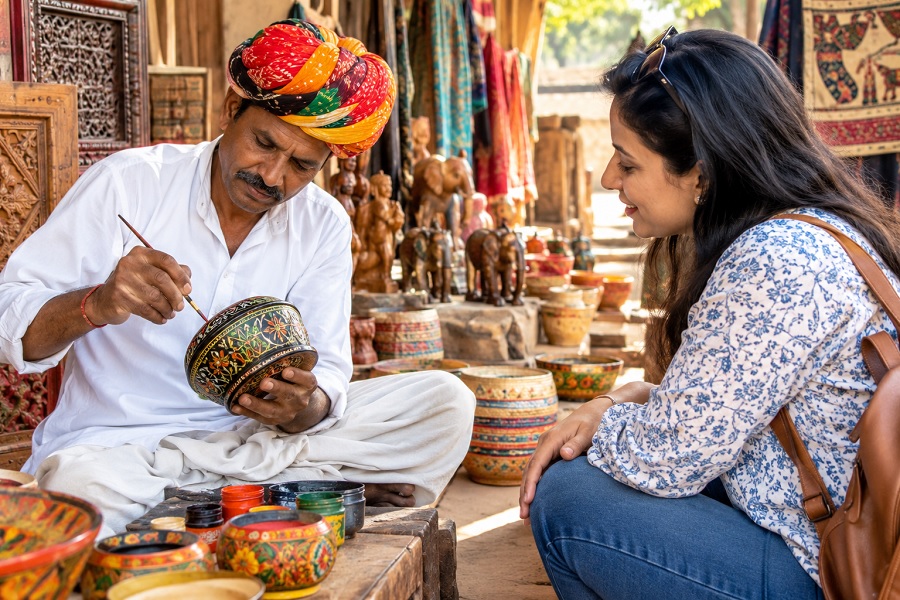
Handicraft and Artisan Tourism in India: Discover India's Traditional Craft Heritage
India is known for its diverse culture, traditions, and artistic heritage. One of the most interesting ways to experience this heritage is through handicraft and artisan tourism. From handwoven textiles and pottery to wood carving, metalwork, embroidery, jewellery, and traditional paintings, Indian handicrafts reflect the history and creativity of different communities across the country.
Handicraft tourism allows travellers to go beyond conventional sightseeing. Visitors can meet local artisans, explore craft villages, watch traditional techniques, purchase handmade products, and understand the stories behind India's artistic traditions.
What Is Handicraft and Artisan Tourism?
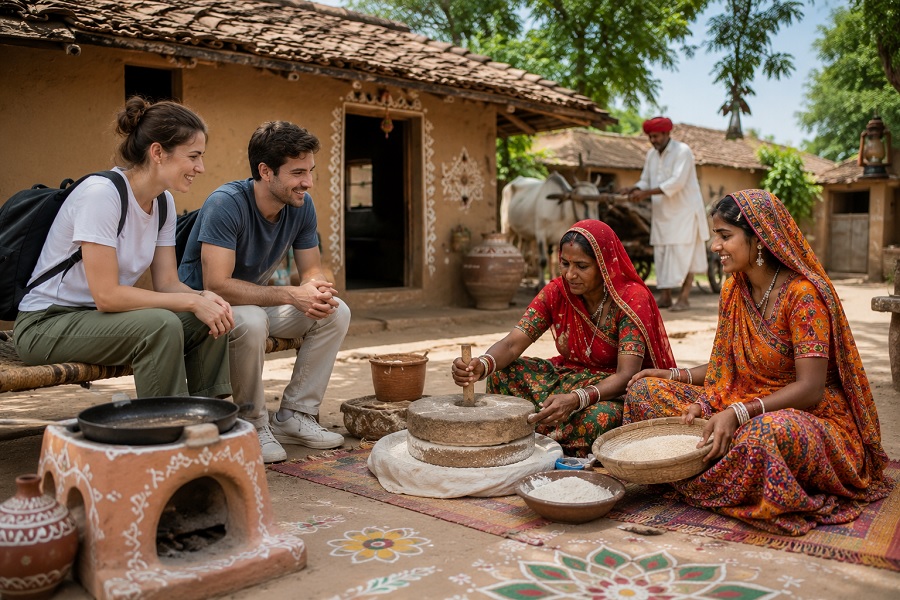
Handicraft and artisan tourism is a form of cultural tourism where travellers explore traditional crafts and interact with the people who create them. These experiences can include visiting artisan workshops, craft villages, museums, local markets, exhibitions, and cultural centres.
Instead of simply buying a handmade product, travellers can learn how it is designed, produced, decorated, and finished. This creates a deeper connection between visitors and local communities.
Why Handicraft Tourism Is Important in India
Handicrafts are an important part of India's cultural identity. Traditional crafts are often passed from one generation to another and can represent the history and customs of particular regions.
Artisan tourism can also provide opportunities for local craftspeople by creating additional demand for their products and experiences. Travellers who purchase directly from artisans can contribute to local economies while taking home products with cultural significance.
Popular Handicraft Experiences Across India
1. Handloom and Textile Tourism
India has a long tradition of handwoven textiles. Travellers can explore weaving communities and learn about techniques used to create sarees, shawls, carpets, scarves, and other products.
Different regions are known for distinctive weaving traditions, designs, patterns, and materials. Visiting a weaving workshop can give tourists an opportunity to see the process from yarn preparation to weaving and finishing.
2. Pottery and Terracotta Experiences
Pottery is another traditional craft that can be explored through tourism. Visitors can observe potters shaping clay on traditional wheels and creating decorative or functional objects.
Some workshops also offer hands-on sessions where tourists can make their own clay products. These activities can be particularly enjoyable for families and children.
3. Wood Carving Tourism
Wood carving traditions can be found in several parts of India. Skilled artisans transform wood into furniture, decorative objects, sculptures, toys, and architectural elements.
A visit to a traditional wood-carving workshop allows travellers to understand the patience and craftsmanship involved in producing handmade pieces.
4. Metal Craft and Traditional Metalwork
Metal crafts include decorative objects, utensils, sculptures, jewellery, and religious artefacts. Different communities use different techniques for shaping, casting, engraving, and decorating metals.
Travellers interested in traditional craftsmanship can explore workshops and craft markets to learn more about these techniques.
5. Traditional Painting Tourism
Indian folk and traditional painting traditions offer another fascinating tourism experience. Visitors can discover regional artistic styles, natural themes, religious subjects, mythology, village life, and nature-inspired artwork.
Buying paintings directly from artists or cooperatives can also provide support to traditional art communities.
6. Embroidery and Decorative Crafts
Embroidery is an important part of India's textile heritage. Different regions have their own stitches, patterns, colours, and decorative styles.
Tourists can explore embroidery workshops, local craft markets, and artisan communities to understand how intricate handmade designs are created.
Craft Villages and Artisan Markets
Craft villages are becoming popular attractions for travellers looking for authentic cultural experiences. These destinations may bring together artisans working in textiles, pottery, jewellery, painting, woodwork, bamboo crafts, and other traditional forms.
Local artisan markets are also excellent places to discover handmade products. Travellers should look for genuine handmade items and ask sellers about the materials, production process, and origin of the craft.
Best Indian Destinations for Handicraft Tourism
Rajasthan
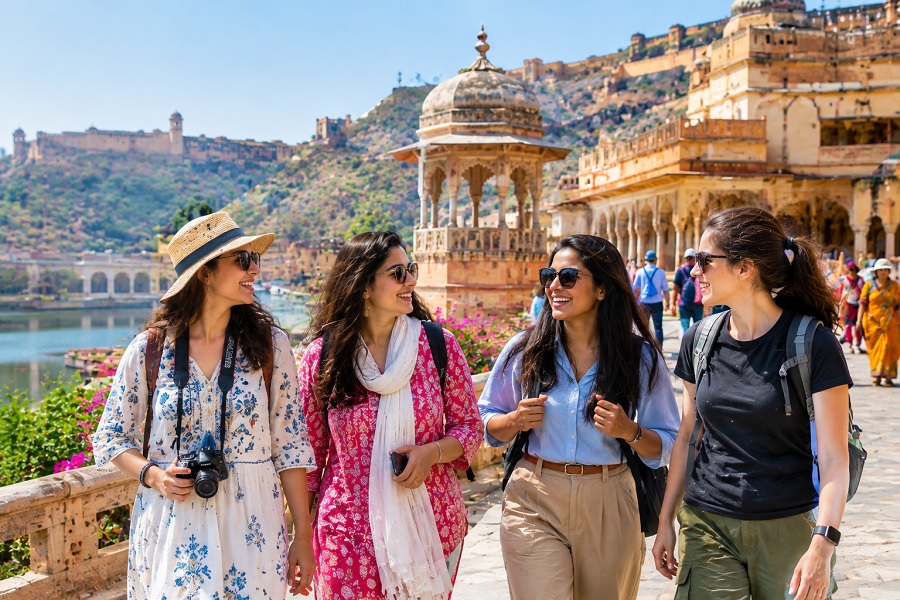
Rajasthan is widely known for colourful textiles, block printing, pottery, jewellery, leather crafts, miniature paintings, puppets, and decorative handicrafts. Jaipur, Jodhpur, Udaipur, Jaisalmer, and other destinations offer numerous opportunities to explore traditional crafts.
Gujarat
Gujarat has a rich craft heritage that includes embroidery, textiles, pottery, woodwork, beadwork, and traditional decorative arts. Rural craft communities can provide interesting cultural experiences for visitors.
Maharashtra
Maharashtra offers several traditional craft traditions, including Paithani weaving, Warli painting, pottery, bamboo crafts, and other regional arts. Visitors can combine craft exploration with heritage and village tourism.
Odisha
Odisha is known for traditional textiles, appliqué work, stone carving, wood carving, silver filigree, and traditional paintings. Craft-focused travel can be combined with visits to temples and cultural attractions.
West Bengal
West Bengal offers a variety of handicrafts including terracotta, kantha embroidery, handloom textiles, pottery, and traditional painting. Rural craft experiences can provide an insight into Bengal's artistic traditions.
Kerala
Kerala has a distinctive craft heritage involving coir products, wood carving, traditional metalwork, handloom textiles, and decorative objects. Craft markets can be combined with cultural and backwater tourism.
Karnataka
Karnataka offers traditional woodwork, silk textiles, metal crafts, pottery, and regional handicrafts. Travellers can explore craft traditions alongside historical and cultural attractions.
Northeast India
The northeastern states are particularly interesting for bamboo, cane, weaving, tribal crafts, textiles, and traditional handmade products. Craft tourism can help visitors understand the cultural diversity of the region.
Benefits of Buying Directly From Artisans
Buying directly from artisans can make a handicraft shopping experience more meaningful. Travellers can learn the story behind a product and understand the time and skill involved in making it.
Visitors should also respect artisans' work and avoid assuming that handmade products should always be heavily discounted. Fair purchasing practices can help create a healthier relationship between tourists and craft communities.
Handicraft Tourism for Families
Handicraft tourism can be an educational experience for families. Children can learn about traditional materials, artistic techniques, local culture, and the importance of preserving cultural heritage.
Workshops involving pottery, painting, weaving, or simple craft activities can make cultural travel more interactive.
Handicraft Tourism for Couples
Couples can include artisan markets and craft workshops in their travel itineraries. Creating pottery together, exploring colourful markets, or purchasing locally made souvenirs can add a cultural element to a holiday.
Handicraft Tourism for Solo Travellers
Solo travellers can explore craft markets, workshops, museums, and artisan villages at their own pace. Speaking with craftspeople can also provide an opportunity to learn about local traditions beyond conventional tourist attractions.
How to Plan a Handicraft Tourism Trip
Before visiting an artisan destination, travellers should research the local craft traditions and identify workshops, museums, craft villages, or markets that welcome visitors.
It is useful to check opening hours, workshop availability, photography rules, transportation, and payment options. Travellers should also carry suitable bags or protective packaging when purchasing fragile handmade products.
Responsible Handicraft Tourism
Responsible tourism is especially important when visiting artisan communities. Tourists should respect local customs, ask permission before photographing artisans, and avoid disturbing people while they work.
Travellers should also be cautious about products marketed as authentic when their origin or production method is unclear. Supporting genuine handmade products and recognised artisan groups can contribute to the preservation of traditional crafts.
The Future of Handicraft and Artisan Tourism
Technology is creating new opportunities for India's artisan communities. Online marketplaces, digital payments, social media, virtual workshops, and tourism platforms can help craftspeople reach customers beyond their local markets.
At the same time, physical tourism remains important because travellers can experience the making process, interact with artisans, and understand the cultural story behind handmade products.
The future of handicraft tourism is likely to combine traditional craftsmanship with modern tourism experiences while maintaining the authenticity of local artistic traditions.
Conclusion
Handicraft and artisan tourism in India offers travellers an opportunity to discover the country's cultural heritage through creativity and craftsmanship. From handloom weaving and pottery to painting, embroidery, metalwork, wood carving, bamboo crafts, and jewellery, every region offers its own artistic traditions.
Exploring artisan communities can turn an ordinary holiday into a meaningful cultural experience. By respecting local communities and purchasing genuine handmade products responsibly, travellers can enjoy India's craft heritage while contributing to the continued visibility of traditional artisans.








Top News
India?s economic catch-up over past decade worth celebrating: Top Economist