Navratri Tourism in India 2026: Best Cities for Garba, Dandiya and Festive Celebrations
Navratri and Garba Tourism in India: Best Destinations for Festive Celebrations
Introduction
Navratri is one of India's most vibrant cultural festivals, celebrated with devotion, traditional music, colourful clothing, folk dances and community gatherings. Dedicated to Goddess Durga and her nine forms, the festival brings people together to celebrate faith, tradition and the victory of good over evil. For travellers, Navratri offers a unique opportunity to explore India's regional cultures, traditional cuisine and spectacular festive celebrations.
Garba and Dandiya Raas are among the most popular attractions during Navratri, especially in Gujarat. Thousands of people gather in decorated grounds and cultural venues to perform traditional dances to energetic folk music. Cities such as Ahmedabad, Vadodara, Surat and Rajkot are well known for their large-scale celebrations, while other destinations across India offer their own distinctive Navratri traditions.
In 2026, Navratri tourism provides opportunities for cultural exploration, photography, local shopping, traditional food experiences and participation in community events. Visitors can experience the festival more meaningfully by learning about local customs, respecting religious traditions and supporting local businesses.
What Is Navratri and Garba Tourism?
Navratri and Garba tourism refers to travelling to destinations where visitors can experience Navratri celebrations, traditional Garba and Dandiya dances, religious ceremonies, festive markets and regional cultural programmes.
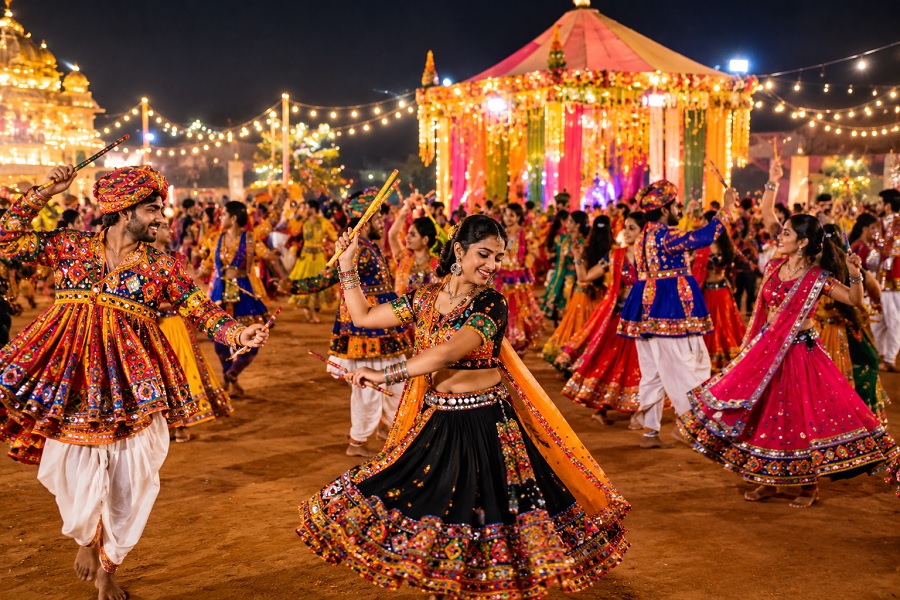
Garba is a traditional Gujarati folk dance performed in a circle, often around a decorated representation of a divine feminine symbol. Dandiya Raas is another popular folk dance in which participants use decorated sticks while dancing to rhythmic music.
During Navratri, destinations may organise public dance events, temple programmes, cultural performances, food festivals and traditional clothing exhibitions. The exact activities, entry requirements and schedules vary by location and organiser.
Best Destinations for Navratri and Garba Tourism in India
1. Ahmedabad, Gujarat
Ahmedabad is one of India's best-known destinations for Navratri celebrations. The city hosts large Garba events, community dance programmes and cultural gatherings throughout the festival.
Visitors can experience traditional Gujarati music, colourful chaniya cholis, kediyu outfits, local handicrafts and festive street food. Different venues may offer performances ranging from traditional folk Garba to modern arrangements.
Top experiences:
Attend an organised Garba event.
Explore local markets for traditional festival clothing.
Taste Gujarati snacks and festive vegetarian dishes.
Learn about the cultural significance of Garba.
2. Vadodara, Gujarat
Vadodara is widely associated with grand Garba celebrations and a strong connection to Gujarati cultural traditions. The city attracts visitors who want to experience energetic dance performances and large community gatherings.
Many events feature live folk music, coordinated dance performances and elaborate traditional attire. Visitors should check event schedules and ticketing information before travelling, as entry arrangements vary.
Top experiences:
Participate in a traditional Garba night.
Watch live folk music performances.
Explore local handicraft and clothing markets.
Enjoy Gujarati vegetarian cuisine.
3. Surat, Gujarat
Surat combines Navratri celebrations with a lively food and shopping scene. During the festival, event venues and community grounds host Garba and Dandiya programmes, attracting families, groups of friends and cultural travellers.
Visitors can explore textile markets for festive clothing and accessories while discovering local Gujarati food traditions.
Top experiences:
Attend a local Garba event.
Shop for colourful traditional outfits.
Explore regional snacks and sweets.
Experience the city's festive atmosphere.
4. Rajkot, Gujarat
Rajkot offers visitors another opportunity to experience Gujarati folk traditions during Navratri. Local celebrations can include community Garba, devotional music, traditional clothing and festive gatherings.
The city is suitable for travellers who want to explore regional culture beyond the largest metropolitan events.
Top experiences:
Join community dance programmes.
Discover local folk music traditions.
Visit markets selling traditional accessories.
Sample regional Gujarati dishes.
5. Mumbai, Maharashtra
Mumbai celebrates Navratri through organised Garba and Dandiya events, housing societies, cultural associations and community programmes. The city blends Gujarati traditions with its diverse urban culture.
Large venues may host ticketed dance nights, live performances and themed celebrations. Travellers should verify event details and transport arrangements in advance.
Top experiences:
Attend a Garba or Dandiya event.
Explore festive shopping markets.
Experience the city's multicultural celebrations.
Enjoy Gujarati and Maharashtrian vegetarian food.
6. Pune, Maharashtra
Pune offers a lively Navratri experience through community celebrations, college events, cultural organisations and organised Garba nights. Visitors can find events suited to different age groups and levels of dance experience.
The city is a convenient option for travellers seeking festive activities without making a long journey to Gujarat.
Top experiences:
Join a beginner-friendly Garba session.
Attend a cultural dance programme.
Shop for traditional festival clothing.
Enjoy local snacks and vegetarian festive meals.
7. Kolkata, West Bengal
Kolkata is famous for its spectacular Durga Puja celebrations, which take place during the broader festive season associated with Navratri. The city features artistic pandals, elaborate Goddess Durga idols, cultural performances and traditional food.
Although the celebration style differs from Gujarat's Garba tradition, Kolkata is an excellent destination for travellers interested in the wider cultural significance of the festival.
Top experiences:
Visit artistic Durga Puja pandals.
Explore traditional Bengali food.
Observe cultural performances and rituals.
Photograph festive decorations respectfully.
8. Delhi, India
Delhi celebrates Navratri through religious programmes, Ramleela performances, Garba events and Dandiya nights. Visitors can experience a mixture of devotional activities and modern organised celebrations.
Event venues and community programmes vary each year, so advance planning is useful.
Top experiences:
Attend a Garba or Dandiya event.
Watch a traditional Ramleela performance.
Visit temples hosting Navratri programmes.
Explore festive markets and vegetarian food stalls.
9. Jaipur, Rajasthan
Jaipur offers a cultural Navratri experience shaped by Rajasthani traditions, temple visits, local markets and festive gatherings. Some venues organise Garba and Dandiya events, while others focus on devotional programmes and regional performances.
Travellers can combine festival activities with visits to Jaipur's historic architecture and traditional craft markets.
Top experiences:
Explore traditional clothing and jewellery markets.
Attend local cultural performances.
Visit temples during Navratri.
Discover Rajasthani vegetarian cuisine.
10. Hyderabad, Telangana
Hyderabad offers a blend of regional and Gujarati-inspired Navratri celebrations. Garba and Dandiya events take place at selected venues and community spaces, while other festive programmes focus on devotional traditions.
Visitors can also explore local markets and enjoy the city's diverse culinary culture.
Top experiences:
Attend an organised Garba night.
Explore festive shopping areas.
Experience local cultural gatherings.
Try regional vegetarian food.
Traditional Garba Clothing and Festive Shopping
Traditional clothing is an important part of Navratri celebrations. Many participants wear colourful outfits that reflect regional identity and festive creativity.
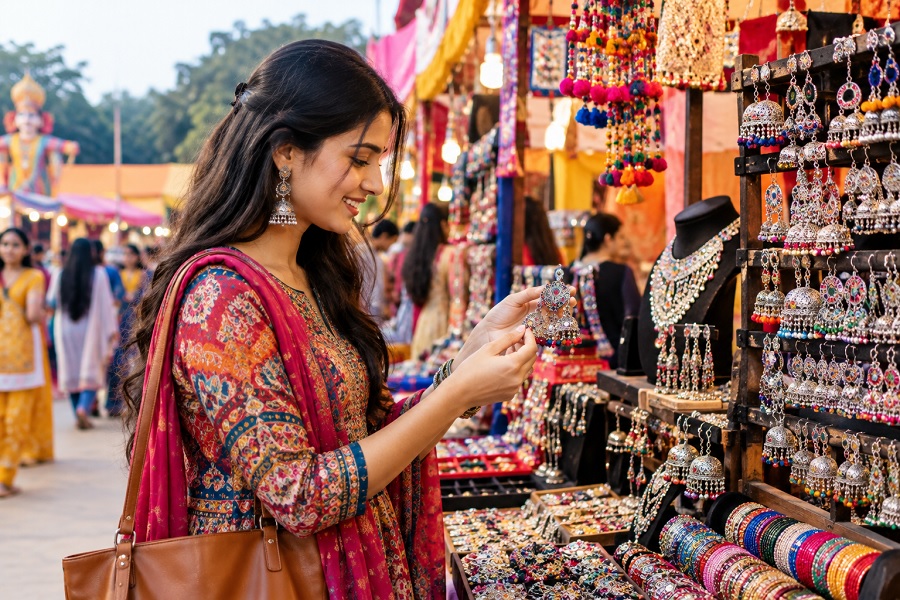
Women commonly wear chaniya choli with embroidery, mirror work, colourful skirts and traditional jewellery. Men may wear kediyu, dhoti or other traditional Gujarati outfits.
Popular shopping items include:
Embroidered chaniya cholis and kediyu outfits.
Traditional jewellery and bangles.
Decorative dupattas and turbans.
Dandiya sticks.
Handcrafted accessories and embroidered bags.
Travellers can support local artisans by purchasing handmade products from reputable local shops and craft markets. It is useful to compare prices and check garment quality before buying.
Navratri Food Tourism: Traditional Dishes to Try
Food is an important part of the Navratri travel experience. Regional dishes differ according to local customs, family traditions and dietary practices.
Popular options may include:
Sabudana khichdi: A dish made with tapioca pearls, often prepared during fasting.
Farali aloo: Potato-based preparations commonly served during fasting periods.
Rajgira puri: A fasting-friendly bread made using amaranth flour.
Kuttu preparations: Dishes prepared with buckwheat flour where local customs permit.
Gujarati snacks: Regional vegetarian snacks served at festive gatherings.
Traditional sweets: Locally prepared sweets enjoyed during celebrations.
Seasonal fruit dishes: Fresh fruit plates and fruit-based refreshments.
Not every dish is suitable for every person's fasting practice. Visitors should ask about ingredients, preparation methods and possible cross-contamination if they have dietary restrictions.
Religious and Cultural Experiences During Navratri
Navratri is not only a dance festival. It also has religious and cultural significance across different regions of India.
Travellers may experience:
Temple visits: Many temples organise special prayers, decorations and devotional programmes.
Aarti and devotional music: Visitors can observe prayers and devotional singing where public participation is permitted.
Community celebrations: Local groups organise dance nights, cultural performances and gatherings.
Regional traditions: Different states celebrate Navratri through distinct rituals, performances and forms of worship.
Traditional crafts: Festival markets showcase regional textiles, embroidery, jewellery and decorative items.
Visitors should follow venue instructions, dress respectfully at religious sites and seek permission before photographing worshippers or ceremonies.
Best Time to Plan a Navratri Tourism Trip in 2026
Navratri follows the Hindu lunar calendar, so its dates change each year. Sharad Navratri usually takes place during September or October.
For 2026 travel, check the relevant local calendar, temple announcements and event organiser schedules before booking transport and accommodation. The dates of individual Garba events, ticket releases and cultural programmes may differ.
Consider these planning tips:
Book accommodation early in popular festival cities.
Reserve tickets for major Garba events in advance.
Check local transport options for late-night travel.
Allow extra time for traffic and crowded venues.
Review event rules, entry requirements and age restrictions.
Keep a backup plan in case an outdoor event is affected by weather.
Accommodation and Travel Planning
Choosing the right accommodation can make a festival trip more comfortable. Consider hotels, guesthouses and serviced apartments located near your planned events.
Before booking, review:
Distance from the Garba venue or temple.
Late-night transport availability.
Room cleanliness and guest reviews.
Cancellation and refund policies.
Parking and accessibility facilities.
Availability of suitable vegetarian meals.
Travellers attending several events may prefer accommodation near a public transport route or within reasonable travelling distance of multiple venues.
Tips for First-Time Garba Participants
First-time visitors can enjoy Garba even without previous dance experience.
Learn a few basic Garba steps before attending.
Choose comfortable footwear suitable for dancing.
Carry water and take breaks when necessary.
Follow the dance circle and respect other participants' space.
Ask organisers about beginner-friendly areas or sessions.
Keep valuables secure in crowded venues.
Follow event instructions and photography rules.
Wear comfortable traditional clothing that allows free movement.
Participation is often more enjoyable when visitors focus on learning, respecting the culture and sharing the festive atmosphere rather than mastering every step.
Safety and Responsible Festival Tourism
Large festival gatherings require careful planning, particularly when events continue late into the night.
Travel with trusted companions where possible.
Agree on a meeting point in crowded venues.
Use authorised transport and verify your route.
Keep emergency contacts and accommodation details accessible.
Follow venue security instructions and crowd-management rules.
Stay hydrated and take rest breaks.
Dispose of waste responsibly.
Respect religious practices and local community rules.
Support local businesses and artisans fairly.
Families travelling with children should establish a meeting point and ensure children know how to identify event staff or security personnel.
Benefits of Navratri and Garba Tourism
Navratri tourism provides cultural, social and economic benefits.
Cultural preservation: Tourism creates opportunities to appreciate traditional dance, music, clothing and crafts.
Local economic support: Hotels, restaurants, transport providers, performers and artisans may benefit from increased visitor activity.
Community interaction: Travellers can learn about regional traditions and participate in shared celebrations.
Domestic tourism growth: Festival travel encourages visitors to explore cities and cultural destinations across India.
Creative opportunities: Photographers, content creators and cultural researchers can document festive traditions with appropriate permission.
Responsible tourism helps ensure that these celebrations remain respectful, welcoming and beneficial to local communities.
Navratri Tourism Trends in 2026
Several travel interests are shaping festival tourism:
Cultural immersion: Travellers seek authentic local experiences beyond major stage events.
Short festival holidays: Weekend trips and short city breaks make celebrations accessible to more visitors.
Food and shopping tours: Visitors combine Garba nights with regional cuisine and traditional markets.
Photography experiences: Travellers seek opportunities to capture costumes, decorations and cultural performances responsibly.
Family-friendly events: Some organisers provide programmes suitable for families and different age groups.
Digital event discovery: Online ticketing, maps and event updates help travellers organise their visits.
Specific services and trends vary by destination and event organiser.
Challenges of Navratri Tourism
Festival travel can also involve crowded public spaces, higher accommodation prices, transport delays and limited event availability. Visitors may find it difficult to secure tickets for popular celebrations at short notice.
Weather conditions, local noise restrictions and venue rules may affect outdoor events. Travellers unfamiliar with regional traditions may also need guidance about appropriate clothing, fasting customs and religious etiquette.
Advance reservations, flexible schedules, reliable transport and respect for local customs can help reduce these challenges.
Conclusion
Navratri and Garba tourism in India offers an exciting way to experience the country's cultural diversity, traditional music, dance, religious practices and festive cuisine. From the grand Garba celebrations of Ahmedabad and Vadodara to the Durga Puja festivities of Kolkata and community events in cities such as Mumbai, Pune, Delhi and Hyderabad, each destination provides a different perspective on the festive season.
By planning ahead, choosing suitable accommodation, checking event schedules and respecting local customs, travellers can enjoy a memorable festival holiday. Navratri tourism is not simply about attending a dance event; it is an opportunity to appreciate India's living traditions and support the communities that preserve them.


Top News
India?s economic catch-up over past decade worth celebrating: Top Economist