India’s Musical and Cultural Heritage: Travel Experiences to Discover
Music and Cultural Tourism in India
India's rich musical and cultural heritage makes it a fascinating destination for travelers interested in traditional arts, festivals, performances, crafts and local traditions. From classical concerts and folk performances to cultural festivals and heritage venues, music can become an important part of a journey across the country.
Music and Cultural Tourism in India combines travel with opportunities to experience regional traditions and meet the communities that preserve them. For travelers in 2026, it offers a way to explore India beyond conventional sightseeing.
What Is Music and Cultural Tourism?
Music and cultural tourism involves traveling to experience the artistic and cultural identity of a destination.
It can include:
Classical music concerts
Folk music performances
Cultural festivals
Traditional dance
Theatre performances
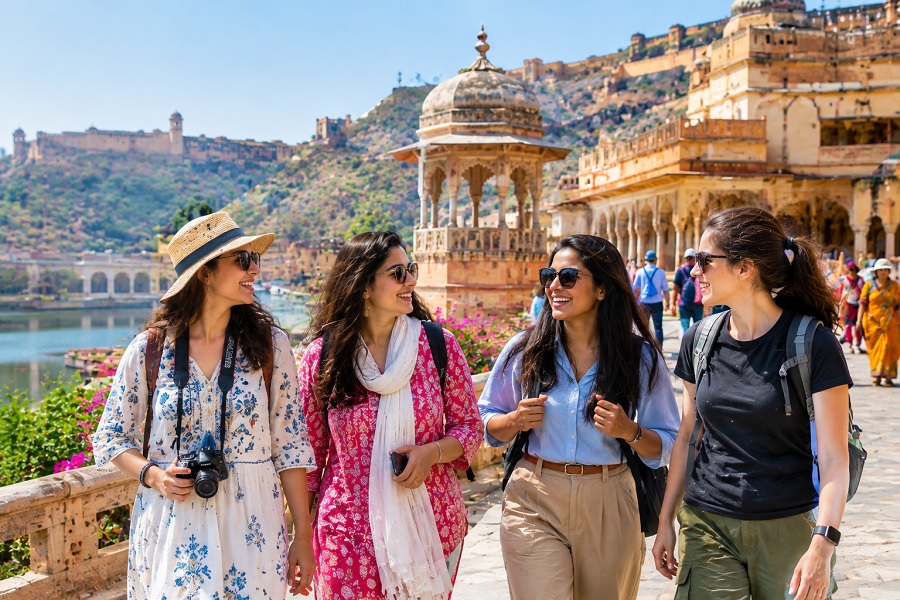
Heritage walks
Handicraft demonstrations
Local fairs
Traditional food experiences
Museums and cultural centers
Music heritage sites
Community-based cultural experiences
Each region of India has its own combination of languages, instruments, performing arts, clothing, cuisine and traditions.
Why Music Tourism Is Important in India
Music is closely connected to India's history and cultural traditions. Hindustani and Carnatic classical music, for example, have developed distinctive traditions, while numerous regional folk forms remain closely connected to local communities.
Traveling for music allows visitors to experience these traditions in the places where they developed and continue to be performed.
It can also encourage travelers to spend more time in a destination instead of visiting only its major tourist attractions.
Classical Music Experiences
India's classical music traditions provide opportunities for travelers to attend concerts, workshops and cultural programs.
Visitors can explore:
Hindustani classical music
Carnatic classical music
Instrumental performances
Vocal concerts
Traditional percussion
Music workshops
Heritage concert venues
Major cities and cultural centers regularly host performances, while specialized festivals can provide deeper exposure to particular musical traditions.
Folk Music Across India
Folk music provides another way to understand India's regional cultures.
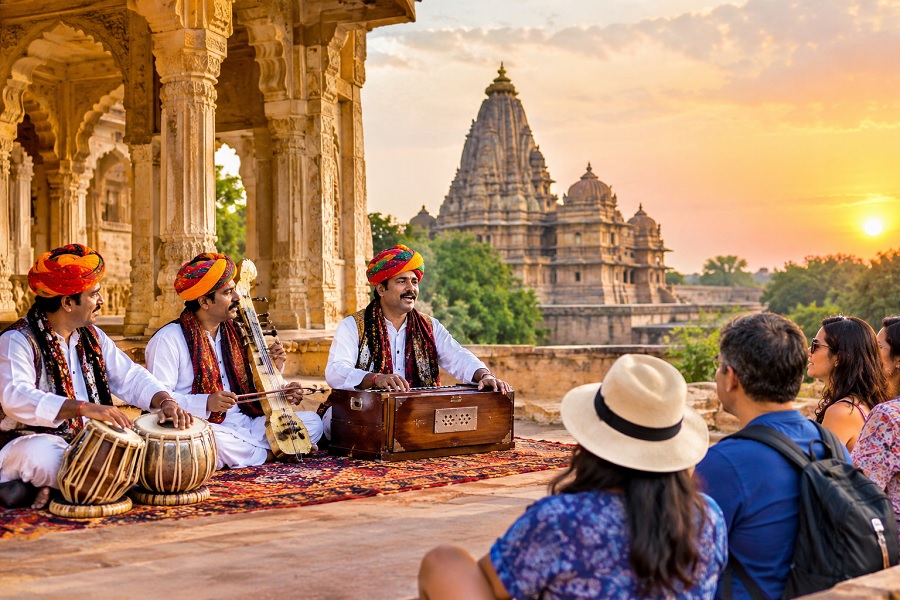
Different states and communities have their own musical styles, instruments and performance traditions. Rajasthan is widely associated with traditional folk performances, while other regions offer distinctive forms connected to local festivals, agricultural traditions, storytelling and community celebrations.
Travelers can seek performances organized by local cultural groups or community organizations rather than relying exclusively on commercial tourist shows.
Cultural Festivals
India hosts numerous festivals that bring together music, dance, crafts, food and traditional celebrations.
A cultural festival can give travelers the opportunity to experience several aspects of a region's heritage in one trip.
Before traveling for a particular festival, check the official event schedule because dates and programs can change annually.
Heritage and Music
Historic buildings, temples, forts, palaces and public spaces can provide important settings for cultural performances.
A heritage trip can therefore combine:
Morning: Heritage walk
Afternoon: Museum or craft experience
Evening: Traditional music or dance performance
Night: Regional food experience
This creates a well-rounded cultural itinerary rather than focusing on sightseeing alone.
Music Tourism Destinations in India
Rajasthan
Rajasthan offers a combination of folk music, traditional instruments, colorful festivals, crafts and historic architecture. Travelers can explore cultural performances alongside forts, palaces and local markets.
Maharashtra
Maharashtra has diverse musical traditions ranging from classical music to regional folk forms. Cultural tourism can include music festivals, heritage locations and local performing arts.
Kerala
Kerala is known for traditional performing arts, temple-related cultural traditions, classical music and dance. Travelers can combine cultural experiences with heritage and nature tourism.
Tamil Nadu
Tamil Nadu is an important destination for Carnatic music and classical dance. Cultural travelers can explore performances, temples, heritage cities and traditional arts.
Karnataka
Karnataka offers classical music traditions, folk performances, theatre and heritage tourism. Cities and cultural centers provide opportunities to experience different forms of performing arts.
West Bengal
West Bengal has a strong literary and musical heritage, with cultural experiences ranging from classical and folk traditions to festivals and contemporary arts.
Goa
Goa combines regional traditions with a diverse contemporary music scene. Travelers can explore cultural events, local festivals, heritage neighborhoods and traditional cuisine.
Music Festivals and Travel Planning
Music festivals can be an excellent reason to visit a destination, but planning ahead is important.
Travelers should check:
Festival dates
Venue location
Ticket availability
Accommodation
Transportation
Event timings
Weather conditions
Local rules
Booking accommodation early can be particularly useful for popular festivals.
Combining Food With Cultural Tourism
Food is an important part of India's cultural identity. Travelers attending cultural events can explore regional cuisine, traditional sweets, local snacks and community markets.
Food tours can complement music experiences by introducing visitors to the everyday traditions surrounding a destination.
For example, a traveler could attend a traditional performance in the evening and explore a local food market the following morning.
Traditional Arts and Crafts
Music tourism can also be combined with India's handicraft traditions.
Travelers can visit artisan communities and explore:
Handwoven textiles
Pottery
Woodcraft
Metalwork
Embroidery
Traditional painting
Handmade musical instruments
Purchasing directly from artisans or reputable local businesses can help support traditional craft communities.
India's Ministry of Tourism encourages responsible tourism practices that support local communities, local businesses and traditional products.
Community-Based Cultural Experiences
Community-based tourism gives visitors an opportunity to learn about local traditions directly from residents.
Depending on the destination, experiences may include:
Village cultural programs
Local storytelling
Traditional cooking
Folk performances
Craft workshops
Village walks
Agricultural experiences
These experiences can provide a more personal understanding of local culture while creating opportunities for local communities to participate in tourism.
Responsible Music and Cultural Tourism
Travelers should approach cultural experiences with respect.
Good practices include:
Ask before photographing people.
Follow venue rules.
Respect religious and cultural customs.
Avoid disrupting performances.
Purchase authentic local products when possible.
Avoid damaging heritage sites.
Choose responsible local operators.
Learn basic information about the tradition before participating.
Responsible tourism helps preserve cultural heritage while allowing visitors to enjoy meaningful experiences.
How to Plan a Music and Cultural Trip
Step 1: Choose a Cultural Theme
Decide whether your trip will focus on classical music, folk traditions, festivals, dance, heritage or a combination.
Step 2: Select the Destination
Research regions where your chosen cultural tradition has a strong presence.
Step 3: Check the Calendar
Look for concerts, festivals, exhibitions and cultural programs taking place during your travel dates.
Step 4: Add Local Experiences
Include markets, food tours, museums, craft workshops and heritage walks.
Step 5: Support Local Businesses
Choose local guides, artisans, restaurants and accommodations where practical.
Benefits of Music and Cultural Tourism
Music and cultural tourism can provide several benefits:
Encourages cultural awareness
Supports local artists
Creates tourism opportunities beyond major attractions
Helps preserve traditional art forms
Supports local businesses
Encourages longer stays
Creates meaningful travel experiences
Connects travelers with local communities
Future of Music and Cultural Tourism in India
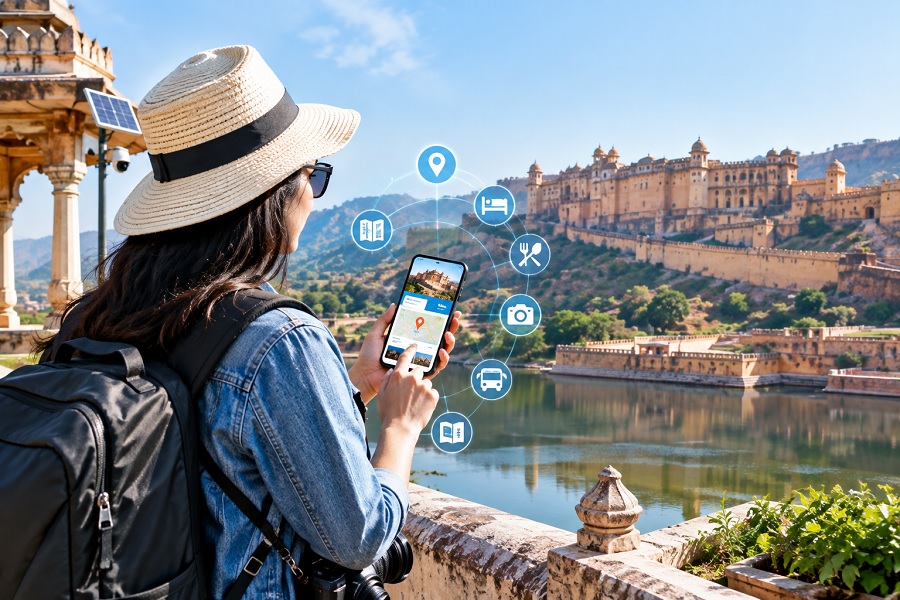
Technology is also changing how travelers discover cultural experiences. Digital event listings, online ticketing, travel apps and social platforms make it easier to find performances and festivals.
At the same time, travelers are increasingly interested in authentic experiences and local connections. This creates opportunities for smaller cultural organizations, artists and communities to reach new audiences.
The challenge is maintaining cultural authenticity while ensuring tourism does not commercialize or disrupt traditions. Responsible planning and community participation can help balance visitor interest with cultural preservation.
Conclusion
Music and Cultural Tourism in India offers travelers a meaningful way to explore the country's diverse traditions. From classical concerts and folk performances to festivals, handicrafts, heritage sites and regional cuisine, every journey can become an opportunity to discover a different side of Indian culture.
In 2026, travelers can create richer experiences by combining music with local food, heritage exploration and community-based activities. By respecting traditions and supporting local artists and businesses, visitors can enjoy India's cultural richness while contributing to its continued preservation.







Top News
India?s economic catch-up over past decade worth celebrating: Top Economist