Music, Poetry, and Oral Traditions in Cultural Tourism
Cultural tourism goes beyond sightseeing—it is an immersive journey into the heart of a community. One of the richest ways to experience a culture is through its music, poetry, and oral traditions, which reflect history, beliefs, and local identity. These forms of expression allow travelers to connect deeply with the soul of a place.
Music: The Universal Language
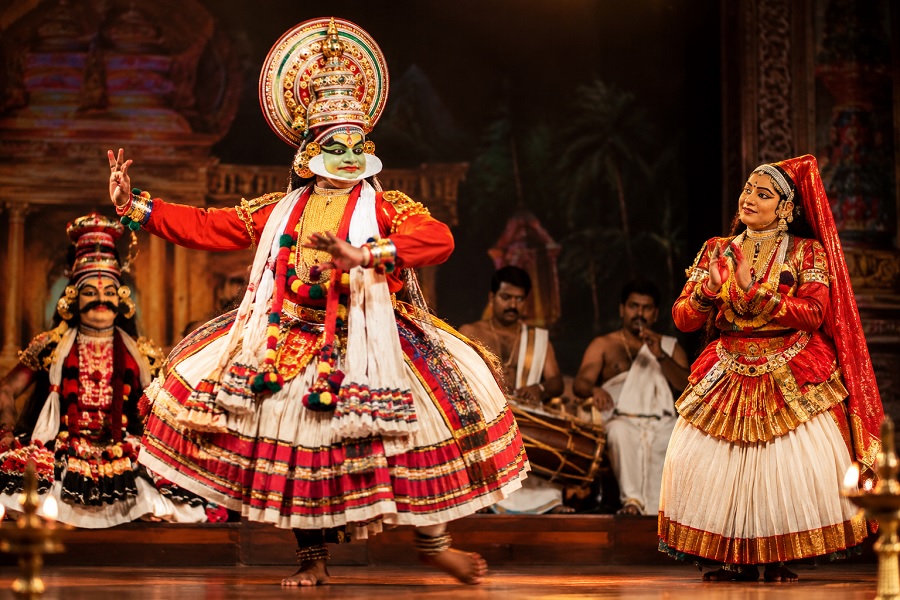
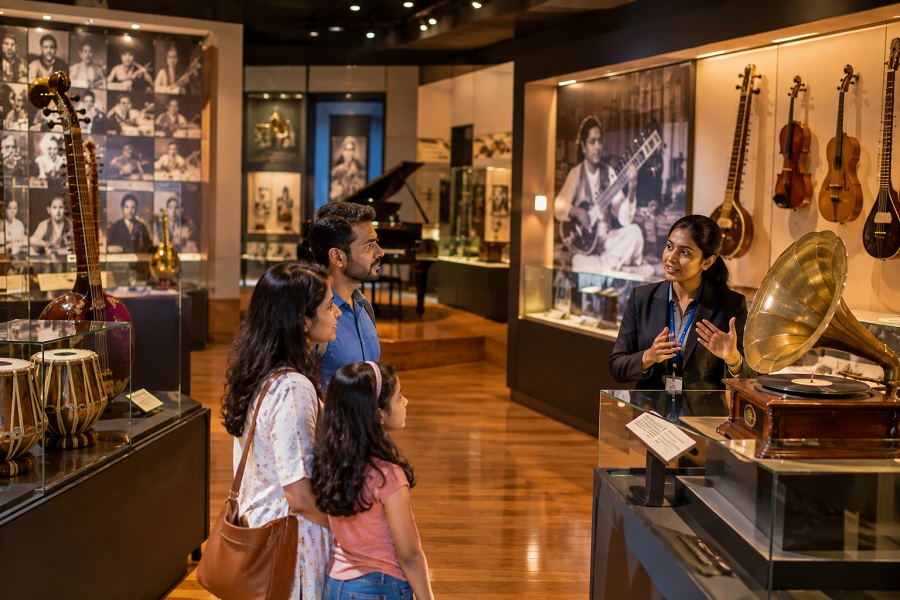
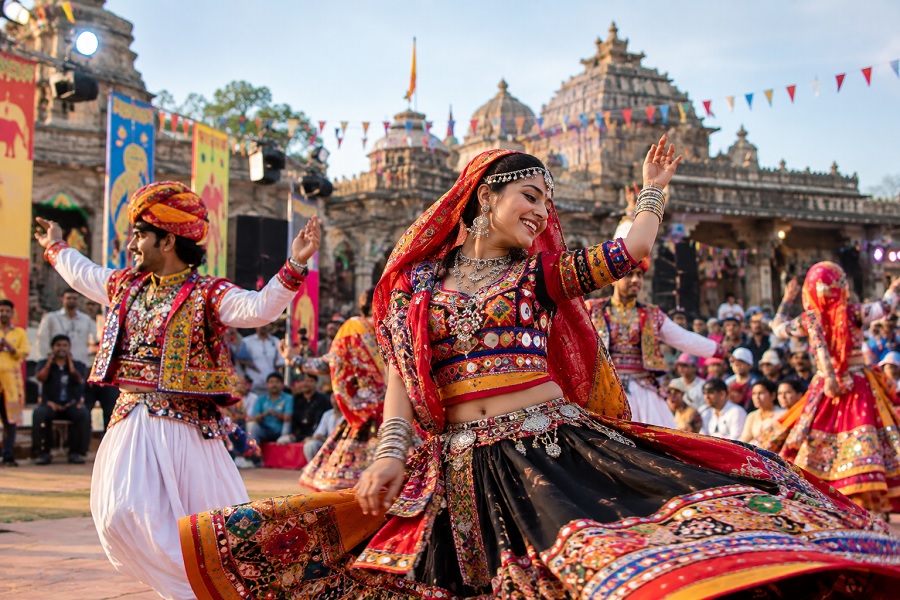
Music is a reflection of cultural identity. From the rhythmic drumbeats of West Africa to the serene classical ragas of India, each region offers a unique auditory experience. Attending local music festivals, live performances, or community gatherings lets travelers feel the emotions and stories behind the melodies. Music acts as a bridge, connecting visitors to traditions that have been passed down through generations.
Poetry: Words That Tell Stories
Poetry preserves cultural memory in its most elegant form. Traditional poems, ballads, and chants often tell stories of love, history, heroism, and everyday life. Many cultures still perform poetry orally, blending recitation with music and gestures. Participating in poetry sessions or storytelling nights allows tourists to experience a community’s values and worldview in a deeply personal way.
Oral Traditions: Living Heritage
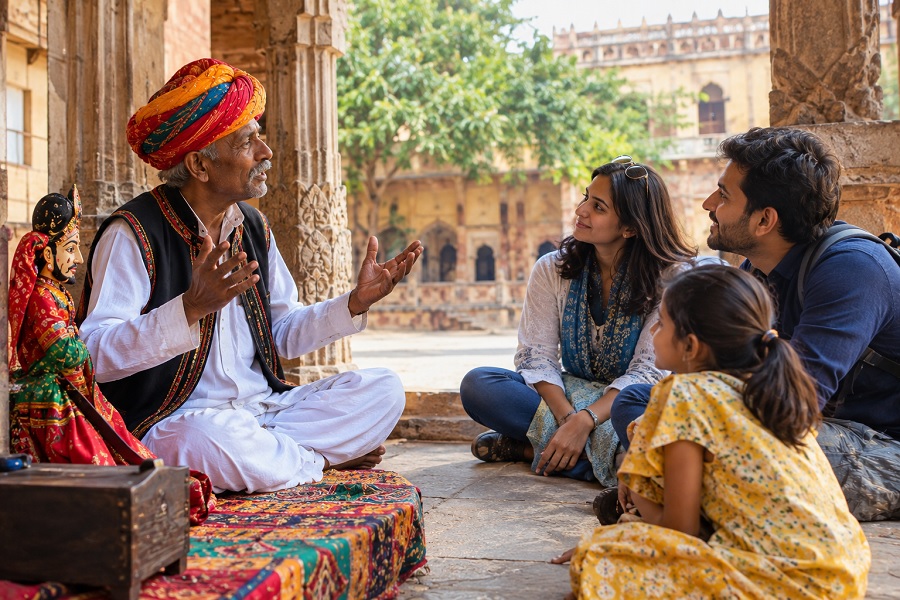
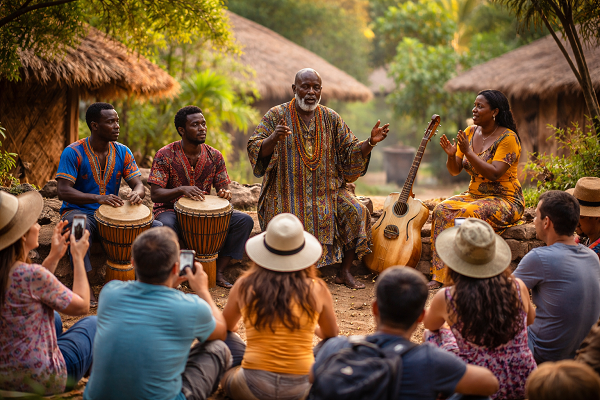
Oral traditions such as folktales, legends, and myths are essential to understanding a culture’s past and present. Storytelling sessions in villages or cultural centers give travelers insight into moral lessons, historical events, and social norms. These narratives preserve community wisdom and are often interactive, making visitors feel like part of the living heritage.
Immersive Cultural Experiences
Modern cultural tourism encourages participation. Travelers can learn local songs, recite poetry, or attend storytelling workshops led by elders and artists. Such experiences foster cultural appreciation, help preserve traditions, and create meaningful engagement for both visitors and local communities.
Conclusion
Music, poetry, and oral traditions are more than entertainment—they are the lifeblood of a culture. Experiencing them firsthand allows travelers to move beyond passive observation, becoming part of the community’s ongoing story. Cultural tourism through these expressions creates memories that resonate long after the journey ends.