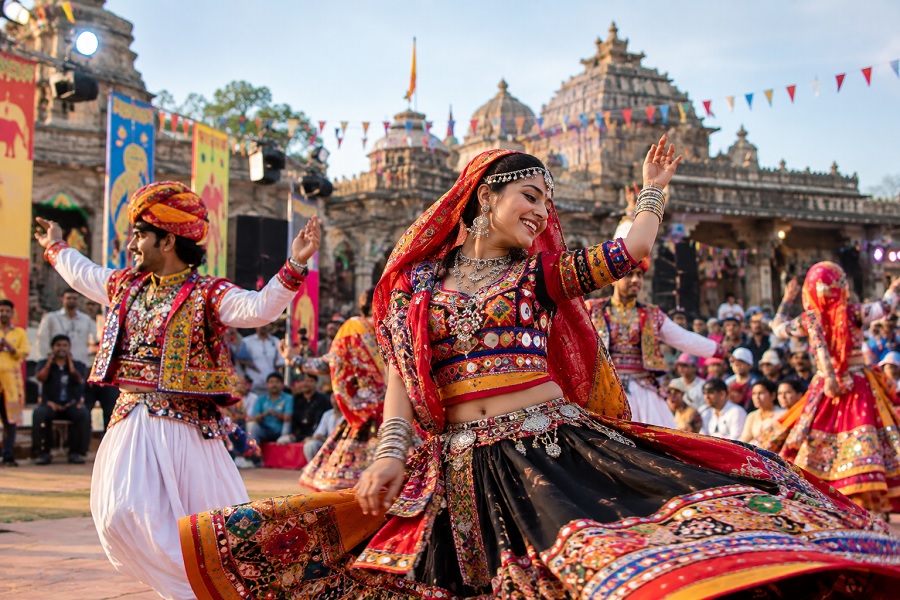
Cultural Tourism and Social Media Trends: How Digital Platforms Are Transforming Travel Experiences
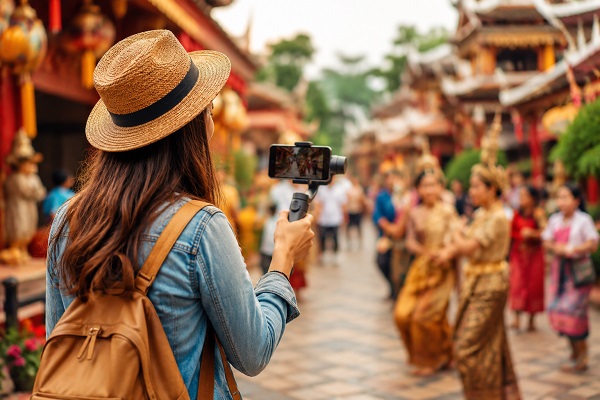
Cultural tourism has become one of the fastest-growing segments in the global travel industry. Modern travelers are now seeking deeper and more meaningful experiences beyond traditional sightseeing. They want to explore the history, traditions, food, festivals, music, architecture, and lifestyles of different communities. At the same time, social media platforms have completely changed the way people discover and experience cultural destinations.
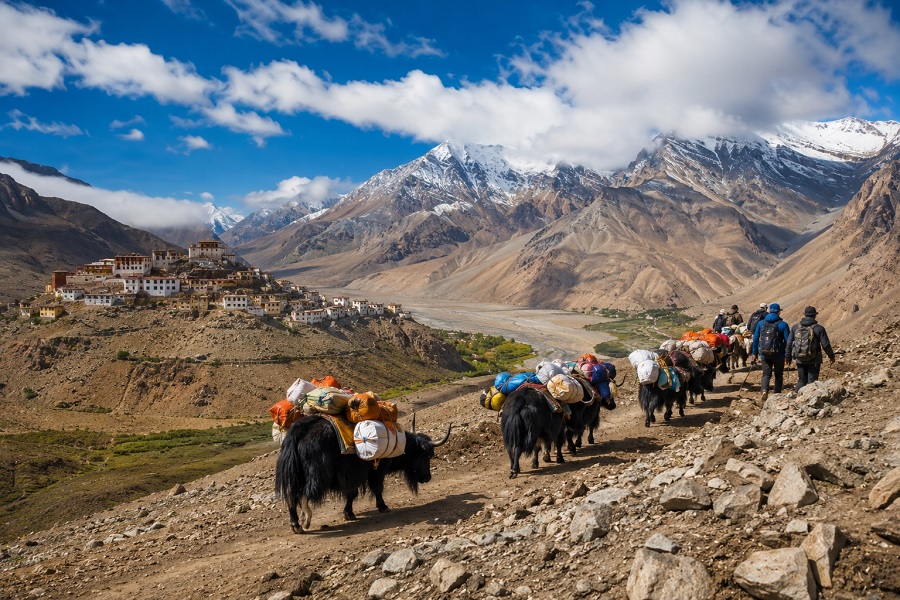
Today, platforms like Instagram, YouTube, Facebook, and TikTok play a major role in influencing travel decisions. A single viral travel reel featuring a colorful festival, ancient monument, or local street food market can inspire thousands of tourists to visit a destination. Travelers are increasingly choosing places that offer visually appealing and culturally rich experiences that can be shared online.
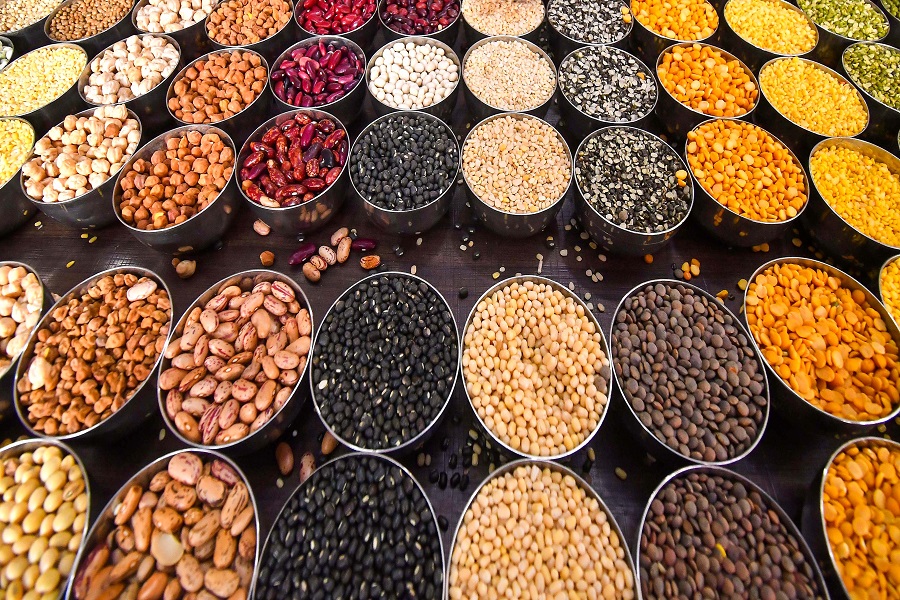
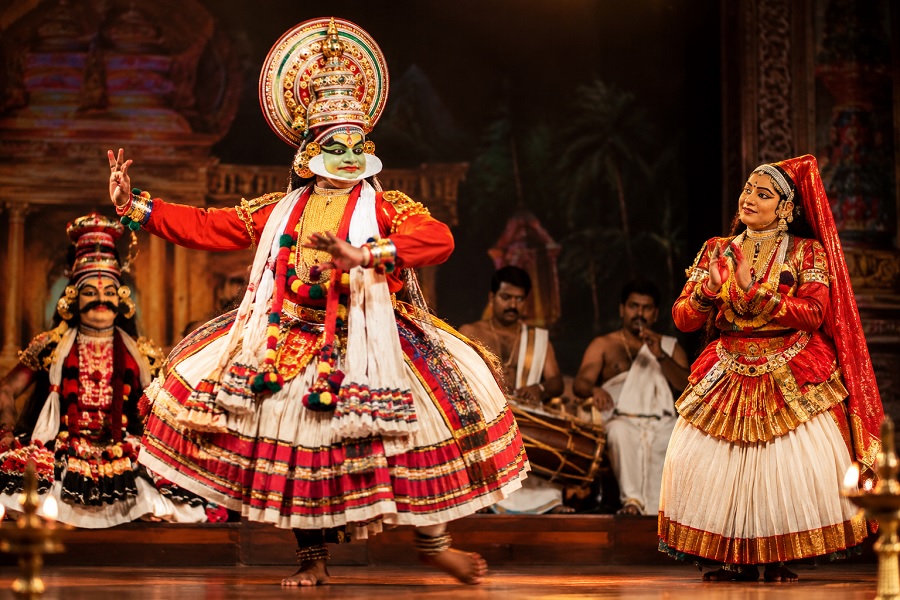
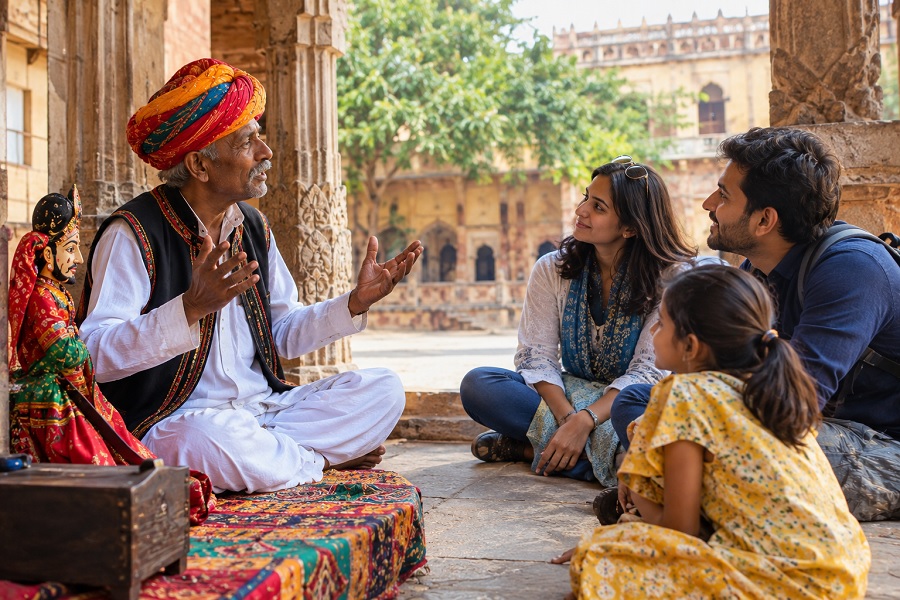
One major trend in cultural tourism is the rise of authentic travel experiences. Tourists are no longer satisfied with simply taking pictures at famous landmarks. Instead, they want to interact with local communities, participate in traditional ceremonies, learn regional cooking styles, and experience everyday cultural life. Social media encourages this trend by rewarding genuine storytelling and unique travel content.
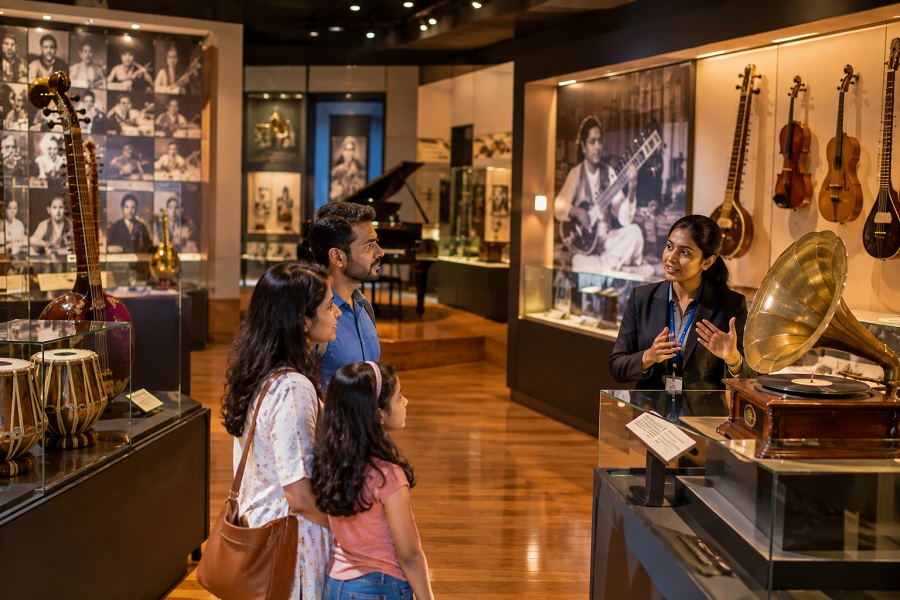
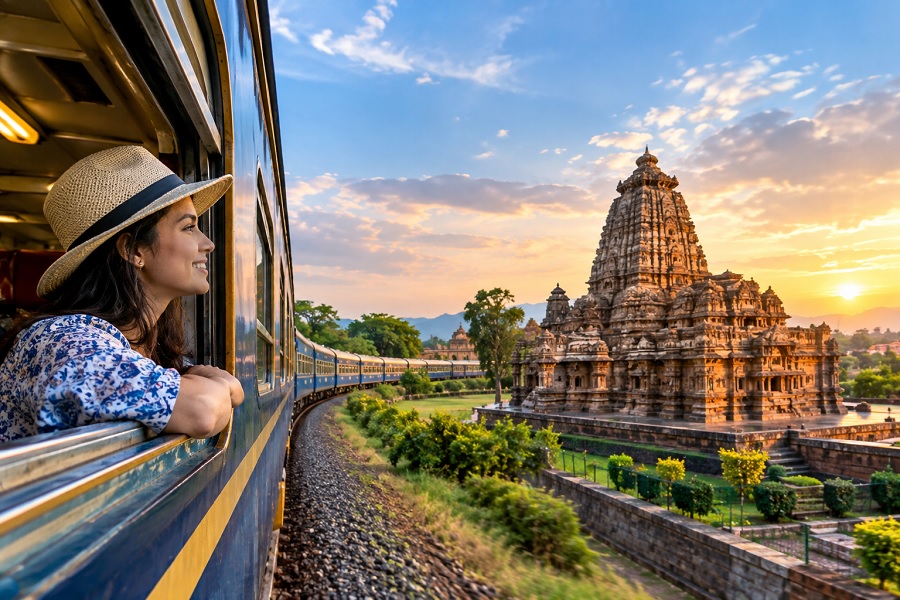
Heritage tourism has also gained popularity due to digital exposure. Historical forts, temples, museums, villages, and UNESCO heritage sites attract attention through stunning photography and short-form video content. Travel influencers and bloggers create engaging content that educates audiences about the importance of preserving cultural heritage while inspiring travel enthusiasts around the world.
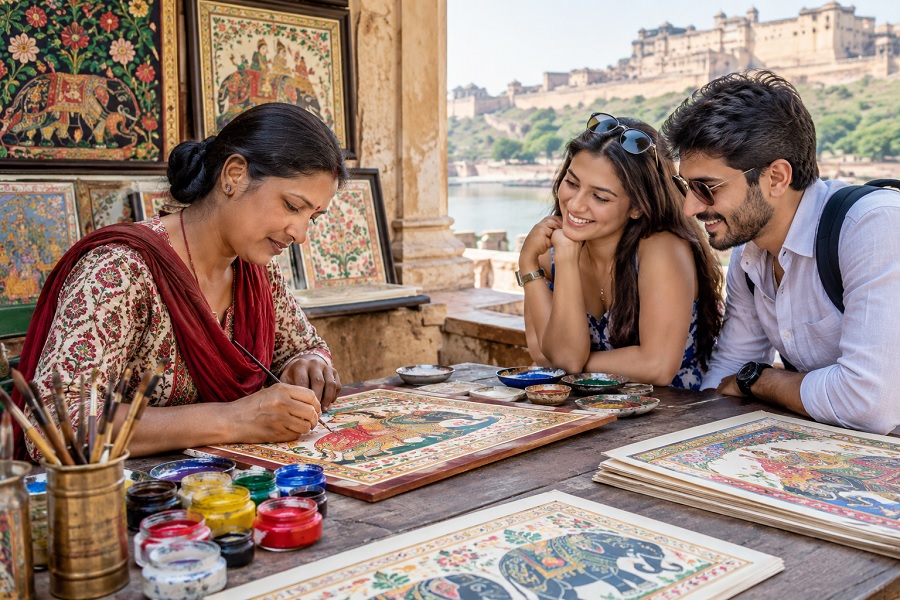
Another important aspect is the growth of local businesses through social media-driven tourism. Handicraft sellers, folk artists, local guides, and small restaurants often receive global visibility when travelers share their experiences online. This creates economic opportunities for local communities and helps preserve traditional art forms and cultural practices.
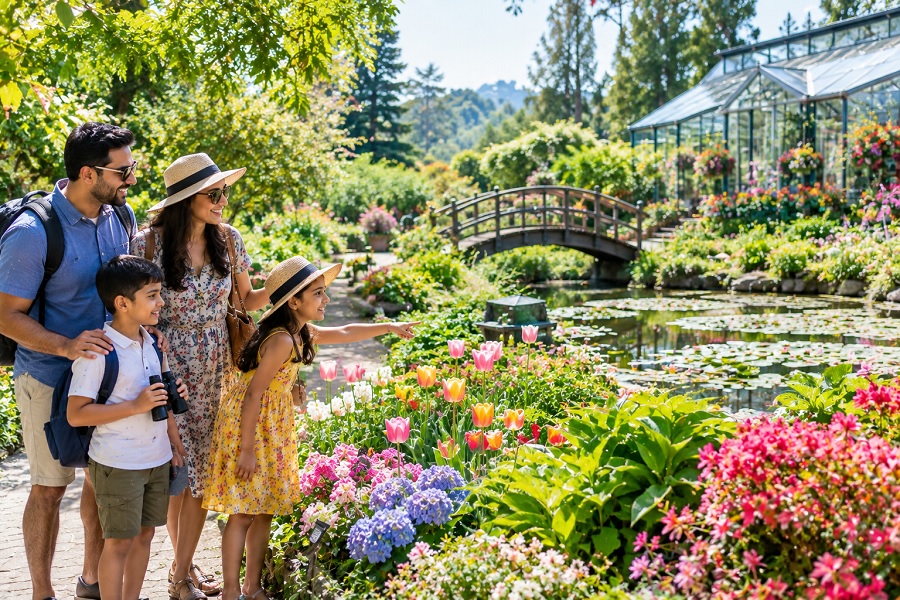
However, the influence of social media on tourism also brings challenges. Overcrowding at popular tourist spots, environmental pressure, and commercialization of traditions can affect local culture negatively. Many destinations are now promoting responsible tourism practices that encourage visitors to respect local customs, avoid cultural exploitation, and travel sustainably.
Technology is expected to further shape the future of cultural tourism. Virtual reality tours, augmented reality heritage experiences, AI-powered travel planning, and immersive digital storytelling are making cultural exploration more interactive than ever before. Social media will continue to serve as a bridge connecting people to diverse cultures and traditions worldwide.
Cultural tourism and social media together have created a new era of global travel where people not only visit destinations but also share stories, celebrate diversity, and inspire others to explore the world responsibly.