Diwali Festive Fashion Tourism: Discovering India's Traditional Fabrics and Handwoven Sarees
Diwali Textile Tourism: Exploring Traditional Indian Fabrics, Sarees and Festive Handloom Markets
Diwali, the Festival of Lights, is one of India's most colourful cultural celebrations. Along with traditional decorations, sweets, and family gatherings, shopping for new clothes is an important part of the festive season. Diwali textile tourism offers travellers an opportunity to explore India's rich textile heritage, traditional fabrics, handwoven sarees, regional craftsmanship, and vibrant handloom markets.
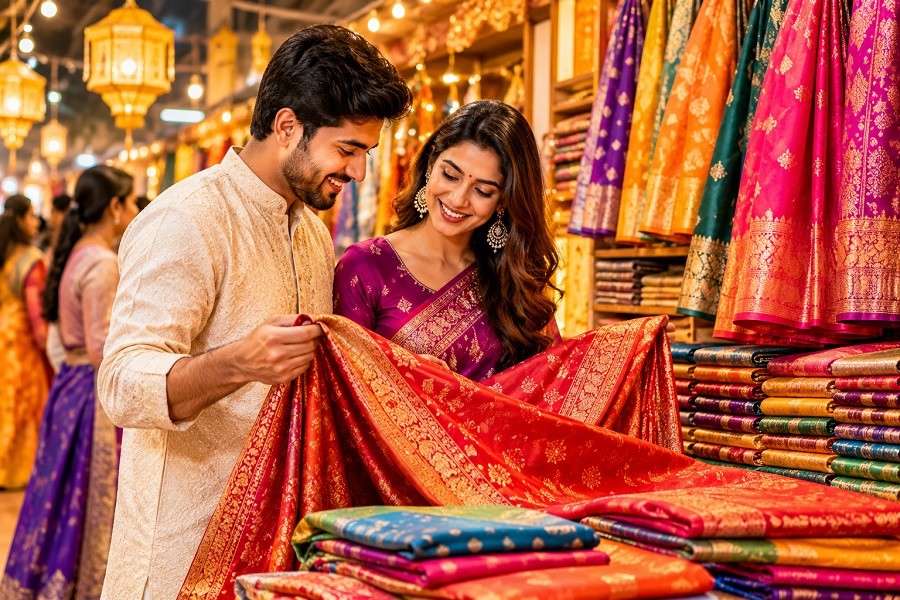
India has a diverse textile industry that represents centuries of artistic traditions, weaving techniques, embroidery styles, and cultural identities. During Diwali, textile markets across the country attract shoppers and tourists interested in traditional clothing, festive fashion, and locally made fabrics. These destinations provide a combination of cultural exploration, shopping experiences, and opportunities to discover the skills of local artisans.
Importance of Textile Tourism During Diwali
Textile tourism connects travellers with India's traditional clothing culture and regional craftsmanship. During Diwali, people purchase new outfits for Lakshmi Puja, family gatherings, festive celebrations, and social events.
Traditional sarees, silk fabrics, embroidered garments, ethnic wear, and handloom products become popular shopping choices. Tourists visiting textile destinations can explore local markets, interact with artisans, understand traditional weaving methods, and discover the cultural significance of different fabrics.
This form of tourism also helps promote regional textile traditions and supports local weaving communities.
Exploring India's Famous Traditional Sarees
Indian sarees are an important representation of the country's cultural and textile heritage. Different regions are known for their distinctive weaving techniques, materials, patterns, and designs.
Some popular traditional sarees include:
Banarasi Sarees: Famous for their intricate zari work, silk fabric, and traditional motifs from Varanasi.
Kanchipuram Silk Sarees: Known for rich silk, contrasting borders, and traditional temple-inspired designs from Tamil Nadu.
Paithani Sarees: Maharashtra's celebrated handwoven silk sarees featuring colourful peacock and floral motifs.
Chanderi Sarees: Lightweight traditional fabrics with delicate designs from Madhya Pradesh.
Patola Sarees: Recognised for their intricate double ikat weaving technique from Gujarat.
Bandhani Sarees: Popular for their traditional tie-and-dye patterns from Gujarat and Rajasthan.
Sambalpuri Sarees: Known for traditional ikat weaving and distinctive regional patterns from Odisha.
These sarees attract visitors interested in traditional Indian fashion and authentic regional craftsmanship.
Famous Indian Handloom Markets for Diwali Shopping
India has several renowned textile markets where visitors can explore traditional fabrics, handloom products, and festive clothing collections.
1. Varanasi, Uttar Pradesh
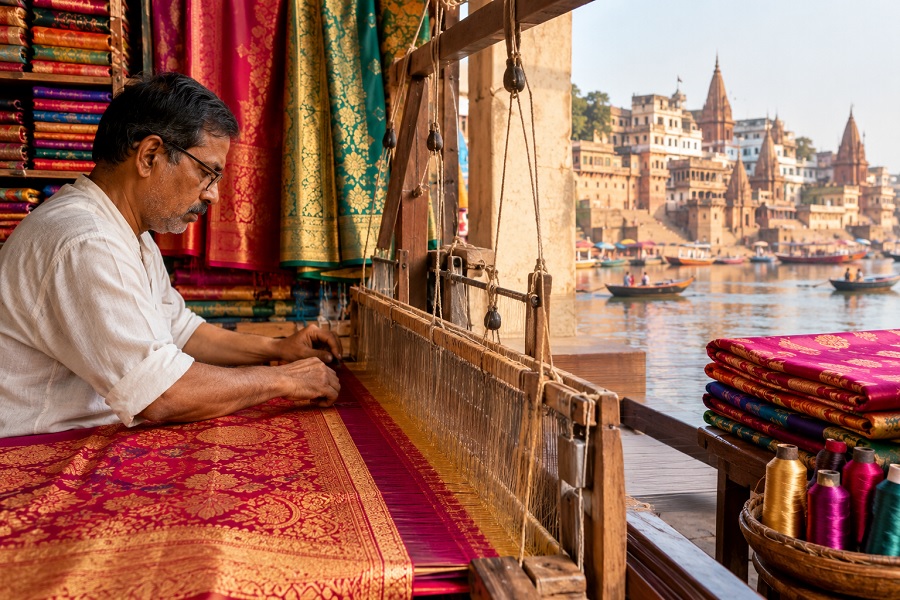
Varanasi is internationally recognised for its Banarasi silk sarees. Visitors can explore traditional weaving centres, textile shops, and local markets to understand the craftsmanship behind these luxurious fabrics.
2. Kanchipuram, Tamil Nadu
Kanchipuram is famous for its traditional silk sarees. Tourists can visit weaving centres and shops to discover the production techniques, traditional patterns, and cultural importance of Kanchipuram silk.
3. Jaipur, Rajasthan
Jaipur offers a wide variety of traditional textiles, including Bandhani fabrics, block-printed garments, embroidered clothing, and colourful ethnic wear. Its textile markets provide an attractive shopping experience during Diwali.
4. Surat, Gujarat
Surat is one of India's important textile manufacturing and trading centres. Visitors can explore sarees, dress materials, embroidered fabrics, and contemporary festive clothing.
5. Hyderabad, Telangana
Hyderabad is known for its traditional Pochampally ikat textiles, silk sarees, and vibrant ethnic clothing markets. It offers opportunities to discover regional weaving traditions.
6. Kolkata, West Bengal
Kolkata offers traditional Bengali sarees, including Tant, Baluchari, and Jamdani-inspired textiles. Local markets become particularly attractive during the festive shopping season.
7. Pune, Maharashtra
Pune provides access to traditional Paithani sarees, Maharashtrian ethnic wear, and regional handloom products. Markets and textile stores attract shoppers preparing for Diwali celebrations.
Traditional Weaving Techniques and Artisan Experiences
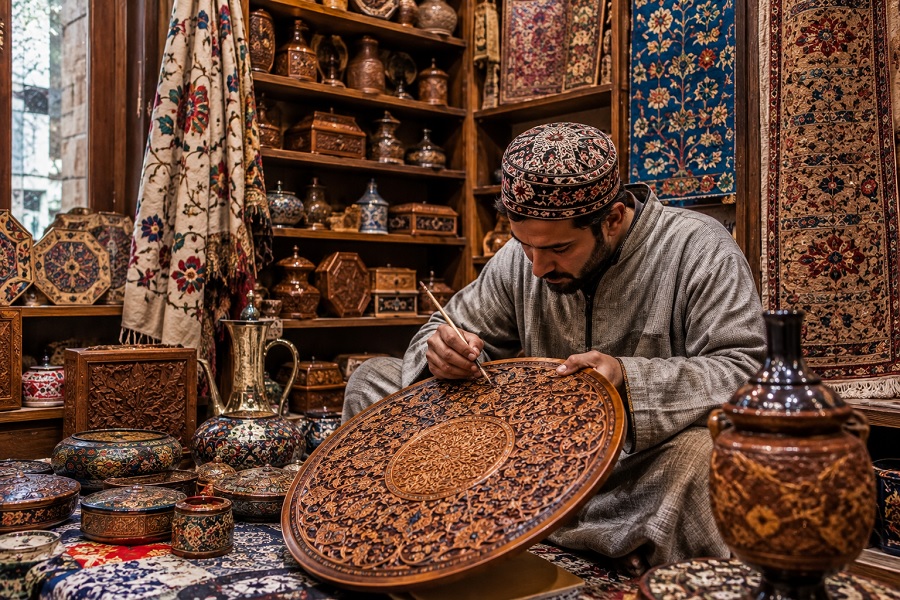
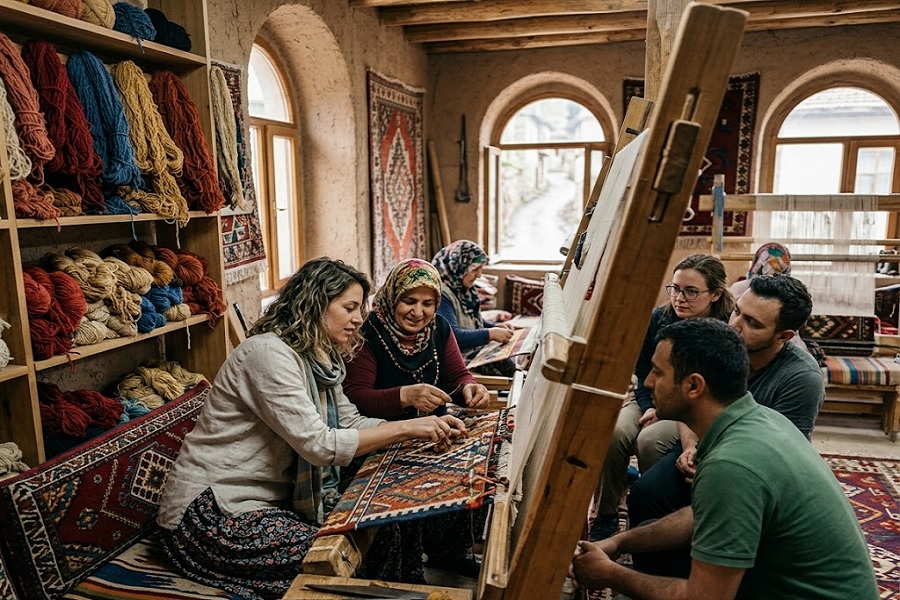
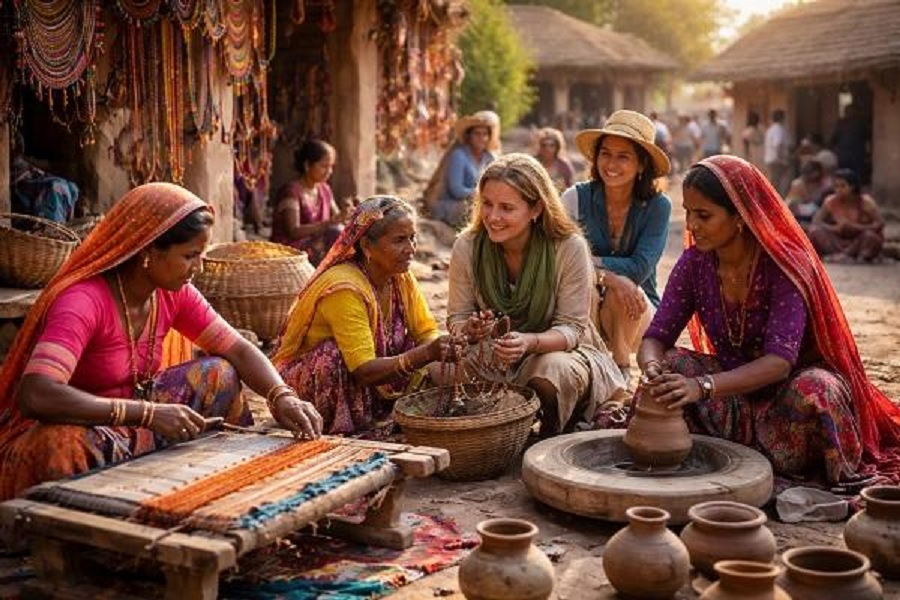
One of the most interesting aspects of textile tourism is the opportunity to understand how traditional fabrics are created. India's weaving communities preserve specialised techniques that have been passed down through generations.
Visitors can explore handloom workshops, observe the weaving process, understand natural dyeing methods, and learn about traditional embroidery techniques.
Some important textile techniques include:
Handloom weaving
Ikat weaving
Block printing
Tie-and-dye or Bandhani
Zari embroidery
Kalamkari printing
Traditional silk weaving
Hand embroidery
These experiences help travellers appreciate the time, skill, and creativity involved in producing traditional Indian textiles.
Diwali Fashion and Festive Clothing Trends
Diwali encourages people to celebrate traditional Indian fashion while exploring contemporary clothing styles. Sarees, lehengas, kurta sets, ethnic jackets, embroidered suits, and festive accessories are popular choices.
Handloom fabrics are also gaining attention among shoppers who appreciate traditional craftsmanship and distinctive designs. Contemporary fashion collections increasingly incorporate regional weaving patterns, traditional motifs, and handcrafted details.
Textile tourism allows visitors to explore these fashion trends directly from the regions where many traditional fabrics originate.
Supporting Local Artisans and Handloom Communities
Textile tourism plays an important role in supporting India's weaving communities and traditional artisans. Purchasing authentic handloom products helps provide income opportunities to weavers, designers, craft workers, and small textile businesses.
Tourists can support local craftsmanship by purchasing directly from recognised artisan groups, cooperative societies, and authentic handloom stores.
Promoting traditional textile products also helps preserve regional identities and encourages younger generations to continue learning traditional weaving skills.
Sustainable and Eco-Friendly Textile Tourism
Sustainability is becoming an important consideration in the textile and tourism industries. Handloom fabrics, natural dyes, locally sourced materials, and traditional production techniques can support more responsible textile consumption.
During Diwali, travellers can explore sustainable fashion choices by purchasing locally made handloom products, reusable fabric accessories, and garments created using traditional techniques.
Choosing authentic regional textiles can also help promote local production and support artisan-based livelihoods.
Cultural Experiences Beyond Textile Shopping
Diwali textile tourism offers more than shopping opportunities. Travellers can combine textile market visits with heritage walks, cultural festivals, traditional food experiences, local museums, and artisan workshops.
For example, visitors to Varanasi can explore its historic ghats and traditional weaving communities. In Jaipur, textile shopping can be combined with visits to historic forts, palaces, and traditional markets. In Kanchipuram, tourists can discover famous temples alongside traditional silk weaving centres.
These combinations create meaningful cultural tourism experiences.
Economic Opportunities for India's Tourism Industry
Diwali textile tourism creates opportunities for local businesses, handloom retailers, artisans, tour operators, hotels, transport providers, and cultural organisations.
The festive shopping season increases demand for traditional clothing and regional textile products. Tourism operators can develop specialised handloom tours, artisan village visits, textile heritage walks, and shopping experiences for domestic and international travellers.
These activities can strengthen local economies while promoting India's textile heritage as an important cultural tourism attraction.
Future Scope of Diwali Textile Tourism
The future of Diwali textile tourism looks promising as travellers increasingly seek authentic cultural experiences, traditional craftsmanship, and locally made products.
Digital platforms, online textile exhibitions, artisan-led workshops, and specialised cultural tours can help introduce India's traditional fabrics to a wider audience.
Combining textile shopping with heritage tourism, sustainable fashion, and regional cultural experiences can further strengthen India's position as a destination for textile tourism.
Conclusion
Diwali Textile Tourism offers travellers an opportunity to discover India's traditional fabrics, beautiful sarees, historic weaving centres, and colourful handloom markets. From Banarasi silk in Varanasi and Kanchipuram silk in Tamil Nadu to Paithani sarees in Maharashtra and Bandhani textiles in Gujarat, every region reflects a distinctive cultural identity.
By promoting traditional weaving techniques, supporting local artisans, and encouraging sustainable fashion choices, Diwali textile tourism can contribute to the preservation of India's textile heritage. It also provides travellers with meaningful opportunities to experience the country's rich cultural traditions during the Festival of Lights.