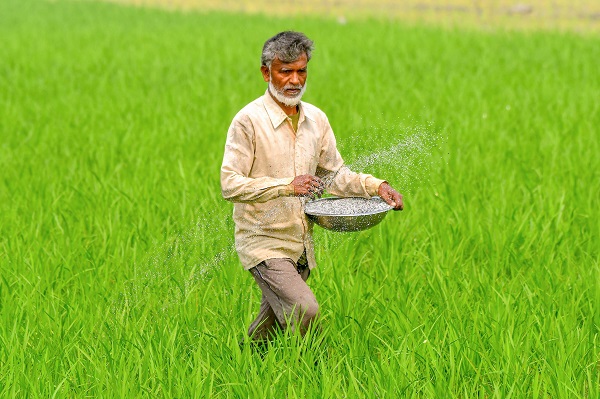
Indigenous Food Tourism: Discovering Tribal Cuisine, Traditional Recipes and Culinary Heritage
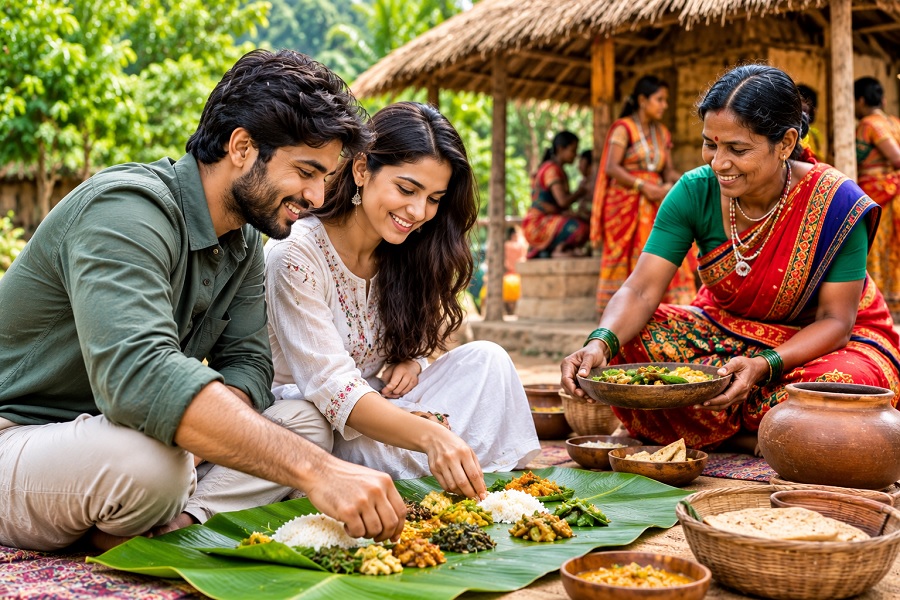
Indigenous Food Tourism: Exploring Traditional Community Cuisine
Focus Keyword: Indigenous Food Tourism
Target Audience: Food lovers, cultural travellers, international tourists, culinary explorers, and heritage enthusiasts.
Related Keywords: Traditional Community Cuisine, Indigenous Food Culture, Tribal Food Tourism, Local Culinary Heritage, Traditional Cooking, Cultural Food Experiences.
Introduction
Indigenous Food Tourism is an emerging area of cultural tourism that allows travellers to explore traditional cuisines, cooking methods, local ingredients, and food traditions preserved by Indigenous communities. Food is an important part of cultural identity, reflecting the history, lifestyle, environment, and knowledge passed down through generations.
Through indigenous food tourism, travellers can experience authentic regional dishes, learn about traditional food preparation, visit local markets, and understand the relationship between communities and their natural surroundings.
This form of tourism goes beyond tasting different foods. It creates opportunities to connect with local communities, appreciate their culinary heritage, and support traditional food practices. It also encourages responsible tourism by promoting locally sourced ingredients, community-led experiences, and cultural preservation.
1. Understanding Indigenous Food Tourism
Indigenous Food Tourism focuses on exploring the traditional food culture of Indigenous communities through responsible travel experiences.
It introduces visitors to recipes, ingredients, cooking techniques, and food customs that have developed over generations.
Travellers may experience traditional meals, participate in cooking demonstrations, visit community farms, and learn how local environments influence food traditions.
The main objective is to preserve culinary heritage while creating meaningful tourism opportunities for Indigenous communities.
2. Importance of Traditional Community Cuisine
Traditional community cuisine represents the cultural identity and historical knowledge of local populations.
Many Indigenous food traditions are closely connected to seasonal ingredients, agricultural practices, natural resources, and community celebrations.
Traditional dishes often reflect the geography and climate of a particular region.
By exploring these cuisines, tourists can understand how communities have developed unique food practices using locally available ingredients.
3. Exploring Indigenous Ingredients
Local ingredients are an essential part of Indigenous cuisine.
Different communities use ingredients based on their natural surroundings, agricultural traditions, and seasonal availability.
Some commonly explored ingredients include:
- Traditional grains and millets
- Locally grown vegetables
- Native fruits and berries
- Forest-based edible plants
- Regional herbs and spices
- Traditional pulses and legumes
- Locally cultivated rice varieties
Learning about these ingredients helps travellers understand regional biodiversity and traditional food knowledge.
4. Traditional Cooking Methods
Indigenous communities have preserved several traditional cooking methods over generations.
These methods often reflect available resources, cultural practices, and local lifestyles.
Examples include:
- Clay-pot cooking
- Wood-fired traditional cooking
- Stone-grinding techniques
- Fermentation and preservation
- Traditional steaming methods
- Cooking with natural leaves
- Handmade traditional utensils
Tourists can learn about these techniques through community-led cooking demonstrations and cultural food workshops.
5. Indigenous Food Experiences for Travellers
Indigenous food tourism provides opportunities to experience local culinary traditions directly.
Popular experiences include:
- Traditional community dining
- Indigenous cooking workshops
- Local food festivals
- Village food walks
- Farm-to-table dining
- Traditional food preparation demonstrations
- Local ingredient tasting sessions
- Community market visits
These activities help visitors understand the cultural significance of food while supporting local tourism businesses.
6. Tribal Food Tourism in India
India has a rich variety of tribal and Indigenous food traditions influenced by regional geography, agriculture, climate, and cultural practices.
Different communities preserve distinctive recipes and cooking methods.
Some interesting regional examples include:
Northeast India: Traditional cuisines feature rice, seasonal vegetables, herbs, bamboo shoots, and locally available ingredients.
Odisha: Tribal food traditions include traditional millets, forest produce, leafy vegetables, and regional grains.
Jharkhand: Indigenous food culture includes traditional rice preparations, millets, local vegetables, and seasonal forest ingredients.
Chhattisgarh: Traditional community cuisine features rice, local greens, forest products, and regional preparations.
Maharashtra: Adivasi food traditions in regions such as Palghar, Nandurbar, and Gadchiroli include locally sourced grains, millets, wild greens, and traditional preparations.
These regional food experiences offer travellers opportunities to explore India's diverse culinary heritage.
7. Indigenous Food Festivals
Food festivals are an important way to showcase traditional community cuisine.
These events bring together local cooks, farmers, artisans, and food producers to present regional dishes and culinary traditions.
Visitors can experience traditional recipes, learn about indigenous ingredients, and understand the cultural importance of community food practices.
Food festivals can also create opportunities for local entrepreneurs and small-scale producers.
8. Farm and Village Food Tourism
Farm and village tourism allows travellers to understand where traditional food ingredients come from.
Visitors can explore agricultural activities, observe traditional farming techniques, and learn about seasonal food production.
Some experiences include:
- Visiting traditional farms
- Learning about millet cultivation
- Participating in harvesting activities
- Exploring community gardens
- Understanding seed preservation
- Experiencing traditional village meals
These activities connect food tourism with rural development and agricultural heritage.
9. Traditional Food Preservation Techniques
Food preservation is an important part of Indigenous culinary knowledge.
Communities have developed different techniques to preserve seasonal ingredients and maintain food availability throughout the year.
Traditional methods include drying, fermentation, smoking, sun-drying, and natural storage.
Travellers can learn how these practices reflect local environmental conditions and food traditions.
Such knowledge also provides valuable insights into traditional food sustainability.
10. Cultural Significance of Indigenous Food
Food plays an important role in community celebrations, social gatherings, religious occasions, and traditional ceremonies.
Recipes are often passed from one generation to another through family and community practices.
Traditional meals can represent hospitality, identity, seasonal celebrations, and connections with ancestral heritage.
Indigenous food tourism helps visitors understand these cultural meanings rather than viewing traditional dishes simply as culinary products.
11. Role of Local Communities in Food Tourism
Local communities are central to the development of Indigenous Food Tourism.
Community members preserve traditional recipes, share culinary knowledge, manage food experiences, and introduce visitors to their cultural heritage.
Community-led tourism can create income opportunities for local cooks, farmers, food producers, and small businesses.
It is important that communities maintain control over how their food traditions and cultural knowledge are presented to visitors.
12. Sustainable and Responsible Indigenous Food Tourism
Sustainability is an important consideration when developing indigenous food tourism experiences.
Tourism activities should respect local customs, protect natural resources, and support traditional food systems.
Responsible practices include:
- Purchasing food from local producers.
- Supporting community-owned food businesses.
- Reducing food waste and plastic usage.
- Respecting traditional food customs.
- Avoiding the exploitation of cultural knowledge.
- Promoting seasonal and locally sourced ingredients.
- Supporting biodiversity conservation.
- Obtaining permission before documenting cultural practices.
These practices help create responsible tourism opportunities while protecting community heritage.
13. Benefits of Indigenous Food Tourism
Indigenous Food Tourism offers several benefits for travellers and host communities.
Cultural Preservation: Helps protect traditional recipes, cooking techniques, and food knowledge.
Economic Development: Creates income opportunities for local cooks, farmers, food producers, and community businesses.
Educational Experiences: Introduces travellers to traditional agriculture, local ingredients, and regional food systems.
Community Empowerment: Encourages Indigenous communities to participate in tourism development and cultural representation.
Environmental Awareness: Promotes knowledge of local biodiversity, seasonal ingredients, and traditional resource management.
Tourism Development: Adds unique culinary experiences to cultural and rural tourism destinations.
14. Challenges in Indigenous Food Tourism
Despite its potential, Indigenous Food Tourism faces several challenges.
Some traditional recipes and cooking practices are gradually disappearing because of changing lifestyles and food preferences.
Limited tourism infrastructure, transportation difficulties, and a lack of promotional opportunities can also affect community participation.
Another important concern is cultural misrepresentation. Traditional food knowledge should not be commercialised without permission or fair benefits for the communities that preserve it.
Responsible planning, community leadership, and appropriate tourism policies are important for addressing these challenges.
15. Future of Indigenous Food Tourism
The future of Indigenous Food Tourism offers opportunities for cultural preservation, culinary exploration, and sustainable tourism development.
Travellers are showing interest in authentic food experiences, regional cuisines, traditional ingredients, and community-based travel activities.
Digital platforms can help Indigenous food entrepreneurs promote their culinary experiences and connect with visitors.
Cooking workshops, community food festivals, traditional farm visits, and regional culinary trails may become increasingly important tourism products.
With responsible planning and active community participation, Indigenous Food Tourism can help preserve traditional food heritage while creating sustainable economic opportunities.
Conclusion
Indigenous Food Tourism offers a meaningful way to explore traditional community cuisine while understanding the cultural heritage behind every dish. From locally sourced ingredients and traditional cooking methods to community dining and regional food festivals, these experiences introduce travellers to the diversity of Indigenous culinary traditions.
Beyond food exploration, this tourism segment supports cultural preservation, local entrepreneurship, traditional agriculture, and responsible travel.
By respecting community knowledge and encouraging locally led experiences, Indigenous Food Tourism can become an important part of cultural tourism and sustainable destination development.