Heritage Through the Lens: Discovering Cultural Destinations and Photography Festivals
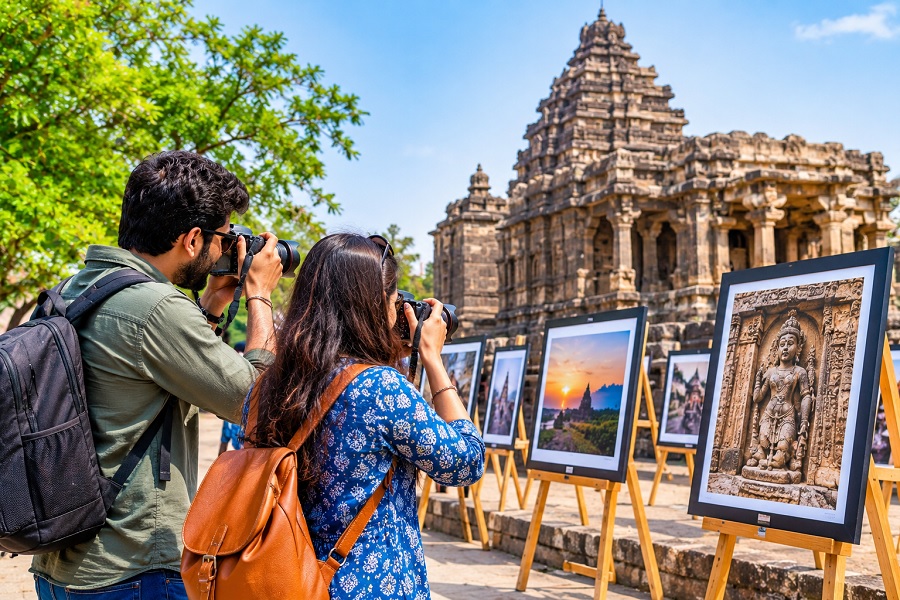
Cultural Photography Festival Tourism: Exploring Heritage Through Photography Events
Introduction
Cultural Photography Festival Tourism is an emerging travel experience that combines photography, cultural exploration and heritage preservation. It encourages travellers, photographers and photography enthusiasts to visit destinations where traditional festivals, historical landmarks, local communities, art forms and cultural celebrations can be captured through photography.
Photography festivals provide opportunities to explore different cultures while documenting their traditions, lifestyles, architecture, food, clothing and artistic expressions. These events also help promote local tourism by attracting visitors interested in visual storytelling and cultural experiences.
What Is Cultural Photography Festival Tourism?
Cultural Photography Festival Tourism refers to travelling to different destinations to participate in photography festivals, exhibitions, competitions, workshops and cultural photography events. These experiences allow visitors to understand the cultural identity of a destination through photographs.
Travellers can capture traditional ceremonies, folk performances, historic monuments, traditional markets, handicrafts and everyday community life. It creates a connection between tourism, creativity and cultural preservation.
Importance of Cultural Photography Festivals
Cultural photography festivals play an important role in promoting tourism and preserving cultural heritage. They bring together professional photographers, travellers, artists, historians and local communities.
Key benefits include:
Promoting historical and cultural destinations.
Preserving traditional customs and lifestyles through photography.
Supporting local artists and photographers.
Increasing awareness of cultural diversity.
Encouraging international tourism.
Promoting traditional festivals and celebrations.
Supporting local businesses and tourism services.
Popular Cultural Photography Experiences
1. Heritage Photography
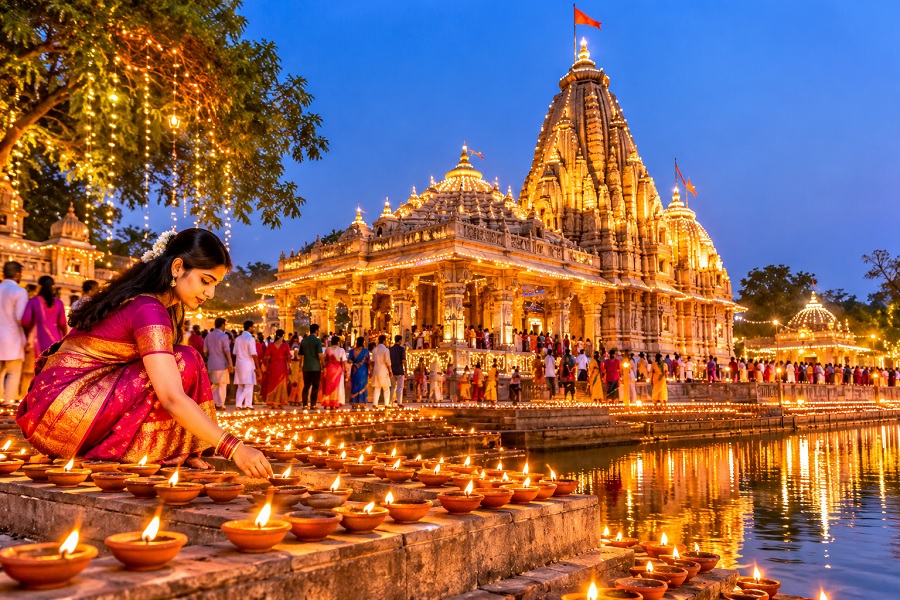
Heritage photography allows visitors to capture historical monuments, ancient temples, forts, palaces and traditional architecture. These photographs help document the history and architectural identity of different destinations.
2. Traditional Festival Photography
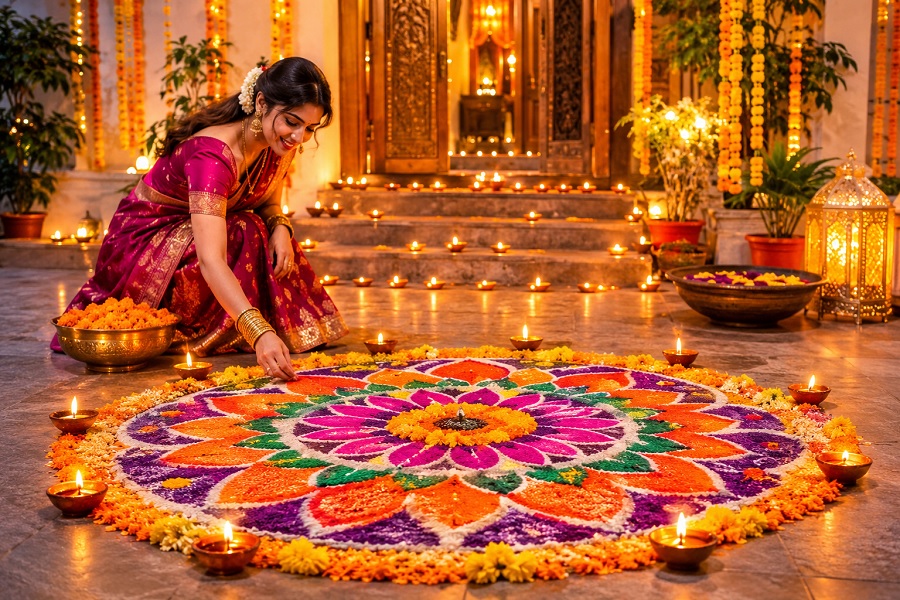
Visitors can photograph colourful cultural festivals, traditional ceremonies, folk performances and community celebrations. Events such as Diwali, Holi and regional harvest festivals offer interesting cultural photography opportunities.
3. Traditional Lifestyle Photography
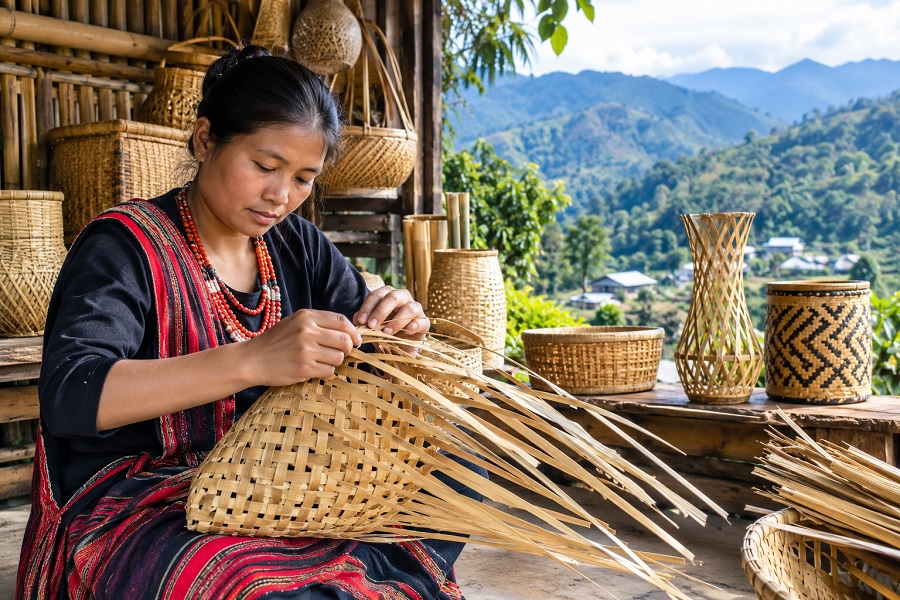
Travellers can explore villages and local communities to document traditional clothing, occupations, food preparation, farming practices and everyday lifestyles.
4. Architectural Photography
Historic buildings, ancient monuments, traditional houses and heritage streets provide excellent opportunities for architectural photography.
5. Folk Art and Craft Photography
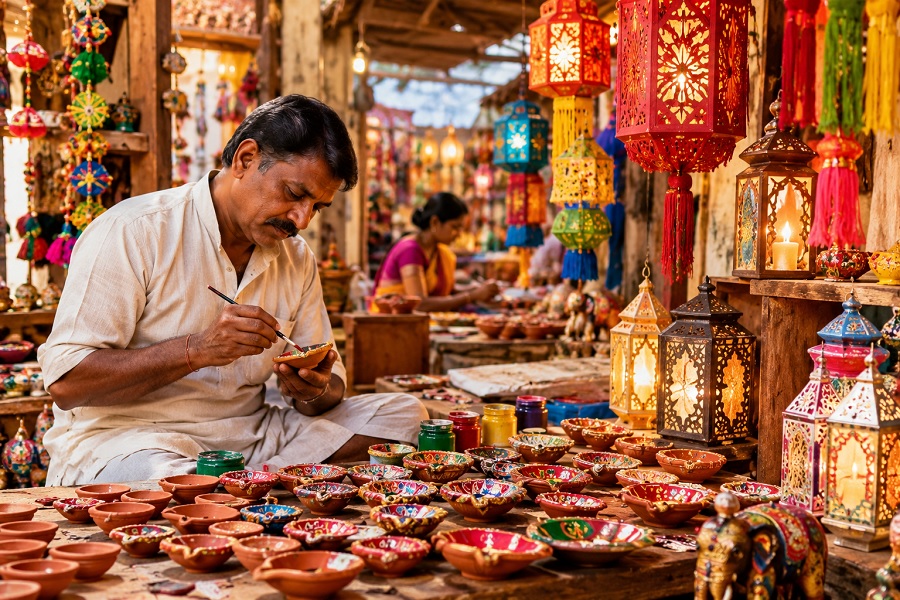
Photography enthusiasts can visit artisan workshops, craft villages and cultural exhibitions to capture pottery, weaving, painting, sculpture and traditional handicrafts.
Popular Destinations for Cultural Photography Tourism
Several destinations around the world offer excellent cultural photography experiences.
Jaipur, India: Famous for royal palaces, colourful markets, traditional architecture and cultural festivals.
Varanasi, India: Known for its historic ghats, traditional ceremonies and cultural heritage.
Hampi, India: Offers ancient temples, historical monuments and remarkable architectural landscapes.
Kyoto, Japan: Popular for traditional temples, historic streets, gardens and cultural festivals.
Marrakech, Morocco: Known for traditional markets, colourful architecture and local craftsmanship.
Istanbul, Turkey: Offers historic mosques, cultural neighbourhoods and traditional markets.
Rome, Italy: Famous for ancient monuments, historic streets and architectural heritage.
Cusco, Peru: Known for traditional Andean culture, historic architecture and colourful festivals.
Role of Photography Festivals in Tourism Development
Photography festivals encourage travellers to discover destinations beyond conventional sightseeing. They create opportunities for local tourism organisations, hotels, restaurants, tour operators and cultural institutions.
Photography competitions, exhibitions, guided heritage walks and photography workshops can attract domestic and international visitors. These activities also provide opportunities for local photographers and artists to showcase their work.
Social media and digital photography platforms further increase the visibility of cultural destinations by allowing visitors to share their travel experiences with a wider audience.
Benefits for Local Communities
Cultural photography tourism can generate economic and social benefits for local communities.
Creates employment opportunities for local guides and photographers.
Supports traditional artisans and handicraft businesses.
Promotes local festivals and cultural events.
Encourages the preservation of traditional knowledge.
Increases demand for local accommodation and food services.
Provides platforms for local artists to showcase their creativity.
Technology and the Future of Cultural Photography Tourism
Technology is creating new opportunities for cultural photography tourism. High-resolution cameras, smartphones, drones where legally permitted, artificial intelligence editing tools and digital photography platforms are changing how travellers document their experiences.
Virtual photography exhibitions, online cultural archives and digital storytelling platforms can also help audiences explore cultural destinations remotely.
In the future, photography festivals may increasingly combine traditional photography with immersive exhibitions, interactive digital experiences and educational workshops.
Sustainable and Responsible Cultural Photography
Responsible photography is essential for protecting cultural heritage and respecting local communities. Visitors should understand local customs and obtain permission before photographing individuals, religious ceremonies or private cultural events.
Tourists should also follow photography restrictions at heritage sites, avoid disturbing wildlife and respect the privacy of local residents.
Supporting local photographers, guides and cultural organisations can help ensure that tourism benefits the communities being photographed.
Conclusion
Cultural Photography Festival Tourism offers a meaningful way to explore the world through photography, creativity and cultural understanding. It connects travellers with historical landmarks, traditional festivals, local communities and artistic heritage.
As interest in experiential travel and visual storytelling continues to grow, cultural photography festivals have the potential to become an important part of the global tourism industry. By encouraging responsible photography and supporting local communities, this tourism segment can contribute to cultural preservation and sustainable destination development.