Exploring Traditional Art Tourism: A Journey Through Indigenous Paintings and Regional Artistic Traditions
Traditional Painting Tourism: Exploring Indigenous Art Forms and Painting Techniques
Introduction
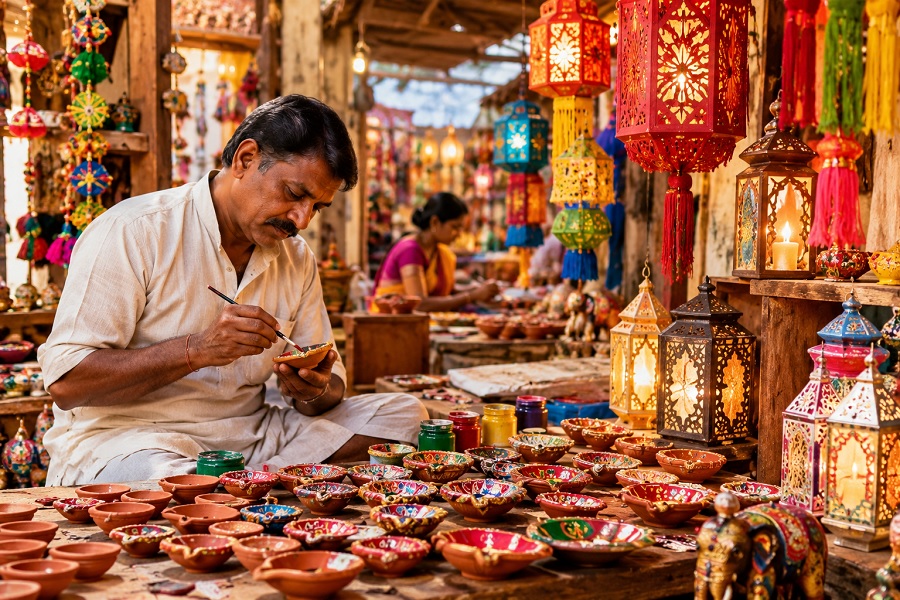
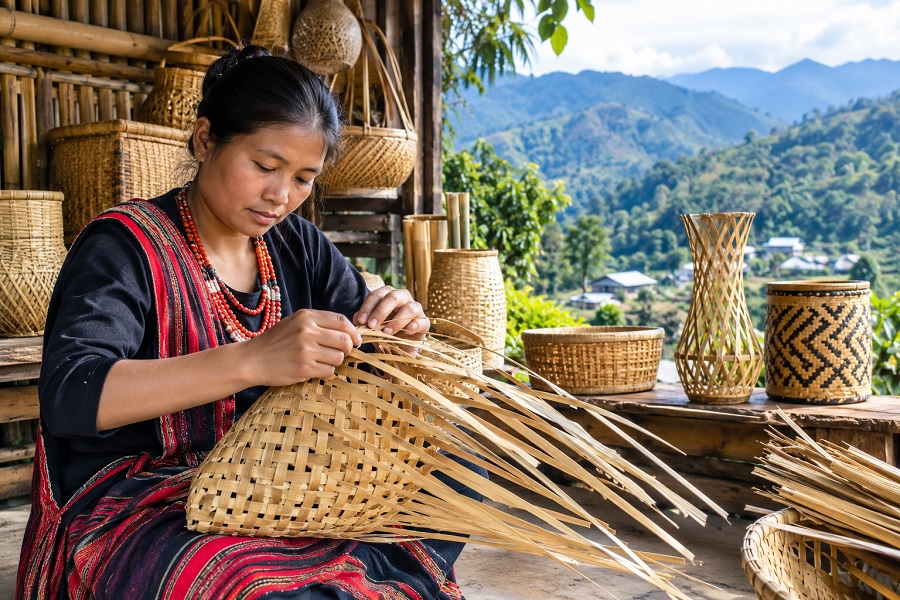
Traditional painting tourism is an emerging cultural travel experience that allows visitors to explore the artistic heritage, regional painting styles and creative traditions of different communities. Across the world, traditional paintings reflect local history, religious beliefs, folklore, nature, social customs and everyday life. These art forms are often passed down through generations, preserving the cultural identity of local communities.
From India's Madhubani and Warli paintings to Rajasthan's miniature art and Kerala's mural paintings, traditional painting styles offer travellers an opportunity to understand the stories and techniques behind indigenous artwork. Tourists can visit artisan villages, art centres, museums and cultural workshops to experience these creative traditions.
Traditional painting tourism also supports local artists, encourages cultural exchange and helps preserve traditional skills for future generations.
What Is Traditional Painting Tourism?
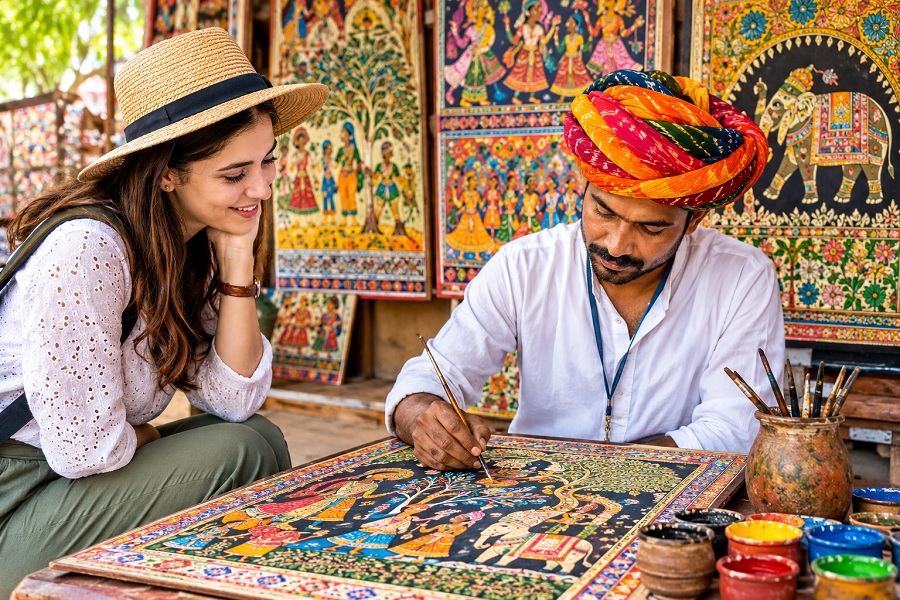
Traditional painting tourism refers to travel experiences focused on discovering regional and indigenous painting traditions. It includes visiting places known for their artistic heritage, interacting with local painters, attending demonstrations and participating in hands-on art workshops.
These experiences help travellers understand how traditional paintings are created, what materials are used and how artistic techniques are connected to local culture.
Popular Traditional Painting Styles in India
1. Madhubani Painting, Bihar
Madhubani painting is a traditional art form from the Mithila region of Bihar. It is recognised for its colourful patterns, geometric designs and detailed illustrations. Common subjects include nature, mythology, festivals and religious stories.
Visitors can explore local artisan communities and learn about traditional painting techniques.
2. Warli Painting, Maharashtra
Warli painting is a tribal art tradition associated with communities in Maharashtra. It uses simple geometric shapes such as circles, triangles and lines to represent people, animals, farming activities and community celebrations.
The paintings traditionally use white pigment on earthy backgrounds and provide a glimpse into rural and tribal life.
3. Pattachitra Painting, Odisha
Pattachitra is a traditional painting style known for its detailed illustrations and mythological themes. Artists create intricate designs on prepared cloth and other traditional surfaces.
The art form is closely connected with Odisha's cultural and religious heritage, particularly the traditions surrounding Lord Jagannath.
4. Rajasthani Miniature Painting
Rajasthani miniature paintings are known for their fine detailing, vibrant colours and decorative compositions. They often depict royal life, historical events, landscapes and stories from Indian mythology.
Visitors can discover this art through museums, heritage centres and workshops in Rajasthan.
5. Kerala Mural Painting
Kerala mural paintings are recognised for their detailed figures, traditional colours and religious themes. These artworks can be found in temples, palaces and cultural institutions across Kerala.
They offer insight into the region's artistic history and traditional painting methods.
International Traditional Painting Experiences
Traditional painting tourism also provides opportunities to discover indigenous art forms around the world.
Japanese Sumi-e Painting: A traditional ink painting technique known for expressive brushwork and simplicity.
Chinese Ink Painting: An artistic tradition that often represents landscapes, flowers, birds and natural elements.
Australian Aboriginal Art: Indigenous artistic traditions that communicate cultural stories, relationships with land and community heritage.
Mexican Folk Painting: Colourful artistic traditions inspired by regional culture, folklore and everyday life.
Tibetan Thangka Painting: Detailed religious paintings traditionally created on cloth, often depicting Buddhist themes.
Peruvian Traditional Painting: Regional artwork reflecting Andean culture, local traditions and historical influences.
Activities for Traditional Painting Tourists
Traditional painting destinations offer more than opportunities to view artwork. Visitors can participate in several cultural activities, including:
Live Art Demonstrations: Watch experienced artists create traditional paintings using regional techniques.
Painting Workshops: Learn basic painting methods from local artisans.
Artisan Village Visits: Explore communities where traditional painting skills are practised and preserved.
Museum Tours: Discover historical paintings, cultural collections and regional art movements.
Traditional Art Exhibitions: View original artworks and understand their cultural significance.
Natural Colour Preparation: Learn how some traditional artists prepare colours from natural materials.
Local Art Shopping: Purchase authentic paintings and handmade artwork directly from artists.
Best Destinations for Traditional Painting Tourism in India
India offers several destinations where travellers can explore traditional painting traditions.
Madhubani, Bihar: Discover the famous Mithila painting tradition and local artisan communities.
Pune and Palghar, Maharashtra: Explore Warli art and its connection with tribal culture.
Raghurajpur, Odisha: Experience the traditional Pattachitra painting community.
Jaipur and Udaipur, Rajasthan: Discover miniature paintings and traditional Rajasthani artwork.
Kochi and Thiruvananthapuram, Kerala: Explore Kerala's mural painting heritage.
Varanasi, Uttar Pradesh: Discover traditional artistic practices and cultural workshops.
Benefits of Traditional Painting Tourism
Cultural Preservation
Tourism can create greater awareness of indigenous painting traditions and encourage communities to continue practising their artistic heritage.
Support for Local Artists
Visitors purchasing authentic artwork and attending workshops can provide income opportunities for traditional painters and artisan families.
Educational Experiences
Travellers can learn about painting materials, historical influences, cultural symbols and traditional techniques.
Community Development
Art-focused tourism can support local businesses, workshops, cultural centres and community-led tourism activities.
Cultural Exchange
Interactions between visitors and artists encourage the sharing of ideas, stories and artistic knowledge.
How to Choose a Traditional Painting Tourism Experience
Travellers should consider a few important factors before planning an art-focused trip:
Research the region's traditional painting styles.
Choose workshops conducted by local artists or recognised cultural organisations.
Check whether the experience includes practical demonstrations.
Respect community customs and photography guidelines.
Purchase artwork from genuine artists whenever possible.
Prefer responsible experiences that support local communities.
Ask about the materials and methods used in the artwork.
Role of Technology in Traditional Painting Tourism
Technology is making traditional painting experiences easier to discover and access. Online exhibitions, virtual museum tours, digital archives and interactive learning platforms help travellers explore artwork before visiting a destination.
Social media and digital marketplaces also give local artists opportunities to showcase their work to international audiences. However, digital promotion should complement, rather than replace, direct interaction with artists and traditional communities.
Sustainable Traditional Painting Tourism
Responsible tourism plays an important role in protecting traditional painting heritage. Tourists should support local artists, respect cultural ownership and avoid purchasing falsely advertised or mass-produced artwork presented as authentic indigenous art.
Tourism operators can contribute by organising small-group workshops, promoting fair payments and involving local communities in tourism planning. Respectful visitor behaviour helps ensure that traditional art remains connected to the people and places where it developed.
Future of Traditional Painting Tourism
Traditional painting tourism has opportunities to grow as travellers increasingly look for educational, creative and authentic cultural experiences. Art workshops, artisan village visits, heritage festivals and interactive exhibitions can attract visitors interested in learning about regional traditions.
Partnerships between tourism organisations, museums, cultural institutions and local artists can help introduce traditional painting styles to new audiences. Greater awareness and responsible tourism practices may also encourage younger generations to learn and continue these artistic skills.
Conclusion
Traditional painting tourism offers a meaningful way to discover indigenous art forms, regional painting techniques and the cultural stories behind traditional artwork. From Madhubani and Warli paintings in India to Japanese ink painting and Aboriginal art traditions, every style reflects a unique connection between creativity, history and community life.
By visiting artisan villages, attending workshops and purchasing authentic artwork, travellers can support local artists while gaining a deeper understanding of cultural heritage. Traditional painting tourism is not just about observing beautiful paintings; it is about experiencing the stories, skills and traditions that keep these art forms alive.