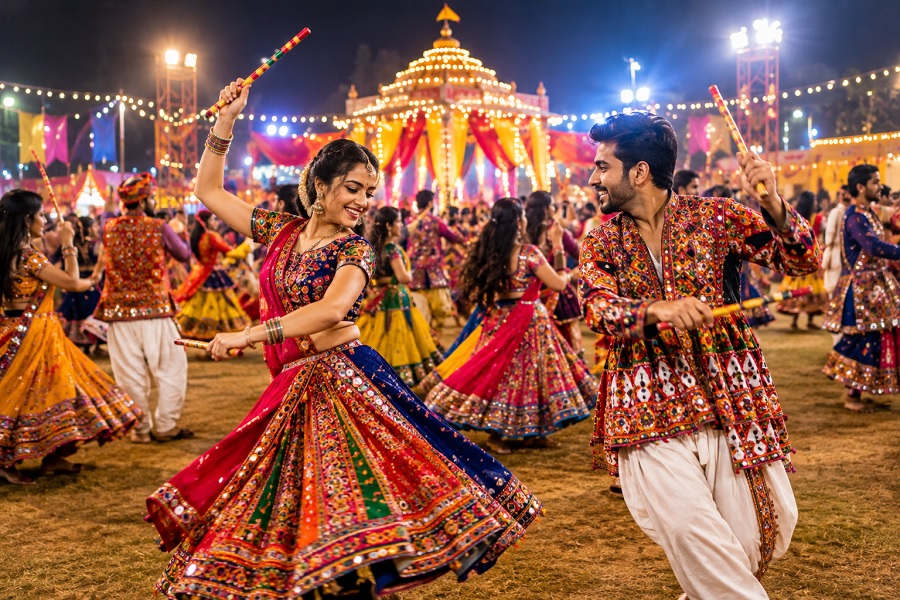
Diwali Rangoli Tourism in India: Exploring Traditional Art, Regional Patterns and Cultural Heritage
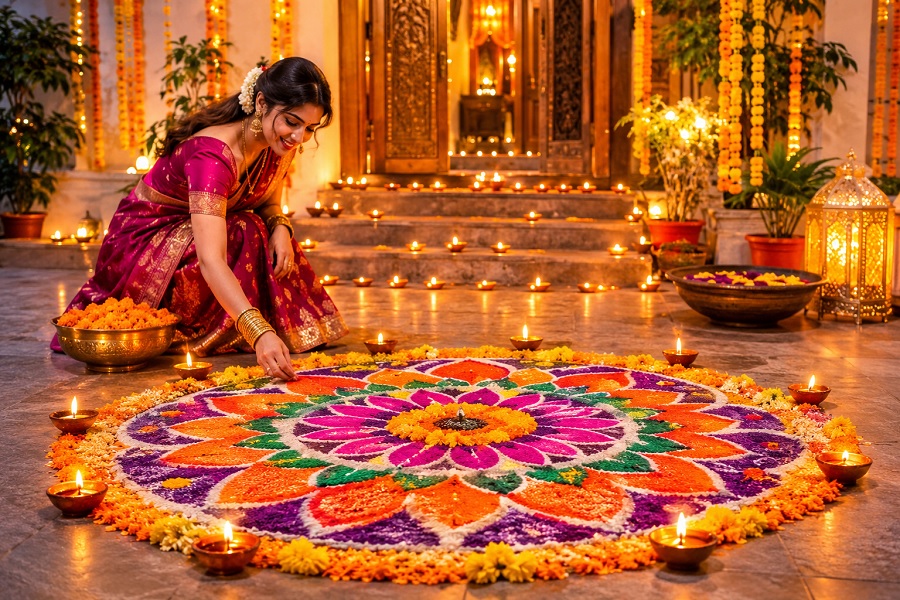
Diwali Rangoli Tourism: Discovering Traditional Rangoli Art and Cultural Designs Across India
Introduction
Diwali is one of India's most popular festivals, celebrated with colourful decorations, traditional customs, beautiful lights and cultural activities. Among the many festive traditions, Rangoli holds a special place in Indian households. During Diwali, people decorate their entrances, courtyards and public spaces with colourful Rangoli designs to welcome prosperity, happiness and positive energy.
Diwali Rangoli Tourism offers travellers an opportunity to explore India's traditional floor-art forms, regional patterns and festive decorations. Visitors can discover different artistic styles, participate in Rangoli workshops and learn about the cultural importance of these beautiful designs across India.
What Is Diwali Rangoli Tourism?
Diwali Rangoli Tourism focuses on exploring destinations where traditional Rangoli art and festive decorations are important parts of local culture. It includes visiting cultural villages, participating in artistic workshops, exploring festive markets and experiencing traditional Diwali celebrations.
Travellers can discover how different communities create Rangoli using coloured powders, rice flour, flower petals and natural materials. These experiences help visitors understand India's artistic heritage and regional traditions.
Famous Traditional Rangoli Art Forms Across India
1. Maharashtra Rangoli
Maharashtra is known for traditional Rangoli designs created using white powder and vibrant colours. During Diwali, households decorate entrances and courtyards with geometric patterns, flowers, lamps and traditional motifs.
2. Kolam Art of Tamil Nadu
Kolam is a traditional floor-art form created using rice flour or other natural materials. Women commonly draw intricate patterns outside their homes, especially during festivals and religious occasions. Visitors can explore this artistic tradition through cultural experiences and local workshops.
3. Muggu Art of Andhra Pradesh and Telangana
Muggu is a traditional decorative art form created using rice flour, chalk powder and colourful materials. During Diwali and other festivals, households create attractive geometric and floral patterns.
4. Alpana Art of West Bengal
Alpana is a traditional Bengali floor-decoration style made using rice paste. It features beautiful floral patterns, religious symbols and cultural motifs. It is an important part of several Bengali festivals and religious celebrations.
5. Mandana Art of Rajasthan
Mandana is a traditional decorative art form created on walls and floors using natural materials such as chalk and red clay. Its geometric patterns and traditional designs reflect Rajasthan's rich cultural heritage.
6. Pookalam of Kerala
Pookalam is a beautiful floral arrangement made using colourful flower petals. It is especially associated with Onam and represents Kerala's rich tradition of floral decoration.
Popular Destinations for Diwali Rangoli Tourism
1. Pune, Maharashtra
Pune offers opportunities to experience traditional Diwali celebrations, colourful Rangoli competitions and local festive markets. Visitors can discover Maharashtrian Rangoli designs and participate in cultural activities.
2. Jaipur, Rajasthan
Jaipur is known for its traditional architecture, colourful markets and cultural celebrations. During Diwali, decorated streets, heritage properties and artistic displays create attractive opportunities for cultural tourism.
3. Kolkata, West Bengal
Kolkata offers a unique festive atmosphere during Kali Puja and Diwali. Visitors can explore traditional Alpana designs, decorative art, illuminated streets and local cultural celebrations.
4. Ahmedabad, Gujarat
Ahmedabad showcases colourful festive decorations, traditional Gujarati patterns and local artistic traditions. Visitors can explore handmade decorative products and experience the city's vibrant Diwali atmosphere.
5. Chennai, Tamil Nadu
Chennai provides opportunities to discover traditional Kolam art and South Indian festive customs. Travellers can explore local markets, cultural workshops and traditional household decorations.
Popular Experiences in Diwali Rangoli Tourism
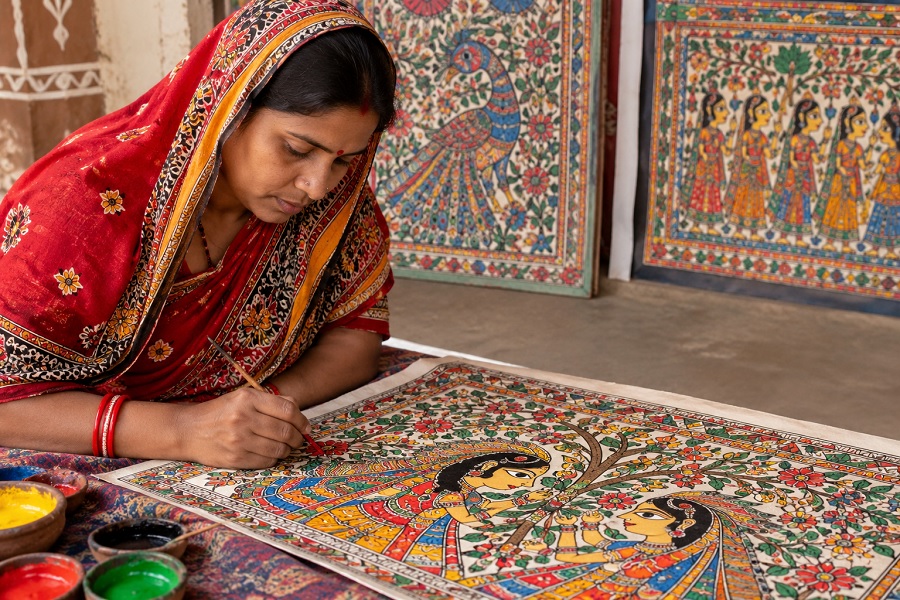
Traditional Rangoli Workshops: Learning how to create regional Rangoli patterns from local artists.
Rangoli Competitions: Watching colourful Rangoli competitions organized during Diwali celebrations.
Artisan Village Visits: Exploring communities where traditional floor-art techniques are practised.
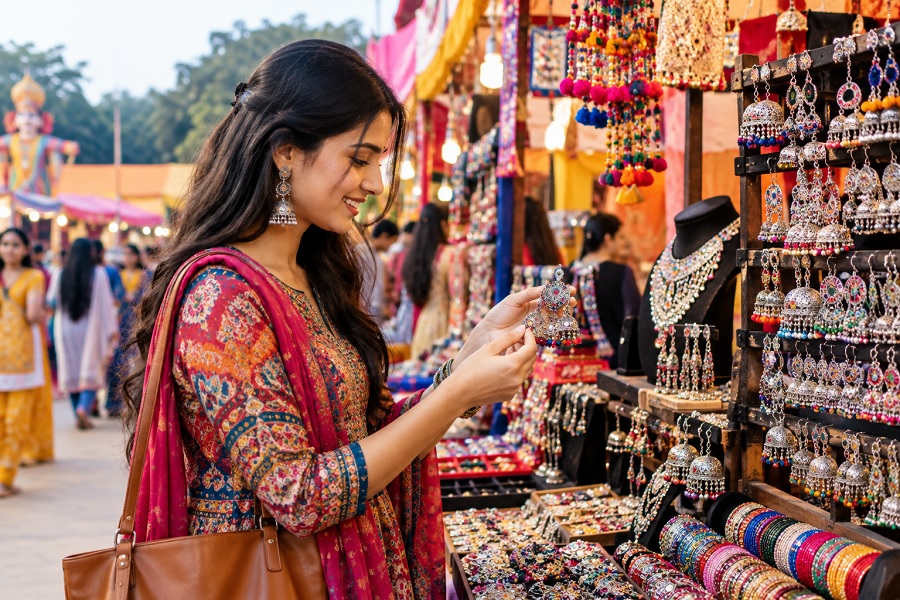
Festive Market Exploration: Visiting local markets for Rangoli colours, decorative materials and handmade products.
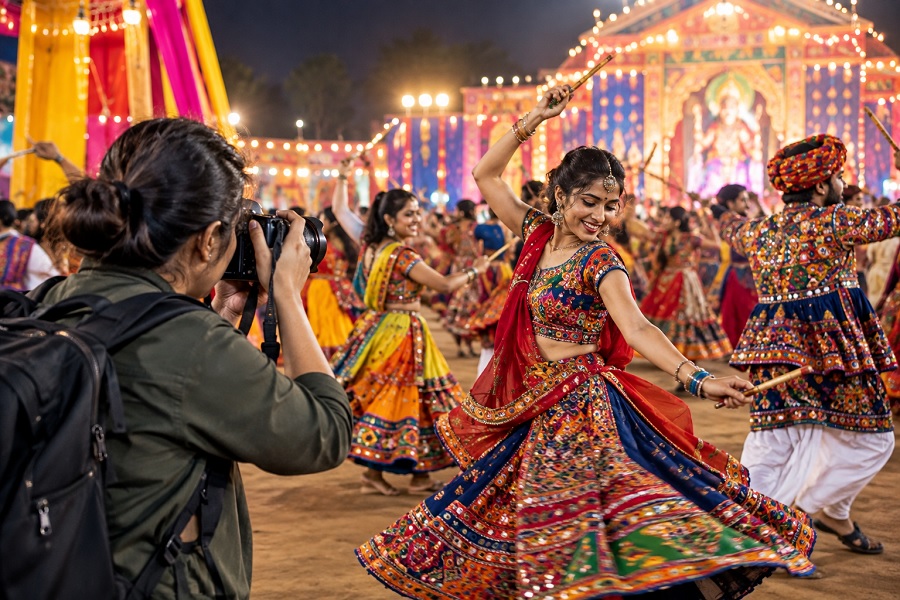
Cultural Photography: Capturing traditional Rangoli designs, decorated streets and festive celebrations.
Eco-Friendly Rangoli Experiences: Learning to create designs using flower petals, rice flour and natural colours.
Importance of Rangoli in Indian Culture
Rangoli represents creativity, hospitality and cultural traditions in Indian society. It is commonly created near entrances to welcome guests and celebrate auspicious occasions.
Different regions have developed their own artistic styles, patterns and materials. These designs reflect local beliefs, customs and artistic knowledge passed down through generations.
Rangoli tourism helps travellers understand these cultural differences while encouraging appreciation for traditional Indian art forms.
Sustainable and Eco-Friendly Rangoli Tourism
Sustainable Rangoli tourism encourages the use of natural and environmentally friendly materials. Travellers can learn about traditional designs made with rice flour, flower petals, turmeric and natural pigments.
Tourism activities can also support local artisans, small businesses and cultural organizations. Encouraging handmade products and traditional techniques helps preserve regional artistic knowledge while creating economic opportunities for local communities.
Tips for Planning a Diwali Rangoli Tourism Trip
Choose destinations known for their traditional Diwali celebrations and regional art forms.
Check local festival dates and cultural event schedules before travelling.
Participate in Rangoli workshops conducted by experienced local artists.
Explore traditional markets for handmade decorations and natural colours.
Respect local customs and seek permission before photographing private Rangoli designs.
Prefer eco-friendly decorative materials and locally made products.
Book accommodation and transportation early during the festive season.
Future of Diwali Rangoli Tourism in 2026
Diwali Rangoli tourism offers opportunities to promote India's cultural heritage and traditional artistic communities. Travellers are increasingly interested in meaningful experiences that allow them to understand local customs and participate in traditional activities.
Rangoli workshops, cultural festivals, artisan tours and eco-friendly decoration experiences can attract domestic and international visitors. Digital platforms and social media can also help showcase regional Rangoli designs and introduce traditional artists to wider audiences.
By combining cultural preservation with responsible tourism, Diwali Rangoli tourism can contribute to the growth of India's festival tourism sector.
Conclusion
Diwali Rangoli Tourism provides a wonderful opportunity to discover India's colourful artistic traditions and cultural diversity. From Maharashtra's traditional Rangoli to Tamil Nadu's Kolam, West Bengal's Alpana and Rajasthan's Mandana, every region offers unique designs and artistic experiences.
Exploring these traditions during Diwali allows travellers to appreciate local creativity, support traditional artisans and understand the cultural importance of festive decorations. It makes Diwali celebrations a memorable journey through India's rich artistic heritage.