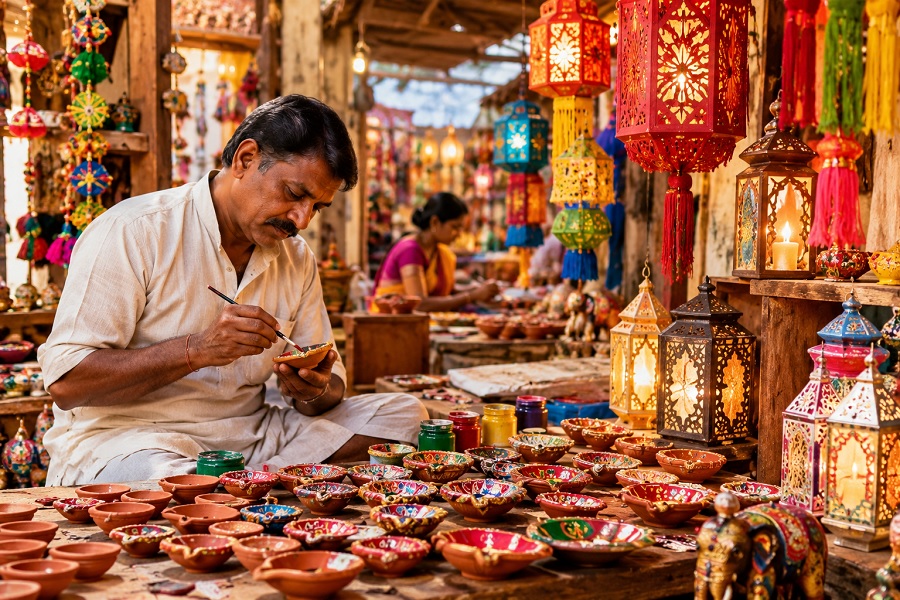
Cultural Storytelling Tourism: Discovering Ancient Folklore, Legends and Heritage Traditions
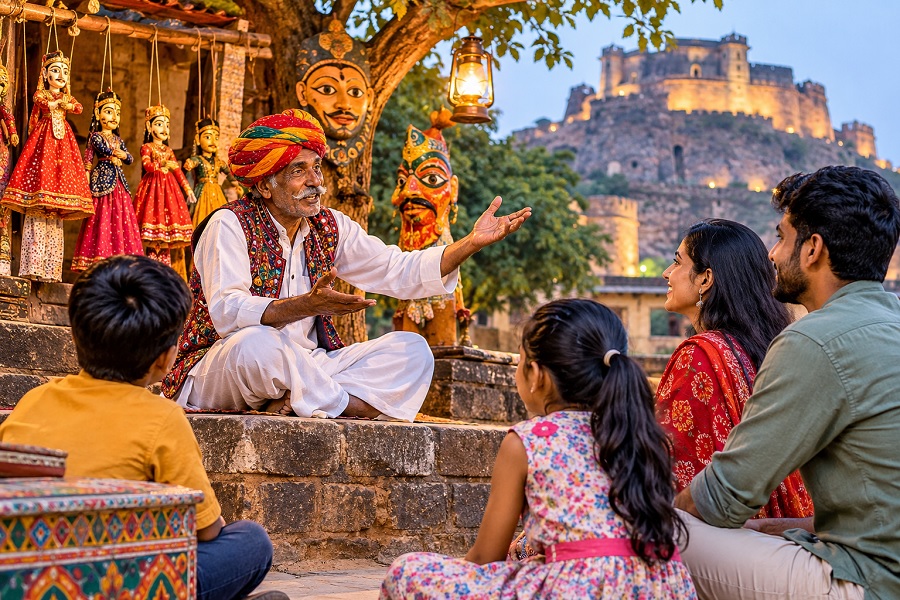
Cultural Storytelling Tourism: Exploring Folklore, Legends and Traditional Narratives
1. Introduction
Cultural Storytelling Tourism is an emerging travel trend that allows visitors to explore the history, traditions, folklore, legends and cultural heritage of different destinations through storytelling experiences. It connects travellers with the stories that have been passed down through generations, providing a deeper understanding of local communities, historical events and traditional lifestyles.
Every destination has unique stories that reflect its cultural identity. These stories may include ancient kingdoms, legendary rulers, historical battles, religious traditions, folk tales and local beliefs. Through storytelling tourism, visitors can experience these narratives through guided heritage walks, traditional performances, village visits, museums and cultural festivals.
In India, cultural storytelling tourism offers opportunities to discover the rich heritage of Rajasthan, Maharashtra, Kerala, Gujarat, Uttar Pradesh and many other states. It creates meaningful travel experiences while encouraging the preservation of traditional knowledge and cultural identity.
2. What Is Cultural Storytelling Tourism?
Cultural storytelling tourism is a form of tourism that focuses on exploring destinations through their traditional stories, folklore, historical narratives and cultural experiences.
Instead of simply visiting monuments and historical places, travellers learn about the stories behind them. Local storytellers, historians, cultural guides and traditional artists help visitors understand the importance of historical events, local customs and cultural practices.
This tourism segment combines education, entertainment, heritage exploration and community interaction, making travel more engaging and meaningful.
3. Importance of Cultural Storytelling Tourism
Cultural storytelling tourism plays an important role in protecting cultural heritage and promoting traditional knowledge.
Preservation of Folklore: Traditional stories and legends are preserved and shared with younger generations.
Promotion of Cultural Heritage: Travellers learn about historical monuments, ancient traditions and regional identities.
Support for Local Communities: Storytellers, folk artists, tour guides and cultural performers receive opportunities to generate income.
Educational Travel Experiences: Visitors gain knowledge about history, mythology, traditions and local lifestyles.
Cultural Exchange: Travellers interact with local communities and understand different cultural perspectives.
Sustainable Tourism Development: Encourages responsible tourism and supports the preservation of local traditions.
4. Popular Types of Cultural Storytelling Tourism
4.1 Folklore Tourism
Folklore tourism allows travellers to discover traditional folk stories, legends, myths and beliefs associated with different destinations. These stories often reflect the history, lifestyle and cultural values of local communities.
4.2 Historical Storytelling Tourism
Historical storytelling tourism focuses on the stories behind ancient forts, palaces, monuments, temples and heritage buildings. Visitors learn about rulers, historical personalities, battles and important events.
4.3 Mythological Storytelling Tourism
This tourism segment explores destinations connected with mythology, religious traditions and ancient epics. Visitors discover traditional narratives associated with sacred places and historical landmarks.
4.4 Traditional Folk Performance Tourism
Traditional performances such as folk theatre, puppet shows, dance and musical storytelling provide entertaining ways to experience cultural heritage.
4.5 Village Storytelling Tourism
Village storytelling experiences introduce travellers to local traditions, community histories, agricultural lifestyles and traditional knowledge through interactions with residents and elders.
4.6 Heritage Walk Storytelling Tourism
Heritage walks combine sightseeing with storytelling. Local guides explain the historical background, architectural importance and cultural significance of different locations.
5. Popular Destinations for Cultural Storytelling Tourism in India
Rajasthan
Rajasthan is famous for its royal history, magnificent forts, traditional puppet shows and folk performances. Visitors can explore stories associated with ancient kingdoms, royal families and historical battles through heritage tours and cultural programmes.
Maharashtra
Maharashtra offers rich storytelling opportunities through Maratha history, historical forts, traditional Powada performances and regional folklore. Destinations such as Raigad, Sinhagad and Pune provide opportunities to understand the state's historical and cultural heritage.
Kerala
Kerala is known for traditional storytelling through Kathakali, Theyyam, folk performances and local legends. These cultural art forms communicate traditional narratives through expressive movements, costumes, music and dramatic performances.
Uttar Pradesh
Uttar Pradesh offers storytelling experiences connected with ancient history, mythology, religious traditions and cultural heritage. Cities such as Varanasi, Mathura and Ayodhya attract visitors interested in traditional narratives and historical experiences.
Gujarat
Gujarat offers opportunities to explore folk traditions, historical legends, traditional music and community storytelling. Its cultural festivals and heritage destinations provide meaningful experiences for visitors.
6. Activities Included in Cultural Storytelling Tourism
Travellers can participate in several activities to understand the cultural identity of a destination.
1. Listening to traditional folk stories from local storytellers.
2. Participating in historical heritage walks.
3. Watching traditional puppet shows and folk theatre.
4. Exploring ancient forts, palaces and historical monuments.
5. Attending cultural festivals and traditional celebrations.
6. Visiting museums and cultural heritage centres.
7. Interacting with local artists and traditional performers.
8. Exploring village traditions and community lifestyles.
9. Learning about regional mythology and legends.
10. Participating in traditional music and dance programmes.
7. Role of Technology in Cultural Storytelling Tourism
Technology is creating new opportunities to present traditional stories in interactive and engaging ways.
Virtual Reality (VR): Allows visitors to experience historical locations and ancient environments virtually.
Augmented Reality (AR): Provides additional historical information and storytelling experiences at heritage locations.
Digital Storytelling: Videos, podcasts and online platforms help promote regional folklore and cultural narratives.
Audio Guides: Allow tourists to listen to historical stories while exploring monuments and cultural destinations.
Artificial Intelligence: AI-based travel guides can provide personalised information about historical places, traditions and cultural attractions.
Interactive Museums: Digital displays and multimedia presentations make cultural education more engaging.
8. Benefits of Cultural Storytelling Tourism
Cultural storytelling tourism provides several benefits to travellers, local communities and tourism destinations.
- Preserves traditional folklore and historical knowledge.
- Promotes regional culture and local traditions.
- Creates employment opportunities for storytellers and cultural performers.
- Encourages domestic and international tourism.
- Supports local businesses and traditional handicraft industries.
- Improves awareness of historical and cultural heritage.
- Provides educational and interactive travel experiences.
- Encourages cultural exchange between visitors and residents.
- Supports community-based and sustainable tourism development.
9. Challenges in Cultural Storytelling Tourism
Although cultural storytelling tourism has significant potential, it also faces certain challenges.
1. Loss of traditional stories and folklore due to changing lifestyles.
2. Limited financial support for traditional artists and storytellers.
3. Lack of trained cultural tourism guides.
4. Commercialisation of traditional cultural practices.
5. Misrepresentation of historical events and legends.
6. Limited awareness among domestic and international travellers.
7. Insufficient infrastructure at certain heritage destinations.
8. Declining interest among younger generations in traditional storytelling.
Addressing these challenges requires collaboration between tourism departments, local communities, cultural organisations and heritage preservation institutions.
10. Sustainable Development Through Cultural Storytelling Tourism
Sustainable cultural storytelling tourism focuses on preserving traditional knowledge while providing economic opportunities for local communities.
Tourism organisations can support local storytellers, encourage traditional performances and develop community-led heritage experiences. Visitors should also respect local customs, cultural practices and historical sites.
Promoting authentic storytelling experiences helps protect cultural identity while ensuring that tourism benefits the communities responsible for preserving these traditions.
11. Future Trends in Cultural Storytelling Tourism
The future of cultural storytelling tourism is expected to develop through increasing interest in authentic, educational and immersive travel experiences.
Some important future trends include:
- AI-powered cultural storytelling experiences.
- Interactive digital heritage tours.
- Virtual historical destination experiences.
- Traditional storytelling festivals.
- Community-based folklore tourism.
- Personalised heritage walking tours.
- Digital archives for preserving traditional narratives.
- Cultural storytelling experiences for international tourists.
- Educational storytelling tours for students.
- Integration of local art, music and traditional performances into tourism packages.
These developments can help destinations attract new visitors while preserving their cultural heritage for future generations.
12. Conclusion
Cultural Storytelling Tourism offers travellers an opportunity to explore destinations beyond ordinary sightseeing by discovering the folklore, legends, traditions and historical narratives that shape local communities.
From the royal stories of Rajasthan to the heroic traditions of Maharashtra and the traditional performances of Kerala, India has a rich collection of cultural narratives waiting to be explored.
By combining storytelling, heritage exploration, traditional performances and community participation, this tourism segment creates meaningful travel experiences. It also supports local artists, protects traditional knowledge and encourages sustainable tourism development.
Cultural storytelling tourism can become an important part of India's tourism industry by connecting the past with the present and introducing future generations to the country's diverse cultural heritage.












Tag News
More News
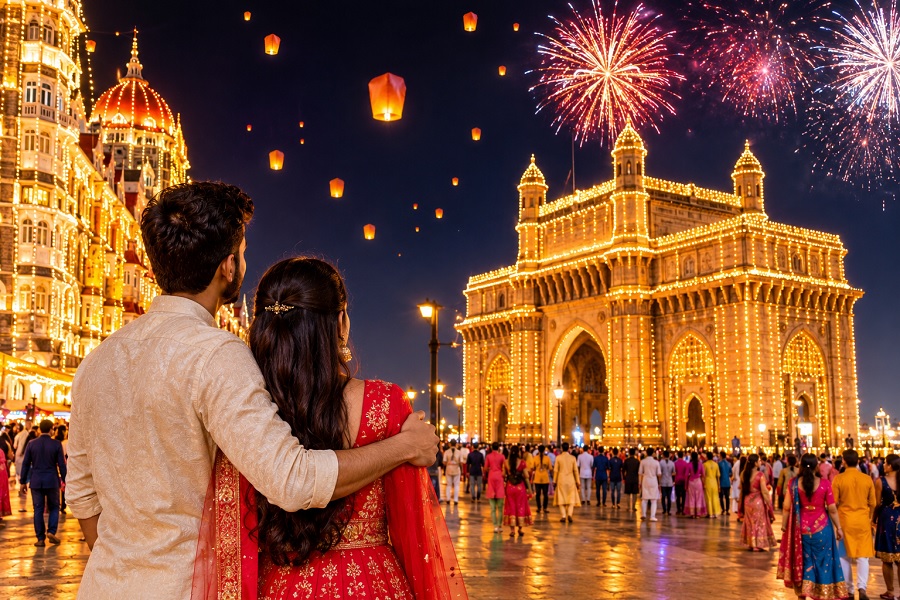
Festival of Lights Tourism: Discovering India's Glowing Cities and Traditional Diwali Celebr...