Diwali Handicraft Tourism: Exploring Traditional Diyas, Colorful Lanterns, and Indian Artisan Markets
Diwali Craft Tourism: Discovering Traditional Diyas, Handmade Lanterns, and Local Artisans
Introduction
Diwali, widely known as the Festival of Lights, is one of India's most celebrated festivals. The occasion brings families and communities together through traditional decorations, colorful rangoli, illuminated homes, festive markets, and cultural activities. Among these traditions, handmade crafts play an important role in preserving India's artistic heritage and supporting local artisans.
Diwali craft tourism allows travelers to discover the traditional skills behind earthen diyas, decorative lanterns, clay figurines, handmade ornaments, and other festive products. Visitors can explore artisan workshops, pottery villages, handicraft markets, and cultural centers to understand how these products are created.
Beyond shopping, craft tourism provides opportunities to learn about regional traditions, interact with craftspeople, and experience the creativity behind India's festive decorations. It also helps local artisans reach new audiences and creates opportunities for sustainable cultural tourism.
Traditional Diya Making: A Timeless Indian Craft
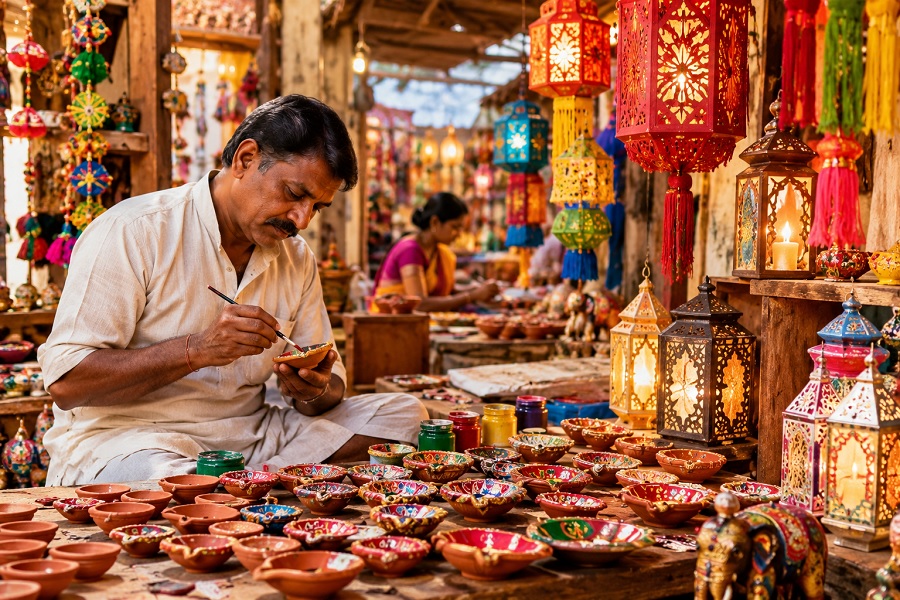
Traditional earthen diyas are among the most recognizable symbols of Diwali. These small lamps are generally made from clay and shaped by hand or on a potter's wheel. After shaping, they are dried and fired before being sold in local markets.
In many communities, pottery skills are passed down through generations. During the festive season, potters produce lamps in different sizes, shapes, and designs to meet the increased demand.
Visitors can explore pottery workshops to observe clay preparation, diya shaping, drying, firing, and decorative finishing. Some artisan centers also offer supervised pottery and diya-painting activities.
Purchasing handmade diyas directly from local craftspeople helps support traditional livelihoods and encourages the continuation of pottery-making skills.
Handmade Lanterns: Colorful Expressions of Creativity
Handmade lanterns, known as kandils in Maharashtra, are an important part of Diwali decorations in many Indian households. These decorative items may be created using paper, bamboo, fabric, wood, and other materials.
Artisans produce lanterns in different colors, shapes, and patterns, combining traditional techniques with contemporary designs. Their work reflects local creativity and the importance of decorative crafts in festive celebrations.
Cities such as Pune, Mumbai, and Nashik offer opportunities to explore Diwali markets and look for handmade lanterns and decorative products. Visitors can also search for local workshops that demonstrate the process of lantern-making.
Craft tourism encourages travelers to appreciate the skill, time, and effort involved in producing these festive decorations.
Best Places to Explore Diwali Crafts in India
1. Pune, Maharashtra
Pune has a strong festive culture, with markets selling traditional kandils, earthen diyas, decorative torans, and handmade gifts. Visitors can explore local markets and look for craft demonstrations during the Diwali season.
2. Jaipur, Rajasthan
Jaipur is known for its rich handicraft traditions, including pottery, decorative objects, textiles, and artisan-made home accessories. Travelers can discover traditional products suitable for festive decorations and gifting.
3. Kolkata, West Bengal
Kolkata's Kumartuli district is famous for traditional clay idol-making. The area provides insight into Bengal's clay-art traditions and the specialized skills of its artisans. Visitors interested in cultural tourism can learn about traditional clay craftsmanship and its role in regional festivals.
4. Kutch, Gujarat
Kutch is celebrated for embroidery, textile work, decorative crafts, and community-based artisan production. Visitors can explore craft villages and discover handmade items that reflect regional traditions and artistic identity.
5. Varanasi, Uttar Pradesh
Varanasi has a long tradition of textiles, metalwork, and religious handicrafts. Visitors can explore local markets for brass lamps, decorative objects, handmade gifts, and other traditional products associated with Indian celebrations.
6. Nashik, Maharashtra
Nashik offers opportunities to explore festive markets, traditional earthen lamps, handmade decorations, and local Diwali shopping traditions. Visitors can look for local potters and craft sellers to learn more about diya-making and regional festive customs.
Workshop access, craft demonstrations, and seasonal product availability vary by location. Visitors should confirm arrangements before traveling.
Cultural Significance of Diwali Handicrafts
Diwali handicrafts represent more than decorative products. They connect communities with cultural traditions, regional identities, and inherited artistic skills.
Earthen diyas symbolize light and are associated with hope, prosperity, and the triumph of light over darkness. Handmade lanterns brighten homes and streets, while decorative torans, rangoli materials, and festive ornaments contribute to the atmosphere of celebration.
Regional differences make Diwali craft tourism particularly interesting. Materials, colors, patterns, and production techniques vary according to local traditions and available resources.
By visiting artisan communities, travelers can understand how traditional craftsmanship continues to play an important role in India's cultural heritage.
Supporting Local Artisans Through Craft Tourism
Local artisans and small craft businesses play a significant role in preserving traditional skills. Festival tourism can help these communities reach new customers and generate additional income during the festive season.
Visitors can support artisans by purchasing authentic handmade products, participating in craft workshops, and learning about the process behind each item.
Tourism businesses can collaborate with craftspeople to organize guided craft walks, pottery demonstrations, festive market tours, and hands-on cultural experiences.
These activities encourage meaningful interaction between visitors and local communities while promoting traditional craftsmanship.
Sustainable Diwali Craft Tourism
Sustainability is an important consideration when choosing festive crafts. Handmade products created with locally available materials can support traditional livelihoods and provide alternatives to some mass-produced decorations.
Travelers can make responsible choices by purchasing locally made diyas and lanterns, choosing reusable decorations, minimizing packaging waste, and supporting craftspeople who explain their materials and production methods.
Visitors should avoid damaging natural surroundings, respect workshop rules, and seek permission before photographing artisans.
Responsible purchasing and tourism practices can help preserve cultural traditions while reducing unnecessary waste.
Diwali Craft Workshops and Visitor Experiences
Craft workshops make Diwali tourism more interactive and educational. Depending on the location, visitors may be able to participate in activities such as:
- Diya painting: Decorating clay lamps with traditional patterns and festive colors.
- Pottery demonstrations: Observing how artisans shape clay into lamps and decorative objects.
- Lantern making: Learning how paper, bamboo, and other materials are assembled into kandils.
- Traditional craft walks: Visiting local markets and artisan neighborhoods with knowledgeable guides.
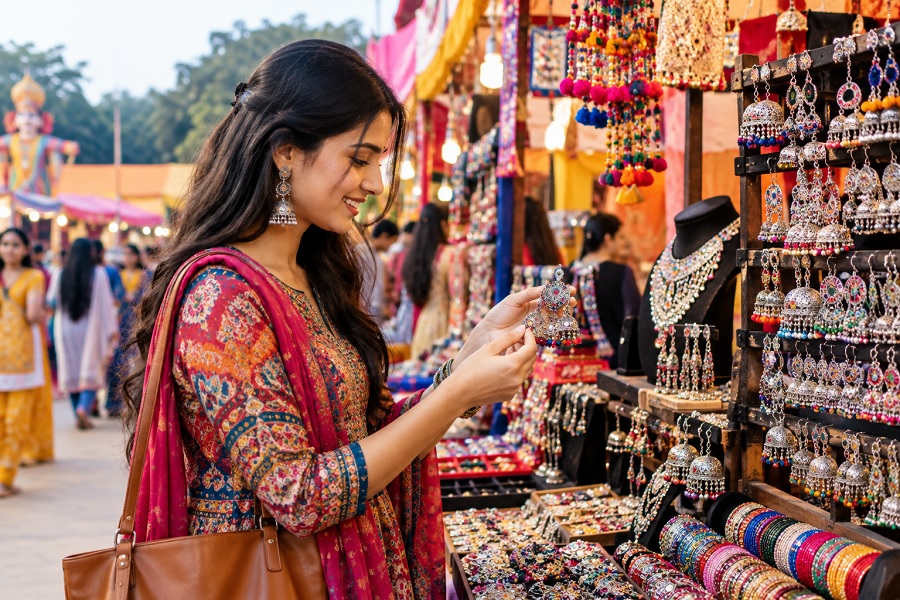
- Festive craft shopping: Discovering handmade ornaments, torans, decorative lamps, and gifts.
- Cultural storytelling: Learning about the customs and traditions associated with Diwali decorations.
These activities can appeal to families, students, photographers, cultural travelers, and anyone interested in traditional Indian arts.
Tips for Planning a Diwali Craft Tourism Trip
Planning ahead can help visitors enjoy a rewarding cultural experience.
1. Research local craft traditions: Identify destinations known for pottery, lantern-making, textiles, or decorative handicrafts.
2. Check festival dates: Plan travel around local Diwali celebrations and market schedules.
3. Contact artisans in advance: Confirm workshop availability, fees, and participation requirements.
4. Shop responsibly: Consider craftsmanship, quality, and the materials used in each product.
5. Allow enough time: Markets and workshops may become crowded during the festive period.
6. Respect local customs: Ask permission before taking photographs or recording demonstrations.
7. Prioritize safety: Follow instructions when working with clay tools, paints, heat, or lamps.
Opportunities for Tourism Businesses
Diwali craft tourism creates opportunities for tour operators, hotels, cultural organizations, and local guides to develop festival-themed experiences.
Businesses can offer guided handicraft tours, artisan market visits, pottery sessions, festive shopping itineraries, and cultural packages that introduce visitors to local traditions.
Hotels and travel companies can collaborate with craftspeople to showcase handmade decorations and provide guests with authentic regional craft experiences.
These partnerships can create additional income opportunities for artisans, encourage responsible tourism, and increase awareness of India's diverse handicraft heritage.
Future of Diwali Craft Tourism
Diwali craft tourism offers opportunities for growth through authentic cultural experiences, artisan-led workshops, local market tours, and customized festival itineraries.
Travelers increasingly have opportunities to combine traditional craft shopping with educational activities, regional sightseeing, and interactions with local communities. Digital platforms can also help visitors discover artisan businesses, research workshops, and plan cultural experiences.
Tourism providers that collaborate with local craftspeople can help preserve traditional skills while developing experiences that benefit both visitors and host communities.
Conclusion
Diwali craft tourism provides a meaningful way to experience India's cultural heritage through traditional diyas, handmade lanterns, pottery, and regional handicrafts. From Maharashtra's pottery traditions to Jaipur's decorative crafts and Kutch's textile heritage, travelers can discover the creativity and dedication of local artisans.
By visiting craft workshops, exploring festive markets, and purchasing handmade products, tourists can support traditional livelihoods while learning about the cultural significance of Diwali decorations.
Diwali craft tourism offers valuable opportunities to preserve traditional skills, strengthen local economies, and make the Festival of Lights a more enriching cultural experience for visitors and communities






.jpg)