Traditional Diwali Handicrafts Tourism: Exploring India's Local Artisans and Festive Creations
Traditional Diwali Craft Tourism: Discovering India's Local Artisans and Handicrafts
Introduction
Diwali, the festival of lights, is one of India's most celebrated festivals, bringing together traditions, creativity and cultural heritage. Traditional handicrafts play an important role in Diwali celebrations, from handmade clay diyas and decorative lanterns to colourful rangoli accessories and artistic home decorations. Traditional Diwali Craft Tourism provides travellers with an opportunity to explore India's rich handicraft traditions, visit artisan communities and discover the skills behind locally made festive products.
India's Rich Tradition of Diwali Handicrafts
India has a diverse handicraft heritage, with every region offering distinctive artistic styles and handmade products. During Diwali, these traditional crafts become especially popular as people decorate their homes and exchange festive gifts.
Rajasthan is known for its colourful pottery, blue pottery, miniature paintings, wooden decorations and traditional textiles. Jaipur attracts visitors interested in handmade decorative products and traditional craftsmanship. Uttar Pradesh is recognised for its clay diyas, brassware, wooden toys and decorative handicrafts. Gujarat offers traditional embroidery, mirror work and handcrafted decorative items, while Maharashtra is known for its clay lamps, traditional torans and festive decorations.
Popular Traditional Diwali Crafts
Several handmade products attract tourists and shoppers during the Diwali season.
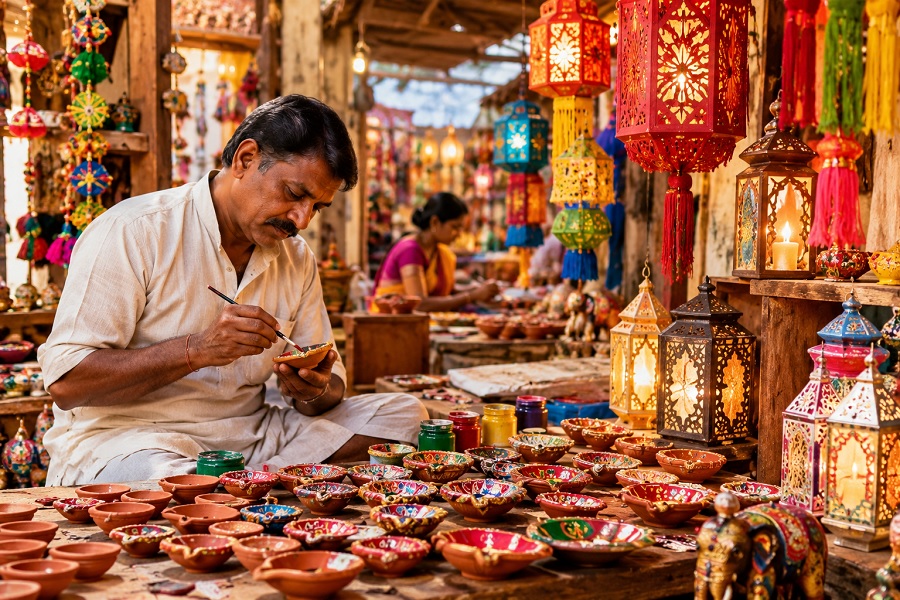
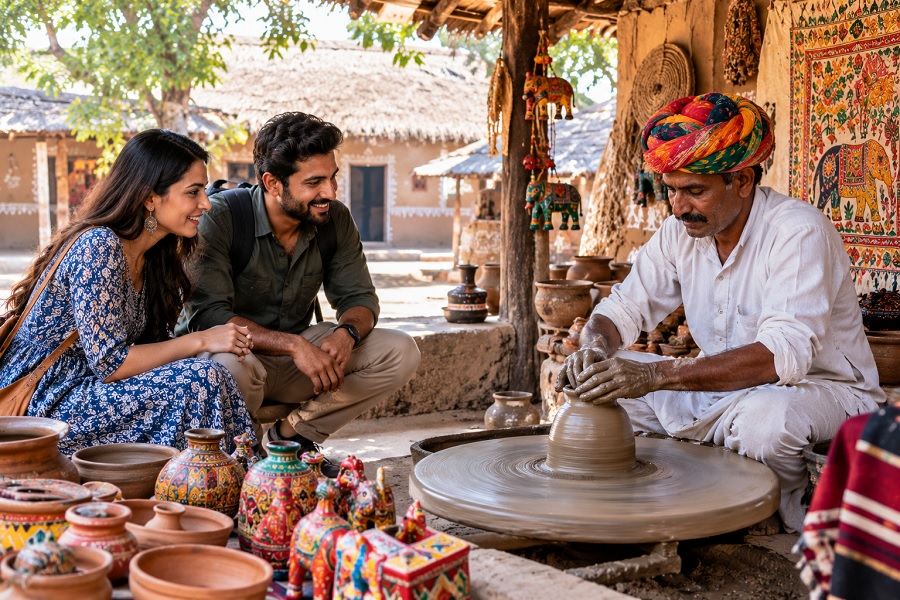
Clay Diyas and Terracotta Lamps: Traditional earthen lamps are among the most recognisable symbols of Diwali. Visitors can explore pottery workshops and observe how artisans shape, dry and decorate clay lamps.
Decorative Lanterns: Handmade paper lanterns, fabric decorations and traditional kandils reflect India's regional artistic styles.
Rangoli Art: Traditional rangoli designs made using natural colours, flowers and decorative materials represent creativity and festive traditions.
Handmade Torans: Decorative door hangings made from fabric, beads, flowers and traditional materials are popular festive handicrafts.
Wooden and Metal Crafts: Handcrafted wooden decorations, brass lamps and artistic metal products showcase the craftsmanship of local communities.
Popular Destinations for Diwali Craft Tourism
India offers several destinations where travellers can discover traditional handicrafts and interact with local artisans.
Jaipur, Rajasthan: Famous for blue pottery, block printing, miniature paintings and traditional decorative products.
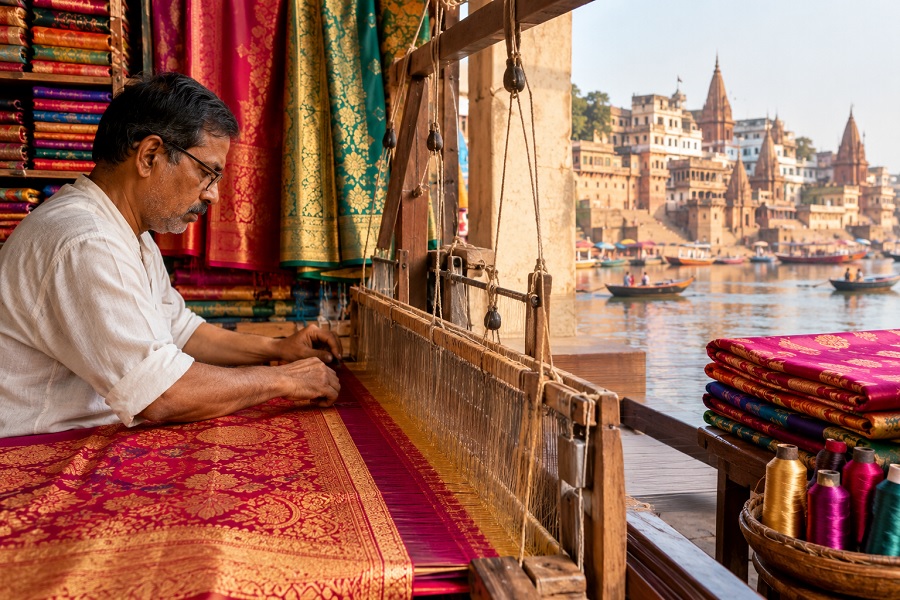
Varanasi, Uttar Pradesh: Known for silk weaving, metal crafts, wooden products and traditional artistic heritage.
Kutch, Gujarat: Popular for embroidery, mirror work, traditional textiles and distinctive handmade decorations.
Pune, Maharashtra: Offers opportunities to explore traditional Maharashtrian festive decorations, local handicraft markets and clay diya-making traditions.
Kolkata, West Bengal: Recognised for terracotta crafts, artistic clay work, traditional decorative products and handmade festive items.
Artisan Workshops and Cultural Experiences
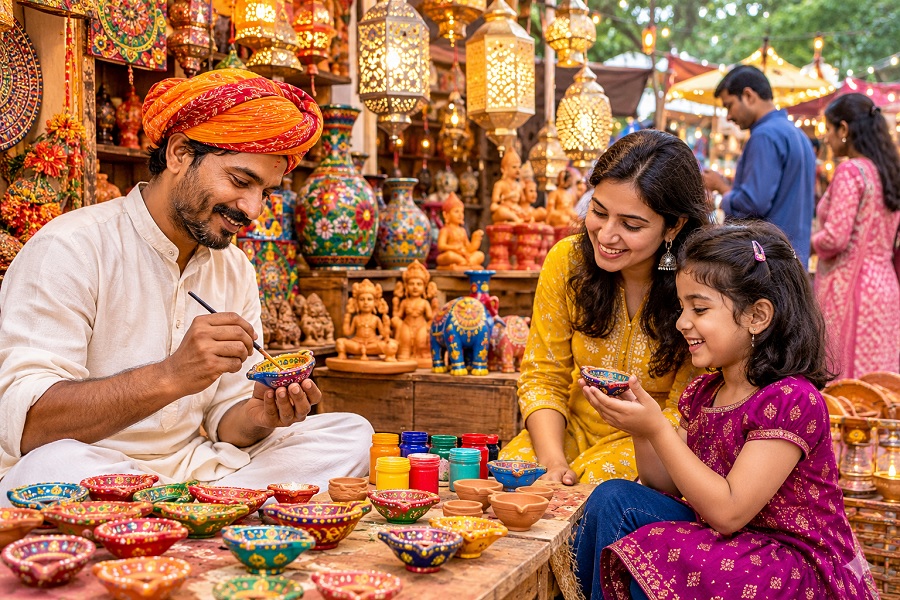
One of the major attractions of craft tourism is the opportunity to experience traditional production techniques. Visitors can participate in pottery workshops, observe diya painting, learn basic embroidery techniques and explore traditional textile-making processes.
These activities provide a closer understanding of the time, creativity and effort involved in producing handmade goods. Travellers can also interact with artisans to learn about the history of regional crafts, traditional designs and the cultural significance of festive decorations.
Supporting Local Artisans Through Tourism
Diwali craft tourism plays an important role in supporting India's local artisan communities. Purchasing handmade products directly from craftspeople helps generate income for traditional artisan families and small businesses.
Craft exhibitions, cultural festivals, artisan markets and organised village tours also create opportunities for craftspeople to showcase their work. Increased tourist interest can encourage younger generations to learn traditional skills and continue their family's craftsmanship traditions.
Sustainable and Eco-Friendly Diwali Handicrafts
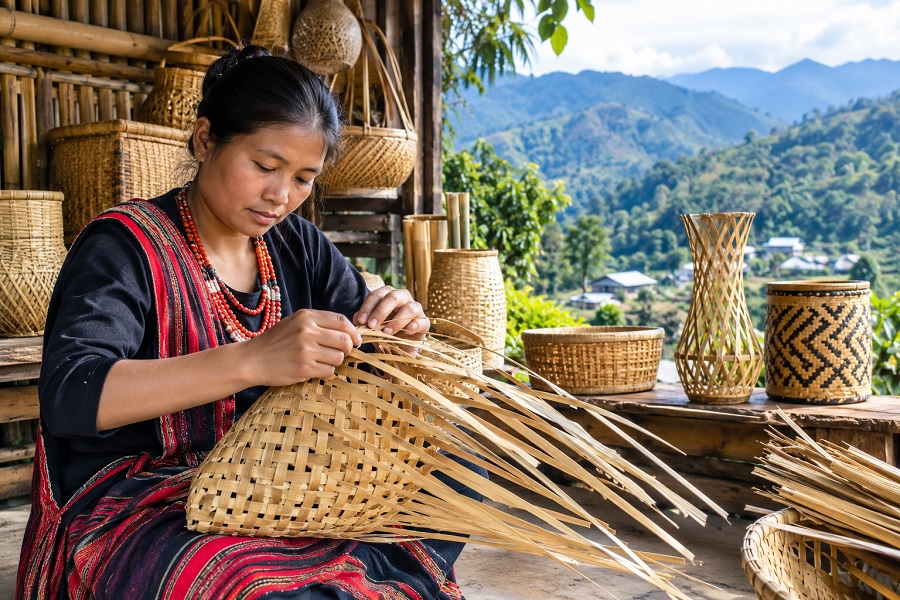
Sustainable handicrafts are becoming an important part of responsible festive tourism. Handmade clay diyas, natural-fibre decorations, reusable lanterns, traditional wooden crafts and products made using recycled materials provide alternatives to mass-produced decorations.
Travellers can support environmentally responsible practices by choosing locally produced items, avoiding unnecessary plastic decorations and purchasing products made using traditional techniques. These choices can help preserve cultural heritage while encouraging sustainable livelihoods.
Economic and Cultural Importance of Craft Tourism
Traditional craft tourism contributes to regional economic development by connecting artisan communities with domestic and international visitors. It supports small businesses, creates employment opportunities and promotes local markets.
Beyond its economic benefits, craft tourism helps preserve India's intangible cultural heritage. Traditional designs, production techniques and regional artistic identities can be passed on to future generations through workshops, demonstrations and cultural exchange.
Future of Traditional Diwali Craft Tourism
The future of Diwali craft tourism offers opportunities for greater collaboration between tourism organisations, local governments, artisan associations and hospitality businesses. Digital promotion, online craft marketplaces, organised heritage tours and interactive workshops can help traditional crafts reach wider audiences.
As travellers increasingly seek authentic cultural experiences, artisan villages and traditional craft destinations can become attractive additions to India's festive tourism offerings. Promoting these experiences can strengthen local economies and encourage the preservation of traditional craftsmanship.
Conclusion
Traditional Diwali Craft Tourism offers a meaningful way to discover India's artistic heritage while celebrating the festival of lights. From handmade clay diyas and terracotta decorations to traditional textiles and regional handicrafts, every product reflects the creativity and skills of local artisans. By visiting craft destinations, participating in workshops and purchasing authentic handmade products, travellers can support artisan communities and contribute to cultural preservation. Combining festive celebrations with traditional craftsmanship makes Diwali craft tourism an enriching experience for visitors and local communities alike.