The Future of Cultural Tourism: How Technology and Authentic Experiences Are Transforming Heritage Travel

Future of Cultural Tourism: Exploring Technology, Authentic Experiences and Heritage Preservation
Introduction
Cultural tourism is an important part of the global travel industry, allowing visitors to explore the traditions, history, art, architecture, food and lifestyles of different communities. As travel preferences continue to evolve, the future of cultural tourism is becoming increasingly connected with modern technology, authentic experiences and heritage preservation.
Travellers are no longer interested only in visiting famous monuments and historical attractions. Many want to understand local traditions, participate in cultural activities, interact with local communities and experience the authentic identity of destinations.
Emerging technologies such as artificial intelligence (AI), virtual reality (VR), augmented reality (AR) and digital platforms are also transforming how people discover and experience cultural destinations. These developments are creating new opportunities for tourism businesses, heritage organisations and local communities.
What Is Cultural Tourism?
Cultural tourism refers to travelling to destinations to discover and experience the cultural characteristics of a particular region or community. It includes historical monuments, museums, traditional festivals, local cuisines, handicrafts, performing arts, religious heritage and indigenous traditions.
It helps travellers understand different cultures while supporting local businesses, artists, craftspeople and heritage conservation initiatives.
1. Role of Technology in the Future of Cultural Tourism
Technology is expected to play an important role in making cultural tourism more accessible, informative and interactive.
Artificial Intelligence in Cultural Tourism
Artificial intelligence can help travellers discover cultural attractions based on their interests, budgets and travel preferences. AI-powered travel assistants can suggest heritage destinations, recommend cultural activities and provide personalised travel information.
Virtual Reality Experiences
Virtual reality allows visitors to explore historical environments through immersive digital experiences. Museums and heritage organisations can use VR to recreate ancient cities, monuments and historical events.
Augmented Reality Tourism
Augmented reality can provide additional information about historical buildings, sculptures and archaeological locations. Visitors can use smartphones or smart devices to view digital explanations and reconstructed historical scenes.
Smart Tourism Platforms
Digital tourism platforms make it easier to discover cultural attractions, purchase tickets, book guided tours and access local travel information.
2. Growing Demand for Authentic Cultural Experiences
Modern travellers are increasingly interested in meaningful experiences rather than simply visiting popular tourist attractions.
Authentic cultural tourism provides opportunities to understand the everyday lives, traditions and customs of local communities.
Popular experiences include:
Participating in traditional cooking classes.
Learning regional dance and music forms.
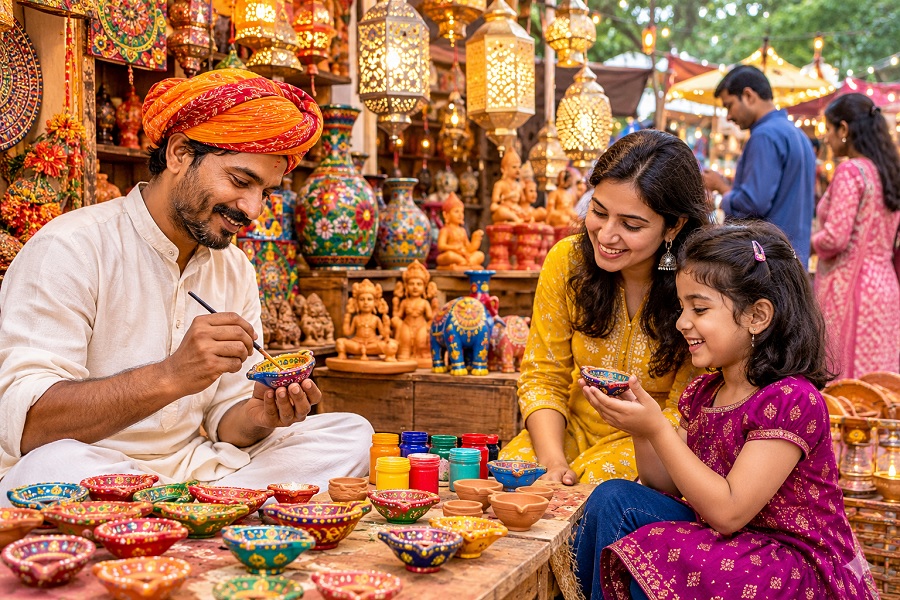
Visiting local handicraft workshops.
Exploring traditional villages.
Attending cultural festivals.
Staying in community-managed homestays.
Learning traditional weaving and pottery techniques.
Experiencing local food markets and regional cuisines.
These activities help travellers develop a deeper connection with destinations and their cultural identities.
3. Importance of Heritage Preservation
Heritage preservation is essential for maintaining the cultural identity and historical value of destinations. Historical monuments, traditional buildings, archaeological sites, ancient manuscripts and indigenous practices require continuous protection.
Tourism can contribute to preservation by generating income for conservation projects and creating awareness about the importance of cultural heritage.
Important heritage preservation initiatives include:
Restoring historical buildings and monuments.
Protecting archaeological locations.
Supporting traditional artists and craftspeople.
Documenting endangered languages and cultural practices.
Preserving historical photographs and manuscripts.
Promoting responsible visitor behaviour.
Supporting community-led conservation projects.
Sustainable cultural tourism ensures that future generations can continue experiencing and learning about their cultural heritage.
4. Community-Based Cultural Tourism
Local communities are becoming important participants in the development of cultural tourism. Community-based tourism allows residents to share their traditions, knowledge, skills and lifestyles with visitors.
This approach can create employment opportunities and support local economic development.
Examples include traditional village tours, artisan demonstrations, cultural homestays, regional food experiences and community-organised festivals.
By involving residents in tourism planning and management, destinations can promote more respectful and authentic cultural experiences.
5. Growth of Traditional Arts and Handicraft Tourism
Traditional arts and handicrafts are valuable components of cultural identity. Travellers interested in handmade products and artistic traditions are creating opportunities for local artisans.
Popular cultural activities include pottery making, textile weaving, embroidery, wood carving, painting, metalwork and traditional jewellery making.
Tourism businesses can collaborate with artisan communities to organise workshops, craft exhibitions and guided visits to production centres.
These initiatives help preserve traditional skills while providing additional income opportunities for craftspeople.
6. Food and Culinary Heritage Tourism
Food is one of the most important ways to understand the culture of a destination. Regional ingredients, cooking techniques, traditional recipes and local dining customs reflect the history and identity of communities.
Culinary cultural tourism may include traditional food walks, cooking workshops, heritage restaurants, farm visits and local food festivals.
For example, travellers visiting India can explore Maharashtrian cuisine, Rajasthani traditional dishes, South Indian food traditions and regional street food cultures.
These experiences encourage visitors to discover local culinary heritage while supporting small food businesses and traditional producers.
7. Sustainable Cultural Tourism
Sustainability will remain an important factor in the future of cultural tourism. Popular heritage destinations may experience overcrowding, environmental pressure and damage to historical structures.
Responsible tourism practices can help reduce these challenges.
Important sustainable practices include:
Encouraging responsible visitor behaviour.
Promoting lesser-known cultural destinations.
Supporting local businesses and community organisations.
Reducing waste at heritage attractions.
Protecting traditional neighbourhoods.
Encouraging environmentally responsible transportation.
Managing visitor numbers at sensitive heritage locations.
Sustainable cultural tourism aims to balance tourism development with cultural protection and community well-being.
8. Digital Documentation of Cultural Heritage
Digital documentation is creating new possibilities for preserving historical and cultural information.
Museums, libraries, universities and heritage organisations can use digital archives to protect photographs, manuscripts, paintings, historical documents and traditional knowledge.
Three-dimensional scanning and digital mapping can also help record the condition and structure of important monuments.
Online exhibitions and digital collections allow people to explore cultural resources even when they cannot physically visit a destination.
9. Changing Role of Museums and Heritage Attractions
Museums and heritage attractions are gradually developing more interactive visitor experiences.
Modern museums are incorporating multimedia displays, digital storytelling, interactive exhibitions, audio guides and immersive technologies.
These developments can make historical information easier to understand for younger visitors, international tourists and educational groups.
Heritage attractions can also introduce guided experiences, cultural demonstrations and educational programmes to encourage deeper visitor engagement.
10. Opportunities for Tourism Businesses
The future of cultural tourism offers several opportunities for travel companies, accommodation providers, destination management organisations and local entrepreneurs.
Potential business opportunities include:
Specialised cultural travel packages.
Heritage walking tours.
Traditional craft workshops.
Regional food experiences.
Digital heritage guides.
Cultural homestay services.
Educational heritage tours.
Community-based travel programmes.
Virtual cultural experiences.
Sustainable heritage travel packages.
Businesses that collaborate with local communities and cultural organisations can create more meaningful tourism products.
11. Challenges Facing the Future of Cultural Tourism
Despite its opportunities, cultural tourism faces several challenges that require careful planning and management.
Overtourism: Excessive visitor numbers can damage historical attractions and disturb local communities.
Loss of Traditional Practices: Younger generations may become less involved in traditional crafts, languages and cultural activities.
Commercialisation of Culture: Excessive commercial activities can reduce the authenticity of cultural experiences.
Technology Accessibility: Smaller destinations and community organisations may lack the resources required to adopt advanced technologies.
Heritage Conservation Costs: Restoring and maintaining historical sites can require significant financial investment.
Cultural Sensitivity: Tourism activities must respect local customs, religious practices and community values.
Addressing these challenges requires cooperation between governments, tourism businesses, heritage experts and local residents.
12. Future Trends in Cultural Tourism
Several developments are expected to influence the cultural tourism industry in the coming years.
AI-powered personalised cultural itineraries.
Virtual and augmented reality heritage experiences.
Interactive museums and digital exhibitions.
Growth of community-based tourism.
Increasing interest in traditional food and crafts.
Sustainable heritage travel experiences.
Digital preservation of historical sites.
Cultural tourism focused on lesser-known destinations.
Educational and experiential cultural journeys.
Greater collaboration between tourism businesses and local communities.
These developments can help create a more accessible, engaging and responsible cultural tourism industry.
Conclusion
The future of cultural tourism will depend on the successful combination of modern technology, authentic visitor experiences and effective heritage preservation. Digital innovations can make cultural attractions more accessible, while community participation can help protect traditional knowledge, local craftsmanship and regional identities.
At the same time, sustainable tourism practices are essential for protecting historical sites and ensuring that local communities benefit from tourism development.
As travellers increasingly seek meaningful connections with destinations, cultural tourism is expected to create new opportunities for tourism businesses, heritage organisations and local entrepreneurs. By balancing innovation with cultural authenticity, the industry can preserve the past while creating valuable experiences for future generations.