Kashmiri Handicraft Tourism: Discover the Artistic Heritage and Traditional Crafts of Kashmir
Kashmiri Handicraft Tourism: Discovering the Artistic Heritage of Kashmir
Introduction
Kashmiri Handicraft Tourism offers travelers an opportunity to explore the rich artistic traditions, craftsmanship and cultural heritage of the Kashmir Valley. From intricate Pashmina shawls and hand-knotted carpets to papier-mâché products, walnut wood carving and traditional embroidery, Kashmiri crafts reflect generations of skill and storytelling.
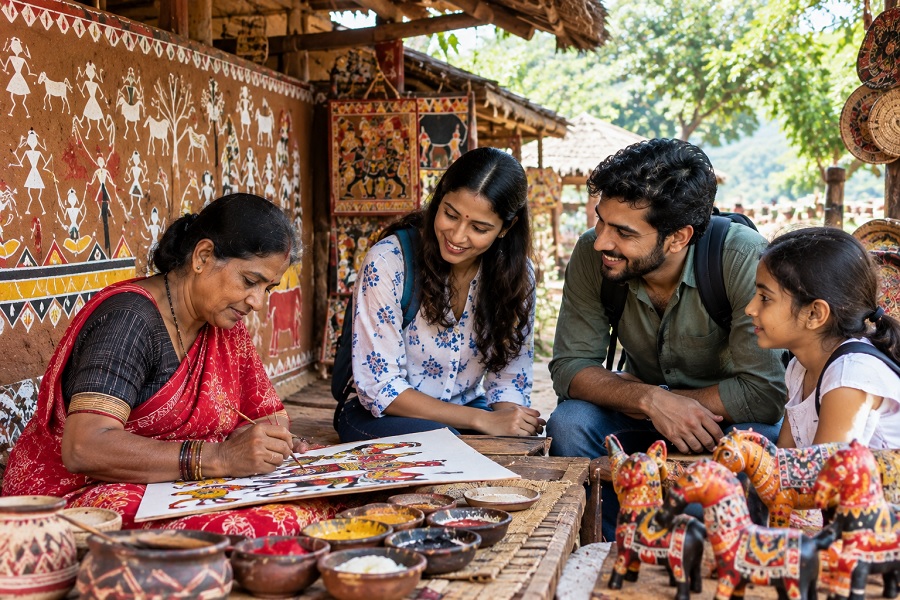
For travelers, handicraft tourism is more than shopping. It can include visits to artisan workshops, craft demonstrations, traditional markets, heritage neighborhoods and cultural centers where visitors can learn how local products are designed and produced.
What Is Kashmiri Handicraft Tourism?
Kashmiri Handicraft Tourism is a form of cultural tourism centered around the region's traditional crafts and artisan communities.
Visitors can experience:
Traditional craft workshops
Artisan demonstrations
Handloom weaving
Pashmina craftsmanship
Carpet weaving
Papier-mâché making
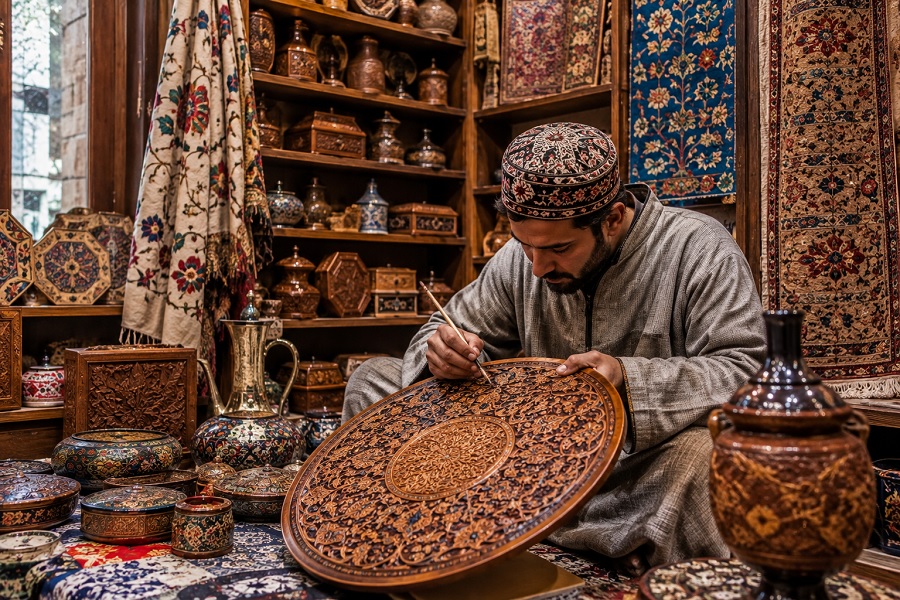
Walnut wood carving
Kashmiri embroidery
Traditional pottery
Local handicraft markets
Craft villages
Cultural exhibitions
The experience allows tourists to understand the time, creativity and craftsmanship behind products that are often associated with Kashmir's cultural identity.
Major Kashmiri Handicrafts to Explore
1. Pashmina
Pashmina is one of Kashmir's best-known textile traditions. Fine fibers are transformed into soft shawls and other products through processes involving spinning, weaving and finishing.
Travelers interested in Pashmina can explore the craftsmanship behind:
Shawls
Stoles
Scarves
Wraps
Fine embroidered textiles
When purchasing, visitors should ask sellers about the material, origin and certification where applicable.
2. Kashmiri Carpets
Hand-knotted carpets are another important part of Kashmir's craft heritage.
Traditional carpets can feature:
Floral patterns
Persian-inspired motifs
Geometric designs
Detailed borders
Intricate color combinations
A workshop visit can help travelers understand the patience and precision required to create a hand-knotted carpet.
3. Papier-Mâché
Kashmiri papier-mâché is recognized for its colorful decorative designs and detailed painting.
Artisans may create:
Decorative boxes
Vases
Bowls
Ornaments
Wall decorations
Traditional gift items
The craft demonstrates how a simple base material can be transformed into an elaborate decorative object.
4. Walnut Wood Carving
Walnut wood carving is another distinctive Kashmiri craft.
Artisans create detailed designs on:
Furniture
Tables
Decorative panels
Boxes
Frames
Household objects
Visitors can observe how floral and geometric patterns are carved into wood using traditional techniques.
5. Kashmiri Embroidery
Traditional embroidery adds another dimension to Kashmir's textile culture.
Popular forms include intricate needlework used on:
Shawls
Suits
Sarees
Fabrics
Home furnishings
Some designs can require considerable time and precision, making embroidery demonstrations especially interesting for visitors.
Why Kashmiri Handicraft Tourism Is Important
Handicraft tourism can connect travelers directly with local culture and creative traditions.
It can help:
Support artisan livelihoods
Promote traditional skills
Encourage cultural preservation
Increase awareness of regional crafts
Create opportunities for community-based tourism
Encourage responsible shopping
Strengthen local cultural identity
The Government of India has identified handicrafts as an important part of the country's cultural heritage and continues to support artisans through schemes and initiatives related to craft development, marketing and promotion.
Best Places to Explore Kashmiri Handicrafts
Srinagar
Srinagar is one of the most convenient starting points for travelers interested in Kashmiri crafts.
Visitors can explore traditional markets, artisan workshops and shops specializing in textiles, carpets, woodwork and decorative crafts.
Downtown Srinagar
The older parts of Srinagar offer opportunities to experience traditional architecture and local markets alongside craft shopping.
Walking through historic neighborhoods can provide a broader understanding of the cultural environment in which Kashmiri crafts developed.
Pampore and Surrounding Areas
The wider Kashmir region also offers opportunities to connect handicraft experiences with local agricultural and rural traditions.
Artisan Workshops
Workshop visits can provide a more meaningful experience than simply purchasing finished products.
Travelers may be able to observe:
Weaving
Embroidery
Carving
Painting
Finishing
Pattern creation
Availability varies by workshop, so visitors should arrange visits in advance when possible.
Kashmiri Handicraft Markets
Traditional markets are an important part of the tourism experience.
Travelers can look for:
Pashmina products
Carpets
Embroidered textiles
Papier-mâché items
Walnut wood products
Decorative crafts
Traditional clothing
However, tourists should compare products and prices rather than making an immediate purchase.
How to Shop Responsibly
Responsible shopping is particularly important when purchasing traditional crafts.
Before buying, travelers should:
Ask about the material.
Ask where the product was made.
Understand whether it is handmade or machine-made.
Compare prices.
Request appropriate certification for products where relevant.
Support genuine artisan businesses.
Avoid purchasing products made from restricted or illegally sourced materials.
Keep receipts for expensive purchases.
This approach helps travelers make informed decisions while supporting legitimate craft producers.
Kashmiri Handicrafts and Cultural Experiences
A handicraft trip can be combined with other cultural experiences.
Visitors can explore:
Kashmiri cuisine
Traditional music
Local architecture
Mughal gardens
Historic shrines
Dal Lake
Houseboat culture
Local festivals
Traditional markets
Combining crafts with these experiences creates a more complete cultural itinerary.
Kashmiri Handicraft Tourism for Families
Families can use handicraft tourism as an educational travel experience.
Children can learn about:
Traditional occupations
Local history
Textile production
Art techniques
Natural materials
Cultural traditions
Craft workshops can be particularly engaging because visitors can see the creative process rather than only the finished product.
Handicraft Tourism for Couples
Couples can combine craft exploration with a romantic Kashmir itinerary.
A trip could include:
Artisan workshops
Local shopping
Shikara rides
Heritage walks
Traditional Kashmiri meals
Scenic photography
Handicraft shopping
Couples can also purchase locally made crafts as souvenirs of their journey.
Handicraft Tourism for Solo Travelers
Solo travelers interested in art and culture can spend additional time exploring workshops and markets.
A slower itinerary can include:
Craft demonstrations
Photography
Conversations with artisans
Museum visits
Local food experiences
Heritage walks
Travelers should always respect workshop rules and ask before photographing artisans or their workspaces.
Photography Opportunities
Kashmiri handicraft tourism offers many opportunities for cultural photography.
Interesting subjects include:
Artisan hands at work
Looms
Embroidery patterns
Wood carving
Papier-mâché painting
Textile details
Traditional markets
Finished handicrafts
Workshop interiors
Always ask for permission before taking close-up photographs of artisans or private workshops.
Best Time for Kashmiri Handicraft Tourism
Handicraft workshops and markets can generally be explored throughout the year, but the overall Kashmir travel experience changes significantly with the seasons.
Spring: Pleasant weather and blooming landscapes can complement cultural exploration.
Summer: Suitable for combining handicraft visits with sightseeing and outdoor activities.
Autumn: Cooler weather and changing landscapes create opportunities for photography.
Winter: Snowy surroundings can provide a distinctive backdrop for indoor craft experiences, although weather can affect transportation.
Travelers should check current local conditions before planning their itinerary.
Kashmiri Handicrafts and Sustainable Tourism
Craft tourism can contribute to sustainable travel when visitors support genuine local production.
Travelers can choose:
Handmade products
Locally produced crafts
Artisan cooperatives
Community-based workshops
Long-lasting products
Traditional materials
Buying fewer, higher-quality handmade products can also be a more responsible alternative to purchasing large quantities of mass-produced souvenirs.
The Future of Kashmiri Handicraft Tourism
The future of Kashmiri handicraft tourism can combine traditional craftsmanship with modern tourism experiences.
Potential developments include:
Interactive craft workshops
Artisan-led walking tours
Digital craft storytelling
Online artisan marketplaces
Cultural festivals
Craft museums
Heritage craft trails
Sustainable craft experiences
Photography-focused craft tours
Hands-on workshops for international visitors
Digital platforms can also help artisans reach wider markets while tourism can introduce visitors directly to the people and traditions behind the products.
Conclusion
Kashmiri Handicraft Tourism provides travelers with a meaningful way to explore Kashmir through art, craftsmanship and local culture. Pashmina, carpets, papier-mâché, walnut wood carving and traditional embroidery each represent different aspects of the region's artistic heritage.
A responsible handicraft journey goes beyond shopping. It encourages travelers to meet artisans, understand traditional techniques, appreciate the time involved in handmade products and support genuine local craftsmanship.
By combining artisan workshops with Kashmir's food, architecture, landscapes and cultural attractions, visitors can create a richer and more memorable travel experience.