Exploring Banarasi Silk Heritage: Traditional Sarees, Skilled Artisans, and Varanasi’s Cultural Legacy
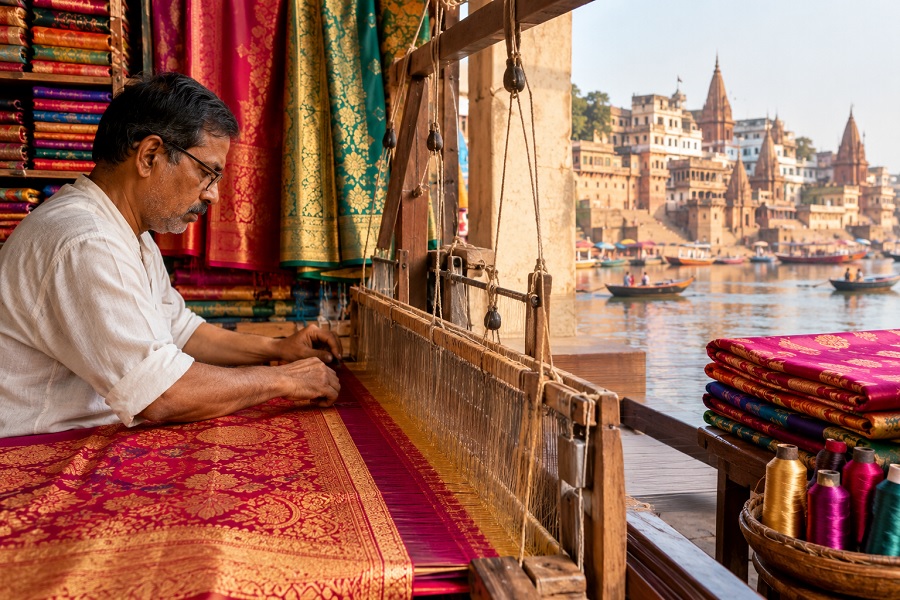
Banarasi Silk Tourism: Exploring Varanasi's Famous Weaving Heritage
Introduction
Banarasi silk tourism offers travelers a unique opportunity to explore the rich textile traditions, artistic skills, and cultural heritage of Varanasi, Uttar Pradesh, India. Famous for its luxurious silk sarees, intricate zari work, and traditional weaving techniques, Varanasi has been an important center of Indian textile craftsmanship for generations.
Banarasi silk sarees are admired for their detailed patterns, gold and silver-colored threadwork, floral designs, and elegant appearance. These sarees are popular choices for weddings, festivals, religious ceremonies, and other special occasions. For tourists interested in Indian culture, fashion, handicrafts, and traditional industries, exploring Banarasi silk weaving provides a memorable cultural experience.
The History of Banarasi Silk
Varanasi, also known as Banaras or Kashi, is one of India's historic cultural destinations. Its silk-weaving tradition has developed over centuries, influenced by changing artistic styles, royal patronage, and the skills of generations of weavers.
Banarasi textiles became especially well known for their elaborate brocade designs and decorative patterns. Persian-inspired motifs, traditional Indian floral elements, and intricate geometric designs have contributed to the distinctive identity of Banarasi silk.
Today, the craft continues through traditional family workshops, independent artisans, weaving communities, and textile businesses. Despite changes in technology and consumer preferences, handloom weaving remains an important part of the region's cultural identity.
Exploring Traditional Silk Weaving
One of the main attractions of Banarasi silk tourism is the opportunity to understand how silk fabrics are created. Visitors can explore weaving workshops and learn about the different stages involved in producing a saree.
The process generally includes selecting silk yarn, preparing the warp and weft, creating patterns, setting up the loom, and weaving the fabric. Depending on the complexity of the design, a saree may require considerable time and skilled craftsmanship.
Traditional handloom weaving demands patience, precision, and artistic knowledge. Some designs incorporate elaborate brocade patterns and zari work, which add richness and detail to the finished fabric.
Where workshops permit visitors, observing weavers at work can help travelers appreciate the effort behind each textile.
Famous Banarasi Silk Designs
Banarasi silk is available in a variety of styles, patterns, and weaving traditions. Popular design elements include:
Floral motifs: Inspired by flowers, leaves, and vines.
Brocade patterns: Decorative designs woven into the fabric.
Zari work: Metallic-thread detailing that creates a rich appearance.
Traditional borders: Elaborate edges featuring geometric and floral patterns.
Butidar designs: Repeated decorative motifs distributed across the fabric.
Contemporary patterns: Modern colors and designs that appeal to younger customers.
These styles demonstrate how traditional craftsmanship continues to adapt to changing fashion trends while retaining its cultural significance.
Best Places to Explore Banarasi Silk in Varanasi
Visitors can explore textile shops, weaving neighborhoods, artisan workshops, and traditional markets to learn more about Banarasi silk.
Areas such as Madanpura and nearby weaving communities are associated with the city's textile-making traditions. Travelers may also explore established saree shops and handloom outlets around Varanasi to compare fabrics, patterns, and prices.
When visiting a weaving workshop, tourists should ask permission before taking photographs or recording videos. Buying directly from reputable artisans or verified handloom sellers can help support local craftsmanship.
Cultural Experiences for Tourists
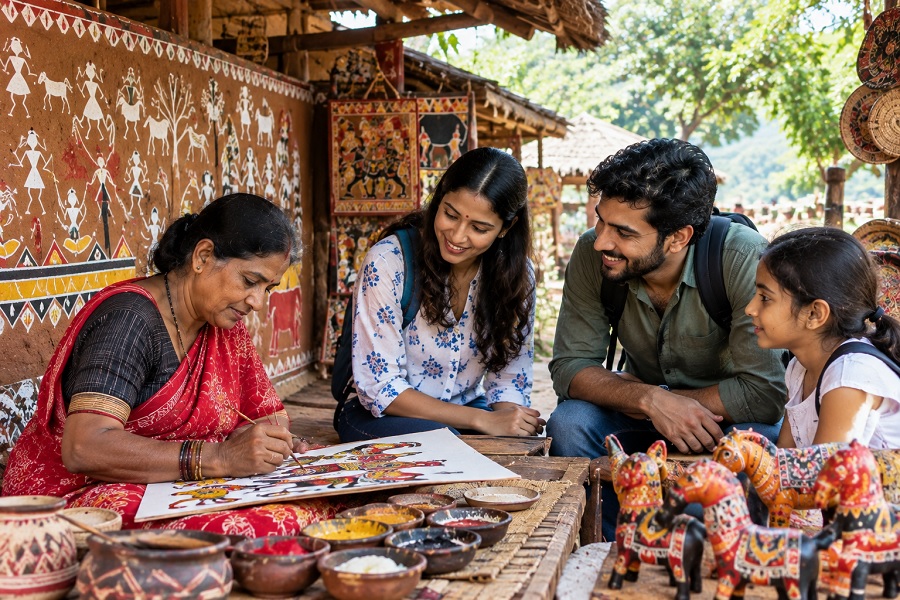
Banarasi silk tourism is not limited to shopping. It offers opportunities to understand the connection between textiles, local livelihoods, Indian celebrations, and traditional design.
Travelers can combine a textile-focused visit with other cultural experiences in Varanasi, including exploring its historic streets, visiting temples, discovering traditional markets, and experiencing the city's famous ghats along the River Ganga.
Visitors interested in fashion and photography can document the colorful fabrics, intricate patterns, looms, and artisan workshops, subject to local permissions. Cultural tours that include conversations with weavers can provide a deeper understanding of the challenges and achievements of the weaving community.
Supporting Local Artisans and Sustainable Tourism
Responsible tourism can help preserve traditional weaving skills and provide economic opportunities for artisan communities. Purchasing authentic handloom products, learning about the production process, and respecting workshop practices are useful ways for visitors to contribute.
Tourists should ask sellers about the fabric composition, weaving method, zari material, and product origin before purchasing. Not every saree marketed as Banarasi silk is necessarily handwoven or made entirely from pure silk, so clear product information is important.
Supporting transparent businesses and skilled artisans can encourage the continuation of traditional textile production and help preserve Varanasi's weaving heritage for future generations.
Best Time to Visit Varanasi
Varanasi can be visited throughout the year, but the cooler months from October to March are generally comfortable for sightseeing and cultural exploration. Visitors should check local weather conditions and festival schedules when planning their trip.
A textile-focused visit can be arranged as a half-day activity or included in a longer itinerary covering Varanasi's historical, spiritual, and cultural attractions. Workshop visits should be confirmed in advance because access and working hours may vary.
Travel Tips for Banarasi Silk Tourism
Research reputable handloom stores and artisan workshops before visiting.
Ask whether the fabric is handwoven, powerloom-produced, pure silk, or a silk blend.
Compare prices, designs, and product details before making a purchase.
Request a receipt and written product information for expensive purchases.
Respect artisans' time, privacy, and photography preferences.
Carry reusable shopping bags to reduce unnecessary packaging.
Allow enough time to explore weaving techniques rather than treating the visit only as a shopping trip.
Conclusion
Banarasi Silk Tourism: Exploring Varanasi's Famous Weaving Heritage is an enriching cultural journey into one of India's best-known textile traditions. From intricate brocade designs and traditional looms to the expertise of local weavers, the experience reveals the creativity and dedication behind Banarasi silk.
By visiting artisan workshops, learning about weaving techniques, and purchasing responsibly, travelers can appreciate the cultural value of these textiles while supporting the communities that preserve them. Banarasi silk tourism connects India's artistic past with its evolving fashion industry, making Varanasi an appealing destination for culture lovers, textile enthusiasts, shoppers, and heritage travelers.