ONORC records over 233 crore portability transactions since launch
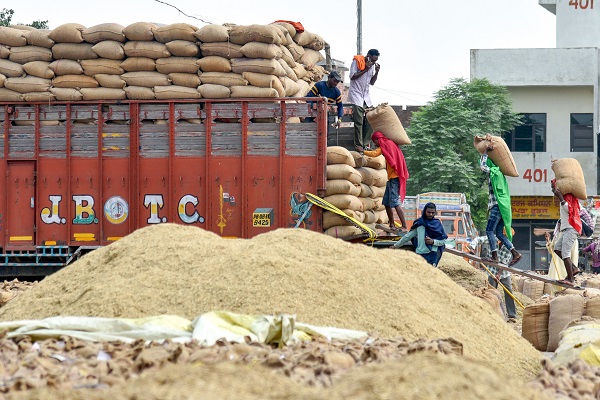
The One Nation One Ration Card (ONORC) initiative has enabled over 233 crore inter-state and intra-state portability transactions since its launch, strengthening nationwide access to subsidised foodgrains, an official factsheet said on Thursday.
The system currently facilitates about 3.27 crore portability transactions every month and has enabled distribution of more than 614 lakh metric tonnes of foodgrains through portability mechanisms.
Ration card and beneficiary databases are 100 per cent digitised across all states or UTs as of October 2026, covering around 78.65 crore beneficiaries, and are accessible on public transparency portals of States/UTs.
Out of 20.51 crore ration cards in the Central System, 98.8 per cent (20.27 crore) have been Aadhaar-seeded. The total number of beneficiaries seeded with Aadhaar stands at 76.97 crore.
The statement noted that e-KYC has been done in respect of 71.52 crore beneficiaries i.e., 91 per cent of total beneficiaries as on September 30, 2026.
Online foodgrain allocation is implemented nationwide, while supply chains are computerised in 31 states or UTs.
Out of a total of 5.51 lakh Fair Price Shops (FPSs), 99.8 per cent (5.50 lakh) are operational with e-PoS devices. Advanced Aadhaar and PDS data analytics flagged 5.95 crore suspicious records, leading to the deletion of 2.58 crore duplicate or ineligible entries
The One Nation One Ration Card (ONORC) scheme was launched in 2019 by the Department of Food & Public Distribution. It is a major reform of the Public Distribution System (PDS), enabling nationwide portability of ration cards and beneficiaries covered under the National Food Security Act (NFSA).
Under Targeted Public Distribution System (TPDS) reforms, ONORC uses technology to enable beneficiaries to access their entitled foodgrains anywhere in the country, the statement noted.
The initiative has strengthened social protection for migrant populations and advanced the vision of a more integrated, inclusive, and beneficiary-centric welfare delivery system.
The government has complemented ration portability with digital authentication, data-driven targeting and technology-enabled distribution to improve transparency and last-mile delivery.