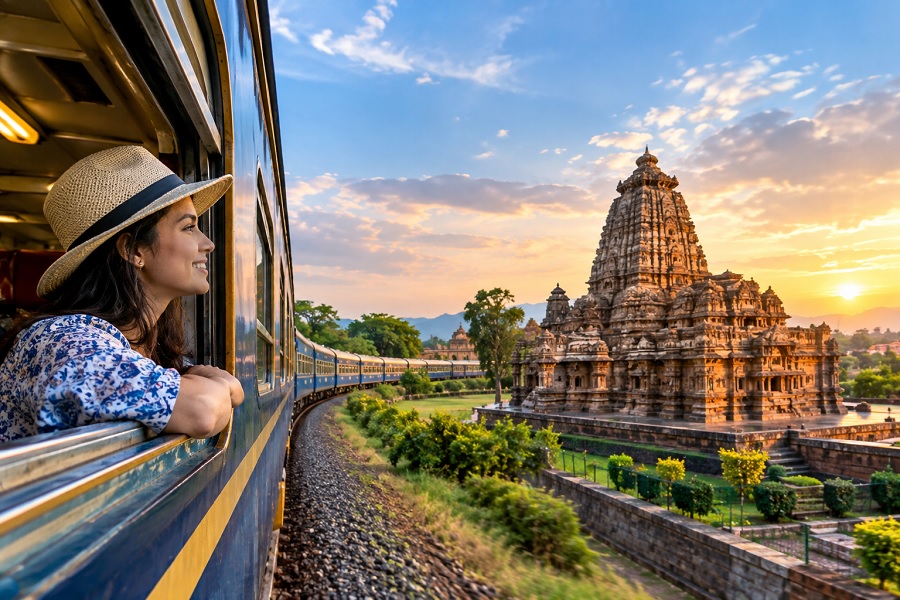
Madhubani Painting Tourism: Discovering Bihar’s Rich Folk Art and Cultural Heritage
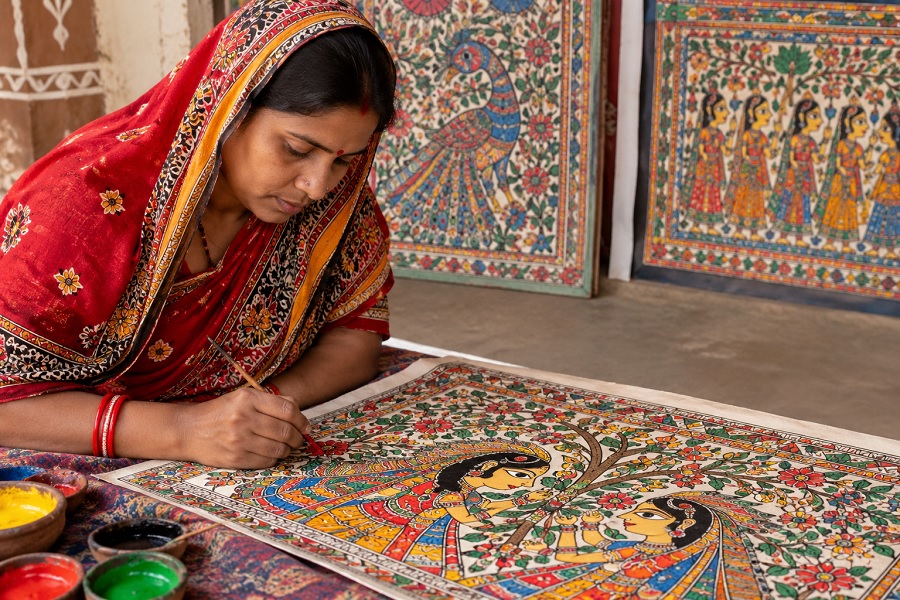
Madhubani Painting Tourism: Exploring Bihar’s Traditional Art and Culture
Introduction
Madhubani painting tourism is a fascinating way to discover the traditional art, cultural heritage, and creative traditions of Bihar, India. Also known as Mithila painting, this folk-art tradition is celebrated for its vibrant colours, intricate patterns, and depictions of mythology, nature, festivals, and everyday life. It is an important part of the cultural identity of the Mithila region.
For travellers interested in art, history, and authentic cultural experiences, Madhubani offers opportunities to explore traditional paintings, discover local craftsmanship, interact with artists, and purchase handmade souvenirs. Cultural tourism centred on Madhubani painting also helps support local artisans and encourages the preservation of traditional artistic knowledge.
What Is Madhubani Painting?
Madhubani painting is a traditional Indian folk-art form associated with the Mithila region of Bihar and neighbouring areas of Nepal. It was traditionally created on freshly plastered mud walls and floors, particularly during religious ceremonies, weddings, festivals, and other important occasions.
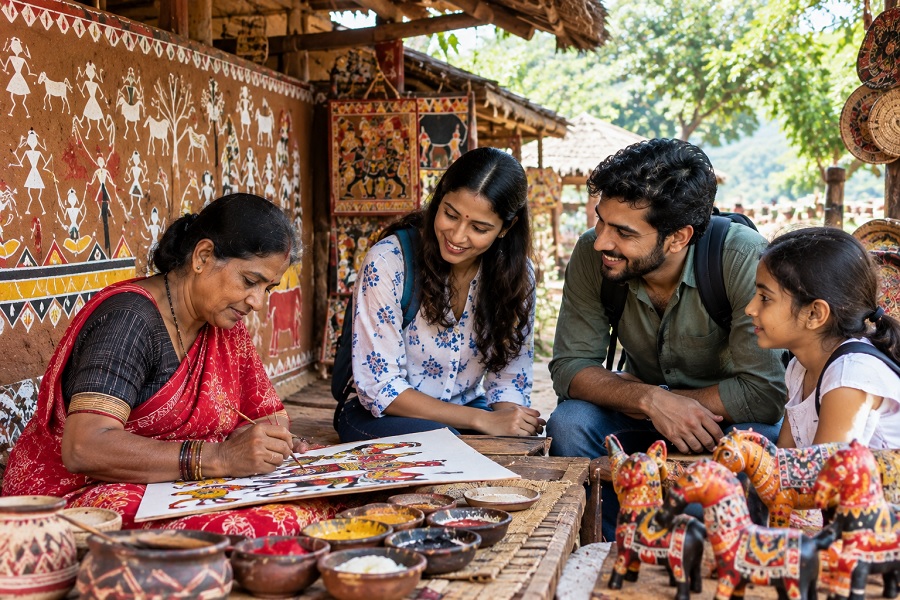
Over time, artists adapted the art form to materials such as handmade paper, cloth, and canvas, allowing their work to reach wider audiences. Traditional tools include fingers, twigs, brushes, nib-pens, and matchsticks. Artists use bold outlines, bright colours, geometric patterns, and detailed compositions to create distinctive artwork.
Common subjects include Hindu deities, flowers, trees, birds, animals, the sun, the moon, and scenes from community life.
History and Cultural Significance
Madhubani painting has been practised for generations in the Mithila region. Traditionally, women played a central role in creating and passing down the techniques, designs, and cultural meanings associated with the art.
The paintings were closely connected with household traditions, religious rituals, marriages, and seasonal festivals. Their motifs often expressed ideas about prosperity, fertility, nature, devotion, and harmony.
As the artwork moved from walls to paper and canvas, it became more accessible to collectors, cultural institutions, and international audiences. Madhubani painting received a Geographical Indication (GI) tag in 2007, recognising its regional identity.
Today, the art form remains an important cultural attraction and a source of livelihood for many artisan families in Bihar.
Best Places to Explore Madhubani Painting Tourism
1. Madhubani Town, Bihar
Madhubani town is a natural starting point for exploring the region's painting traditions. Visitors can look for local artwork, visit craft shops, and learn about the history of Mithila painting.
Travellers should check whether local artists or cultural organisations offer demonstrations and workshops during their visit.
2. Jitwarpur Village
Jitwarpur, near Madhubani town, is associated with Madhubani painting and generations of traditional artists. A visit arranged through local contacts can provide insight into artistic techniques, family traditions, and the role of painting in village livelihoods.
Visitors should confirm access in advance and respect the privacy of artists and residents.
3. Madhubani Railway Station
Madhubani Railway Station features Mithila-inspired paintings that introduce visitors to the region's distinctive artistic heritage. The artwork offers a convenient opportunity to appreciate traditional designs while travelling through the district.
Photography should be carried out without obstructing railway operations or other passengers.
4. Darbhanga
Darbhanga is an important cultural centre of the wider Mithila region. Visitors can combine an exploration of local heritage, architecture, and markets with an interest in traditional painting.
Check local listings for current art exhibitions, craft displays, and cultural programmes before travelling.
5. Patna
Patna offers opportunities to discover Bihar's handicrafts through selected cultural institutions, exhibitions, and craft markets. It can be included in a broader cultural itinerary for travellers interested in several traditional art forms.
Visitors can explore Madhubani paintings alongside other regional crafts and learn about Bihar's diverse artistic traditions.
Traditional Themes and Styles of Madhubani Painting
Madhubani artwork includes a variety of subjects and decorative approaches.
1. Mythological paintings: Depictions of figures and stories from Hindu traditions, including Rama, Sita, Krishna, Shiva, and Durga.
2. Nature-inspired art: Flowers, trees, leaves, fish, birds, and animals arranged in colourful compositions.
3. Geometric patterns: Repeated lines, shapes, and decorative borders that create detailed visual designs.
4. Wedding paintings: Traditional artwork associated with marriage ceremonies and family celebrations.
5. Everyday life: Scenes portraying village activities, social customs, festivals, and community traditions.
6. Symbolic motifs: Elements such as the lotus, peacock, sun, and fish, whose meanings may vary according to the artwork and its cultural context.
What Can Tourists Experience?
Madhubani painting tourism provides opportunities to learn about traditional art beyond simply viewing finished paintings.
Live painting demonstrations: Observe artists creating detailed designs and applying colours.
Art workshops: Learn introductory painting techniques under an artist's guidance.
Cultural interactions: Ask artists about the stories, symbolism, and methods behind their work.
Traditional shopping: Purchase original paintings, greeting cards, textiles, and decorative products.
Photography experiences: Photograph artwork and demonstrations with permission.
Heritage exploration: Combine painting-related activities with local markets and nearby cultural attractions.
Educational tours: Introduce students and art enthusiasts to traditional Indian folk art.
Workshop availability and visitor access vary, so arrangements should be confirmed before departure.
Economic Importance of Madhubani Painting Tourism
Madhubani painting tourism can help support traditional artists and local businesses. When visitors purchase authentic artwork directly from artists or reputable craft organisations, they can contribute to local incomes and encourage the continuation of traditional skills.
Tourism can also create opportunities through guided visits, painting demonstrations, workshops, exhibitions, local transport, and accommodation.
Responsible cultural tourism should ensure fair payment for artists, respect their intellectual and cultural traditions, and avoid misleading claims about the authenticity of paintings.
Best Time to Visit Madhubani
October to December is generally a comfortable period to explore Madhubani, as temperatures often become more suitable for sightseeing after the monsoon season. Winter can also be pleasant for cultural activities, although weather conditions vary.
Travellers interested in festivals, exhibitions, or special workshops should check local schedules before booking. Summer can be very hot, making early-morning or late-afternoon sightseeing more comfortable.
How to Reach Madhubani
By train: Madhubani Railway Station connects the district with parts of Bihar and other destinations through the regional railway network. Check current schedules from your departure city.
By road: Madhubani is connected to neighbouring towns and cities by road. Buses, taxis, and local transport may be available depending on the route.
By air: Darbhanga and Patna are possible airport options for travellers, depending on available flights and onward connections. Compare current schedules and total travel time before choosing an airport.
For visits to villages and artists' studios, arrange local transport in advance when possible.
What to Buy in Madhubani
Madhubani paintings make meaningful souvenirs because they combine traditional craftsmanship with regional storytelling.
Popular purchases include:
Original paintings on handmade paper
Framed Mithila artwork
Hand-painted textiles
Decorative wall hangings
Greeting cards and notebooks
Painted household accessories
Small gifts featuring traditional motifs
Before buying, ask about the artist, materials, painting technique, and whether the work is handmade. Request a receipt where possible and choose sellers who provide clear information about the artwork's origin.
Responsible Cultural Tourism Tips
Buy artwork directly from artists or trusted craft organisations when possible.
Ask permission before photographing artists, homes, or workshops.
Pay fairly for demonstrations and painting lessons.
Respect local customs and the artist's working environment.
Avoid touching unfinished artwork without permission.
Learn about the cultural context of traditional motifs.
Use reusable bags and minimise waste while shopping.
Support experiences that respect the time, knowledge, and creative ownership of artisans.
Conclusion
Madhubani painting tourism offers a meaningful opportunity to explore Bihar's artistic heritage and the cultural traditions of the Mithila region. Its vivid colours, detailed patterns, and traditional subjects tell stories about mythology, nature, family life, and community celebrations.
From discovering paintings in Madhubani town to learning from local artists and exploring regional craft markets, visitors can gain a deeper appreciation of this distinctive folk-art tradition. By supporting authentic artisans and participating respectfully in cultural experiences, travellers can help preserve traditional skills while enjoying a memorable journey through Bihar.
For art lovers, students, photographers, and cultural travellers, Madhubani painting tourism provides a valuable connection with India's living artistic heritage.








Top News
India?s economic catch-up over past decade worth celebrating: Top Economist