Handmade Carpet Heritage: A Journey Through Traditional Weaving
Carpet Weaving Tourism: Exploring Traditional Craft, Culture and Heritage
Carpet Weaving Tourism is an emerging cultural travel experience that allows visitors to discover the traditional art of handmade carpet production. Instead of simply buying a finished carpet, travelers can visit weaving villages, meet skilled artisans, observe traditional techniques, learn about natural materials, and understand the cultural stories woven into carpets.
From intricate Persian-inspired designs to distinctive Indian, Central Asian, Turkish, and Himalayan traditions, handmade carpets represent generations of craftsmanship. Carpet weaving tourism connects travelers with local communities while helping preserve traditional skills and supporting artisan livelihoods.
What Is Carpet Weaving Tourism?
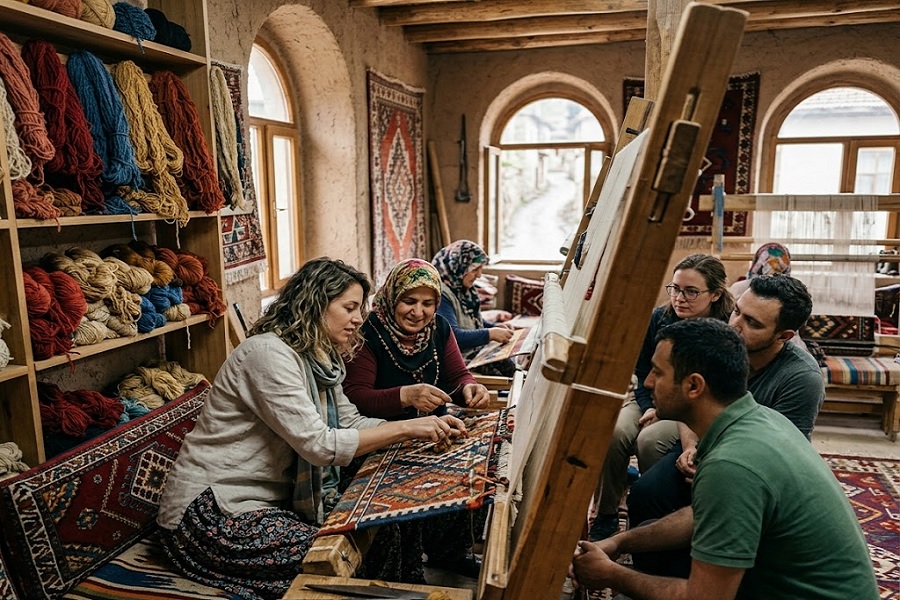
Carpet weaving tourism involves traveling to destinations known for traditional carpet production and experiencing the craft directly. Visitors may explore weaving workshops, artisan homes, cooperatives, craft markets, museums, and heritage centers.
A typical experience can include watching artisans prepare yarn, set up a loom, create intricate patterns, trim the finished carpet, and demonstrate traditional finishing techniques. Some destinations also offer hands-on workshops where visitors can try basic weaving.
Why Carpet Weaving Is Important to Cultural Tourism
Traditional carpets often contain patterns and techniques associated with particular communities and regions. Designs can reflect local landscapes, historical influences, cultural traditions, and artistic preferences.
For travelers, learning about these details adds meaning to the souvenir-buying experience. Instead of seeing a carpet simply as a decorative product, visitors can understand the craftsmanship and cultural heritage behind it.
Popular Experiences in Carpet Weaving Tourism
Artisan Workshop Visits
Visiting a working weaving workshop gives travelers an opportunity to observe artisans creating carpets by hand. Visitors can learn about looms, yarn preparation, knotting techniques, pattern creation, and finishing.
Village Weaving Tours
Rural weaving villages can provide a more intimate cultural experience. Travelers may visit family-run workshops, meet local craftspeople, and learn how weaving traditions are passed from one generation to another.
Carpet Museum Tours
Carpet museums provide historical context through collections of traditional and contemporary carpets. They can help visitors understand changes in patterns, materials, weaving methods, and regional styles.
Hands-On Weaving Workshops
Short weaving workshops can make a cultural trip more interactive. Travelers can learn basic techniques and create a small woven item under the guidance of an experienced artisan.
Traditional Carpet Markets
Local craft markets allow visitors to see different carpet styles, compare patterns, and learn about materials and production methods. Travelers should prioritize ethical purchasing and transparent pricing.
Carpet Weaving Tourism in India
India has several important carpet-producing regions with distinctive weaving traditions. Kashmir is particularly associated with fine handmade carpets and intricate designs. Uttar Pradesh, Rajasthan, Punjab, and parts of the Himalayan region also have important carpet and textile traditions.
In Kashmir, visitors can explore traditional carpet-making techniques and learn about the detailed craftsmanship involved in producing handmade rugs. In Bhadohi and nearby areas of Uttar Pradesh, carpet weaving forms an important part of the region's craft identity.
These destinations can combine carpet experiences with local food, architecture, handicrafts, village tourism, and cultural sightseeing.
Cultural Learning Through Carpet Tourism
Carpet weaving can teach travelers about more than craft techniques. Visitors can discover how communities use colors, symbols, patterns, and materials to express their artistic traditions.
Stories about artisans and their families can also provide insight into the social history of craft communities. This makes carpet weaving tourism a valuable form of experiential cultural travel.
Sustainable Carpet Weaving Tourism
Responsible tourism can play an important role in protecting traditional weaving communities. Travelers can support sustainability by purchasing genuinely handmade products from transparent and ethical sources.
Visitors can also:
Choose locally made products.
Ask about the production process.
Support artisan cooperatives.
Avoid products falsely marketed as handmade.
Respect workshop rules.
Pay fair prices for skilled craftsmanship.
Learn about the origin of materials.
Prefer durable products over disposable souvenirs.
Supporting Local Artisans
One of the major benefits of craft tourism is its potential to direct tourism spending toward local communities. Purchasing directly from artisans or reputable cooperatives can help support traditional skills and small businesses.
Tourists can also contribute by paying for workshops, guided cultural experiences, museum visits, and demonstrations rather than only purchasing products.
Carpet Weaving and Women Artisans
In many traditional craft communities, women play an important role in textile and carpet production. Tourism can provide opportunities to showcase their skills and create additional income through workshops, demonstrations, cooperatives, and direct sales.
Responsible tourism should ensure that artisans receive fair compensation and that their stories are presented respectfully.
What Travelers Can Learn
A carpet weaving tour can introduce visitors to several stages of production, including:
Selecting suitable fibers.
Preparing and spinning yarn.
Coloring yarn using natural or synthetic dyes.
Preparing the loom.
Following a pattern.
Creating knots or woven structures.
Trimming and shaping the carpet.
Washing and drying.
Finishing the edges.
Inspecting the completed product.
Understanding these stages helps travelers appreciate the time and skill involved in handmade carpets.
Best Time for a Carpet Weaving Trip
Carpet workshops and craft centers can generally be visited throughout the year, but the best travel period depends on the destination's climate and tourism season.
Travelers should check workshop opening hours and arrange visits in advance when possible. Small family-run workshops may operate on different schedules from commercial tourist centers.
Combining Carpet Tourism With Other Experiences
Carpet weaving can easily become part of a broader cultural itinerary. Travelers can combine craft visits with:
Heritage walks
Historic architecture tours
Local food experiences
Textile museums
Handicraft markets
Village homestays
Traditional music performances
Cultural festivals
Photography tours
Nature excursions
This creates a more complete cultural tourism experience.
Tips for Buying Handmade Carpets
If you plan to purchase a carpet during your trip, ask questions about its origin, materials, production method, dimensions, care requirements, and whether it is genuinely handmade.
Travelers should also compare prices and avoid feeling pressured into making a purchase. Reputable sellers should be willing to explain the product and provide appropriate documentation where relevant.
Photography and Cultural Etiquette
Carpet workshops can be visually fascinating, but travelers should always ask permission before photographing artisans, private homes, or working areas.
Respecting local customs is particularly important when visiting family-run workshops or rural communities. A polite and curious approach can make the experience more meaningful for both visitors and hosts.
The Future of Carpet Weaving Tourism
The future of carpet weaving tourism is likely to focus increasingly on authentic experiences, artisan storytelling, sustainability, digital promotion, craft workshops, and community participation.
Travelers are increasingly interested in experiences that connect them with local culture rather than simply visiting major attractions. Carpet weaving tourism can meet this demand by combining heritage, craftsmanship, education, shopping, and community interaction.
Conclusion
Carpet Weaving Tourism offers travelers an opportunity to discover the people, traditions, techniques, and stories behind handmade carpets. Visiting weaving communities can transform an ordinary shopping experience into a meaningful cultural journey.
By supporting local artisans, choosing responsibly produced products, participating in workshops, and respecting traditional communities, travelers can help contribute to the preservation of valuable craft heritage. For 2026 and beyond, carpet weaving tourism has strong potential as an engaging form of cultural and experiential travel.