Navratri cultural tourism
Navratri Cultural Tourism: A Celebration of Devotion, Dance, and Indian Heritage
Navratri is one of India’s most vibrant and widely celebrated festivals, dedicated to the worship of Goddess Durga and her nine divine forms. Spanning nine nights and ten days, the festival is not only a spiritual observance but also a powerful expression of India’s cultural diversity. In recent years, Navratri has emerged as a major cultural tourism attraction, drawing travelers from around the world to witness its grand celebrations.
Navratri as a Cultural Tourism Experience
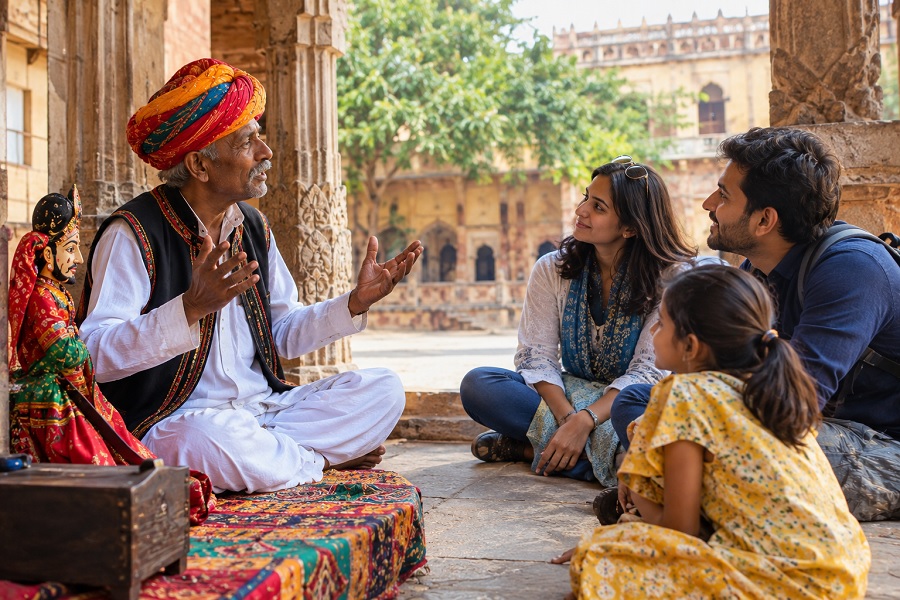
Navratri offers a unique opportunity for cultural immersion. Each region of India celebrates it in its own distinct style, making it a multi-dimensional tourism experience.
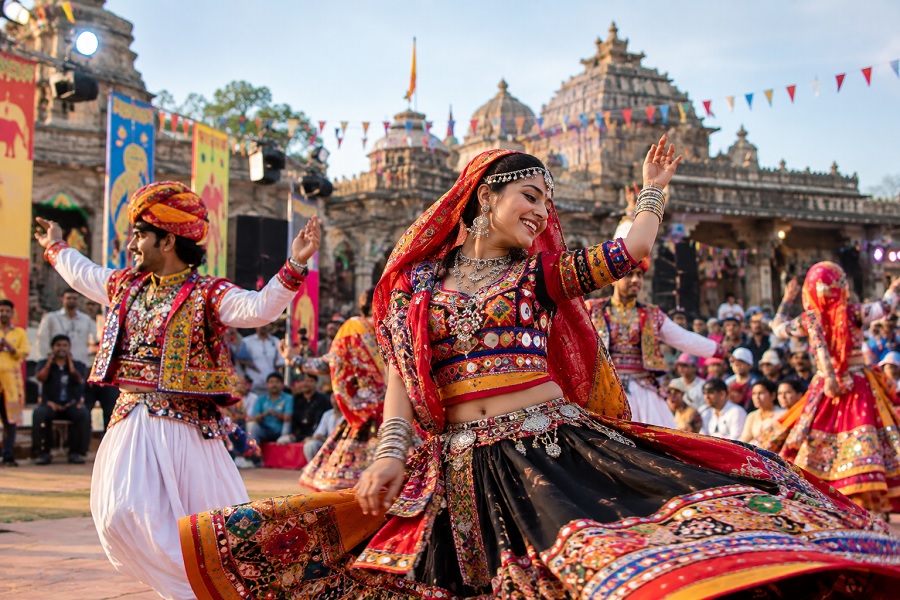
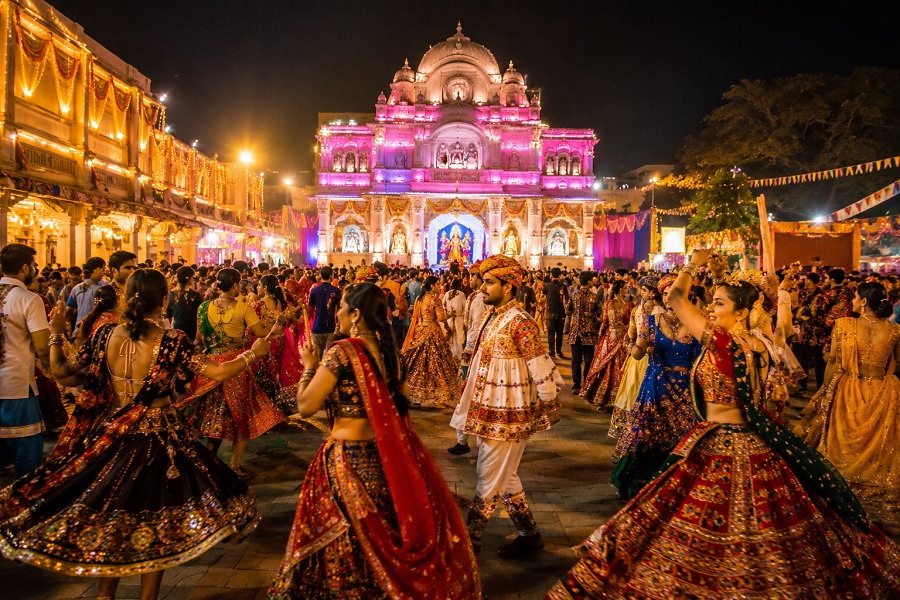
In Gujarat, Navratri is famous for its energetic Garba and Dandiya Raas nights. Cities like Ahmedabad, Surat, and Vadodara transform into cultural hubs where thousands gather in traditional attire to dance to folk and devotional music.
In West Bengal, the festival takes the form of Durga Puja, featuring artistic pandals, elaborately crafted idols, and cultural performances that attract both domestic and international tourists.
In North India, Ramlila performances narrate the epic story of the Ramayana, ending with the symbolic victory of good over evil on Dussehra.
In South India, the tradition of Golu displays showcases beautifully arranged dolls representing mythology, culture, and daily life.
Tourism Impact of Navratri
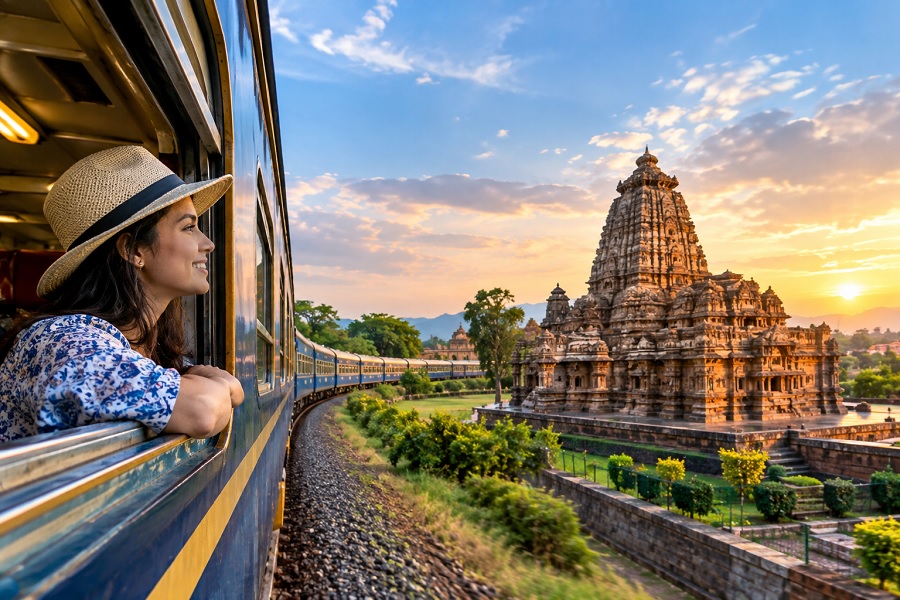
Navratri has become a major driver of cultural tourism in India. Travelers participate in dance events, temple visits, food festivals, and heritage walks. Many states now organize official Navratri festivals with ticketed events, cultural shows, and curated travel experiences.
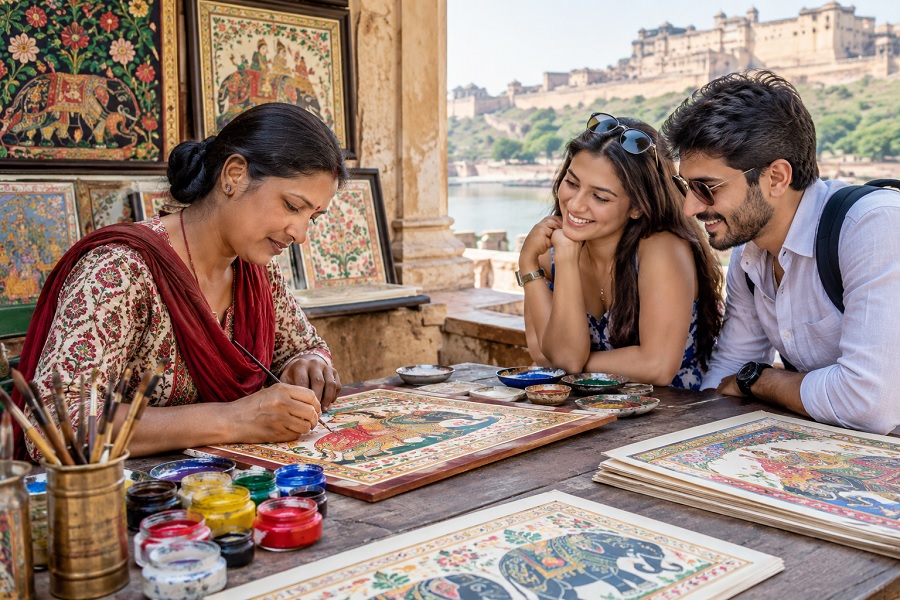
The festival also boosts local economies. Artisans, textile designers, performers, and small businesses see increased demand for traditional clothing, jewelry, handicrafts, and festive food items.
Why Navratri Attracts Tourists
Navratri is not just a festival—it is an experience. Tourists are drawn to its:
Colorful traditional attire
High-energy folk dances
Spiritual rituals and temple visits
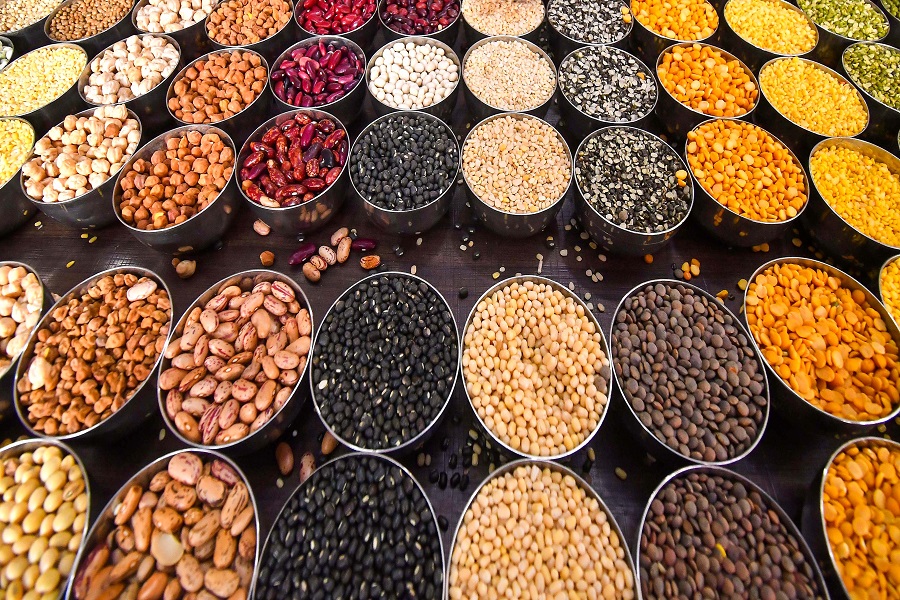
Authentic regional cuisine
Cultural unity and festive atmosphere
It represents India’s “unity in diversity” in its most vibrant form.
Conclusion
Navratri cultural tourism offers a deep connection to India’s traditions, spirituality, and artistic heritage. It allows visitors to not only observe but also participate in one of the world’s most lively and meaningful festivals.