Visiting Artisan Villages: A Journey into Living Traditions

Travel today is no longer just about ticking destinations off a list—it’s about meaningful experiences, authentic connections, and cultural understanding. One of the most enriching ways to explore a region’s heritage is by visiting artisan villages. These are places where traditional crafts are not just displayed but lived every day, passed down through generations as a vital part of community identity.
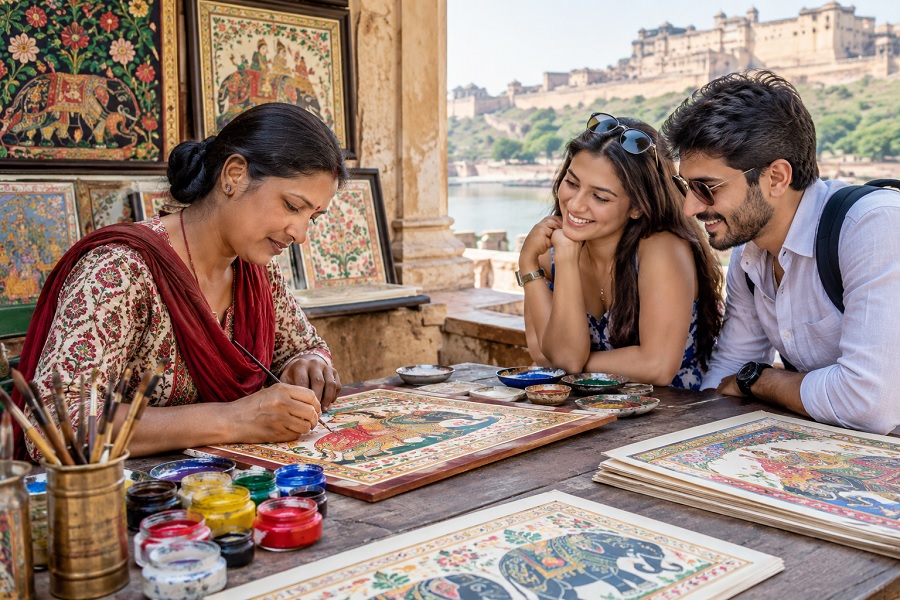
Artisan villages offer a rare opportunity to witness craftsmanship in its purest form. Whether it’s pottery shaped by hand, textiles woven on wooden looms, or intricate wood carvings created with simple tools, every piece tells a story. Unlike mass-produced items, these handmade creations reflect the culture, history, and creativity of the people who make them.
Walking through an artisan village is like stepping into a living museum. You’ll often find open workshops where artisans work right in front of you, allowing visitors to observe each stage of the creative process. The rhythmic motion of weaving, the careful shaping of clay, and the vibrant colors of natural dyes create a sensory experience that is both calming and inspiring.
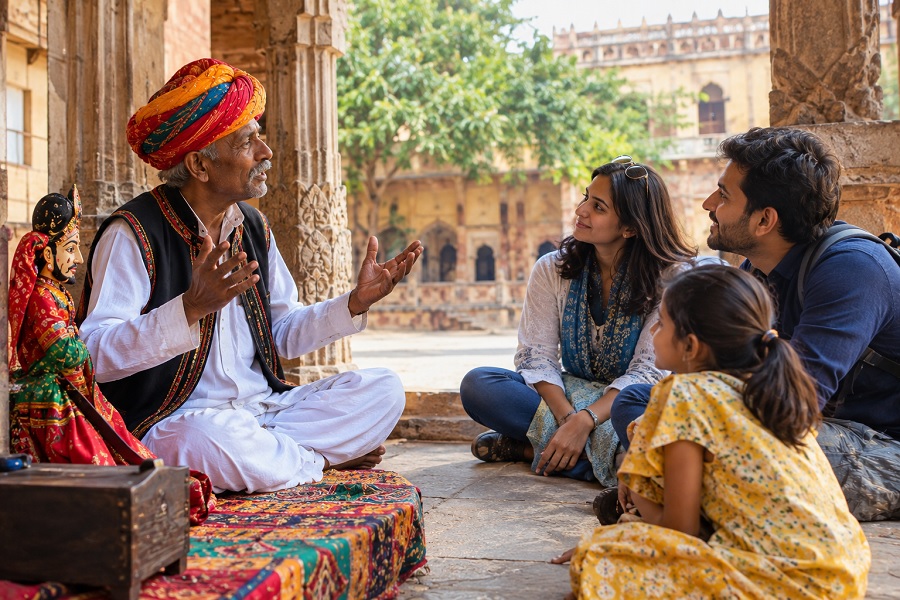
One of the most rewarding aspects of visiting these villages is the chance to interact directly with artisans. Conversations with them reveal not just techniques but also the cultural significance behind their work. For many artisans, their craft is deeply tied to rituals, festivals, and community life. This personal connection transforms a simple visit into a meaningful cultural exchange.
Supporting artisan villages also plays a crucial role in sustainable tourism. By purchasing directly from local creators, travelers contribute to preserving traditional skills and providing economic support to rural communities. This helps keep these art forms alive in a rapidly modernizing world, where many traditional crafts are at risk of disappearing.
Moreover, artisan villages often reflect a slower, more mindful way of living. Away from crowded cities, these communities emphasize simplicity, sustainability, and harmony with nature. Visitors can learn valuable lessons about patience, creativity, and the importance of preserving cultural heritage.
However, responsible travel is essential when visiting artisan communities. Respecting local customs, asking permission before taking photos, and valuing the time and effort behind each creation are important practices. Ethical tourism ensures that these communities benefit positively without losing their authenticity.
In a world driven by speed and convenience, artisan villages remind us of the beauty of handmade work and human connection. They invite travelers to slow down, appreciate detail, and engage with culture in a deeply personal way. Visiting these villages is not just a journey across geography—it’s a journey into the heart of tradition, creativity, and identity.