Visiting World-Famous Opera Houses
Opera houses are more than performance venues—they are architectural masterpieces, cultural landmarks, and living symbols of artistic heritage. For travelers who appreciate music, history, and grand design, visiting a world-famous opera house is an unforgettable experience. From gilded interiors to breathtaking acoustics, these spaces capture the magic of storytelling through music.
The Grandeur of European Classics
Europe is home to some of the most iconic opera houses in the world. In Italy, Teatro alla Scala stands as a symbol of operatic excellence. Since the 18th century, it has hosted legendary premieres and remains a dream destination for opera lovers.
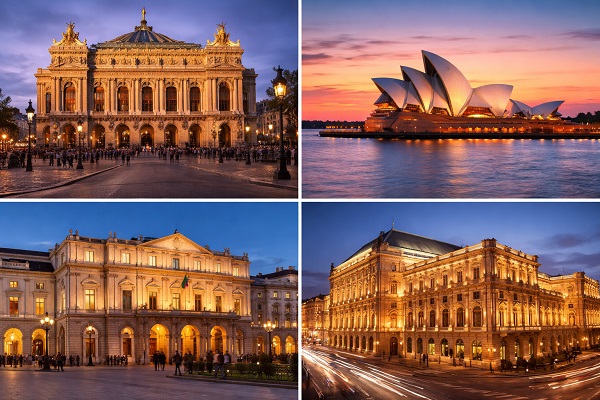
In France, Palais Garnier dazzles visitors with its opulent chandeliers, marble staircases, and ceiling painted by Marc Chagall. Even if you don’t attend a performance, guided tours reveal its rich artistic history.
Austria’s Vienna State Opera is another must-visit, offering a diverse program of world-class productions in the heart of Vienna—a city deeply connected to composers like Mozart and Strauss.
Architectural Icons Beyond Europe
Opera culture extends far beyond Europe. In Australia, the sail-shaped design of the Sydney Opera House makes it one of the most recognizable buildings in the world. Overlooking Sydney Harbour, it hosts not only opera but also concerts and cultural events.
In the United States, the Metropolitan Opera House at Lincoln Center in New York City is renowned for its grand productions and global broadcasts, bringing opera to audiences worldwide.
Experiencing a Performance
Attending an opera is about more than music—it’s about atmosphere. The anticipation as the orchestra tunes, the hush before the curtain rises, and the powerful resonance of live vocals create a sensory experience unlike any other. Even travelers unfamiliar with opera can appreciate the visual spectacle of elaborate costumes, dramatic staging, and emotional storytelling.
If tickets to a major production are sold out, consider:
Booking a guided backstage tour
Attending rehearsals or smaller performances
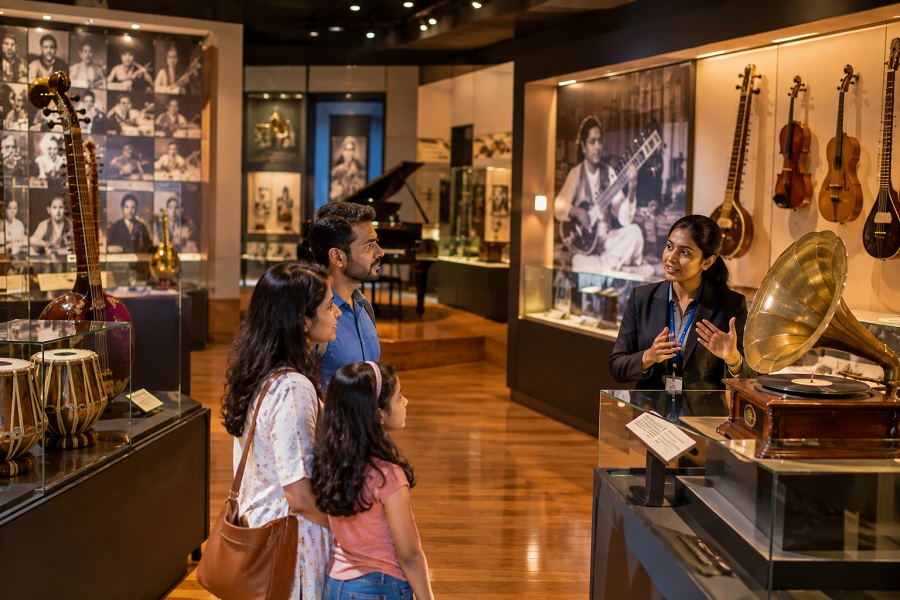
Exploring opera museums within the venue
Enjoying nearby cafés and cultural districts tied to the opera scene
Cultural Significance
Opera houses often reflect the cultural ambitions of their cities. They symbolize artistic pride, social gathering, and historical continuity. Over centuries, these institutions have survived wars, renovations, and changing artistic tastes—continuing to adapt while preserving tradition.
Visiting a world-famous opera house allows travelers to step into a space where history, architecture, and music blend seamlessly. Whether you’re an opera enthusiast or a curious traveler, these venues offer a powerful glimpse into the world’s shared cultural heritage.