Cultural Tourism in Rural Areas: Discovering the Soul of Authentic Travel
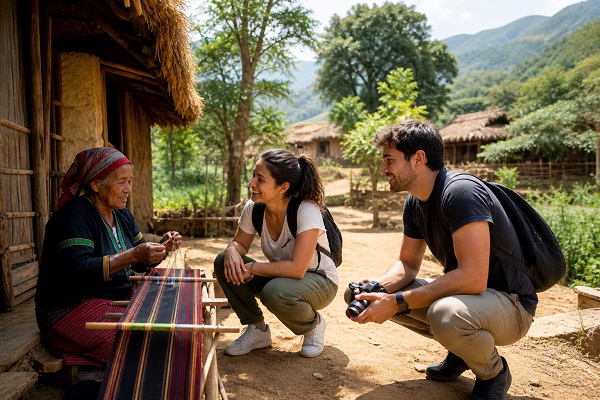
In an age where crowded cities and over-tourism often dominate travel experiences, rural cultural tourism offers a refreshing escape. It invites travelers to step into the heart of local life—where traditions are preserved, communities thrive on heritage, and every experience feels genuine. For those seeking meaningful journeys, rural areas provide a deeper connection to culture, people, and history.
What is Rural Cultural Tourism?
Rural cultural tourism focuses on exploring villages and countryside regions to experience traditional lifestyles, customs, art forms, and local heritage. Unlike urban tourism, it emphasizes authenticity—whether it’s participating in farming activities, attending folk performances, or staying in a village homestay.
Authentic Cultural Experiences
One of the biggest attractions of rural tourism is the opportunity to experience life as locals do. Visitors can:
Stay in traditional homes and interact with host families
Learn age-old crafts like pottery, weaving, or painting
Participate in farming, cooking, and daily routines
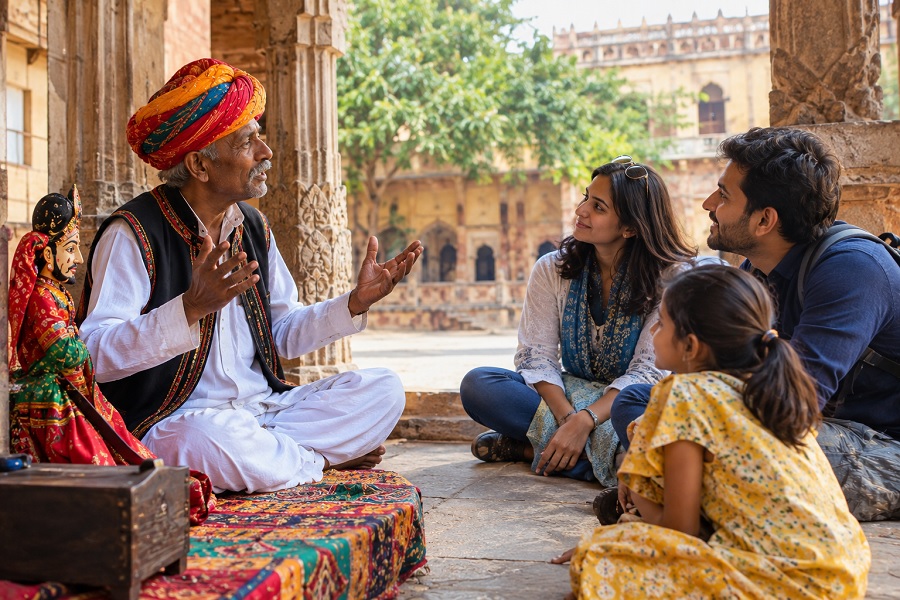
Attend local festivals and rituals
These immersive experiences go beyond sightseeing—they create emotional connections and lifelong memories.
Preserving Traditions and Heritage
Rural tourism plays a vital role in preserving cultural heritage. Many villages are guardians of traditions that have been passed down through generations. By attracting travelers, these practices gain visibility and economic support, encouraging communities to keep their heritage alive.
Boosting Local Economies
Cultural tourism in rural areas directly benefits local communities. It creates employment opportunities, supports small businesses, and encourages entrepreneurship. From homestays and handicrafts to local guides and food vendors, tourism becomes a sustainable source of income.
Sustainable and Responsible Travel
Rural tourism aligns closely with sustainable travel principles. It promotes:
Low-impact tourism
Use of local resources
Environmental conservation
Respect for cultural values
Travelers are encouraged to be mindful—respect traditions, avoid exploitation, and contribute positively to the community.
Culinary Traditions and Local Flavors
Food is an essential part of culture, and rural areas offer some of the most authentic culinary experiences. Homemade meals prepared with local ingredients give travelers a taste of regional identity—far removed from commercialized restaurant food.
A Slower, Meaningful Travel Experience
Rural destinations provide peace, simplicity, and a break from fast-paced urban life. Without crowds and noise, travelers can truly relax and connect—with nature, with culture, and with themselves.
Challenges in Rural Cultural Tourism
Despite its benefits, rural tourism faces challenges:
Limited infrastructure and connectivity
Lack of awareness and promotion
Risk of cultural exploitation if not managed responsibly
Seasonal dependency
Addressing these issues requires collaboration between governments, local communities, and tourism stakeholders.
The Future of Rural Cultural Tourism
With growing interest in sustainable and experiential travel, rural cultural tourism is gaining popularity. Travelers today seek authenticity over luxury, experiences over itineraries, and connections over convenience. Rural destinations are perfectly positioned to meet these evolving expectations.
Final Thoughts
Cultural tourism in rural areas is more than just travel—it’s a journey into the roots of humanity. It offers a chance to slow down, appreciate diversity, and support communities that keep traditions alive. By choosing rural destinations, travelers not only enrich their own experiences but also contribute to preserving the world’s cultural heritage.