Urban Cultural Tourism: Exploring Cities Through Culture, Heritage, and Lifestyle
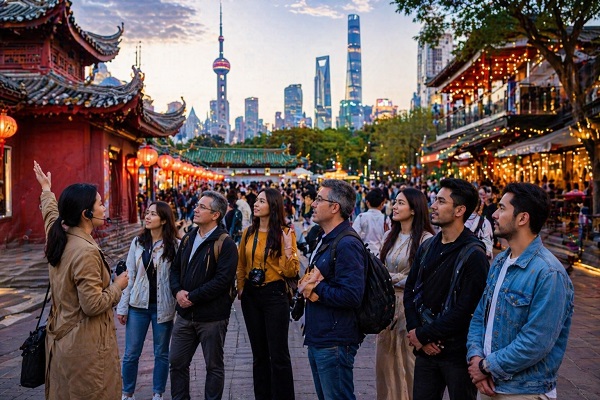
Urban cultural tourism has emerged as one of the most exciting and dynamic forms of travel in recent years. It goes beyond simply visiting a city—it’s about experiencing its soul through history, art, food, architecture, and everyday life. From bustling streets and iconic landmarks to hidden neighborhoods and creative hubs, cities offer a rich cultural tapestry that attracts millions of travelers worldwide.
At its core, urban cultural tourism focuses on how cities preserve their heritage while embracing modernity. Historic monuments, museums, art galleries, and heritage districts give visitors a glimpse into the past, while contemporary art spaces, street performances, and urban festivals reflect the evolving identity of a city. This blend of old and new creates a unique travel experience that is both educational and entertaining.
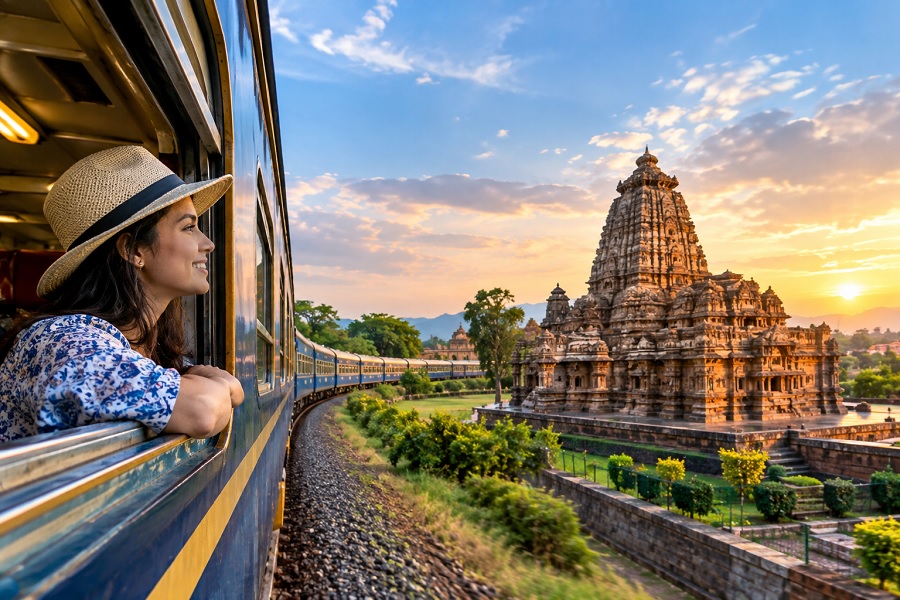
One of the biggest highlights of urban cultural tourism is architecture. Cities often showcase a mix of ancient structures, colonial influences, and modern skyscrapers. Walking through heritage zones or old towns allows travelers to witness the transformation of a city over time. These areas often feature narrow streets, traditional houses, and vibrant markets that retain their cultural essence.
Food is another essential part of urban cultural tourism. Every city has its own culinary identity shaped by history, geography, and local traditions. Street food stalls, traditional restaurants, and modern cafes all contribute to a city’s food culture. Exploring local cuisine allows travelers to connect with the community and understand cultural influences in a more personal way.
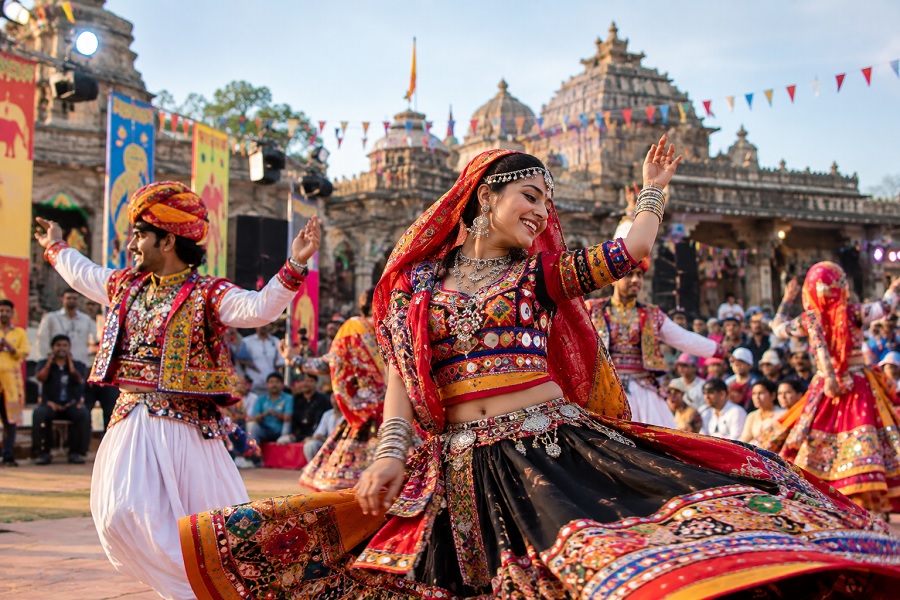
Art and creativity also play a major role. Many cities have thriving art scenes, including street art, music festivals, theater performances, and cultural exhibitions. These creative expressions not only attract tourists but also support local artists and communities. Cultural events and festivals held in urban spaces provide visitors with immersive experiences that showcase traditions, music, dance, and local craftsmanship.
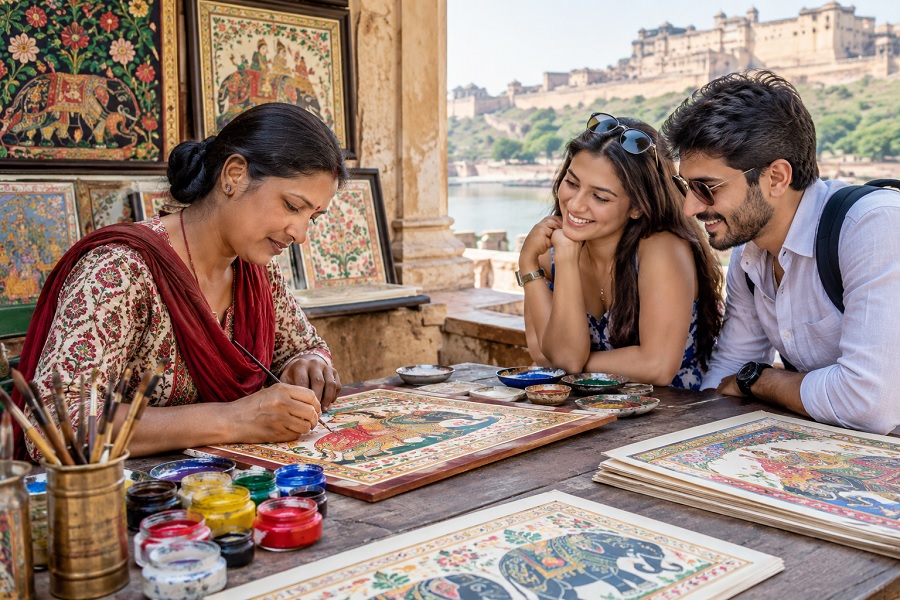
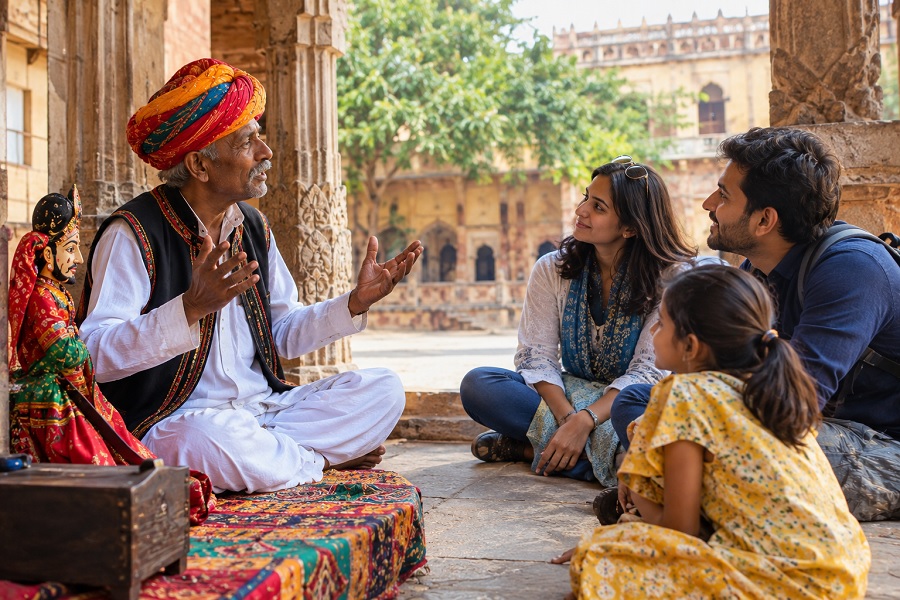
Another key aspect is the interaction with local communities. Urban cultural tourism encourages travelers to engage with residents, participate in workshops, visit local markets, and explore lesser-known neighborhoods. This type of tourism promotes cultural exchange and helps preserve traditions by creating economic opportunities for local artisans and small businesses.
Sustainability is becoming increasingly important in urban cultural tourism. As cities grow and attract more visitors, there is a need to protect cultural heritage and reduce the environmental impact of tourism. Responsible travel practices—such as respecting local customs, supporting local businesses, and minimizing waste—help ensure that cities can maintain their cultural identity for future generations.
Technology has also transformed urban cultural tourism. Digital guides, virtual tours, and social media platforms allow travelers to discover new places and plan personalized experiences. At the same time, cities are using smart tourism initiatives to enhance visitor experiences while managing crowds and preserving cultural sites.
In conclusion, urban cultural tourism offers a deeper and more meaningful way to explore cities. It combines history, art, food, and local life into a rich and immersive experience. As travelers increasingly seek authentic and engaging journeys, urban cultural tourism continues to grow, shaping the future of travel while preserving the unique identity of cities around the world.