Monastic Food Sharing Tourism: A Journey of Simplicity, Spirituality, and Shared Humanity
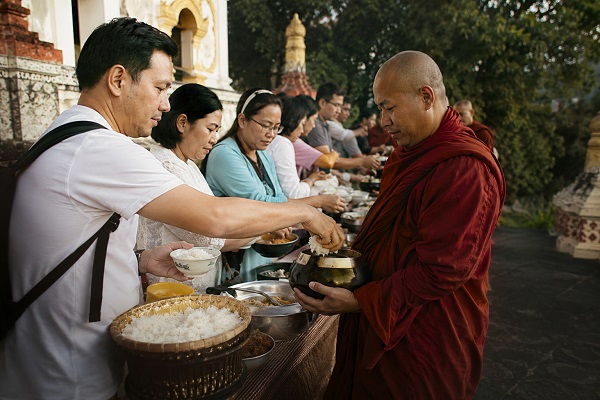
Monastic Food Sharing Tourism is an emerging form of responsible and experiential travel where visitors participate in or observe the traditional practice of food preparation and communal meals in monasteries. Rooted in centuries-old spiritual traditions, especially within Buddhist and Himalayan monastic cultures, this form of tourism offers more than just a meal—it provides a deep cultural immersion into simplicity, mindfulness, and community living.
In regions like the Himalayas, especially around Leh and surrounding monastic settlements, monasteries often follow a disciplined lifestyle where food is prepared collectively, offered as prasad or communal meals, and shared among monks, volunteers, and sometimes visitors. This practice reflects core values of non-attachment, gratitude, and equality.
Cultural and Spiritual Significance
At the heart of monastic food sharing lies the principle of Dana (selfless giving). In many Buddhist traditions associated with Buddhism, food is not seen merely as nourishment but as an offering. Visitors who engage in this experience often participate in simple cooking activities such as preparing vegetables, kneading dough, or serving meals in silence or mindful conversation.
The atmosphere is intentionally minimalistic—no luxury, no excess—only the essentials needed for sustenance and reflection. This encourages travelers to slow down and reconnect with themselves.
The Experience for Travelers
Tourists participating in monastic food sharing typically experience:
Early morning food preparation with monks or local volunteers
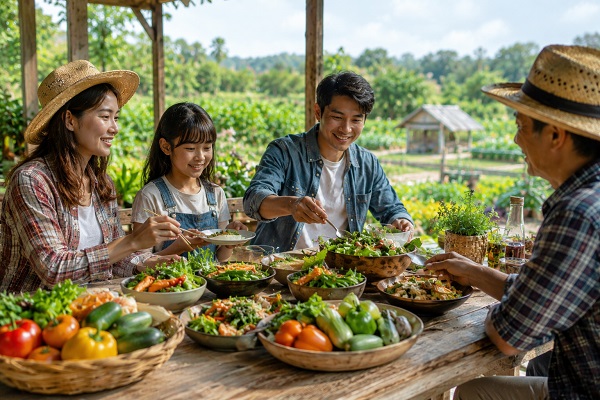
Simple vegetarian meals based on seasonal and local ingredients
Silent or mindful eating practices
Learning about monastic ethics and daily routines
Opportunities for meditation or prayer sessions before meals
Unlike conventional food tourism, the focus here is not taste complexity but emotional and spiritual nourishment.
Sustainability and Responsible Tourism
Monastic Food Sharing Tourism strongly aligns with sustainable travel principles. Most monasteries rely on locally grown produce, minimal packaging, and zero-waste cooking practices. Visitors are encouraged to respect rules, avoid waste, and contribute through donations rather than commercial transactions.
This model also supports rural economies while preserving ancient culinary traditions that might otherwise fade in modern times.
Why It Matters Today
In a fast-paced global world dominated by processed food and consumption culture, monastic food sharing offers a powerful contrast. It reminds travelers of the value of simplicity, gratitude, and shared humanity. For many, even a short stay in a monastery becomes a transformative experience that reshapes their relationship with food and life itself.