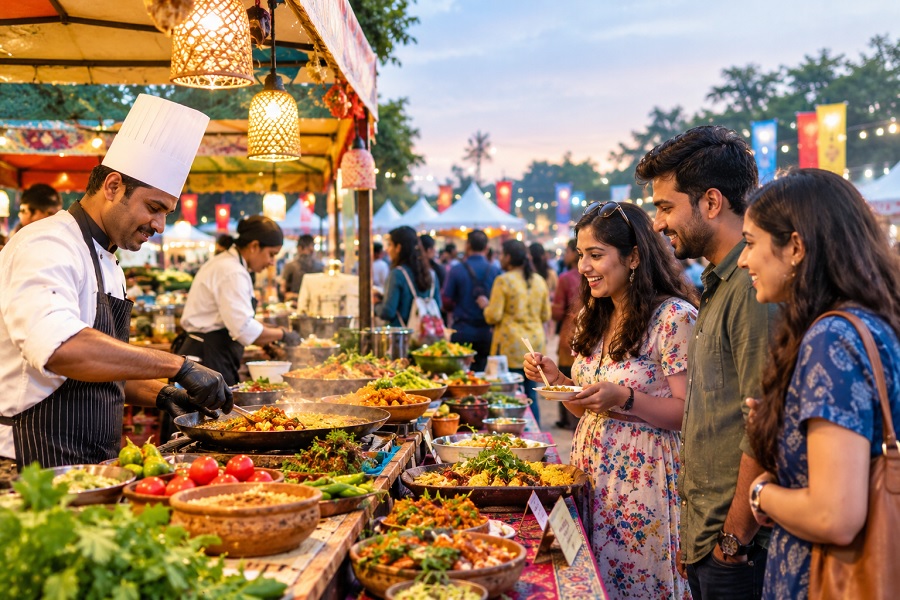
Traditional Cooking Methods Tourism
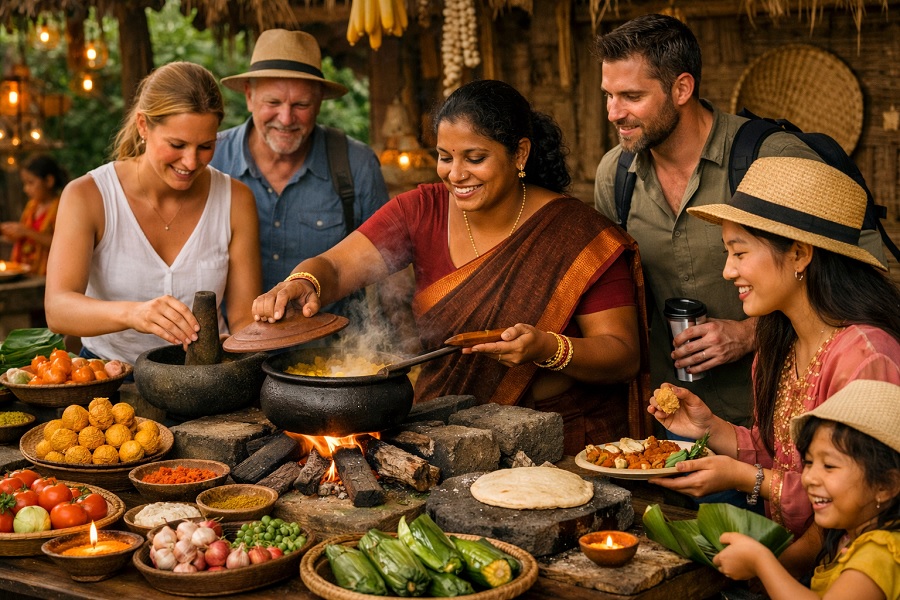
Traditional Cooking Methods Tourism: A Rising Eco-Cultural Travel Trend
Introduction
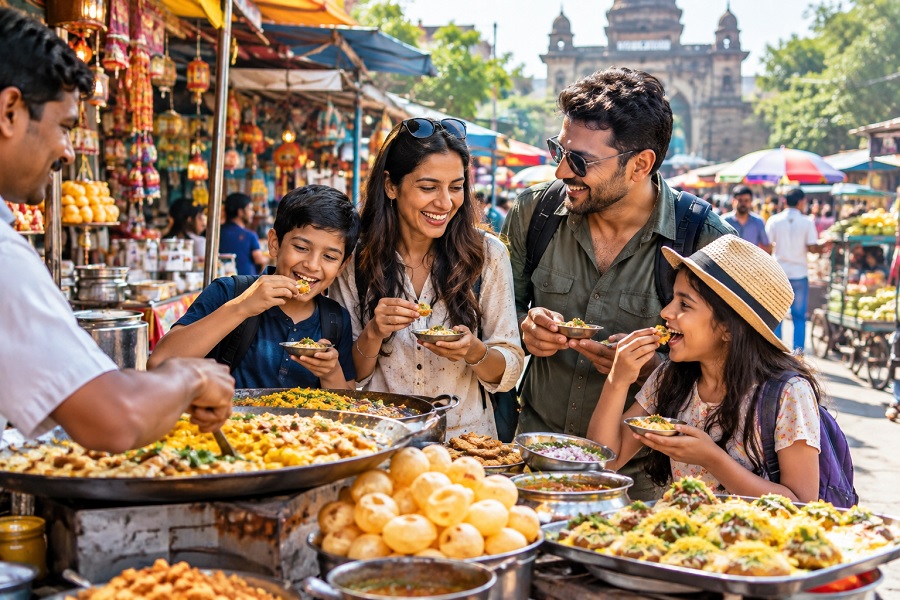
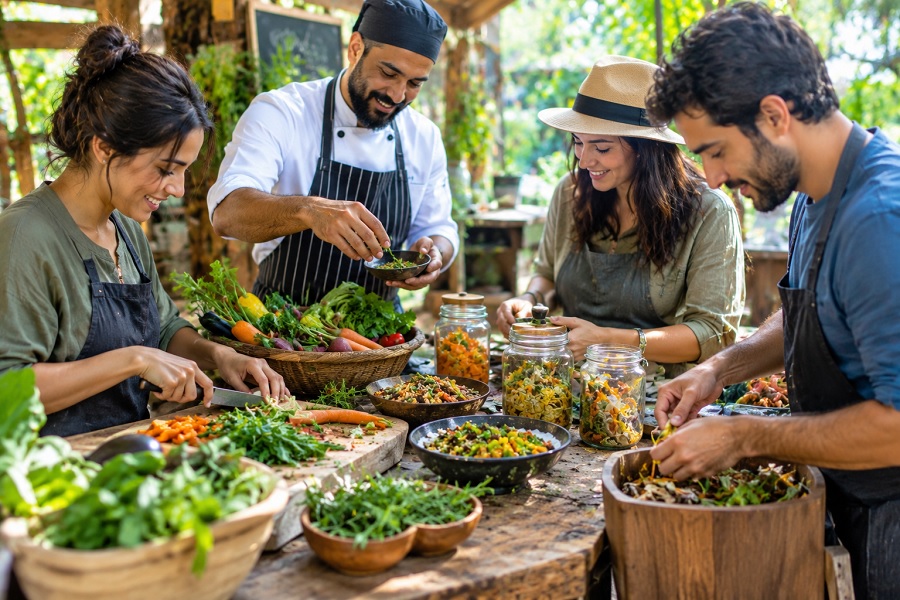
Traditional Cooking Methods Tourism is a growing segment of eco-tourism and cultural travel where visitors explore how local communities prepare food using age-old techniques. Instead of modern kitchens and machines, travelers experience wood-fire cooking, clay pots, stone grinders, open-flame roasting, and farm-fresh ingredient preparation.
This form of tourism connects food, culture, sustainability, and storytelling—making it one of the most immersive travel experiences today.
1. What is Traditional Cooking Methods Tourism?
It refers to tourism experiences where visitors:
Learn ancient cooking techniques from local chefs or villagers
Cook meals using traditional tools and methods
Use locally grown, organic ingredients
Participate in cultural food rituals and heritage kitchens
It is often part of eco-tourism, rural tourism, and culinary tourism.
2. Why This Tourism is Growing
Travelers today are shifting from luxury dining to authentic, meaningful experiences:
Desire for cultural immersion
Interest in sustainable food systems
Demand for organic and farm-to-table experiences
Social media popularity of “real village life” content
Wellness-focused travel trends
3. Popular Traditional Cooking Methods in Tourism
Wood-Fire Cooking
Used in rural homes and outdoor kitchens
Enhances smoky, authentic flavor
Clay Pot Cooking
Retains nutrients and earthy taste
Popular in Indian and African villages
Stone Grinding
Spices and grains ground manually
Preserves aroma and traditional texture
Open Hearth Cooking
Meals prepared in communal spaces
Encourages social bonding
Hand-kneaded Baking
Bread and rotis made without machines
Demonstrates ancestral culinary skills
4. Eco-Tourism Connection
This tourism type strongly supports sustainability:
Zero industrial waste cooking practices
Organic farming integration
Reduced carbon footprint
Support for local rural economies
Preservation of culinary heritage
5. Cultural Experience for Travelers
Tourists not only cook but also:
Learn family recipes passed through generations
Hear food stories and traditions
Understand regional food history
Participate in harvest-to-cooking journeys
Share meals with local communities
6. Top Destinations for Traditional Cooking Tourism
Rural India (Rajasthan, Kerala, Himachal villages)
Thailand countryside cooking villages
Italy farmhouse culinary tours
Vietnam rural cooking schools
African tribal cooking experiences
Japan countryside heritage kitchens
7. Future of Traditional Cooking Tourism
The trend is evolving with:
Eco-lodges offering cooking workshops
AI-guided cultural food tours
Global rural tourism packages
Sustainable luxury travel integration
Culinary education travel programs
Traditional cooking tourism is becoming a bridge between heritage and modern eco-conscious travel.