International Food Festival Tourism: Exploring Global Cuisines, Traditional Dishes and Cultural Celebrations
Food Festival Tourism: Discovering International Culinary Celebrations and Local Flavours
Introduction
Food festival tourism is an exciting form of travel that allows visitors to explore different destinations through culinary celebrations, traditional dishes, local ingredients and regional food cultures. Around the world, food festivals bring together local communities, chefs, food producers, restaurants and travellers to celebrate the unique flavours of a destination.
From international street food festivals and traditional harvest celebrations to chocolate festivals, seafood events and regional cuisine exhibitions, these gatherings offer visitors an opportunity to experience local food traditions in an engaging environment.
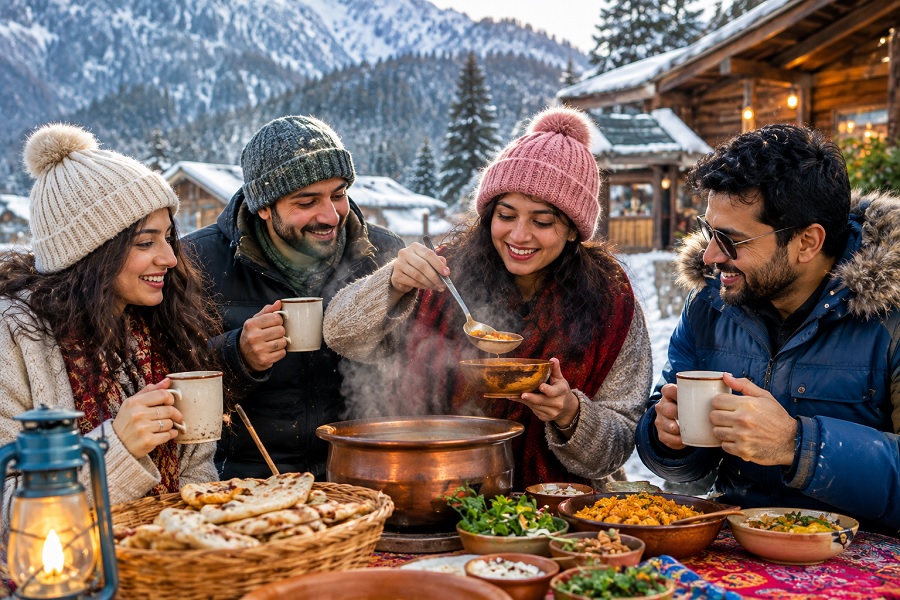
Food festivals are more than opportunities to taste delicious dishes. They also showcase cultural heritage, traditional cooking techniques, local agricultural products and community traditions. As travellers increasingly seek authentic experiences, food festival tourism is becoming an attractive part of international travel.
What Is Food Festival Tourism?
Food festival tourism refers to travelling to different destinations to attend events that celebrate food, beverages, regional cuisines and culinary traditions.
These festivals may focus on specific ingredients, traditional recipes, seasonal harvests, local specialities or international cuisines. Visitors can enjoy food tastings, cooking demonstrations, culinary competitions, workshops, exhibitions and cultural performances.
Food festival tourism connects gastronomy with travel while providing economic opportunities for local businesses and food communities.
Popular International Food Festivals
1. Taste of London, United Kingdom
food festival that showcases restaurant dishes, culinary demonstrations and food experiences. Visitors can discover different flavours while exploring the city's restaurant culture.
2. Salon du Chocolat, France
Salon du Chocolat celebrates chocolate and cocoa-based creations. The event brings together chocolatiers, pastry chefs and chocolate enthusiasts to explore chocolate-making techniques, exhibitions and innovative desserts.
3. La Tomatina, Spain
La Tomatina is a famous annual tomato-throwing celebration held in Buñol, Spain. Although it is not a conventional food-tasting festival, it has become an internationally recognised food-themed cultural event.
4. Oktoberfest, Germany
Oktoberfest is a major cultural celebration in Munich, featuring traditional Bavarian food, music and hospitality. Visitors can experience regional dishes, baked goods and local culinary traditions. The festival also features alcoholic beverages, so visitors can choose other food-focused activities if preferred.
5. Pizzafest, Italy
Naples hosts celebrations dedicated to its famous pizza heritage. Visitors can explore traditional pizza-making methods, regional ingredients and the cultural importance of Neapolitan pizza.
6. Melbourne Food and Wine Festival, Australia
This festival celebrates Australian food culture through culinary events, restaurant experiences, food demonstrations and regional produce showcases.
7. Singapore Food Festival, Singapore
Singapore Food Festival highlights the country's multicultural food heritage. Visitors can discover traditional dishes influenced by Chinese, Malay, Indian and other culinary communities.
8. National Cherry Blossom Festival Food Experiences, United States
Washington, D.C.'s cherry blossom season includes food-related events and seasonal culinary experiences. Visitors can discover special menus and food offerings inspired by springtime celebrations.
Famous Indian Food Festivals
India has a rich culinary heritage, and food festivals provide opportunities to experience regional flavours and traditional cooking methods.
1. National Street Food Festival, New Delhi
This event celebrates India's diverse street food culture. Visitors can explore regional snacks, traditional dishes and food preparations from different parts of the country.
2. Goa Food and Cultural Festivals
Goa hosts food and cultural events that showcase its coastal cuisine, local ingredients, traditional recipes and regional food heritage.
3. Great Indian Food Festival, Delhi
Food-focused events in Delhi bring together regional cuisines, restaurant specialities, street food and traditional dishes from different parts of India.
4. Rajasthan Food Festivals
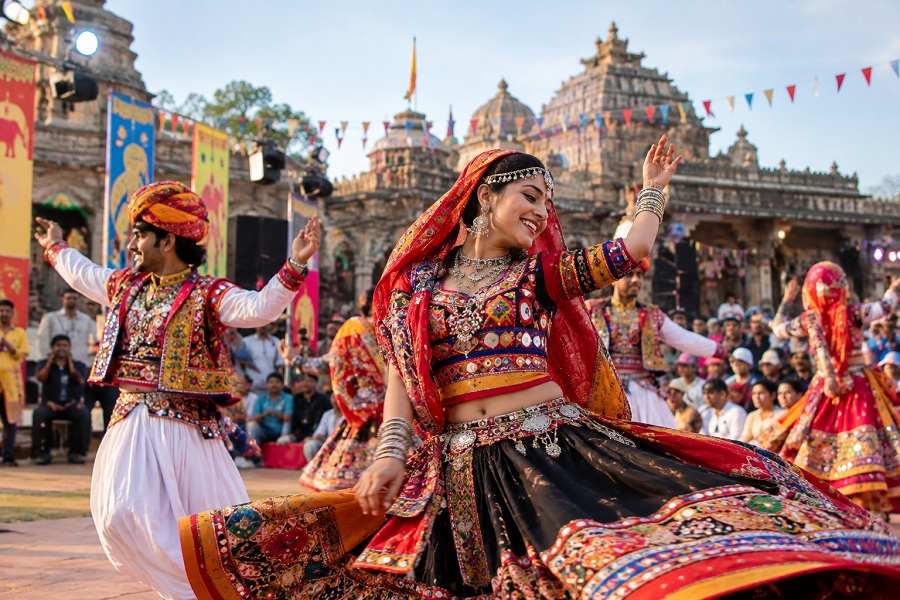
Rajasthan's culinary events and cultural celebrations provide opportunities to discover traditional dishes such as dal baati churma, gatte ki sabzi and regional sweets.
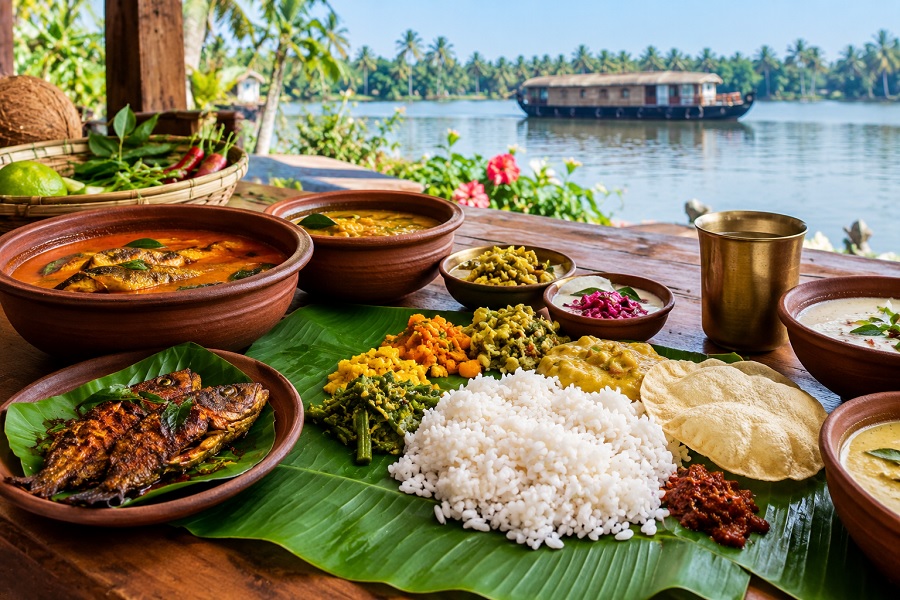
5. Kerala Food Festivals
Kerala's food celebrations showcase traditional preparations, vegetarian specialities, rice-based dishes, coconut flavours and regional culinary traditions.
Popular Types of Food Festivals
1. Street Food Festivals
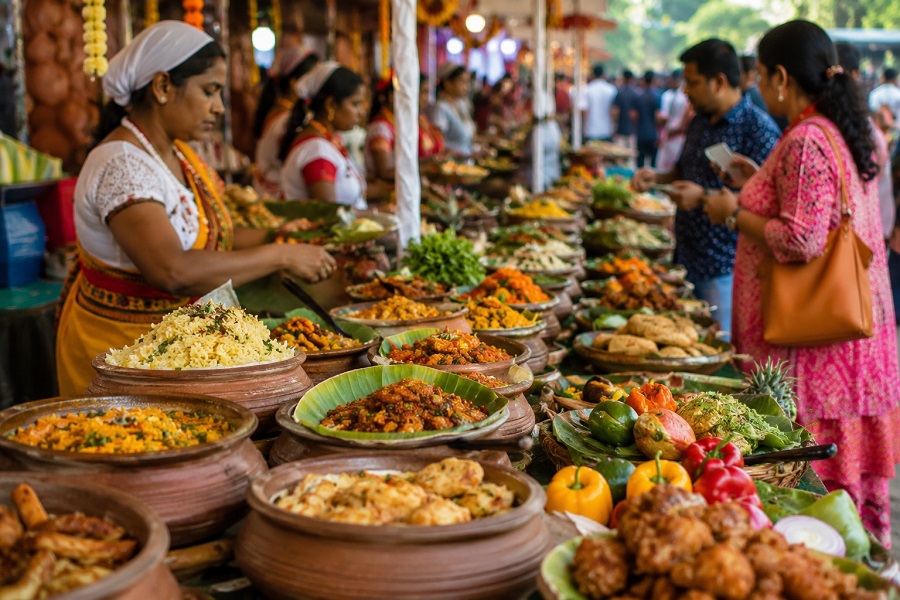
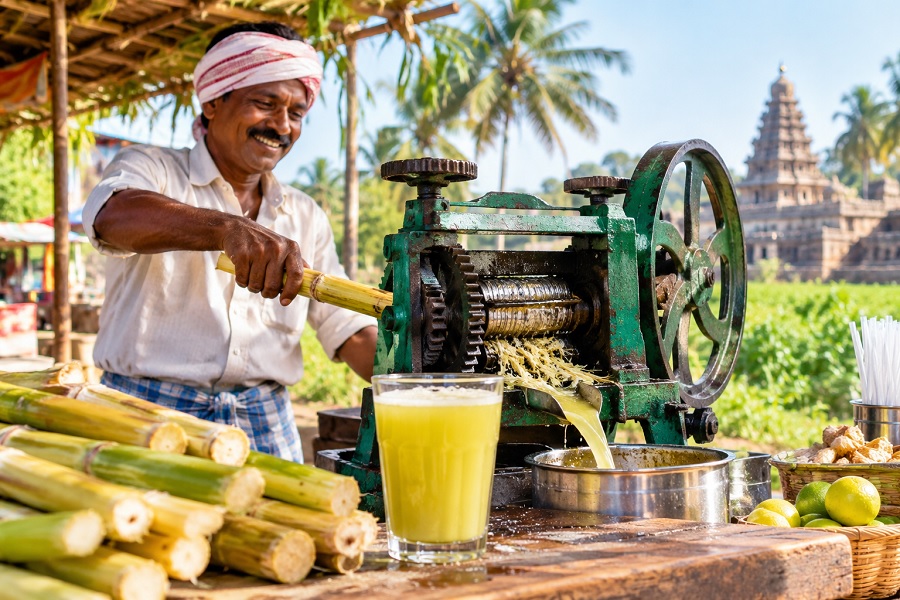
Street food festivals introduce visitors to local snacks, traditional recipes and affordable culinary experiences. They are ideal for discovering the everyday food culture of a destination.
2. Seafood Festivals
Seafood festivals celebrate coastal food traditions, local fishing communities and regional seafood preparations.
3. Dessert and Chocolate Festivals
These festivals showcase cakes, pastries, chocolates, traditional sweets and innovative dessert creations.
4. Organic and Sustainable Food Festivals
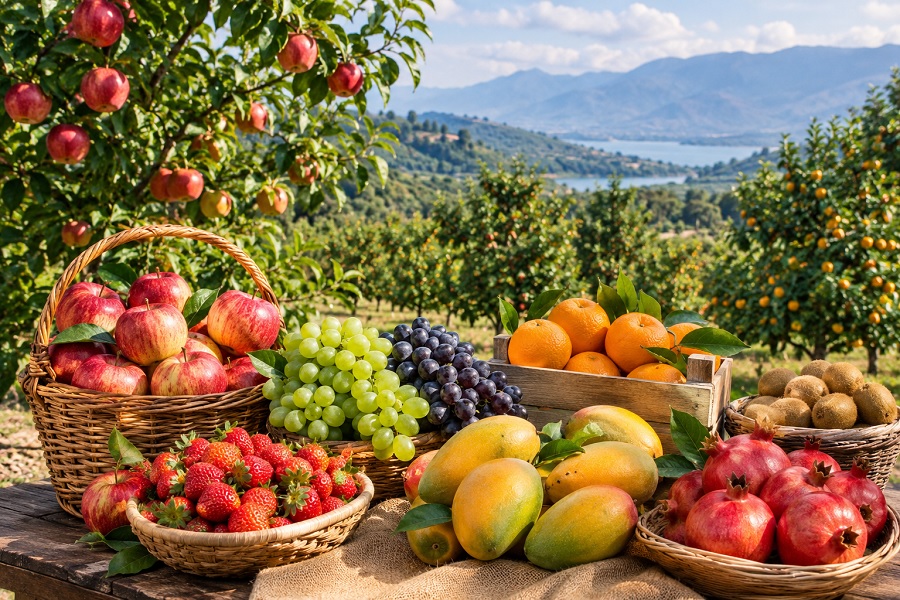
Organic food festivals promote locally grown ingredients, sustainable farming, seasonal produce and environmentally responsible food practices.
5. Traditional Cuisine Festivals
Traditional cuisine festivals celebrate regional recipes, cultural food heritage and cooking methods passed down through generations.
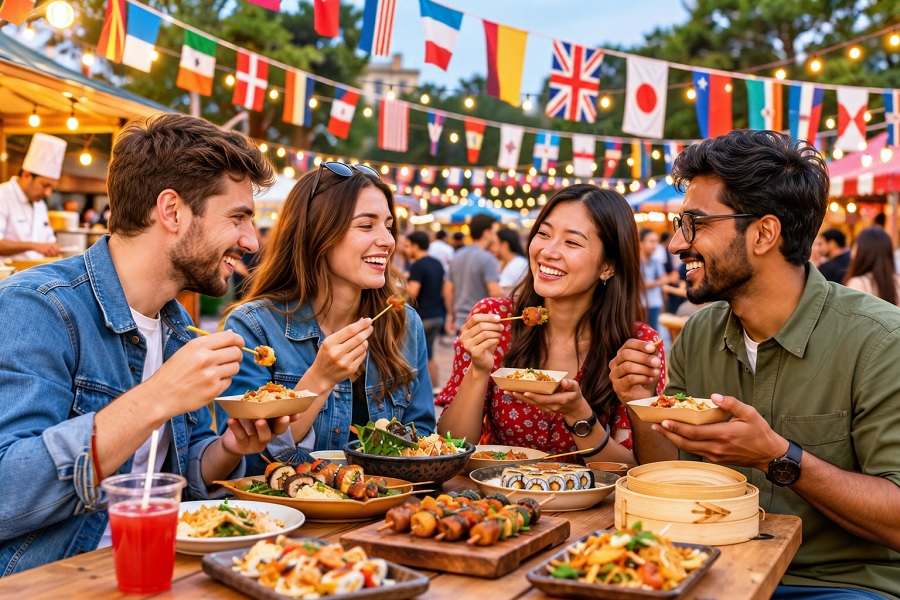
6. International Food Festivals
International food festivals bring together cuisines from different countries, allowing visitors to experience global culinary traditions in one destination.
7. Harvest Food Festivals
Harvest festivals celebrate seasonal agricultural produce and the connection between farming communities and traditional food cultures.
Activities to Enjoy at Food Festivals
Food festivals offer several experiences beyond tasting local dishes.
Food Tasting Sessions: Sample traditional dishes and regional specialities.
Live Cooking Demonstrations: Watch professional chefs and local cooks prepare authentic recipes.
Cooking Workshops: Learn traditional cooking techniques and regional food preparation.
Local Food Exhibitions: Discover ingredients, food products and culinary traditions.
Food Competitions: Experience cooking contests and culinary challenges.
Cultural Performances: Enjoy local music, dance and cultural activities.
Farmers' Market Visits: Purchase fresh produce and locally made food products.
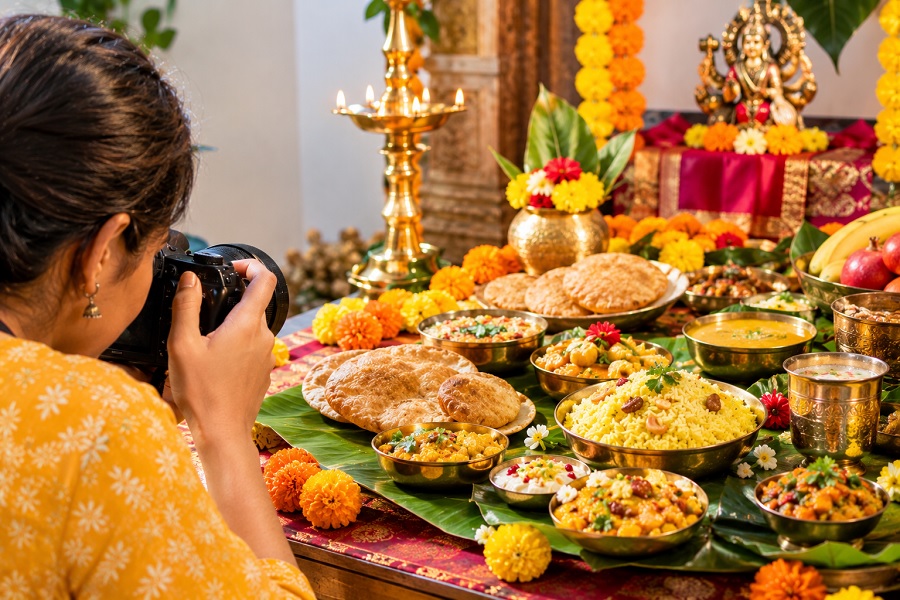
Food Photography: Capture colourful dishes, cooking demonstrations and festival experiences.
Benefits of Food Festival Tourism
Promotes Cultural Heritage
Food festivals help preserve traditional recipes, regional ingredients and local cooking methods. They introduce visitors to the cultural stories behind different cuisines.
Supports Local Businesses
These events create opportunities for restaurants, food vendors, farmers, chefs, bakers and small food producers to reach new customers.
Encourages Tourism Growth
Food festivals can attract domestic and international visitors, increasing demand for accommodation, transportation and local tourism services.
Creates Employment Opportunities
Festival organisation and visitor services can generate temporary and long-term employment for local communities.
Encourages Cultural Exchange
Visitors can interact with people from different backgrounds and learn about their food traditions and lifestyles.
Promotes Regional Food Products
Food festivals provide a platform for local ingredients, traditional products and regional specialities to gain wider recognition.
Sustainable Food Festival Tourism
Sustainability is becoming an important consideration in food festival planning. Responsible events can reduce environmental impact while supporting local communities.
Some sustainable practices include:
Using locally sourced and seasonal ingredients.
Reducing single-use plastic packaging.
Providing suitable waste separation and recycling facilities.
Supporting local farmers and small food businesses.
Encouraging responsible food portions to reduce food waste.
Promoting vegetarian and plant-based food options.
Using reusable serving materials wherever practical.
Respecting traditional food knowledge and cultural practices.
These approaches can make food festivals more environmentally responsible and beneficial to local destinations.
Tips for Planning a Food Festival Tourism Trip
Travellers can make their culinary festival experience more enjoyable with a little preparation.
Research the festival's dates, location and official programme.
Check ticket prices and booking requirements.
Explore the festival's food vendors and special events.
Research local transportation and accommodation options.
Check food ingredients and dietary requirements.
Carry reusable water bottles where permitted.
Follow local customs and festival guidelines.
Explore nearby cultural and tourist attractions.
Support authentic local food vendors and small businesses.
Role of Technology in Food Festival Tourism
Technology is changing how travellers discover and participate in food festivals. Official websites, mobile applications and digital travel platforms help visitors find event schedules, purchase tickets and explore participating restaurants.
Digital maps can make it easier to locate food stalls, workshops and festival attractions. Social media also allows organisers and local food businesses to share updates, menus and event highlights with international audiences.
Artificial intelligence may further support personalised festival recommendations based on food preferences, dietary requirements and travel interests.
Future of Food Festival Tourism
The future of food festival tourism is expected to focus on authentic culinary experiences, sustainable food practices, regional food heritage and international cultural exchange.
Travellers are increasingly interested in events that offer more than ordinary dining experiences. Traditional cooking demonstrations, local ingredient exhibitions, farm-to-table activities and community-led festivals can create meaningful connections between visitors and destinations.
Technology, responsible event management and stronger participation from local food producers may also contribute to the development of food festival tourism.
Conclusion
Food festival tourism offers an enjoyable way to discover international culinary celebrations and local flavours. From chocolate festivals in France and pizza celebrations in Italy to street food events in India and multicultural food festivals in Singapore, these experiences introduce travellers to the diverse food cultures of the world.
By attending food festivals, participating in cooking workshops and supporting local food businesses, visitors can enjoy authentic culinary experiences while contributing to cultural preservation and regional economic development.