A Complete Guide to International Cultural Festival Tourism and World Festivals
International Cultural Festival Tourism: Celebrating Global Traditions Through Travel
Introduction
International Cultural Festival Tourism is one of the most exciting forms of travel for people who want to experience the traditions, music, dance, food, art, customs, and celebrations of different countries. Cultural festivals bring communities together and give travelers a unique opportunity to experience the identity and heritage of a destination.
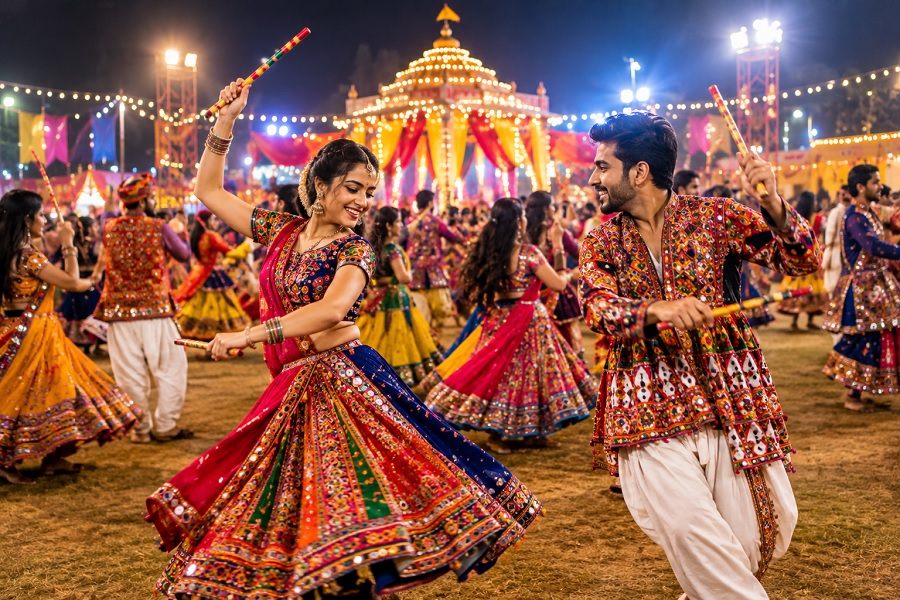
From colorful carnivals in South America and traditional celebrations in Asia to music festivals in Europe and cultural events in Africa, international festivals create unforgettable travel experiences. These events allow visitors to go beyond ordinary sightseeing and become part of the atmosphere, celebrations, and local traditions.
In 2026, cultural tourism continues to attract travelers looking for authentic, immersive, and experience-based holidays. International festivals are especially popular because they combine entertainment, history, food, creativity, and cultural learning in one journey.
What Is International Cultural Festival Tourism?
International Cultural Festival Tourism refers to traveling to another country or destination specifically to attend, experience, or participate in cultural festivals and celebrations.
These festivals may include:
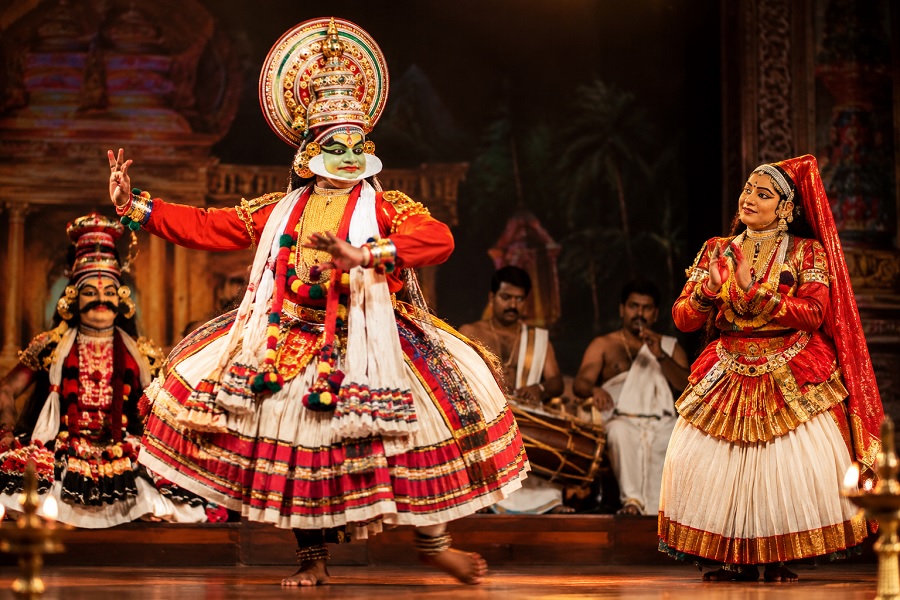
Traditional music and dance
Religious celebrations
Food festivals
Art exhibitions
Cultural performances
Historical celebrations
Traditional costumes
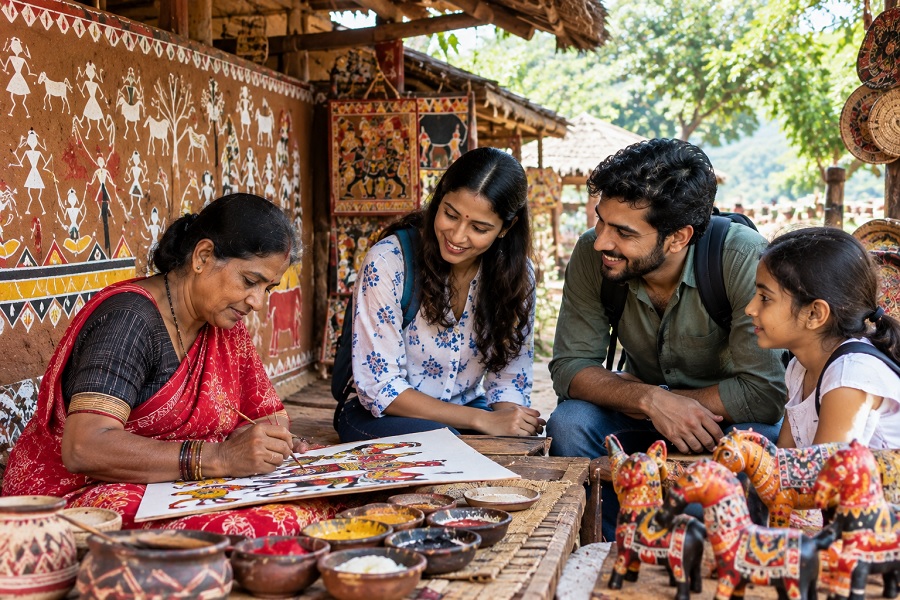
Local crafts
Parades and carnivals
Film and literary events
Festival tourism allows travelers to understand the culture of a destination through real-life experiences rather than simply visiting museums or historical monuments.
Why International Cultural Festival Tourism Is Growing
Modern travelers are increasingly interested in meaningful experiences. Instead of only visiting famous attractions, many tourists want to connect with local communities and understand how people celebrate their traditions.
Cultural festivals offer a strong sense of place and provide memorable experiences that cannot be easily recreated elsewhere.
Major Reasons for Its Popularity
1. Authentic Cultural Experiences
Festivals provide travelers with an opportunity to see local traditions in action. Visitors can experience traditional clothing, music, rituals, performances, and celebrations.
2. Unique Travel Memories
Every festival has its own atmosphere. A parade, traditional dance performance, or local celebration can become the highlight of an entire trip.
3. Food and Culinary Experiences
Many international festivals include traditional food and regional specialties. Travelers can explore local flavors and learn about the culinary heritage of different cultures.
4. Photography Opportunities
Colorful costumes, decorations, performances, and celebrations create excellent opportunities for travel and cultural photography.
5. Community Connection
Festival tourism can help visitors interact with local communities and better understand their traditions and lifestyle.
Popular Types of International Cultural Festivals
1. Traditional Cultural Festivals
These festivals celebrate the history, customs, and identity of a particular community or country.
Visitors may experience:
Traditional clothing
Folk music
Cultural dances
Local crafts
Historical performances
These festivals are ideal for travelers interested in heritage and cultural learning.
2. Music and Dance Festivals
Music and dance festivals attract travelers from around the world.
They may feature:
Traditional music
Classical performances
Folk dances
Contemporary cultural performances
International artists
These events allow visitors to experience the creative side of a destination.
3. Food and Culinary Festivals
Food festivals are becoming an important part of international cultural tourism.
Travelers can enjoy:
Traditional dishes
Regional recipes
Street food
Cooking demonstrations
Local desserts
Cultural dining experiences
Food provides one of the easiest and most enjoyable ways to understand another culture.
4. Religious and Spiritual Festivals
Religious festivals often have deep historical and cultural importance.
Visitors can experience:
Traditional ceremonies
Decorations
Music
Community celebrations
Sacred rituals
Cultural processions
Travelers should always respect local customs, dress codes, photography rules, and religious traditions.
5. Art and Cultural Festivals
Art festivals celebrate creativity and local artistic traditions.
Popular experiences include:
Art exhibitions
Street art
Traditional paintings
Sculpture
Cultural workshops
Artist interactions
These festivals attract travelers interested in both traditional and contemporary culture.
Famous International Cultural Festival Experiences
Carnival Celebrations
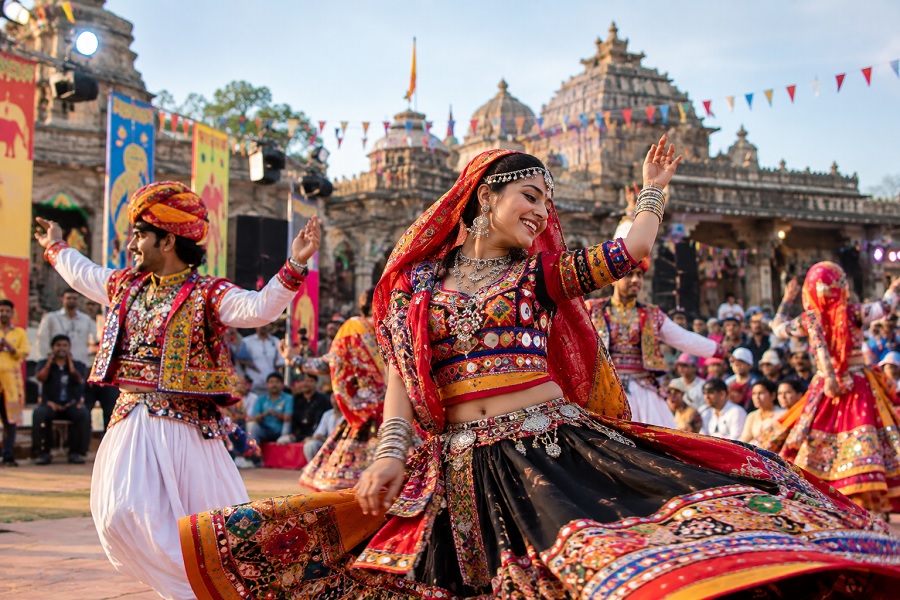
Carnivals are among the world's most colorful cultural events. They often include parades, costumes, music, dancing, and large community celebrations.
These festivals are especially popular with travelers who enjoy energetic and visually exciting experiences.
Traditional Asian Festivals
Asia offers a wide variety of cultural celebrations connected to history, religion, seasons, food, and local traditions.
Visitors can experience:
Lantern celebrations
Traditional dances
Cultural performances
Seasonal festivals
Historic ceremonies
Countries across Asia provide excellent opportunities for immersive cultural tourism.
European Cultural Festivals
Europe is well known for its historic festivals, music events, art celebrations, carnivals, and traditional seasonal gatherings.
Travelers can combine festival attendance with:
Heritage sightseeing
Historic city tours
Museum visits
Local cuisine
Architecture tourism
This makes Europe a popular region for cultural festival travel.
African Cultural Festivals
African cultural festivals provide opportunities to experience diverse traditions, music, dance, storytelling, fashion, and community celebrations.
These festivals often highlight the cultural identity and artistic heritage of local communities.
Travelers can enjoy a combination of cultural exploration, nature tourism, and community experiences.
Latin American Cultural Festivals
Latin America is famous for vibrant celebrations featuring music, dance, costumes, food, and community traditions.
Festival tourism in this region offers colorful experiences and strong connections to local history and identity.
Benefits of International Cultural Festival Tourism
Cultural Education
Travelers learn about different traditions, beliefs, lifestyles, and histories.
Support for Local Communities
Festival tourism can generate income for:
Local artists
Musicians
Food vendors
Hotels
Tour guides
Craft sellers
Small businesses
Heritage Preservation
Tourism can encourage communities to preserve and promote their cultural traditions.
International Understanding
Experiencing another culture directly can help travelers develop greater appreciation and respect for different communities.
Memorable Travel Experiences
Festivals create emotional and personal memories that make a journey more meaningful.
How to Plan an International Cultural Festival Trip
1. Research the Festival Dates
Festival dates may change depending on local calendars, religious traditions, or event schedules.
Always check official event information before booking flights and accommodation.
2. Book Early
Popular international festivals can attract large numbers of visitors.
Book early for:
Flights
Hotels
Festival tickets
Guided tours
Early planning can also provide more accommodation choices.
3. Understand Local Customs
Before attending a cultural festival, learn about:
Appropriate clothing
Photography rules
Local etiquette
Religious customs
Public behavior
Respectful tourism creates a better experience for both travelers and local communities.
4. Try Local Food
Food is an important part of cultural exploration.
Visit:
Local food markets
Festival food stalls
Traditional restaurants
Cultural cooking experiences
Trying regional cuisine can make the festival journey even more memorable.
5. Support Local Businesses
Whenever possible, travelers can support:
Local guides
Small hotels
Family restaurants
Local artisans
Community tourism businesses
This helps tourism benefits reach local communities.
Sustainable International Cultural Festival Tourism
As festival tourism grows, responsible travel is becoming increasingly important.
Travelers should:
Avoid damaging cultural sites
Respect local traditions
Reduce unnecessary waste
Use reusable products
Support local businesses
Follow festival rules
Respect local communities
Sustainable cultural tourism helps protect traditions and destinations for future generations.
International Cultural Festival Tourism Trends in 2026
Several important trends are shaping cultural festival tourism:
Experience-Based Travel
Travelers are choosing activities and experiences that create lasting memories.
Immersive Cultural Experiences
Visitors want to participate in workshops, cultural activities, cooking experiences, and local traditions.
Sustainable Festival Travel
Environmentally responsible travel is becoming increasingly important.
Digital Travel Planning
Travelers use online platforms to research festival schedules, tickets, accommodation, and destination experiences.
Community-Based Tourism
Tourists are increasingly interested in supporting local communities and authentic cultural experiences.
Cultural Photography and Content Creation
Festivals continue to attract photographers, travel creators, and visitors who want to document unique cultural experiences.
Best Tips for Festival Travelers
Research the festival before traveling
Check official dates and ticket requirements
Book accommodation early
Respect local customs
Learn a few local phrases
Keep important documents secure
Follow safety instructions
Carry comfortable clothing
Stay hydrated during long celebrations
Support local businesses
Why International Cultural Festival Tourism Matters
International cultural festivals are more than entertainment events. They represent history, creativity, identity, and community traditions.
For travelers, attending these celebrations provides an opportunity to see the world from a different perspective. For destinations, festival tourism can support local economies and help promote cultural heritage internationally.
When practiced responsibly, cultural festival tourism can create meaningful connections between travelers and communities.
Conclusion
International Cultural Festival Tourism offers travelers an exciting way to explore the world through music, dance, art, food, traditions, and celebrations.
From historic cultural ceremonies to colorful international festivals, these experiences allow visitors to connect with destinations in a deeper and more memorable way.
As travel continues to move toward authentic and experience-based journeys in 2026, cultural festivals are likely to remain an important part of global tourism. By planning carefully, respecting local traditions, and supporting communities, travelers can enjoy unforgettable celebrations while contributing positively to the preservation of cultural heritage.
International cultural festival tourism is not just about attending an event. It is about experiencing the stories, traditions, and people that make every destination unique.