Portable Wi-Fi Hotspots: Are They Worth Buying?
Staying connected to the internet has become essential for work, education, entertainment and travel. While smartphones offer mobile hotspot features, portable Wi-Fi devices provide another convenient way to access the internet from almost anywhere with network coverage.
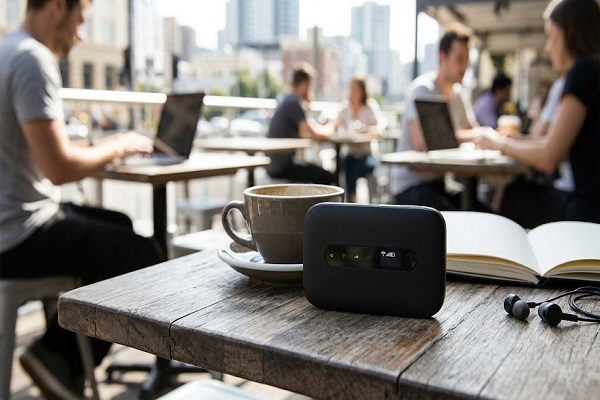
Portable Wi-Fi hotspots, also known as pocket Wi-Fi devices or MiFi devices, allow users to connect multiple gadgets to the internet through a mobile network. They are particularly useful for frequent travellers, remote workers, students and people who need internet access outside their homes.
But are portable Wi-Fi hotspots really worth buying? Let's explore their features, benefits, limitations and important buying considerations.
1. What Is a Portable Wi-Fi Hotspot?
A portable Wi-Fi hotspot is a small, battery-powered device that connects to a cellular network, such as 4G or 5G, and creates a private Wi-Fi network.
Users can connect smartphones, laptops, tablets and other Wi-Fi-enabled devices without relying on a fixed broadband connection.
Most portable hotspots require a SIM card or an eSIM-supported mobile data plan. Once connected to the cellular network, the device shares the internet connection with nearby users.
Their compact size makes them easy to carry in a pocket, handbag or backpack.
2. How Do Portable Wi-Fi Hotspots Work?
Portable Wi-Fi hotspots work similarly to smartphone mobile hotspots, but they are designed specifically for sharing mobile internet.
Here is how the process works:
Insert a compatible SIM card or activate an eligible eSIM plan.
Switch on the portable Wi-Fi device.
The device connects to an available 4G or 5G cellular network.
It creates a Wi-Fi network with a name and password.
Connect your laptop, smartphone or tablet to that network.
Once connected, multiple devices can use the internet through the hotspot, depending on the device's supported connection limit and network capacity.
3. Key Benefits of Portable Wi-Fi Hotspots
Convenient internet access: Portable hotspots allow users to access mobile internet while travelling, commuting or working outside their homes.
Connect multiple devices: Instead of activating mobile data separately on every device, users can share one connection with several gadgets.
Useful for remote work: Professionals who frequently work from different locations can use pocket Wi-Fi devices for video meetings, emails and online collaboration.
Dedicated internet device: Using a separate hotspot can reduce the need to keep a smartphone's hotspot feature switched on throughout the day.
Travel-friendly design: Most devices are lightweight and compact, making them convenient for holidays, business trips and outdoor activities.
4. Portable Wi-Fi Hotspot vs Smartphone Hotspot
Many smartphones already offer a personal hotspot feature. So, why purchase a separate device?
The answer depends on how frequently you share your internet connection.
A smartphone hotspot is generally sufficient for occasional internet sharing. However, a dedicated portable hotspot can be more convenient for people who regularly connect multiple devices.
5. Are Portable Wi-Fi Hotspots Suitable for Travellers?
Portable Wi-Fi hotspots can be useful for domestic and international travellers.
During road trips, holidays or business travel, users may need internet access for navigation, hotel bookings, online payments, communication and remote work.
A pocket Wi-Fi device can provide a shared connection for travelling companions without requiring everyone to use individual mobile data plans.
International travellers should check whether the device supports local network bands and whether an affordable roaming, local SIM or travel data plan is available.
It is also important to check coverage at the destination because a portable hotspot cannot provide reliable internet where the cellular network is weak or unavailable.
6. Limitations of Portable Wi-Fi Hotspots
Although portable Wi-Fi devices offer convenience, they also have certain disadvantages.
Additional purchase cost: Users need to buy the device separately, which may not be worthwhile for people who rarely need mobile internet sharing.
Data plan expenses: A compatible SIM card or mobile data subscription is generally required. Heavy internet usage can increase monthly expenses.
Battery limitations: Portable hotspots depend on their internal batteries. Long working sessions may require regular charging or a power bank.
Network dependency: Internet speed and stability depend on cellular coverage, network congestion and the selected mobile operator.
Speed limitations: Not every device supports 5G. Older 4G models may also have hardware limitations that affect performance.
Security considerations: Users should protect their hotspot with a strong Wi-Fi password and updated device software.
7. What to Check Before Buying a Portable Wi-Fi Hotspot
Before purchasing a pocket Wi-Fi device, consider the following factors:
4G or 5G support: Choose a device based on the network technology available in your area and your internet requirements.
Battery life: Look for a model that can support your expected usage duration.
Device connectivity: Check how many smartphones, laptops and tablets can connect simultaneously.
Network compatibility: Make sure the device supports the frequency bands used by your mobile operator.
Internet speed: Compare supported network speeds, keeping in mind that actual performance depends on coverage and congestion.
SIM compatibility: Check whether the device is unlocked and supports your preferred operator.
Security features: Look for password protection and modern Wi-Fi security standards.
Charging options: USB-C charging can make everyday use more convenient.
8. Who Should Buy a Portable Wi-Fi Hotspot?
Portable Wi-Fi hotspots may be particularly useful for:
Frequent travellers: People who regularly travel for holidays or business and need shared internet access.
Remote workers: Professionals who work from different locations and need a separate internet connection for their laptops.
Students: Students who attend online classes, study while travelling or connect multiple devices.
Small business owners: Entrepreneurs who need internet connectivity for temporary workspaces, events or meetings.
Families: Families travelling together can share one mobile data connection across multiple devices.
However, people who mainly use the internet at home or occasionally share mobile data may find a smartphone hotspot more economical.
9. Portable Wi-Fi Hotspots vs Home Broadband
Portable Wi-Fi hotspots and home broadband serve different purposes.
Home broadband generally provides a fixed internet connection designed for regular household usage. It may offer more consistent speeds and higher data allowances, depending on the plan.
Portable hotspots provide flexibility because users can carry them wherever cellular coverage is available. However, their performance depends on mobile network conditions and data-plan limits.
For households with heavy streaming, gaming or multiple users, broadband may be more suitable. For people who frequently move between locations, portable Wi-Fi can offer greater convenience.
Conclusion: Are Portable Wi-Fi Hotspots Worth Buying?
Portable Wi-Fi hotspots are worth considering if you frequently travel, work remotely or need to connect multiple devices to mobile internet. Their compact design, dedicated connectivity and ability to share data make them useful for people who depend on internet access outside their homes.
However, they are not essential for everyone. Smartphone hotspots can handle occasional internet-sharing requirements without the expense of purchasing another device.
Ultimately, the decision depends on your internet usage, travel habits, network coverage and budget. If you regularly need a separate and portable internet connection, a pocket Wi-Fi device can be a practical investment.