Winter Culinary Travel Experiences: A Journey Through Seasonal Flavors
Winter Culinary Travel Experiences: Discovering Seasonal Flavors Through Travel
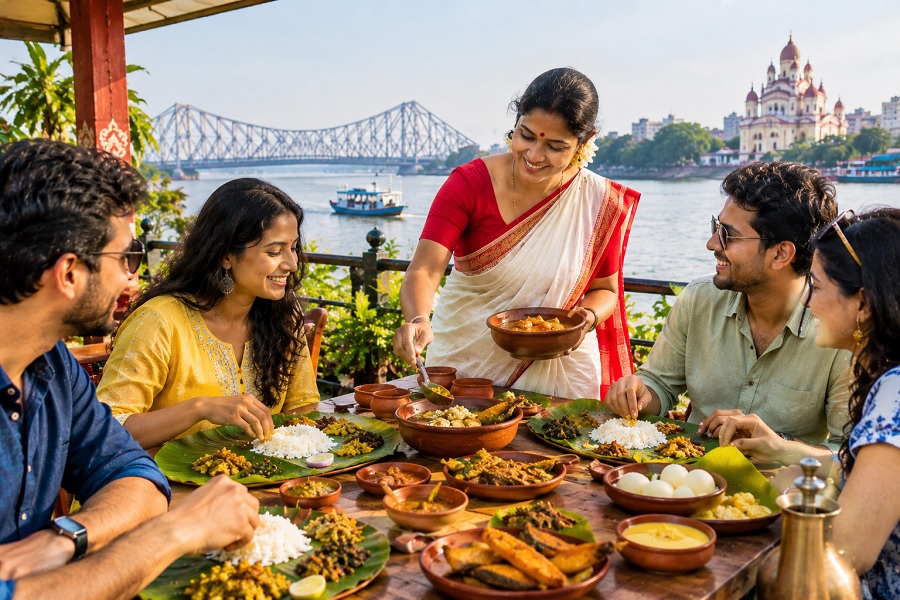
Winter is one of the most enjoyable seasons for food-focused travel. Cooler temperatures encourage travelers to explore comforting meals, seasonal ingredients, traditional sweets, hot beverages, local markets, and regional culinary traditions. Winter Culinary Travel Experiences turn a holiday into a journey of taste, allowing travelers to discover destinations through the foods and drinks that define their colder months.
In India, winter cuisine is especially diverse. Regional dishes such as sarson da saag and makki di roti in North India, seasonal sweets, warming beverages, Pahadi specialties, and winter vegetables all reflect the connection between climate, agriculture, and local food culture. Recent culinary coverage also highlights how winter ingredients and traditional cooking practices shape food experiences across India.
What Is Winter Culinary Tourism?
Winter culinary tourism involves traveling specifically to experience food and beverage traditions associated with the winter season. It can include food walks, cooking classes, farm visits, traditional meals, food festivals, specialty markets, restaurant experiences, and visits to tea or coffee-producing regions.
International culinary tours increasingly offer winter-focused experiences across destinations such as Italy, France, Mexico, Peru, Morocco, Thailand, and Costa Rica.
Why Winter Is Ideal for Food Travel
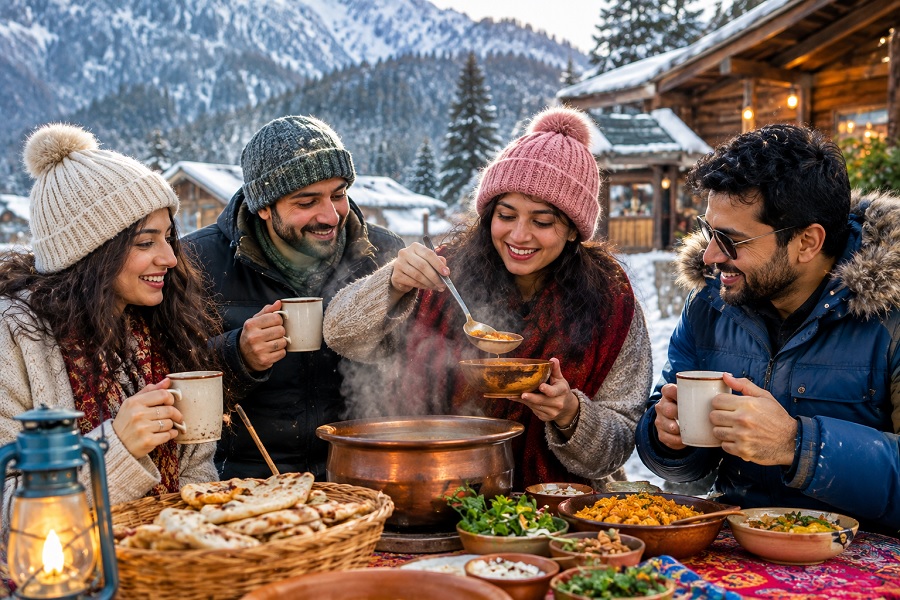
The colder months create an atmosphere that naturally complements culinary exploration. Travelers can enjoy steaming soups, slow-cooked dishes, roasted foods, hot chocolate, tea, coffee, spiced drinks, and traditional desserts.
Winter can also offer a more relaxed travel experience in some destinations. Culinary-tour operators highlight opportunities for seasonal food, smaller crowds, and winter-specific experiences during the colder months.
Popular Winter Culinary Experiences
1. Traditional Winter Food Trails
Food trails allow travelers to explore several restaurants, markets, cafés, and local food stalls in one trip. Regional winter specialties can provide a deeper understanding of local culture.
2. Seasonal Street Food Tours
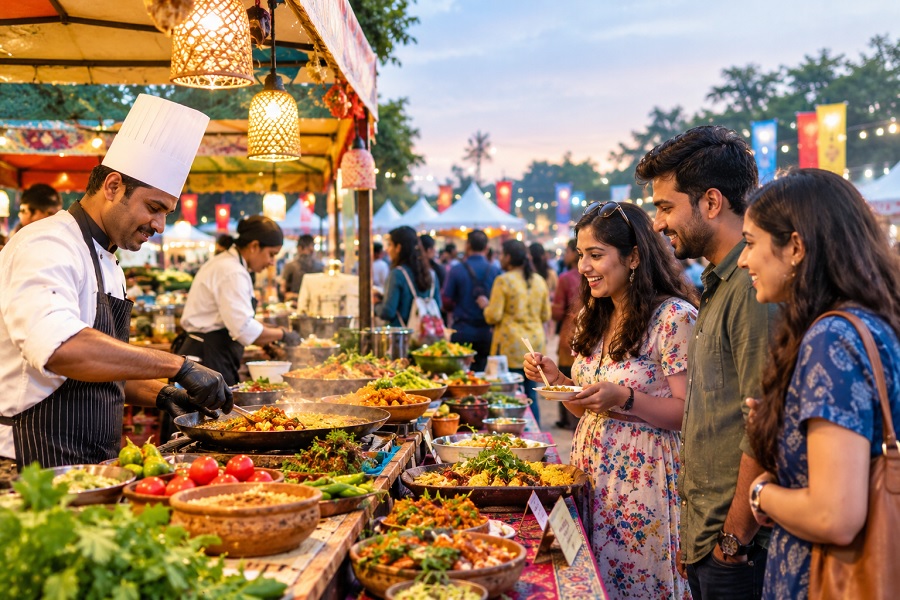
Winter street-food tours are perfect for discovering hot snacks, roasted foods, soups, regional breads, sweets, and warm beverages. Travelers can explore local markets while enjoying seasonal specialties.
3. Farm-to-Table Experiences
Winter farm visits allow tourists to learn how seasonal ingredients are grown, harvested, prepared, and served. Farm-to-table experiences can connect food with local agriculture and traditional cooking.
4. Traditional Cooking Classes
Cooking classes provide travelers with an opportunity to prepare regional dishes themselves. Market visits followed by hands-on cooking can make the experience even more memorable.
5. Tea and Coffee Experiences
Winter is a particularly appealing season for exploring tea houses, coffee estates, cafés, and specialty beverage destinations. Visitors can learn about cultivation, roasting, brewing, and regional drinking traditions.
Best Winter Culinary Destinations in India
Punjab
Punjab is an excellent destination for hearty winter cuisine. Travelers can experience sarson da saag, makki di roti, lassi, Amritsari kulcha, and other regional specialties. Village food experiences can also provide an opportunity to connect meals with local agricultural traditions.
Himachal Pradesh
Himachal Pradesh offers a combination of mountain scenery and comforting Pahadi cuisine. Travelers can explore traditional dishes while enjoying winter landscapes in destinations across the state.
Uttarakhand
Kumaoni cuisine provides an interesting winter culinary experience, with dishes such as aloo ke gutke, bhatt ki dal, chainsoo, jhangore ki kheer, and other regional preparations made with locally sourced ingredients.
Rajasthan
Rajasthan's winter weather is well suited to culinary exploration. Food tours can combine traditional Rajasthani meals with heritage walks, local markets, cooking demonstrations, and cultural experiences.
Kerala
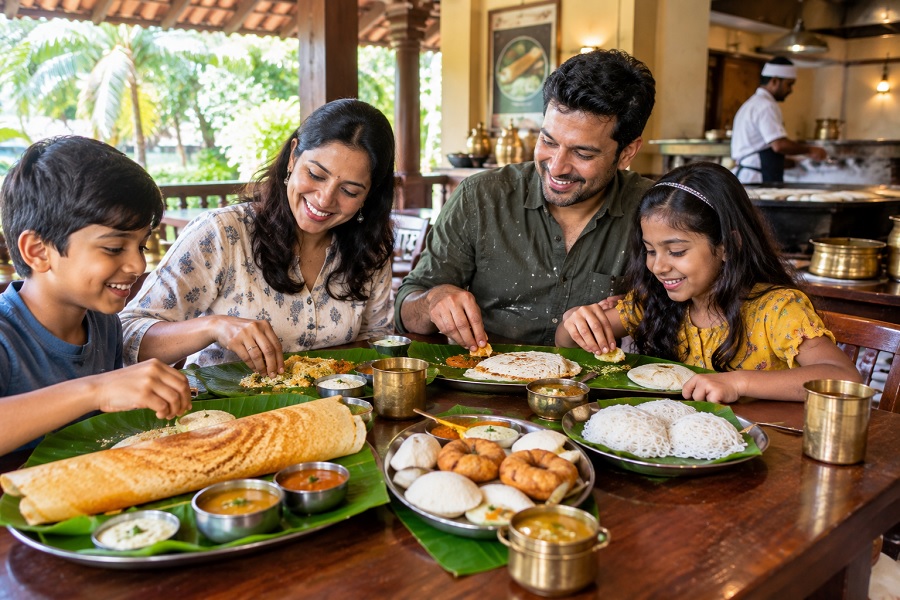
Kerala offers a different winter food experience, with Malabari cuisine, seafood, vegetarian meals, traditional snacks, and regional cooking experiences. Culinary-tour listings currently feature multiple winter cooking and food experiences in Kerala.
Goa
Goa's winter season combines pleasant weather with seafood, traditional breads, sweets, and Konkan cuisine. Winter is also an active tourism period for the state, making it an attractive destination for food-focused travelers.
Winter Food Festivals
Food festivals can add another dimension to culinary travel. Seasonal festivals, harvest celebrations, Christmas markets, regional fairs, and local food events allow visitors to taste several specialties in one location.
Winter culinary travel can also be planned around Christmas and New Year celebrations, when many destinations offer special menus and festive food experiences.
Winter Desserts and Sweet Experiences
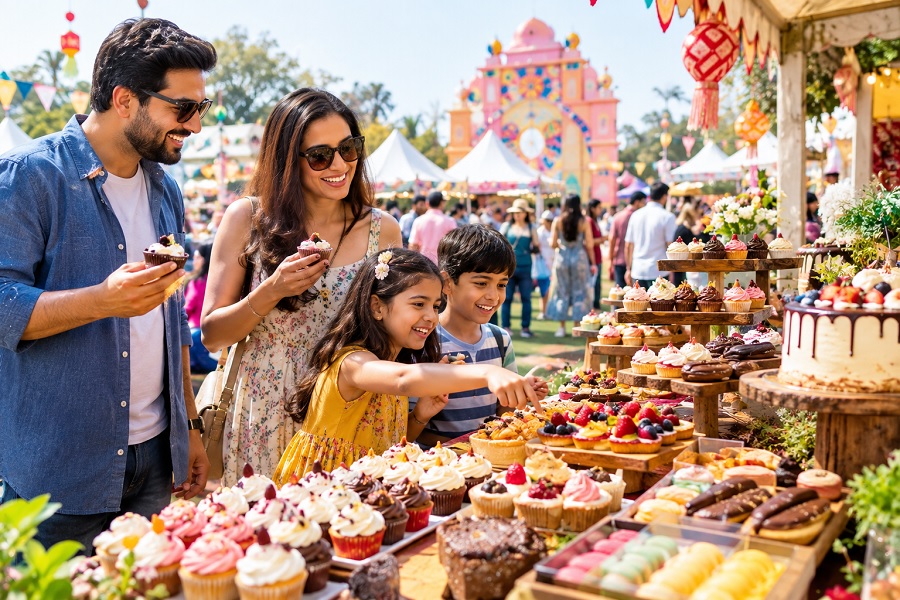
Desserts are an important part of seasonal culinary tourism. Travelers can search for traditional sweets made with winter ingredients, including carrots, sesame, jaggery, nuts, milk, and seasonal fruits.
Food-focused trips can include visits to historic sweet shops, traditional bakeries, dessert cafés, local confectioners, and family-run establishments.
International Winter Culinary Experiences
Winter food tourism extends far beyond India. Travelers can explore European mountain cuisine, Nordic seafood, Alpine fondue, seasonal desserts, Mediterranean cooking, Latin American specialties, and Asian culinary traditions.
Unique winter dining experiences around the world include mountain dinners, ice-fishing experiences, seasonal seafood, fondue journeys, and traditional Arctic cuisine.
Japan's Niigata region, for example, demonstrates how winter conditions can shape food culture through fermentation traditions and snow-cooled storage.
Tips for Planning a Winter Food Trip
Research seasonal dishes before traveling.
Check food festival dates in advance.
Explore local markets instead of relying only on restaurants.
Try traditional family-run eateries where possible.
Book popular culinary experiences early.
Carry suitable clothing for outdoor food walks.
Look for cooking classes and farm visits.
Ask about local ingredients and preparation methods.
Respect regional food traditions.
Include both famous specialties and lesser-known local dishes.
Sustainable Winter Culinary Tourism
Sustainable food tourism can support local farmers, producers, chefs, restaurants, and small businesses. Choosing locally sourced food, reducing food waste, carrying reusable items, and supporting community-based culinary experiences can make food-focused travel more responsible.
Farm-to-table and locally focused culinary experiences can also help travelers understand where their food comes from and how seasonal ingredients influence regional cuisine.
The Future of Winter Culinary Travel
Winter culinary tourism is increasingly moving beyond simply visiting restaurants. Travelers are looking for immersive experiences, including cooking classes, food walks, farm visits, market tours, chef-led experiences, traditional recipes, and culinary storytelling.
Current winter culinary offerings include family-friendly tours, romantic food trips, cooking holidays, wine experiences, market-to-table programs, and regional culinary vacations.
Conclusion
Winter Culinary Travel Experiences offer a delicious way to explore destinations while discovering their seasonal traditions. From Indian winter specialties and mountain cuisine to international food tours and unique seasonal dining experiences, food can become the central reason to travel.
Whether you are a passionate foodie, a family traveler, a couple, or someone interested in cultural experiences, a winter culinary trip can combine local culture, seasonal food, hospitality, agriculture, and unforgettable travel memories.