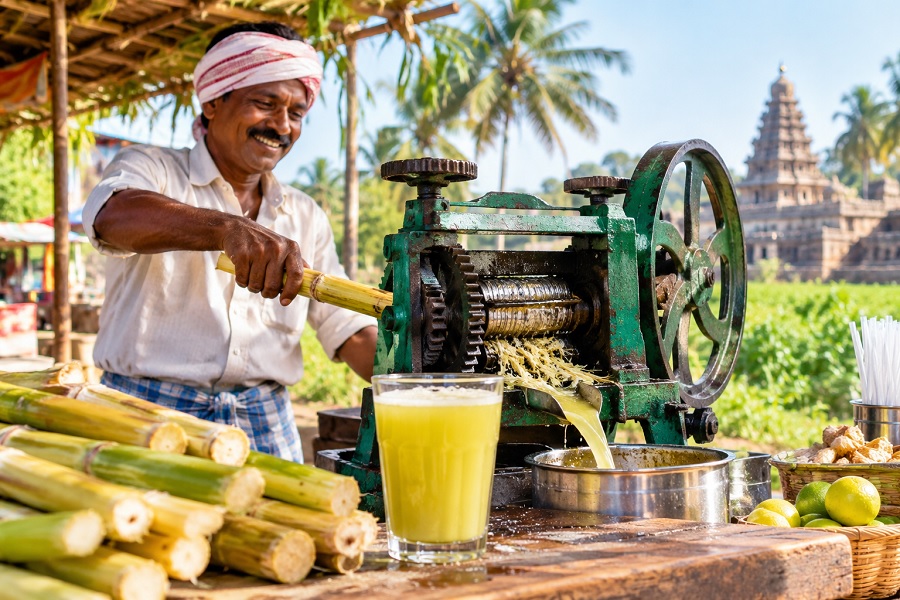
Breakfast Tourism: Exploring World-Famous Morning Meals and Traditional Food Cultures
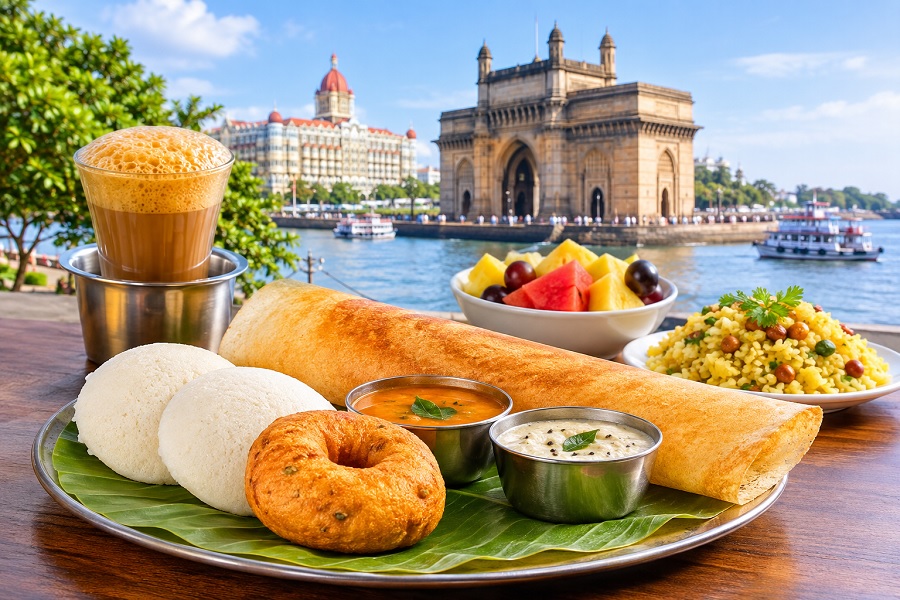
Breakfast Tourism: Discovering Famous Breakfast Destinations and Traditional Morning Meals
Introduction
Breakfast tourism is an exciting segment of food and beverage tourism that allows travellers to explore different destinations through their traditional morning meals, regional breakfast specialties and local food cultures. Every country and region has its own breakfast traditions, cooking techniques, ingredients and flavours that reflect its cultural identity.
From India's popular poha, idli, dosa and paratha to France's croissants, Japan's traditional breakfast sets, Turkey's breakfast spreads and America's pancakes, travellers can discover different culinary traditions through breakfast experiences.
Today, food lovers are increasingly interested in exploring famous breakfast restaurants, traditional food markets, local cafés and authentic regional dishes. Breakfast tourism combines culinary exploration with cultural discovery, making morning meals an important part of the overall travel experience.
What Is Breakfast Tourism?
Breakfast tourism refers to travelling to different destinations to experience their famous breakfast dishes, traditional morning meals and regional culinary traditions.
It gives tourists opportunities to discover local food habits, taste authentic recipes, explore traditional restaurants and understand how different communities prepare and enjoy their morning meals.
Breakfast tourism includes:
- Visiting famous breakfast restaurants and traditional cafés.
- Exploring local morning food markets.
- Tasting regional breakfast specialities.
- Participating in traditional cooking workshops.
- Discovering organic and farm-fresh breakfast options.
- Experiencing local food preparation techniques.
- Exploring breakfast festivals and culinary events.
Famous Breakfast Destinations Around the World
1. India: Exploring Diverse Traditional Breakfasts
India is one of the most exciting destinations for breakfast tourism because every region offers different traditional morning meals.
Popular Indian breakfast dishes include:
- Maharashtra: Poha, misal pav and thalipeeth.
- South India: Idli, dosa, medu vada and uttapam.
- North India: Aloo paratha, chole bhature and puri bhaji.
- Gujarat: Thepla, dhokla and fafda.
- West Bengal: Luchi, aloo dum and traditional sweets.
Travellers can explore local breakfast restaurants, street food stalls and traditional markets to experience India's rich culinary diversity.
2. France: Traditional Bakery Breakfasts
France is famous for its bakery culture and classic morning dining experiences. Visitors can enjoy freshly baked croissants, baguettes, pain au chocolat and coffee.
Paris is particularly popular for its traditional cafés and neighbourhood bakeries. These establishments provide opportunities to experience French food culture and traditional breakfast habits.
3. Japan: Authentic Japanese Breakfast
Japanese breakfast culture offers a balanced combination of rice, miso soup, grilled fish, vegetables, pickles and eggs.
Travellers can experience traditional Japanese morning meals at local restaurants, ryokans and regional food establishments. These meals provide an insight into Japanese culinary customs.
4. Turkey: Traditional Turkish Breakfast
Turkey is known for its traditional breakfast spread called kahvalt?. It commonly includes bread, olives, cheese, tomatoes, cucumbers, eggs, honey and traditional tea.
Istanbul and other Turkish destinations offer visitors opportunities to explore authentic breakfast restaurants and local food traditions.
5. United States: Classic American Breakfast
The United States offers a wide variety of breakfast dishes, including pancakes, waffles, scrambled eggs, oatmeal, breakfast sandwiches and hash browns.
Travellers can explore traditional diners, neighbourhood cafés and popular brunch restaurants to experience American breakfast culture.
6. Vietnam: Traditional Pho Breakfast
Vietnam is famous for pho, a traditional noodle soup prepared with rice noodles, aromatic broth, herbs and various toppings. It is commonly enjoyed as a morning meal.
Visitors can discover authentic Vietnamese breakfast experiences at local restaurants and traditional street food markets.
7. Mexico: Authentic Mexican Breakfast
Mexico offers colourful and flavourful breakfast dishes such as chilaquiles, huevos rancheros, tamales and breakfast tacos.
Traditional restaurants and local food markets provide opportunities to discover authentic Mexican culinary traditions.
8. United Kingdom: Full English Breakfast
The United Kingdom is famous for its full English breakfast, which traditionally includes eggs, baked beans, toast, mushrooms and tomatoes.
Traditional cafés and breakfast restaurants attract visitors interested in experiencing classic British morning meals.
9. Italy: Coffee and Bakery Experiences
Italy offers a popular breakfast combination of freshly baked cornetto and cappuccino or espresso.
Travellers can visit local bakeries, traditional cafés and coffee shops to experience authentic Italian breakfast culture.
10. Malaysia: Traditional Nasi Lemak Breakfast
Malaysia is famous for nasi lemak, a traditional dish prepared with coconut milk rice, cucumber, peanuts, anchovies, egg and sambal.
It is an important part of Malaysian food culture and provides an interesting culinary experience for international visitors.
Popular Breakfast Tourism Experiences
Breakfast tourism offers more than simply enjoying food. It creates opportunities for travellers to understand local lifestyles, culinary traditions and regional cultures.
1. Traditional Breakfast Tours
Guided breakfast tours introduce visitors to famous local dishes, traditional restaurants and regional food specialties.
2. Street Food Breakfast Experiences
Travellers explore local street food stalls, traditional vendors and morning food markets.
3. Farm Breakfast Experiences
Visitors enjoy fresh, locally sourced ingredients in rural destinations and agricultural communities.
4. Heritage Café Visits
Historic cafés provide opportunities to experience traditional dining environments and regional food customs.
5. Breakfast Cooking Workshops
Tourists learn how to prepare authentic breakfast recipes through interactive cooking classes conducted by local chefs.
6. Luxury Hotel Breakfasts
Premium hotels offer regional breakfast menus, international buffets and personalised dining experiences.
7. Breakfast Food Festivals
Visitors explore local culinary celebrations, traditional recipes and regional morning specialities.
8. Healthy Breakfast Experiences
Travellers discover nutritious morning meals prepared with fresh fruits, vegetables, whole grains and locally sourced ingredients.
Importance of Breakfast Tourism
Breakfast tourism plays an important role in promoting local food culture and supporting the tourism industry.
- Promotes Local Culture: Traditional breakfast dishes help preserve regional food customs and culinary heritage.
- Supports Local Businesses: It creates opportunities for cafés, restaurants, bakeries and local food vendors.
- Encourages Rural Tourism: Farm-based breakfast experiences attract visitors to countryside destinations.
- Creates Employment: Food tourism supports chefs, hospitality professionals, farmers and local food producers.
- Promotes Regional Ingredients: Visitors discover locally grown vegetables, grains, fruits and traditional ingredients.
- Improves Destination Recognition: Famous breakfast dishes can make destinations more attractive to domestic and international tourists.
- Preserves Traditional Recipes: Culinary experiences help introduce traditional cooking methods to younger generations and international visitors.
Emerging Trends in Breakfast Tourism in 2026
Breakfast tourism continues to evolve as travellers seek authentic, convenient, healthy and memorable culinary experiences.
1. Healthy Breakfast Tourism
Travellers are increasingly interested in nutritious breakfast options, fresh fruits, whole grains and balanced morning meals.
2. Sustainable Breakfast Experiences
Eco-friendly restaurants are focusing on locally sourced ingredients, seasonal produce and reduced food waste.
3. Plant-Based Breakfast Tourism
Vegetarian and vegan breakfast experiences are attracting travellers interested in plant-based cuisine and sustainable food choices.
4. Digital Breakfast Discovery
Online reviews, food blogs, social media and digital travel platforms help visitors discover popular breakfast destinations.
5. Experiential Breakfast Tourism
Travellers are looking for interactive experiences such as cooking classes, traditional food preparation and farm visits.
6. Luxury Breakfast Tourism
Premium hotels and restaurants are introducing specialised breakfast menus and destination-inspired dining experiences.
7. Regional Food Experiences
Travellers increasingly explore authentic local dishes rather than choosing only internationally familiar breakfast menus.
8. Social Media Breakfast Tourism
Food photography, travel videos and online recommendations are helping popularise unique breakfast destinations.
Benefits of Breakfast Tourism for Local Communities
Breakfast tourism can generate several economic and social benefits for destinations.
1. Increases customer visits to local restaurants and cafés.
2. Creates business opportunities for traditional food vendors.
3. Encourages local farmers to supply fresh ingredients.
4. Promotes regional food products and traditional recipes.
5. Supports employment in hospitality and food services.
6. Encourages cultural exchange between visitors and local communities.
7. Helps small businesses gain recognition among international travellers.
Tips for Planning a Breakfast Tourism Trip
Travellers can follow these tips to enjoy better breakfast tourism experiences:
- Research famous breakfast dishes before visiting a destination.
- Visit traditional food markets and locally popular restaurants.
- Check restaurant opening hours and breakfast serving times.
- Explore seasonal and locally available food specialities.
- Choose hygienic and well-maintained dining establishments.
- Respect local food customs and dining traditions.
- Consider vegetarian and other dietary requirements.
- Try regional breakfast dishes instead of choosing only familiar foods.
- Capture memorable culinary experiences through food photography.
- Support local restaurants and small food businesses.
Challenges in Breakfast Tourism
Although breakfast tourism offers many opportunities, destinations may face certain challenges.
- Maintaining food quality and hygiene standards.
- Preserving traditional recipes and cooking methods.
- Managing increasing tourist demand at popular food destinations.
- Ensuring consistent availability of fresh local ingredients.
- Maintaining affordable breakfast experiences.
- Providing suitable options for different dietary requirements.
- Promoting lesser-known breakfast destinations.
Addressing these challenges can help destinations develop sustainable and attractive breakfast tourism experiences.
Future of Breakfast Tourism
The future of breakfast tourism looks promising as culinary experiences become an important part of travel planning. More destinations are expected to promote their traditional morning meals through food festivals, cultural tours, farm visits, local restaurants and regional culinary events.
Technology will also help travellers discover breakfast destinations through personalised recommendations, online food guides and digital booking platforms.
Sustainable food practices, regional ingredients, vegetarian dining and authentic culinary experiences are likely to remain important parts of this tourism segment.
Breakfast tourism can help destinations attract food enthusiasts while supporting local communities, encouraging small businesses and preserving traditional recipes.
Conclusion
Breakfast tourism is an exciting segment of food and beverage tourism that allows travellers to discover destinations through traditional morning meals and regional culinary experiences.
From Indian poha and dosa to Turkish kahvalt?, Japanese breakfast sets, French pastries and Vietnamese pho, every destination offers unique flavours and food traditions.
By exploring famous breakfast restaurants, traditional food markets, local cafés and regional cooking practices, visitors can experience the cultural identity of different communities.
As interest in culinary travel continues to grow, breakfast tourism has the potential to become an important attraction for destinations worldwide. It connects food, culture, hospitality and travel while creating memorable experiences for visitors.