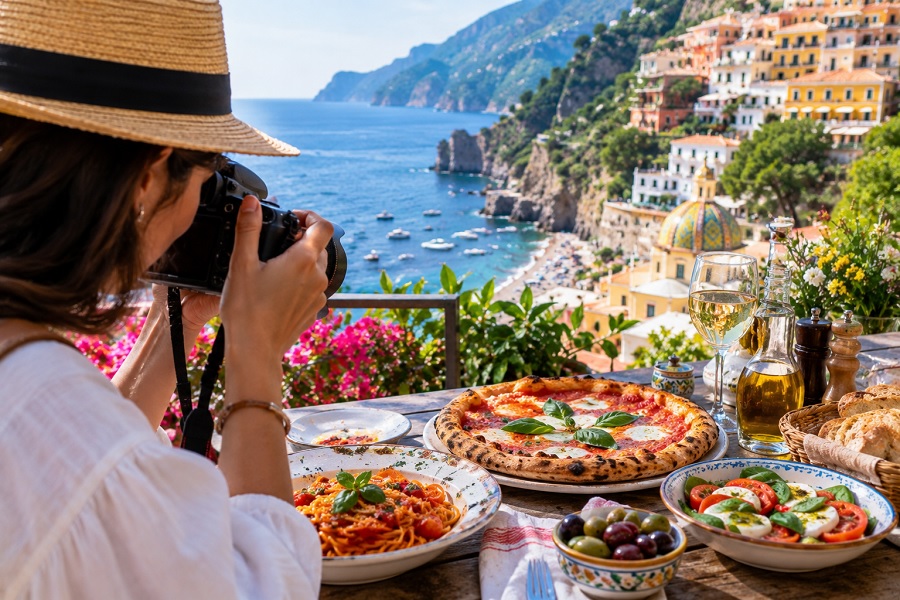
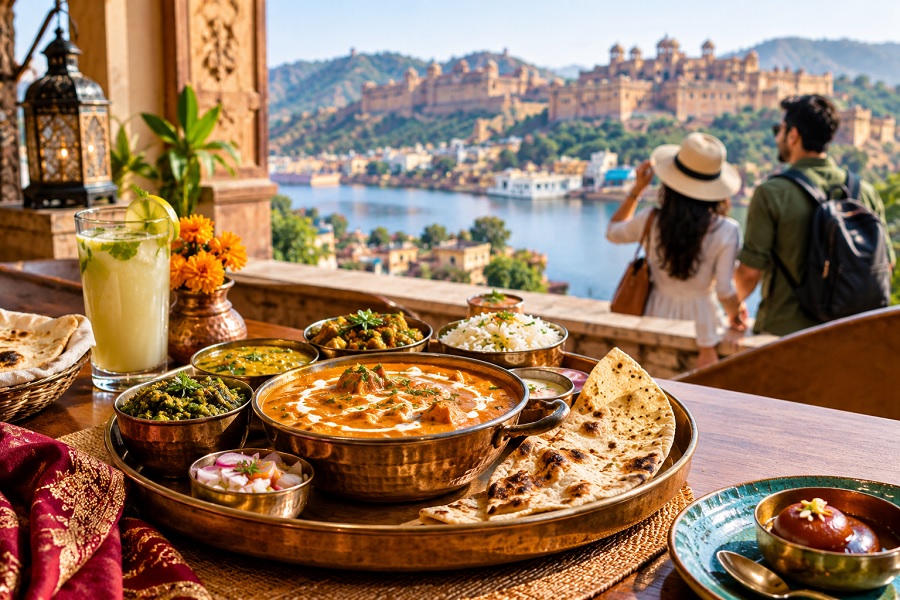
Dasara Food Photography Tourism: Exploring India’s Colourful Festive Dishes and Culinary Traditions
Dasara Festival Food Photography Tours: Capturing Colourful Festive Dishes
Introduction
Dasara, also known as Dussehra, is one of India's most celebrated festivals, bringing together colourful traditions, cultural performances, festive decorations, and delicious regional cuisine. It is also a wonderful opportunity for food lovers and photography enthusiasts to explore India's culinary heritage through vibrant food photography tours.
Dasara Festival Food Photography Tours combine culinary exploration with the art of capturing beautiful food images. From traditional sweets and festive thalis to temple prasadam, homemade delicacies, and regional specialities, these tours allow visitors to discover the stories behind festive dishes while creating memorable photographs.
In destinations such as Mysuru, Kolkata, Ahmedabad, Pune, and other culturally rich cities, travellers can explore local food markets, traditional sweet shops, restaurants, and festival food experiences. These tours offer a unique way to appreciate the relationship between food, culture, photography, and celebration.
What Are Dasara Festival Food Photography Tours?
Dasara Festival Food Photography Tours are guided or self-planned culinary experiences designed for people who want to explore festive food while learning how to photograph it creatively.
Participants visit food markets, restaurants, sweet shops, cultural events, and local eateries to discover traditional dishes and capture their colours, textures, ingredients, and presentation.
These tours may include:
Photographing traditional Dasara sweets and snacks.
Exploring regional festive meals and vegetarian thalis.
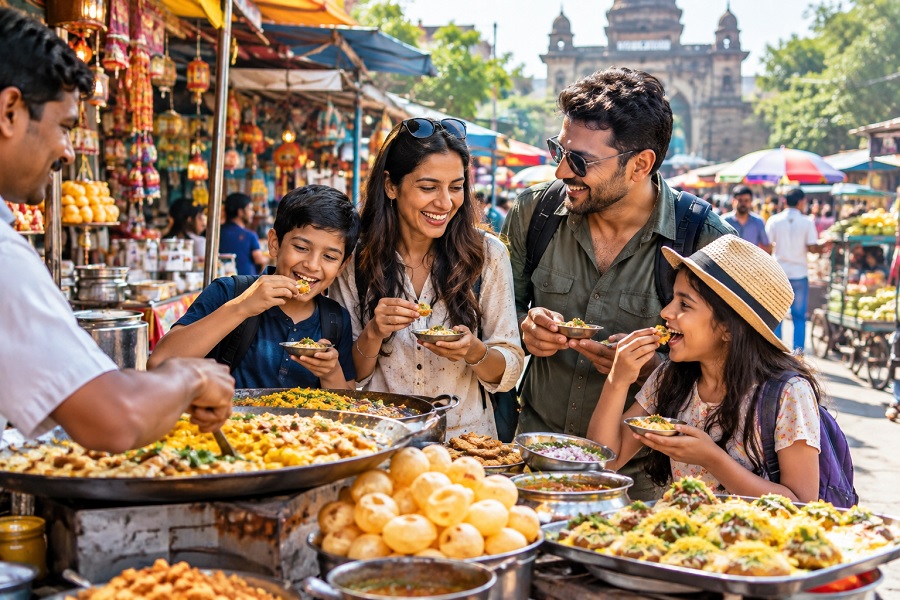
Visiting traditional markets and local food streets.
Learning food styling and natural-light photography.
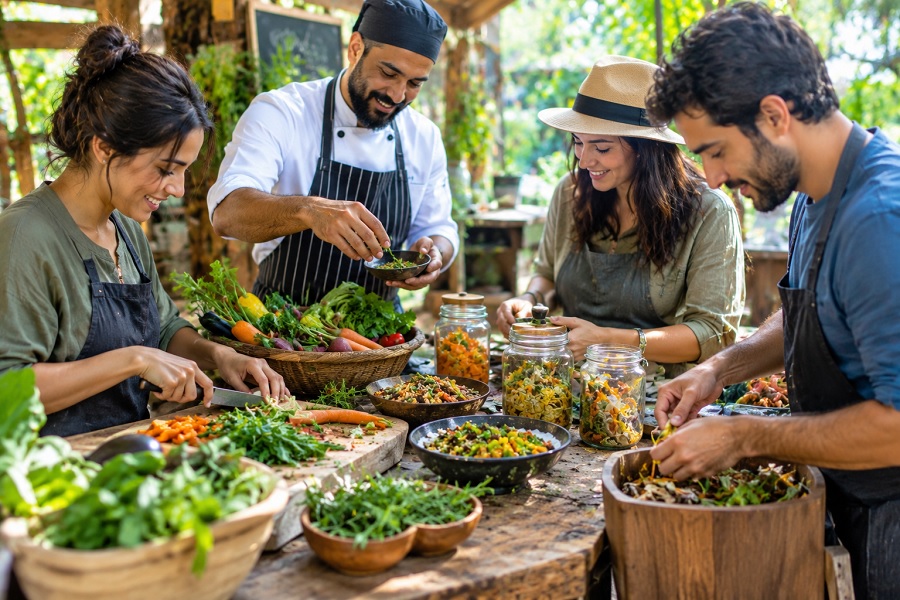
Meeting local chefs, sweet makers, and home cooks.
Discovering the cultural significance of festival dishes.
Capturing food preparation, ingredients, and serving traditions with permission.
The experience can suit professional photographers, travel bloggers, food enthusiasts, families, and beginners who want to improve their photography skills.
Why Is Dasara Ideal for Food Photography?
Dasara provides a rich setting for food photography because festive meals often feature colourful ingredients, traditional serving styles, decorative arrangements, and seasonal specialities.
1. Colourful Festive Dishes
Traditional sweets, savoury snacks, rice preparations, vegetable curries, and festive thalis offer a variety of colours and textures. Photographers can use these elements to create visually appealing compositions.
2. Traditional Cooking Methods
Many families and food businesses prepare festival dishes using recipes passed down through generations. Photographing these processes can document culinary traditions and showcase local craftsmanship.
3. Beautiful Food Presentation
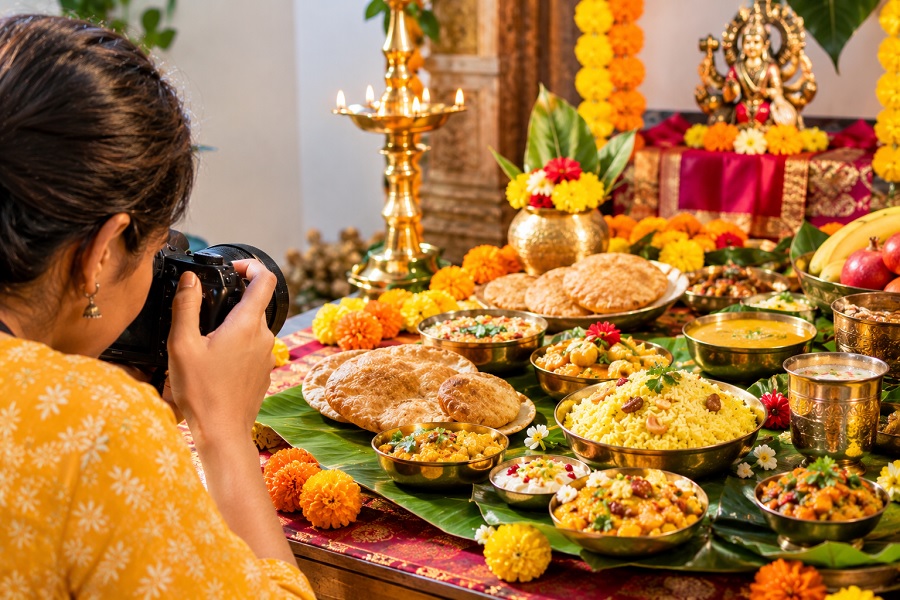
Banana leaves, traditional metal plates, clay bowls, fresh flowers, and decorative serving arrangements can add cultural character to food photographs.
4. Local Markets and Sweet Shops
Festive markets often display sweets, fruits, spices, dry fruits, and freshly prepared snacks. These settings provide opportunities for capturing the atmosphere of seasonal food shopping.
5. Cultural Storytelling
Food photography can communicate more than the appearance of a dish. It can tell stories about family traditions, regional identity, religious practices, celebrations, and local communities.
Best Destinations for Dasara Food Photography Tours in India
1. Mysuru, Karnataka
Mysuru is particularly famous for its Dasara celebrations, royal heritage, cultural programmes, and traditional cuisine. Photographers can explore local sweet shops, restaurants, and markets to capture Mysore Pak, festive meals, and Karnataka specialities.
The city's cultural atmosphere provides opportunities to combine food photography with images of traditional crafts, festive decorations, and heritage architecture. Visitors should check event schedules and local photography rules before planning their tour.
2. Kolkata, West Bengal
Kolkata offers a rich culinary experience during Durga Puja, which takes place during the broader festive season around Navratri and Dussehra. Food photography enthusiasts can explore traditional sweets, Bengali meals, street food, and festive food stalls.
Popular subjects include sandesh, rosogolla, mishti doi, luchi, and regional vegetarian dishes. Travellers should respect individual stall owners' preferences before photographing food preparation or customers.
3. Ahmedabad, Gujarat
Ahmedabad is known for its Navratri celebrations, vegetarian cuisine, traditional snacks, and vibrant food markets. Photography opportunities include Gujarati thalis, farsan, festive sweets, and regional specialities.
Visitors can focus on the colours of ingredients, the presentation of traditional dishes, and the atmosphere of local food businesses.
4. Pune, Maharashtra
Pune offers a mix of Maharashtrian festive cuisine, traditional sweet shops, local markets, and family-run food establishments. Food photography subjects may include puran poli, karanji, modak, chivda, and regional vegetarian meals, depending on the establishment and seasonal menu.
A local culinary tour can help visitors discover the stories behind recipes and photograph dishes in authentic settings.
5. Hyderabad, Telangana
Hyderabad offers a diverse food culture with regional sweets, traditional snacks, vegetarian specialities, and festive dining experiences. Photographers can explore local markets and restaurants to document food presentation and regional ingredients.
6. Jaipur, Rajasthan
Jaipur provides opportunities to photograph traditional Rajasthani cuisine, festive sweets, colourful market displays, and regional vegetarian dishes. Dal baati churma, ghevar, and other local specialities can offer interesting textures and presentation styles.
7. Delhi, India
Delhi's diverse food culture makes it suitable for exploring traditional sweet shops, festive markets, regional vegetarian cuisine, and seasonal food displays. Photographers can document the contrast between traditional recipes and modern food presentation.
Famous Festive Foods to Photograph During Dasara
Dasara food traditions vary across regions, families, and communities. The following dishes and food categories can provide inspiration for photography tours.
Traditional Indian Sweets
Mysore Pak
Kheer
Peda
Ladoo
Jalebi
Sandesh
Rosogolla
Puran Poli
Karanji
Regional festive halwa varieties
Photographers can highlight the shine of syrup-based sweets, the soft texture of milk-based desserts, and the detailed shapes of traditional preparations.
Festive Vegetarian Meals
Traditional South Indian meals served on banana leaves
Karnataka-style festive meals
Gujarati thalis
Maharashtrian vegetarian dishes
Bengali bhog preparations
Regional rice dishes and vegetable curries
Seasonal homemade festive meals
These dishes can be photographed from overhead angles to show the full arrangement or from a lower angle to highlight the height, layers, and texture of individual items.
Snacks and Savoury Specialities
Chakli
Chivda
Murukku
Farsan
Roasted snacks
Regional savoury mixtures
Festive pakoras and other locally available snacks
Close-up photography can emphasise crisp textures, spices, and the shapes of traditional snacks.
Fruits and Festive Ingredients
Fresh fruits, coconuts, bananas, pomegranates, dry fruits, nuts, spices, and fresh herbs can add colour to photographs. They can also help tell the story of ingredients used in festive cooking.
Essential Food Photography Techniques for Festival Tours
1. Use Natural Light
Natural light near a window or in a shaded outdoor area can reveal the colours and textures of food. Avoid harsh direct sunlight when it creates strong shadows or unwanted glare.
2. Choose the Right Angle
Different dishes benefit from different photography angles.
Overhead angle: Ideal for thalis, ingredient arrangements, and dishes with decorative toppings.
45-degree angle: Useful for plates, bowls, desserts, and table settings.
Eye-level angle: Works well for layered desserts, stacked snacks, and tall drinks.
Experiment with angles to find the most appealing composition.
3. Focus on Details
Close-up photographs can capture the texture of sweets, the crispness of snacks, the shine of sauces, and the patterns created by spices or garnishes.
4. Keep the Background Simple
Use clean backgrounds and uncluttered surfaces so that the food remains the main subject. Traditional plates, banana leaves, wooden surfaces, and subtle fabrics can complement festive dishes without overwhelming them.
5. Use Colours Thoughtfully
Festive food photography often features bright colours. Arrange dishes so that contrasting colours stand out, while keeping the overall composition natural and believable.
6. Capture the Preparation Process
With permission, photograph chefs rolling dough, preparing sweets, arranging thalis, or adding final garnishes. Process photographs can make a food story more informative and engaging.
7. Tell a Complete Story
A strong photo collection may include market scenes, ingredients, cooking methods, finished dishes, serving traditions, and the people behind the food. Together, these photographs provide a fuller picture of Dasara's culinary culture.
Equipment Needed for a Dasara Food Photography Tour
You do not need expensive equipment to create attractive food photographs. A smartphone with a good camera can be sufficient for beginners.
Useful equipment includes:
A smartphone or digital camera.
A versatile lens or phone camera with close-focus capability.
A small portable tripod, where permitted.
A power bank and spare batteries.
A microfibre cloth for cleaning the lens.
A camera bag suitable for crowded markets.
A notebook for recording dish names and local stories.
Always keep equipment secure in crowded festival areas and avoid obstructing vendors, customers, or public pathways.
How to Plan a Successful Dasara Food Photography Tour
Step 1: Select a Destination
Choose a city based on its culinary traditions, festival activities, accessibility, and photography opportunities. Mysuru is an especially relevant choice for Dasara-themed travel.
Step 2: Research Local Food Specialities
Prepare a list of regional dishes, traditional sweet shops, markets, and restaurants. Check current menus and opening hours before visiting.
Step 3: Plan Your Route
Group nearby locations together to reduce travel time. Schedule outdoor photography during softer morning or late-afternoon light when practical.
Step 4: Ask Before Taking Photographs
Obtain permission before photographing chefs, vendors, customers, private kitchens, or religious ceremonies. Some establishments may restrict photography.
Step 5: Keep the Experience Respectful
Do not interrupt food preparation or block customers while taking pictures. Respect religious customs, food-handling practices, and local traditions.
Step 6: Organise Your Photographs
Sort images by destination, dish, ingredient, or preparation method. Add accurate captions so that viewers understand the regional and cultural significance of each dish.
Food Photography Tours for Different Travellers
For Beginners
Beginner-friendly tours can focus on smartphone photography, simple compositions, natural lighting, and familiar regional foods.
For Professional Photographers
Advanced tours can explore detailed food styling, storytelling, controlled lighting, commercial photography, and collaboration with local chefs.
For Families
Family tours can introduce children to regional ingredients, traditional sweets, and the stories behind festive dishes. Activities should be age-appropriate and respect food hygiene and crowd safety.
For Food Bloggers and Content Creators
Food bloggers can use these tours to discover regional specialities, prepare informative articles, create short videos, and develop seasonal content for their audiences. They should accurately describe dishes and avoid misrepresenting the origin or preparation of foods.
Responsible and Sustainable Food Tourism
Responsible food photography tours can support local businesses and help preserve culinary traditions.
Travellers can contribute by:
Supporting locally owned restaurants and traditional sweet shops.
Buying food from legitimate local vendors.
Avoiding unnecessary food waste during photography sessions.
Using reusable bags and water bottles where practical.
Respecting cultural and religious food traditions.
Asking permission before photographing people.
Avoiding artificial food styling that wastes edible ingredients.
Giving accurate credit to local cooks, artisans, and businesses when appropriate.
Food tourism becomes more meaningful when it benefits local communities and celebrates their culinary heritage respectfully.
Benefits of Dasara Festival Food Photography Tours
These tours offer several benefits for travellers and local communities.
Cultural learning: Visitors discover the traditions and stories associated with regional dishes.
Photography skills: Participants learn composition, lighting, styling, and visual storytelling.
Local business support: Visits can generate interest in traditional restaurants, sweet shops, and food markets.
Travel content creation: Photographs can support blogs, travel guides, and social media storytelling.
Culinary discovery: Travellers can experience unfamiliar ingredients, regional recipes, and local dining customs.
Heritage preservation: Thoughtful documentation can help introduce traditional food practices to wider audiences.
Future of Festival Food Photography Tourism in 2026
Food photography tourism is well suited to travellers who want experiences that combine creativity, local culture, and culinary discovery. During the 2026 festive season, visitors can plan tours around regional food traditions, guided market walks, cooking demonstrations, and seasonal restaurant menus.
Smartphone photography, short-form video, digital travel guides, and social media storytelling can make these experiences accessible to more travellers. However, the strongest food stories still depend on accurate information, respect for local communities, and genuine appreciation of the food itself.
Destinations and tour operators can develop more engaging experiences by collaborating with local chefs, culinary historians, photographers, and traditional food businesses.
Conclusion
Dasara Festival Food Photography Tours offer a memorable way to explore India's culinary heritage while celebrating one of its important festive seasons. From Mysore Pak in Karnataka to regional sweets, traditional thalis, festive snacks, and local market specialities, every dish offers an opportunity to discover the culture behind the food.
By combining careful photography, culinary exploration, and responsible travel, visitors can create meaningful visual stories while supporting local businesses and preserving food traditions.
Whether you are a beginner with a smartphone, a professional photographer, a food blogger, or a family traveller, a Dasara food photography tour can turn a festive holiday into a creative and educational experience.




Top News
India?s economic catch-up over past decade worth celebrating: Top Economist